Novel pediatric pacemaker shows safety, effectiveness for fragile infants in multi-center study

A pacemaker modified in a novel way to work better for the smallest children, including newborns, is safe and effective to stabilize heart rhythms for at least two years, according to a study published in Circulation: Arrhythmia and Electrophysiology, a journal of the American Heart Association.

The Kim family, whose daughter received this device, was featured on NBC Nightly News in May 2024.

What it means

The study includes the findings from 29 infants who received the novel pediatric pacemaker, which is no bigger than a AAA battery, at multiple institutions in the United States. A majority of them (79%) were born premature, weighing less than five pounds (2.3 kg).

The devices remain stable, with effective pacing, normal electrical parameters and battery longevity aligned with projections for up to two years. This design and application provides a viable alternative to standard-size generators and addresses a vital unmet need for these small patients. In fact, though the study includes data from the first 29 cases, the number of children who have received these devices across the United States today has doubled to nearly 60.

The specially modified pediatric-sized implantable pacemaker includes a Medtronic Micra sub-assembly that connects to an epicardial lead. While this makes the leadless pacemaker into one that uses leads, the resulting device is significantly smaller than any commercially available pacemaker previously on the market in the U.S.
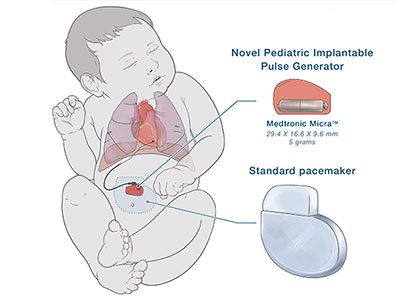
illustration of tiny pacemaker

The novel pediatric implantable pulse generator is about a quarter of the size of a traditional pacemaker.

Why it matters

“The need for an urgent permanent pacemaker in newborns is quite rare, but when needed, it is often an emergency,” said lead author Charles Berul, MD, a cardiologist and electrophysiologist at Children’s National Hospital in a press release from the American Heart Association. “Babies who were very small often cannot get a permanent pacemaker and must undergo multiple temporary pacing wires or other techniques in the hopes of getting them big enough to undergo a standard pacemaker placement.”

Dr. Berul also notes that a smaller pacemaker may also help frail elderly patients and be a better choice for some children and adults.

What’s next: Better delivery

Innovating smaller devices is a good start. However, when a newborn or young child needs any pacemaker or defibrillator, they face open chest surgery. Their arteries and veins are just too small for even the smallest size transvenous pacemaker catheter.

Dr. Berul and engineers in the Sheikh Zayed Institute for Pediatric Surgical Innovation are testing a first-of-its-kind minimally invasive pericardial access tool. This tool allows for pacing and defibrillation therapy that can be delivered through a single small port inserted through the skin.

Read the study, Multicenter Results of a Novel Pediatric Pacemaker in Neonates and Infants, in Circulation: Arrhythmia and Electrophysiology, a journal of the American Heart Association.

Children’s National brings AI into the RHD early diagnosis equation

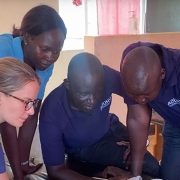
In December of 2024, a team that included experts from Children’s National Hospital traveled to Uganda to continue work on a pilot program applying artificial intelligence (AI) to the diagnosis of rheumatic heart disease (RHD). Ugandan health care providers have been trained and equipped to acquire echocardiograms for their patients but lack expertise in consistently being able to diagnose RHD by detecting leaky heart valves. The team created a tool that uses AI to predict RHD by identifying leaky heart valves on handheld ultrasound devices, then prompts a referral for a full echocardiogram.

The goal is to find ways to help people in Uganda diagnose RHD early, before a patient is in need of surgery, and initiate antibiotics so their heart can return to normal. The team of researchers, including fellow Kelsey Brown, MD, helped to implement additional steps toward this goal in December. According to Dr. Brown, the results were excellent. After four days of seeing patients, over 450 people were screened. The AI tool has an 86% accuracy rating. After returning from Uganda, the research team plans to work on the AI tool and further improve its accuracy rating. Eventually, the vision is that this tool can roll out on a larger scale for more places around the world to access it.

Craig Sable, MD, Marius Linguraru, DPhil, MA, MSc, and Pooneh Roshanitabrizi, PhD, from our Sheikh Zayed Institute, who developed the AI algorithms, worked in partnership with the Rheumatic Heart Disease Research Collaborative (RRCU) in Uganda. This trip was also made possible thanks to a grant funded through the Children’s National Global Health Initiative. Special thank you to our AI partner, US2.AI, who made the deployment of the AI models onto a tablet that provided real-time results, possible.

Global expert consensus defines first framework for building trustworthy AI in health care

Illustration of a brain, stethoscope and computer chip

The guidelines are the first globally acknowledged framework for developing and deploying health care AI applications and gauging whether the information they generate can be trusted or not.

More than 100 international experts in the application of artificial intelligence (AI) in health care published the first set of consensus guidelines that outline criteria for what it means for an AI tool to be considered trustworthy when implemented in health care settings.

The guidelines, published in the journal the BMJ, are the first globally acknowledged framework for developing and deploying health care AI applications and gauging whether the information they generate can be trusted or not.

What this means

Called the FUTURE-AI framework, the consensus guidelines are organized based on six guiding principles:

  • Fairness
  • Universality
  • Traceability
  • Usability
  • Robustness
  • Explainability

The cadre of experts reviewed and agreed upon a set of 30 best practices that fall within the six larger categories. These practices address technical, clinical, socio-ethical and legal aspects of trustworthy AI. The recommendations cover the entire lifecycle of health care AI: design, development and validation, regulation, deployment and monitoring.

The authors encourage researchers and developers to take these recommendations into account in the proof-of-concept phase for AI-driven applications to facilitate future translation to clinical practice.

Why it matters

“Patients, clinicians, health organizations and authorities need to know that information and analysis generated by AI can be trusted, or these tools will never make the leap from theoretical to real world application in a clinical setting,” says Marius George Linguraru, DPhil, MA, MSc, Connor Family Professor for Research and Innovation in the Sheikh Zayed Institute for Surgical Innovation at Children’s National Hospital and co-author of the guidelines. “Bringing so many international and multi-disciplinary perspectives together to outline the characteristics of a trustworthy medical AI application is part of what makes this work unique. It is my hope that finding such broad consensus will shed light on the greater good  AI can bring to clinics and help us avoid problems before they ever impact patients.”

The FUTURE-AI consortium was founded by Karim Lekadir, PhD, ICREA Research Professor at the University of Barcelona in 2021 and now comprises 117 interdisciplinary experts from 50 countries representing all continents, including AI scientists, clinical researchers, biomedical ethicists and social scientists. Over a 2-year period, the consortium established these guiding principles and best practices for trustworthy and deployable AI through an iterative process comprising an in-depth literature review, a modified Delphi survey and online consensus meetings. Dr. Linguraru contributed with a unique perspective on AI for pediatric care and rare diseases.

What’s next

The authors note that, “progressive development and adoption of medical AI tools will lead to new requirements, challenges and opportunities. For some of the recommendations, no clear standard on how these should be addressed yet exists.”

To tackle this uncertainty, they propose FUTURE-AI as a dynamic, living framework. This includes a dedicated website to allow the global community to participate in the FUTURE-AI network. Visitors can provide feedback based on their own experiences and perspectives. The input gathered will allow the consortium to refine the FUTURE-AI guidelines and learn from other voices.

Read the full manuscript outlining all 30 best practices: FUTURE-AI: international consensus guideline for trustworthy and deployable artificial intelligence in healthcare

Marius George Linguraru appointed as president of the MICCAI Society

Marius George Linguraru

“MICCAI has been a professional home for me throughout my career and I am deeply honored to have a chance to give back to the organization,” said Dr. Linguraru.

We’re pleased to announce that Marius George Linguraru, DPhil, MA, MSc, Connor Family professor and endowed chair in Research and Innovation at Children’s National, has been elected as president of the Medical Image Computing and Computer Assisted Intervention (MICCAI) Society board of directors. Dr. Linguraru has been involved in the society since he attended his first MICCAI conference in 2001. He was elected to the board of directors in 2021 and chairs the Career Development Working Group. Dr. Linguraru was instrumental in establishing the MICCAI Mentorship Program, the MICCAI Start-up Village and the AFRICAI Special Interest Group. He also served as the program chair of MICCAI 2024, which received and reviewed a record number of paper submissions. He will begin his three-year term as president on February 1, 2025. Watch Dr. Linguraru’s brief inaugural message to members here.

“MICCAI has been a professional home for me throughout my career and I am deeply honored to have a chance to give back to the organization,” said Dr. Linguraru. “I believe the society is poised not just to meet the challenges of the next few years, but to thrive as an essential leadership forum for the growth of medical image computing, computer assisted intervention and artificial intelligence in healthcare.”

Dr. Linguraru leads the AI research initiatives at Children’s National and serves as principal investigator in the Sheikh Zayed Institute for Pediatric Surgical Innovation. His award-winning team builds artificial intelligence applications to expand health equity and access to pediatric healthcare when diseases are rare and resources are limited. Through partnerships between Children’s National and Virginia Tech and Microsoft, Dr. Linguraru also plays an integral role in exploring how generative AI can improve pediatric care.

Meanwhile, Caroline Essert, PhD, MSc, completes her term as president of the MICCAI Society on January 31, 2025.

“It has been an honor to contribute to the growth and vibrancy of this incredible community,” said Dr. Essert. “I extend my warmest welcome to Dr. Linguraru as the incoming president of the MICCAI Board. I am confident that under his leadership, the MICCAI Society will reach new heights and continue to serve as a beacon of excellence in our field.” Read her full farewell message here.

To learn more about the MICCAI Society, click here.

Charging ahead: Researchers develop robotic renal tumor surgery

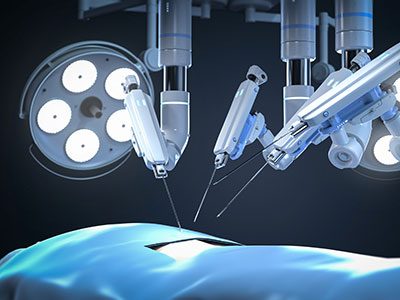
robotic surgery apparatus

Researchers at Children’s National Hospital are developing supervised autonomous robotic surgery to make expert kidney tumor removal accessible in rural areas, combining robotics, AI and surgeon oversight for safer, more precise outcomes.

Imagine a robot capable of planning and executing the intricate removal of a cancerous kidney tumor — a concept that might sound like science fiction. Yet this groundbreaking work is underway at the Sheikh Zayed Institute (SZI) for Pediatric Surgical Innovation at Children’s National Hospital.

Called Supervised Autonomous Robotic Renal Tumor Surgery (SARRTS), the project aims to prove that a supervised autonomous kidney resection is feasible. Its goal is to enable general surgeons in rural hospitals to oversee robots performing complex resections, democratizing access to specialized surgical care. Backed by a $1 million contract from the Advanced Research Projects Agency for Health (ARPA-H), the initiative represents new opportunities in medical innovation.

“The hope is that, someday, patients will no longer have to travel to major oncology centers to get the best possible surgical outcome when faced with renal tumors,” said Kevin Cleary, PhD, associate director of engineering at SZI. “We hope to combine the precision of robotics with a surgeon’s clinical expertise to create consistently high outcomes.”

The patient benefit

Surgery is a cornerstone of cancer treatment, but access to skilled surgeons remains unevenly distributed nationwide. Autonomous robotic surgery could address this disparity by increasing access to expert-level care, enhancing the precision and consistency of procedures and unlocking new surgical possibilities beyond human surgeons’ capabilities.

Under the initial concept, the SARRTS system will use a combination of CT imaging and 3D mapping from a robot’s RGB-depth camera. While the robot independently plans and executes the incision and tumor resection, the supervising surgeon retains full control, with the ability to approve, modify or halt the procedure at any time — an interplay between human expertise and robotic precision to help ensure safety.

Testing will be conducted on realistic kidney models, called phantoms, which are designed to train and test surgical outcomes. The project aims to validate the feasibility of supervised autonomous tumor resection while advancing technologies that could pave the way for broader applications.

“Robotics and medicine have finally reached a point where we can consider projects requiring this level of complexity,” said Anthony Sandler, MD, senior vice president and surgeon-in-chief at Children’s National and executive director of SZI. By combining autonomous robotics, artificial intelligence and surgical expertise, we can profoundly impact the lives of patients facing life-altering cancer diagnoses.”

Children’s National leads the way

In addition to the kidney surgery initiative, the Children’s National team is pursuing other groundbreaking projects. These include a second ARPA-H contract focused on robotic gallbladder removal and a National Institutes of Health grant to explore robotic hip-pinning, a procedure used to repair fractured hips with pins, screws and plates.

Axel Krieger, PhD, an associate professor of mechanical engineering at Johns Hopkins University, is collaborating closely on the kidney resection and gallbladder projects. The interdisciplinary team believes this state-of-the-art care could be tested and developed within the next decade.

“This particular surgery is complex, and a robot may offer advantages to address difficulties created by patient anatomy and visibility within the surgical field,” said Dr. Sandler. “We can imagine a day – in the not too distant future – when a human and a robotic arm could team up to successfully advance this care.”

This project has been funded in whole with federal funds from ARPA-H under cooperative agreement AY1AX000023.

Children’s National delivers on the promise in 2024

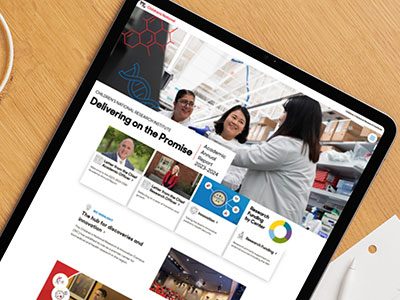
Children's National Hospital's 2023-2024 Academic Annual Report on a tablet

The Children’s National 2023-2024 Academic Annual Report show on a tablet.

Children’s National Hospital has released its 2023-2024 Academic Annual Report, showcasing a year of transformative progress in pediatric medicine. The report highlights achievements across its research centers, institutes and Innovation Ventures, underscoring the hospital’s role as a leader in advancing child health through innovation and collaboration.

“This year’s report reflects the remarkable progress we have made in advancing the frontiers of pediatric medicine,” said Nathan Kuppermann, MD, MPH, Chief Academic Officer and Chair of Pediatrics. “It highlights groundbreaking work across our research centers, institutes, and Innovation Ventures, showcasing the collaborative spirit that drives our mission forward. These achievements underscore our shared commitment to delivering transformative research and the best possible outcomes for children and families.”

Delivering across centers

The report captures the contributions of each of Children’s National’s research centers, each pushing the boundaries of pediatric healthcare:

  • Center for Cancer & Immunology Research (CCIR): Delivering on the promise of cell and gene therapies, offering innovative treatments for pediatric cancers and immune disorders.
  • Center for Genetic Medicine Research (CGMR): Advancing pediatric genetic medicine through interdisciplinary efforts, addressing complex genetic conditions with cutting-edge science.
  • Center for Neuroscience Research (CNR): A year of growth in scientific excellence, advancing the understanding of brain development and neurological conditions.
  • Center for Prenatal, Neonatal & Maternal Health Research (CPHNMR): Revolutionizing neonatal care with its pioneering infant brain health neuromonitoring program.
  • Center for Translational Research (CTR): Facilitating groundbreaking work by new K awardees and driving translational research to bridge the gap between discovery and clinical care.
  • Sheikh Zayed Institute for Pediatric Surgical Innovation (SZI): Leading the way in advanced research projects in pediatric surgery, pushing technological boundaries to improve outcomes for children worldwide.

Taking the lead in innovation through collaboration

Innovation Ventures at Children’s National is advancing pediatric health security, addressing unique challenges with transformative solutions. Meanwhile, the Children’s National Research & Innovation Campus (CNRIC) continues to thrive as a hub for discovery and collaboration, hosting conferences on topics like artificial intelligence in healthcare, cell and gene therapy, and pediatric epilepsy research.

A vision for the future

The report also highlights Children’s National’s focus on integrating cutting-edge technologies like artificial intelligence into its research and clinical practices, as well as addressing global health challenges such as the effects of climate change on children’s health. These efforts reflect the hospital’s commitment to improving outcomes for children everywhere through innovation, teamwork, and forward-thinking leadership.

The 2023-2024 Academic Annual Report serves as a testament to the dedication and expertise of the Children’s National community, showcasing how collaboration and innovation are shaping the future of pediatric healthcare.

AI for good: Children’s National wins global competitions for measuring brain tumors

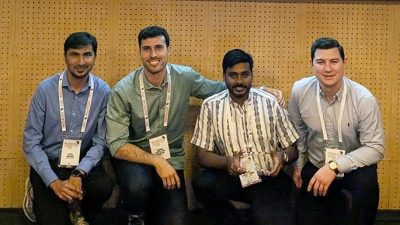
Children's National Hospital's winning team for the Brain Tumor Segmentation-Africa (BraTS-Africa) challenge

Meet the winners (left to right): Syed M. Anwar, Ph.D., M.S., principal investigator at Children’s National; Daniel Capellan Martin, M.Sc., Polytechnic University of Madrid; Abhijeet Parida, data scientist at Children’s National; and Austin Tapp, Ph.D., postdoctoral research fellow at Children’s National.

Using an award-winning artificial intelligence (AI) algorithm developed at Children’s National Hospital, researchers ranked first in the world in the Brain Tumor Segmentation-Africa (BraTS-Africa) challenge for their approach to identifying different parts of deadly gliomas. The details of their innovative method were recently published on arXiv, a curated research-sharing platform.

“Technology can bridge the gap in healthcare between high- and low-resource countries,” said Marius George Linguraru, D.Phil., M.A., M.Sc., the Connor Family Professor in Research and Innovation and principal investigator in the Sheikh Zayed Institute for Pediatric Surgical Innovation (SZI). “By tailoring methods we created at our hospital to fit the needs of specific regions, such as sub-Saharan Africa, our research helps improve medical imaging and diagnosis in challenging environments.”

Dr. Linguraru was the program chair of the International Conference on Medical Image Computing and Computer Assisted Intervention (MICCAI) 2024 in Marrakesh, Morocco, the leading global meeting on AI in medical imaging.

Children’s National leads the way

Gliomas are a type of brain tumor with a high death rate and are especially difficult to diagnose in low- and middle-income countries. Given the increased need in Africa, researchers worldwide came together in Morocco to compete over the best way to accurately detect and measure tumors using MRI data and AI.

By applying advanced machine-learning techniques, the researchers adapted tools initially designed for well-resourced settings to work in countries with far fewer.

The study focused on transfer learning, a process in which an AI model is trained in advance on a large number of brain tumor images and then adjusted to work with smaller sets of new data. In this case, the models were adapted to work with local sub-Saharan African data using a strategy to combine different models’ strengths.

When tested, the approach achieved impressive accuracy scores. The Children’s National team, which included a colleague from the Polytechnic University of Madrid, ranked first in the BraTS-Africa 2024 challenge for identifying different parts of gliomas.

“To make the method widely available, the winning algorithm is shared online for others to use and improve upon,” Dr. Linguraru said. “My favorite part of these competitions is how they highlight the way innovation and collaboration can reduce global healthcare inequalities.”

The big picture

Children’s National researchers consistently lead global events using AI and advanced imaging to tackle complex healthcare challenges. In 2023, the team won a global contest to measure pediatric brain tumors at the MICCAI 2023 Conference. This year’s success in the BraTS-Africa challenge builds on this knowledge base and expands its use to adult gliomas.

At the Radiological Society of North America 2024 annual meeting, which drew 50,000 attendees, Zhifan Jiang, Ph.D., a staff scientist in the Precision Medical Imaging Lab at SZI, also won the Cum Laude Award for his scientific poster on applying AI to radiological images to predict severe outcomes for children with brain tumors caused by neurofibromatosis type 1.

“These achievements show how our science is leading the world in using AI for good,” Dr. Linguraru said. “Every day, we’re building on our knowledge of advanced imaging, brain tumors and AI to improve the diagnosis, measurement and treatment of deadly tumors — on a global scale.”

Attendees of the Brain Tumor Segmentation-Africa (BraTS-Africa) challenge

Study offers quality of life insights for adults with congenital heart disease

photograph of a heart and stethoscope

This research, published today in JAMA Network Open, marks a significant step forward in making better information available for the 1.5 million adults in the United States who were born with CHD.

For the first time, adults living with congenital heart disease (CHD) now have valuable insights into their long-term quality of life through data from the Congenital Heart Initiative (CHI). CHI is the nation’s first and largest patient-focused registry for adults with CHD and released its first study involving over 4,500 participants from all 50 states.

This research, published today in JAMA Network Open, marks a significant step forward in making better information available for the 1.5 million adults in the United States who were born with CHD.

“Studies like this that leverage actual patient voices and experiences help us get a better sense of how to advise, support and treat people with CHD as they age,” says Anitha John, M.D., Ph.D., director of the Washington Adult Congenital Heart program at Children’s National Hospital and senior author of the study. “Also, researchers get a clearer picture of the questions that need to be answered to make sure they have the best quality of life possible.”

The study also demonstrates two of the most successful models of current promising trends in clinical research:

  • The power of patient engagement throughout the research process, including design and implementation.
  • The impact of team science, highlighting the benefits of partnerships between patients, researchers and clinicians.

Key highlights include:

  • Many participants (88%) reported having one or more additional health issues (comorbidities).
    • 33% had arrhythmias (irregular heartbeat).
    • 35% had mood disorders, including depression or anxiety.
  • Quality of life is good or better for 84% of people who completed quality of life reporting measures, regardless of the type of congenital heart condition.
  • People with more complex congenital conditions were less likely to meet physical activity recommendations — an important finding with immediate impact.

Treatments for children born with congenital heart disease have improved so significantly in the last two decades that life expectancy continues to increase as well.

“There are now more adults living with congenital heart disease than there are children with CHD,” says Scott Leezer, patient co-principal investigator for the Congenital Heart Initiative registry and co-author of the study. “However, a significant gap remains in what we know about the adult CHD population. As an adult CHD patient, I was excited to contribute to creating this registry, bringing more answers to people like me who want to know how our unique hearts impact our bodies and quality of life over time.”

The authors note that the study’s findings and the registry data currently have a few limitations. First, the registry only contains patient-reported outcomes and no clinical data. The first sub-study of the CHI, the CHI-RON study, addresses this challenge by incorporating additional data sources for a subset of consenting CHI participants.

Additionally, recall bias, underlying neurocognitive challenges and survey fatigue, may have limited participation in the CHI to a smaller subset of adults with CHD. Efforts are underway to develop methods for people with congenital heart disease who have neurodevelopmental deficits or other disabilities to engage in the registry.  The CHI is temporarily closed to new registrants as the study team redesigns the study to better align with the needs of the community.

“We are grateful for everyone who joined this registry, answered survey questions and shared their experiences,” says Thomas Carton, Ph.D., chief data officer at Louisiana Public Health Institute and study co-author. “The CHI registry is a big step forward for adults with CHD, but also can serve as a model for how to bring together physicians, researchers and patients as active participants in care, research and advocacy.”

As the registry grows in the future, it will focus on increasing diversity of participants, developing additional partnerships with other organizations, continued innovation in data usage and improved community engagement, all with the goal of guiding future research that will ultimately improve quality of life for all adults with CHD.

Children’s National again ranked among the best in the nation by U.S. News & World Report

2024-25 US News BadgesChildren’s National Hospital in Washington, D.C., was ranked as a top hospital in the nation by the U.S. News & World Report 2024-25 Best Children’s Hospitals annual rankings. This marks the eighth straight year Children’s National has made the Honor Roll list. The Honor Roll is a distinction awarded to only 10 children’s hospitals nationwide.

This year, U.S. News ended ordinal rankings on its Honor Roll. Instead of assigning a numerical rank from 1 to 10, all hospitals on the Honor Roll will be recognized as having attained the highest standards of care in the nation.

In addition, Children’s National tied for #1 pediatric hospital in the Mid-Atlantic region, which includes New York, New Jersey, Delaware, Pennsylvania, the District of Columbia, West Virginia and Virginia. It’s also best in the Mid-Atlantic in Neonatology.

For the fourteenth straight year, Children’s National ranked in 10 specialty services. New this year, U.S. News included behavioral health as a service line in the rankings. Since it’s the first year, there are no ordinal rankings for behavioral health, but the Children’s National program was named one of the top 50 programs in the country.

“In my first year here, I witnessed what makes Children’s National so special — our commitment to collaboration, empowering one another, and charting a bold path forward for pediatric care,” said Michelle Riley-Brown, MHA, FACHE, president and chief executive officer of Children’s National. “I’m proud U.S. News again recognized Children’s National as one of the top in the nation and the highest-ranked pediatric hospital in D.C., Maryland and Virginia. Together, we’ll continue to push the boundaries of care, research and innovation to make a difference for those who matter most — the kids.”

The annual rankings are the most comprehensive source of quality-related information on U.S. pediatric hospitals and recognizes the nation’s top 50 pediatric hospitals based on a scoring system developed by U.S. News.

“For nearly two decades, U.S. News has published Best Children’s Hospitals to empower the parents and caregivers of children with complex medical needs,” said Ben Harder, chief of health analysis and managing editor at U.S. News. “Children’s hospitals appearing on the U.S. News Honor Roll have a track record of delivering unparalleled specialized care.”

The bulk of the score for each specialty service is based on quality and outcomes data. The process includes a survey of relevant specialists across the country, who are asked to list hospitals they believe provide the best care for patients with the most complex conditions.

The Children’s National specialty services that U.S. News ranked in the top 10 nationally are:

The other four specialties ranked among the top 50 are Behavioral Health, Cardiology and Heart Surgery, Pulmonology and Lung Surgery, and Urology.

In the news: The future of patient care and access

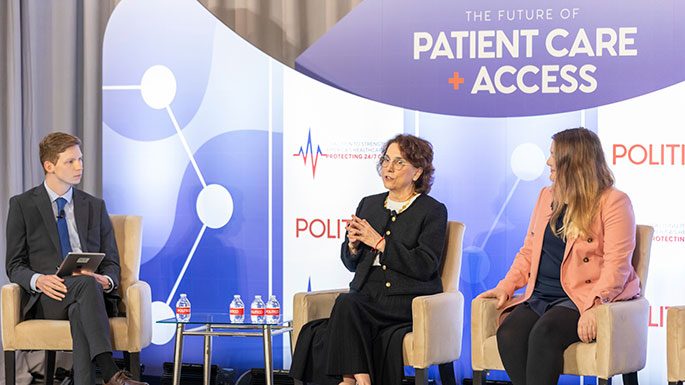
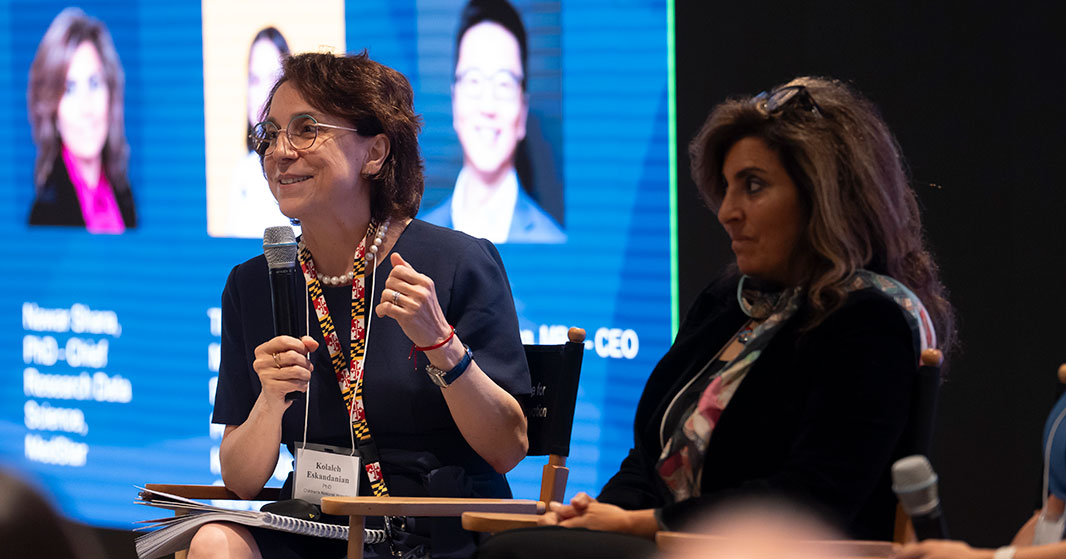
Kolaleh Eskandanian, Ph.D., M.B.A., during her recent appearance at POLITICO.

“It is a market failure that we are dealing with – a lack of incentives leading to a stagnation in innovation with respect to small markets, such as pediatrics. Children’s National Hospital and our partners in other children’s hospitals in the country play a critical role in making noise and sending a message that children should not be an afterthought.” 

Hear more from Kolaleh Eskandanian, Ph.D., M.B.A., during her recent appearance at POLITICO. As vice president and chief innovation officer at Children’s National and Alliance for Pediatric Device Innovation principal investigator, Dr. Eskandanian shared her approach to engaging with the Food and Drug Administration (FDA) to advance artificial intelligence (AI) and machine learning technologies for pediatric healthcare. To date, she noted, the FDA has authorized 950 healthcare-related technologies enabled with AI and machine learning.

New philanthropic support from the United Arab Emirates furthers research breakthroughs and care

Visitors from the UAE at Children's National Hospital.

His Highness Sheikh Mohamed bin Zayed Al Nahyan, President of the United Arab Emirates (right) visited Children’s National in September 2024.

Continuing a 30-year partnership that has yielded 82 U.S. patents and countless medical breakthroughs for kids and their families, the Government of the United Arab Emirates (UAE) has strengthened its transformational commitment to Children’s National Hospital with a new $35 million donation focused on prenatal, neonatal and maternal health.

The announcement of the new gift comes after a recent visit to the hospital by His Highness Sheikh Mohamed bin Zayed Al Nahyan, President of the United Arab Emirates (UAE), who met with Emirati families and patients receiving care at Children’s National Hospital.

The investment is the latest chapter of a longstanding philanthropic partnership between the UAE and Children’s National. Each year, more than 100 Emirati families travel to Children’s National for advanced pediatric care and life-saving treatments.

This latest investment will bolster various strategic health initiatives, including within the hospital’s Center for Prenatal, Neonatal & Maternal Health Research and the Zickler Family Prenatal Pediatrics Institute.

Researchers in the Center for Prenatal, Neonatal & Maternal Health Research are focused on the role of perinatal factors — including maternal stress, anxiety and depression — on the developing brain of the child. Studies also are revealing the impact of congenital anomalies such as heart disease and acquired conditions such as maternal infection with COVID-19 or Zika virus. New approaches to prenatal and postnatal care promise to optimize long-term outcomes of many hospitalized babies.

“Children in the Washington, D.C., area and across the world benefit greatly from the breakthroughs that have emerged from the incredible decades-long partnership between the UAE and Children’s National,” said Michelle Riley-Brown, President and CEO of Children’s National. “I am deeply grateful for the UAE’s most recent gift. The contribution will positively impact children and families and support the teams of researchers and specialists who dedicate their lives to developing innovative medical care.”

Key milestones

The UAE helped to establish the Sheikh Zayed Institute for Pediatric Surgical Innovation at Children’s National in 2009. Today, the Sheikh Zayed Institute (SZI) has grown into a world-class, self-sustaining research center receiving more than 80% of its funding from grants and outside sources.

This platform for invention is advancing autonomous, robotic surgery. The institute’s researchers believe pediatric surgical outcomes will improve if the precision and delicacy of a robot are incorporated into procedures such as gallbladder removal. SZI is also propelling the use of artificial intelligence to improve pediatric medicine and expand health equity. One example is a deep learning algorithm that uses hand-held ultrasounds to detect early signs of rheumatic heart disease, which kills nearly 400,000 people worldwide each year.

“The lives and health of countless children and families in the Washington area, in the UAE and around the world have been transformed by our partnership,” said Yousef Al Otaiba, the UAE Ambassador to the United States. “Our continued support promises even more breakthrough innovations in pediatric medicine.”

The UAE also supported the opening of the Children’s National Research & Innovation Campus through a 2019 commitment. The campus represents the first pediatric innovation hub of its kind, where scientists, inventors, caregivers, patients’ families and health authorities come together to advance pediatric health.

The Children’s National Rare Disease Institute and Center for Genetic Medicine Research are two of the teams housed at the campus. Together, they are pioneering care for children in the Washington region and abroad as an international referral site for rare disorders. Two examples of their research endeavors include: next-generation genomic testing to better understand how differences in genetic material can affect human health and identifying biochemical analytes.

The UAE opened a medical office in Washington, D.C., in 1991. Since then, thousands of Emirati patients have visited Children’s National for life-changing care for conditions such as congenital heart disease, neurological disorders and cancer. The hospital is currently treating 40 Emirati patients.

“Having our child treated at Children’s National means accessing specialized pediatric care from a renowned institution dedicated to children’s health,” said Hamad Alnuaimi, an Emirati father of a Children’s National patient. “It provides us with confidence and reassurance that our son is receiving the best possible medical attention from experts who understand and prioritize the unique needs of children. For the UAE to have a strong relationship with Children’s National signifies a valuable connection that enhances pediatric healthcare in our country. This partnership allows us to benefit from advanced treatments, medical innovations, and expertise that might otherwise be inaccessible. It represents a commitment to improving the health and well-being of children through international collaboration.”

Transforming pediatric care: How AI is driving the next medical revolution

The future of healthcare is unfolding before scientists and clinicians: Doctors are assisted by virtual scribes trained by artificial intelligence. Algorithms are reading MRIs. Smartphones are helping to detect strep throat. Machines diagnose children without access to care.

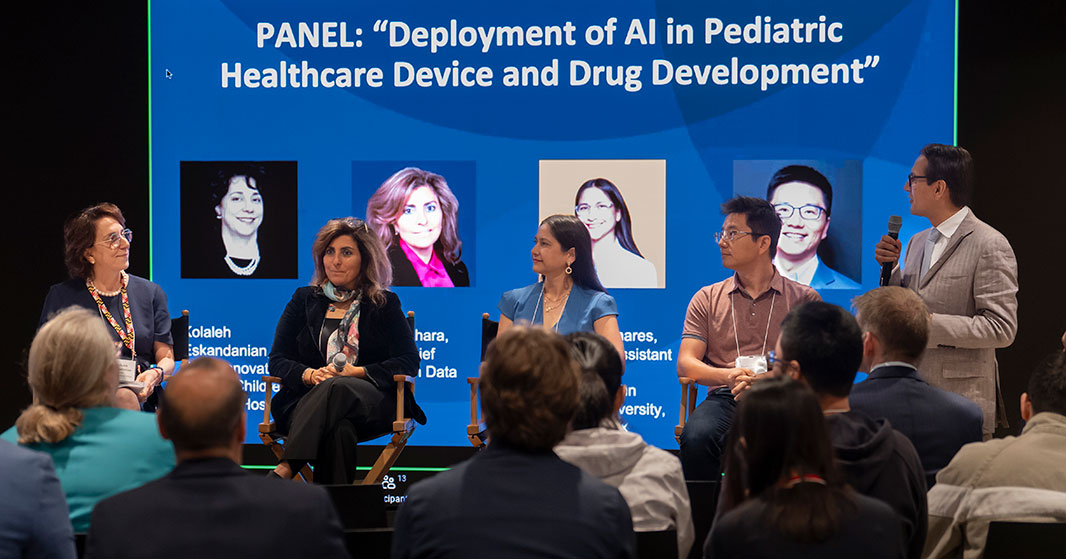
These and dozens of other artificial intelligence (AI) applications are being tested to enhance pediatric healthcare, and many were on display at the 2nd annual Children’s National Hospital-Virginia Tech Symposium on AI for Pediatric Health at the Children’s National Research & Innovation Campus.

Some highlights from the daylong conversation about the future of pediatric medicine, augmented by AI and generative AI models capable of producing new and critical content:

  • Marius George Linguraru, D.Phil., M.A., M.Sc., the Connor Family Professor in Research and Innovation and principal investigator in the Sheikh Zayed Institute for Pediatric Surgical Innovation: “Children are just not mini-adults. In pediatric care, we train pediatric specialists because kids die from different diseases than those that kill adults. Children also suffer from very impactful and rare conditions. If we train pediatric specialists well, we have to train AI algorithms in the same fashion.”
  • Rowland Illing, M.D., Ph.D., chief medical officer and director of global healthcare and nonprofits at Amazon Web Services: “In a short period of time, the complexity of the models available is astounding. Generative AI, just like AI, can impact outcomes at every step of the patient pathway, including the clinical workflow, care management and patient engagement. By creating a specific use case with generative AI, every step can be optimized to be smarter, which ultimately leads to improved patient care and outcomes.”
  • Children’s National Chief Academic Officer Nathan Kuppermann, M.D., M.P.H.: “AI in pediatric health is not just about identifying rare diseases. Its potential includes all aspects of clinical care, clinical operations, education and research. It has the potential to help educators enhance the novelty and impact of their methods and advance research with powerful tools to gather and analyze data.”
  • Alda Mizaku, vice president and chief data and artificial intelligence officer at Children’s National: “What excites me most about our future is the endless possibilities. We can use AI and data to uncover many things: rare diseases, operational efficiencies, time-saving and cost-saving solutions. This has to be done in a responsible way, and we must look at what some of the guardrails need to be.”

Throughout the day, expert panels offered insights into regulatory pathways to deploy AI in pediatric drugs and devices. The Food and Drug Administration’s Office of Science and Engineering Laboratories also provided guidance on collaborative tools for improving the representation of children and perinatal patients in AI-powered medical devices.

Moving the field forward

Early adopters of AI at Children’s National shared applications already under investigation, including efforts to segment and measure brain tumors on imaging, weigh the risk of strep throat with a smartphone camera and detect rheumatic heart disease with portable technology and an algorithm.

Dr. Linguraru, an expert in healthcare AI, said that artificial intelligence is no longer a hypothetical technology but is already remaking the healthcare system. “AI is here. What matters now is how we use it and how we train doctors to use it well,” he said.

The big picture

Through growing partnerships, Children’s National experts are teaming up with researchers at Virginia Tech on a series of AI-driven projects aimed at advancing pediatric health, including programs to rethink privacy in federated learning, forecast emergency department surges, extract clinical variables from documents to predict sepsis risks, identify rare genetic syndromes in children, and predict single-cell responses to genetic perturbations in pediatric developmental disorders.

Naren Ramakrishnan, Ph.D., director of the Sanghani Center at Virginia Tech and the Thomas L. Phillips Professor in the College of Engineering, said the partnership between the two academic centers is changing healthcare already and will continue to as the organizations offer future seed grants to support innovation in cardiology, neuroscience and oncology. “The roots have borne fruit,” he said.

New federally supported hub to advance solutions for pediatric health emergencies

boy on cot in emergency shelterClinicians caring for children are often left to rely on off-label devices and medications approved for adults, especially during public health crises, national disasters and other emergencies. To address this critical gap, Children’s National Hospital is launching a 10-year partnership with the federal Biomedical Advanced Research and Development Authority (BARDA) — valued at $1.5 million per year, with the possibility of an additional funding boost of up to $515 million.



This new pediatric-focused hub will be known as the SPARK Hub — or the Hub for Special Populations Acceleration, Research and Knowledge for Innovations in Pediatrics. It will join a network of four existing BARDA hubs to develop various tools for national health emergencies, including infectious disease outbreaks or chemical, biological, radiological and nuclear attacks. The new opportunity for Children’s National positions the organization as a leader among those working to ensure clinicians and their patients have the resources they need in crises, approved for kids and ready for clinical use.

BARDA is part of the Administration for Strategic Preparedness and Response within the U.S. Department of Health and Human Services (HHS), which leads the nation’s medical and public health preparedness, response and recovery efforts during disasters and public health emergencies. The new SPARK Hub led by Children’s National seeks to accelerate innovations that can detect, prevent or respond to the medical consequences of a health security threat for children. SPARK’s scope includes drugs, biologics, devices, diagnostics and digital health solutions that improve prevention, readiness and response.

Kolaleh Eskandanian, Ph.D., M.B.A., P.M.P., vice president and chief innovation officer at Children’s National and principal investigator of SPARK Innovations in Pediatrics, said the hospital was honored to take on this role, which “underscores our commitment to advancing the health and safety of children during public health emergencies.”

“To tackle the complex challenges in developing pediatric medical countermeasures, we have assembled an exceptional team of pediatrician-scientists,” Dr. Eskandanian said. “Their expertise will be instrumental as we partner with BARDA on this vital mission, ensuring that our most vulnerable populations receive the care and protection they deserve.”

Children’s National will lead the hub with its SPARK partners: BioHealth Innovation, Consortia for Improving Medicine with Innovation and Technology (CIMIT) at Mass General Brigham, and University Hospitals Rainbow Babies and Children’s. Johnson & Johnson Innovation JLABS and BLUE KNIGHT™ join the team as strategic industry partners.

The BARDA Accelerator Network aims to provide comprehensive support to health security innovators, startups and BARDA portfolio companies. Dr. Eskandanian said that innovators have ideas for devices, but they often could benefit from wrap-around support to accelerate their development through technical guidance, business and commercialization expertise, and resources. The network will facilitate the rapid development, evaluation, validation and commercialization of medical countermeasures.

“One of the critical challenges we face in safeguarding our children during public health emergencies is the limited medical countermeasures specifically approved for pediatric use,” Dr. Eskandanian said. “This creates significant ethical, legal and operational dilemmas when considering whether to use untested or off-label options for our youngest and most vulnerable populations.”

Children’s National has in-depth experience leading nonprofit accelerator programs to spur innovation in healthcare. It is currently serving its 11th year as leader of one of five pediatric consortia funded by the U.S. Food and Drug Administration, the Alliance for Pediatric Device Innovation, which focuses on bringing patients medical devices specifically evaluated and labeled for use in pediatrics.

Children’s National is also one of two leading hospital sites for the Pediatric Pandemic Network (PPN), which aims to empower healthcare systems and communities to provide high-quality, equitable care to children every day and in crises. The Health Resources and Services Administration, a part of HHS, funds the PPN.

Q&A with Dr. Kuppermann: Collaboration is critical for scientific success

Nathan Kuppermann, M.D., M.P.H., is taking on a pivotal role at Children’s National Hospital as executive vice president, the new chief academic officer (CAO) and chair of Pediatrics to continue growing the institution’s reputation as a world-class research hospital. He brings more than 30 years of clinical experience in pediatric emergency medicine and research to the leadership role, where he will oversee nearly 2,000 active research projects at the Children’s National Research Institute.

Dr. Kuppermann knows that science drives cures and improved outcomes. Early in his career, he received enhanced research training at the Harvard School of Public Health, where he laid the groundwork to become a globally recognized clinical researcher. He has studied when to order CT scans for children with head, abdominal and neck trauma to minimize radiation exposure, how to best manage children with diabetic ketoacidosis, infants with febrile illnesses and other complex questions in pediatric emergency medicine that require a multidisciplinary research approach to improve clinical care.

Dr. Kupperman is thrilled to join the scientific community in the nation’s capital, which he sees as a global city where he can authentically share his culturally rich background. He is the son of Brazilian immigrants — a chemical physicist and an organic chemist — and he married a pediatric endocrinologist whose parents are from Mexico and Germany. They have three daughters, and their youngest was adopted from Guatemala. As a family, they travel extensively, and he cares deeply about global health, having served as associate dean for Global Health at UC Davis.

A high school point guard who still plays basketball, Dr. Kuppermann runs his team’s offense on the court, choreographing the flow of each game to optimize his team’s strengths. The position requires peripheral vision to get the ball to the right player and make everyone look good. He sees parallels with his new role as CAO.

Q: What is your approach to research in pediatric healthcare?

A: Fundamentally, my philosophy around research is that we all need to collaborate. When I started doing my own research, I realized over time that to have big, impactful studies, two things had to happen: First, you need to work with people who have expertise beyond your own. I’m a big believer in team science and bench-to-bedside research, collaborating with people with complementary research skills.

Second, I realized that in pediatric research, you must collaborate in research networks to ensure your sample size has enough patients and patients from diverse populations to have definitive results and generalizable data.

Q: What values will you bring to the new role?

A: Three key elements come to mind. First, I’m a big believer in transparent communication, which is the root of everything good in life, whether it’s with your science, your friendships or your family.

I’m a big believer in team science. We all have certain areas of expertise, but if we want to combine our expertise to impact children and improve their health, we need to work together in teams, bringing together basic science researchers, clinicians, information technology specialists, knowledge-translation specialists and disseminators.

Finally, I am a cheerleader for science. As you develop your own science, you also are responsible for leading the next generation of scientists.  I’ve spent as much time being a scientific mentor as I have working to discover new knowledge through scientific inquiry.

Q: You talk extensively about your family’s international roots and how it drives your work. What is the role of diversity in medicine and how does that guide you?

A: Diversity is fundamental to healthcare. We in the medical community recognize the disparities in the care we deliver, which I’ve studied in my research. Diversity must not only be a research focus, but our teams must be diverse to better investigate — and work to resolve — these inequities of care.

Children’s National is both a hospital that is mindful of its immediate community and an institution that greatly values the diversity of its patients and its staff. It’s also highly ranked in research and cares deeply about global health, all of which are drivers in my work.

When I considered the potential of coming to Children’s National, I thought I might be able to help this already great institution further its mission by serving its immediate community, growing and developing its global health programs, and taking research here from its already great bones and accomplishments to the next level.

Q: What approach do you bring to clinical care?

A:  When I do a research study and enroll patients into a clinical trial, I think about the patient and others the research can impact. I frequently think of a quote by the late Paul Brodeur, a scientific writer who wrote a lot about asbestos, which is very powerful and meaningful to me: “Statistics are humans with the tears wiped away.”

And what it means to me is that we must be mindful as researchers that we’re talking about humans with our research. We’re not just talking about numbers, and we’re not just talking about getting grants and papers. We’re talking about how we can elevate the evidence and translate it to the bedside to improve the lives of humans.

AI’s transformative potential in radiology

Doctor using digital tablet for advanced Mri x-ray scan

The adoption of artificial intelligence (AI) has the potential to enhance radiological imaging, improve diagnostic capabilities and reduce burnout in the field.

The adoption of artificial intelligence (AI) has the potential to enhance radiological imaging, improve diagnostic capabilities and reduce burnout in the field, provided that physicians and scientists work together to ensure its careful integration into the practice of medicine, according to a special report in Radiology: Artificial Intelligence, a journal of the Radiological Society of North America (RSNA).

Assembled by experts in radiology, medical imaging and machine learning, the special report lays out the clinical, cultural, computation and regulatory considerations that are being introduced, particularly as generative AI models become part of the field.

“AI tools can play a key role in radiology, but radiologists must be able to trust in the systems’ design and receive adequate training. As the physicians most familiar with these tools, radiologists should establish clear guidelines regarding clinical accountability,” said Marius George Linguraru, D.Phil., M.A., M.Sc., the Connor Family Professor in Research and Innovation and principal investigator in the Sheikh Zayed Institute for Pediatric Surgical Innovation.

Moving the field forward

Dr. Linguraru and his peers assembled the report based on a series of seminars hosted by RSNA and the Medical Image Computing and Computer Assisted Intervention (MICCAI) Society. They collected input from multidisciplinary experts to outline the current clinical uses of AI and its future potential.

The experts agreed that collaboration between radiologists and AI scientists will be essential to successfully integrate AI into the discipline of radiology. This partnership should focus on establishing a unified agenda, shared language and clear expectations of the tools developed. By working together, they can ensure that AI tools are designed and implemented to meet the practical needs of radiology, particularly with the incorporation of language and vision models.

What’s next

Among the challenges ahead, clinical institutions must align their staffing, data management and computational resources to deploy and monitor AI systems effectively. This alignment includes ensuring that personnel are adequately trained to use AI tools, that data is managed and processed efficiently and that sufficient computational power is available to support AI operations. Cloud computing may be vital to hospitals that don’t have hardware and technical maintenance resources.

“The successful integration of AI in radiology depends on trust in AI design, collaborative efforts between radiologists and AI scientists, and the alignment of clinical resources to support AI deployment,” Dr. Linguraru said. “With these factors in place, AI can play a transformative role in improving radiological practices and outcomes.”

Read the special report “Clinical, Cultural, Computational, and Regulatory Considerations to Deploy AI in Radiology: Perspectives of RSNA and MICCAI Experts” in Radiology: Artificial Intelligence.

Innovating improved outcomes with robotic gallbladder removal

Patients want to hear they are “in good hands” when choosing a surgeon. A Children’s National Hospital team is investigating whether those hands could be replaced with an autonomous robotic arm during pediatric cholecystectomy procedures.

“The role of autonomous surgery is at a pivot point,” said Anthony Sandler, M.D., senior vice president and surgeon-in-chief at Children’s National and director of the Sheikh Zayed Institute of Pediatric Surgical Innovation (SZI). “Just as it is with autonomously driving cars, we are testing whether a gallbladder removal can be controlled and managed by a robotic arm, rather than a laparoscopic surgeon. In preclinical models, we are evaluating whether we can take the next step forward. We believe we can, and this research will be proof of concept for autonomous surgery.”

The big picture

The rate of cholecystectomy has been on the rise among pediatric patients for the last two decades. It becomes necessary when the gallbladder becomes full of painful gallstones, often caused by obesity and inherited blood disorders like sickle cell disease. Across the country, 99% of gallbladder removals happen without complications.

Yet Children’s National hopes to develop technologies to boost that number even higher. Working with partners, the hospital has embarked on two contracts with the Advanced Research Projects Agency for Health (ARPA-H): a three-year and a two-year contract, worth $3.5 million each (75N91023C00048 & 75N91023C00053, respectively). The Children’s National team is collaborating on solutions with Optosurgical Chief Executive Officer Yoseph Kim, M.S.E., and Axel Krieger, Ph.D., associate professor of mechanical engineering at Johns Hopkins University.

They are tapping into two areas of expertise: robotic surgery and the development of a novel fluorescent dye that – when paired with advanced imaging – can aid surgeons in seeing bleeds during gallbladder removals.

The project also combines the talents of Dr. Sandler and Children’s National optical engineer Richard Cha, Ph.D., principal investigator at SZI, to explore how to integrate these technologies in the operating room.

“Autonomous gallbladder removal involves the identification of the target tissue – the bile duct, the cystic artery and the gallbladder. Our team’s new 3D imaging techniques will help visualize and work through the surgical steps, by locating each target,” Dr. Cha said. “When this technology and related programming come together, it could mark a significant step forward in pediatric surgery.”

The fine print

Given the gallbladder’s small size and accessible location just beneath the liver, cholecystectomy is most often done laparoscopically, using small cameras and incisions. There are three main steps: ligating – or closing off – the cystic artery, ligating the cystic duct while protecting the common bile duct, and removing the gallbladder. Drs. Sandler and Cha believe outcomes will improve if the expertise and delicacy of a robot are incorporated into the procedure.

“If you’re that one patient out of 100 who has significant bleeding post-operatively or, even worse, you are among the 0.5% of patients who have an injury to the bile duct, the impact on your wellbeing is significant after that surgery,” Dr. Sandler said. “Having that extra security of technology and guidance will be an incredible value-add for any patient undergoing this procedure.”

These projects have been funded in whole with federal funds from ARPA-H, National Institutes of Health, Department of Health and Human Services, under Contract No. 75N91023C00053 and Contract No. 75N91023C00048.

Children’s National announces two new professorships

Matthew Evan Oetgen, M.D., and Timothy Dennis Kane, M.D.

Drs. Oetgen and Kane join a distinguished group of Children’s National physicians and scientists who hold an endowed chair.

Children’s National Hospital named Matthew Evan Oetgen, M.D., as the Joseph E. Robert, Jr. Professor of Orthopaedic Surgery and Sports Medicine. Dr. Oetgen serves as chief of Orthopaedic Surgery and Sports Medicine.

Children’s National Hospital named Timothy Dennis Kane, M.D., as the Joseph E. Robert, Jr. Professor of General and Thoracic Surgery. Dr. Kane serves as chief of General and Thoracic Surgery.

About the award

Drs. Oetgen and Kane join a distinguished group of Children’s National physicians and scientists who hold an endowed chair. Children’s National is grateful for its generous donors, who have funded 48 professorships to-date.

Professorships support groundbreaking work on behalf of children and their families. They foster new discoveries in pediatric medicine. These appointments carry prestige and honor that reflect the recipient’s achievements and donor’s forethought to advance and sustain knowledge.

Dr. Oetgen is a longstanding leader in orthopaedic surgery and sports medicine. Under his leadership, Children’s National opened the Fight For Children Sports Medicine Center in 2021. It provides a wide range of orthopaedic services to help young athletes function at their peak performance. Additionally, his team launched the nation’s first pediatric Spinal Fusion Surgical Home. This program led to significant decreases in average length of stay and patient pain scores for children with idiopathic scoliosis.

“We provide state-of-the-art care to young athletes across the region,” says Dr. Oetgen. “This professorship will help us continue the development of innovative clinical and research programs that streamline care for children with complex orthopaedic needs.”

Dr. Oetgen has authored more than 60 book chapters and publications. He has presented at many major national and international conferences in his field. Dr. Oetgen is also a key member of the multidisciplinary clinical trial team that was the first to apply magnetic resonance guided high-intensity focused ultrasound to non-invasively relieve osteoid osteoma tumors in children.

Dr. Kane works to develop the Joseph E. Robert, Jr. Center for Surgical Care’s minimally invasive surgery program through clinical practice, instruction and research, while improving minimally invasive surgical techniques and speed into standard clinical care for pediatrics. He serves as principal investigator in the Minimally Invasive Therapy Program in the Bioengineering Initiative of the Sheikh Zayed Institute for Pediatric Surgical Innovation. He has specific interest and expertise in minimally invasive thoracic, gastrointestinal and neonatal surgery. Under his direction, the Division of General & Thoracic Surgery developed peroral endoscopic myotomy (POEM), a newer technique to treat esophageal achalasia in children.

“Children’s National performs more POEM procedures than any other children’s hospital in the country,” says Dr. Kane. “I’m grateful for this professorship and look forward to making even more surgical advances in pediatric care.”

The Joseph E. Robert Jr. Trust, through their vision and generosity, are ensuring that Drs. Oetgen, Kane and future holders of these professorships will launch bold, new initiatives. These innovations will help rapidly elevate our leadership in the field of pediatric orthopaedic and general surgery and improve lifetimes for children.

About the donors

The Joseph E. Robert, Jr. Charitable Trust is a long-time champion of Children’s National. It honors the memory of the late Joseph “Joe” E. Robert, Jr. A native of Washington D.C., Joe was an entrepreneur and visionary who believed in the importance of investing in children through education and healthcare. His first gift to Children’s National created and endowed our Joseph E. Robert, Jr. Center for Surgical Care. He was also instrumental in shaping the vision and building support for the Sheikh Zayed Institute for Pediatric Surgical Innovation at Children’s National, created in 2009 with a $150 million gift from the Government of Abu Dhabi.

These professorships embody Joe’s legacy of inspiring others to think bigger and differently to advance pediatric healthcare for children of the Washington, D.C. community and beyond.

“Joe’s legacy is represented through the incredible work being done at Children’s National,” says David Fensterheim, board chair of Fight For Children. “Drs. Oetgen and Kane are trailblazers in pediatric healthcare. We are proud to honor them and their cutting-edge work with this prestigious professorship.”

Kevin Cleary, Ph.D., named as Sheikh Zayed Professor of Bioengineering

Kevin Cleary, Ph.D.

Dr. Cleary joins a distinguished group of Children’s National physicians and scientists who hold an endowed chair.

Children’s National Hospital named Kevin Cleary, Ph.D., as the Sheikh Zayed Professor of Bioengineering through philanthropic support from the people of the United Arab Emirates (UAE).

Dr. Cleary serves as Technical Director of the Bioengineering Initiative within the hospital’s Sheikh Zayed Institute for Pediatric Surgical Innovation. He also is professor of Pediatrics and Radiology at The George Washington University School of Medicine and Health Sciences.

About the award

Dr. Cleary joins a distinguished group of Children’s National physicians and scientists who hold an endowed chair. Children’s National is grateful to generous donors who altogether have funded 48 professorships.

Professorships support groundbreaking work on behalf of children and their families. They foster new discoveries and innovations in pediatric medicine. These appointments reflect the recipient’s achievements and the donor’s commitment to advancing knowledge.

Under Dr. Cleary’s leadership, the Bioengineering Initiative fosters innovation via collaboration across the hospital. It fuels the development of minimally-invasive robotics that improve outcomes for children. For example, Dr. Cleary’s team is collaborating with the Division of Physical Medicine & Rehabilitation to develop PedBotHome. This video game-based robotic ankle device helps children with neurological impairments such as cerebral palsy do rehabilitation exercises at home.

“I am deeply honored by this endowed professorship,” says Dr. Cleary. “It will enable me to continue to fulfill our mission of providing more precise and less invasive solutions to improve children’s health. The Sheikh Zayed Institute will continue to be a hub for technology development and innovation.”

The people of the UAE created the professorship endowment through philanthropy. The UAE’s vision and generosity will ensure that Dr. Cleary and future holders of this professorship will have the opportunity to make strategic and timely investments. This will advance the field of bioengineering and improve children’s lives.

About the donors

Children’s National takes pride in four decades of medical collaboration with the UAE. This relationship inspired a philanthropic partnership yielding more than $215 million to advance children’s health worldwide. The UAE’s generosity reflects the longstanding commitment of His Highness Sheikh Mohamed bin Zayed Al Nahyan, president of the UAE and ruler of Abu Dhabi.

About the Sheikh Zayed Institute for Pediatric Surgical Innovation

In 2009, the UAE generously funded the creation of the Sheikh Zayed Institute for Pediatric Surgical Innovation at Children’s National. The government of Abu Dhabi made the gift in honor of His Highness Sheikh Zayed bin Sultan Al Nayhan. Sheikh Zayed founded the UAE and served as the country’s president from 1971 until his death in 2004.

The Institute seeks to make pediatric surgery more precise, less invasive and pain free. It drives progress for children by translating breakthrough discoveries into new treatments and medical inventions. These include support for a technology that seeks to objectively measure pain through a handheld device and the first  use of high-intensity focused ultrasound (HIFU) to treat childhood nerve tissue tumors.

The Sheikh Zayed Professorship in Bioengineering is a continuation of the UAE’s investment within the Sheikh Zayed Institute.

Pediatric heart patients exposed to plastic chemicals during cardiopulmonary bypass

Children undergoing cardiac surgery using cardiopulmonary bypass are exposed to high levels of plastic chemical additives called phthalates, including DEHP, according to the largest single center study to date to measure this exposure. The findings were authored by a multi-disciplinary group from Children’s National Hospital and appear in the journal Transfusion.

What is it?

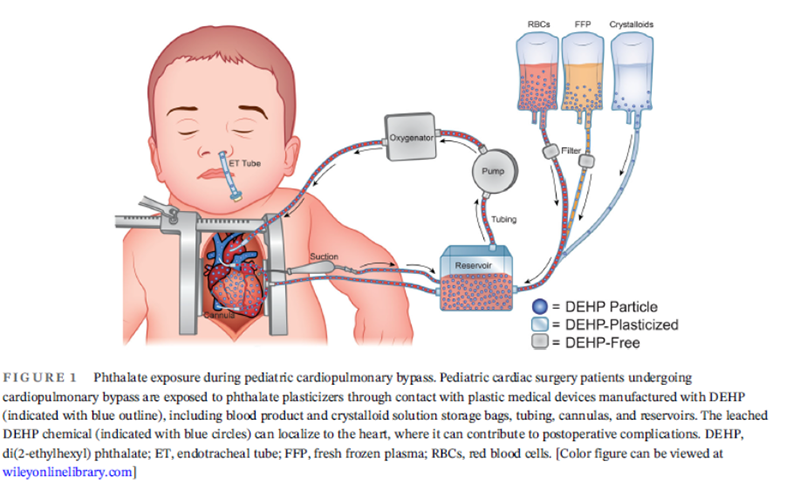
Di(2-ethylhexyl) phthalate (DEHP) is one of the most commonly used plasticizers in polyvinyl chloride (PVC) plastics, making up 40% to 80% of the finished weight of medical-grade tubing and blood storage bags. The study’s primary goal was to quantify three aspects of pediatric cardiac surgery: the phthalate exposure with and without cardiopulmonary bypass (the heart and lung machine), the time it takes for phthalates to clear after surgery and any correlations between higher phthalate exposures and postoperative complications.

The authors suggested that, like infants in the NICU exposed to various medical equipment, children on cardiopulmonary bypass are likely exposed to significant DEHP levels from blood products, bypass circuit components, and endotracheal tubes, potentially impacting postoperative outcomes.

Why does it matter?

Despite daily phthalate exposure in the general population, studies link high phthalate levels to developmental delays in language and motor skills. Phthalates accumulate in the hearts of infants undergoing umbilical catheterizations or blood transfusions. This is worrisome as even low-dose environmental exposure correlates with higher risks of overall and cardiovascular-related mortality.

Knowing these risks exist, it is important to understand these exposures, what causes them and implement measures to mitigate them, safeguarding medically fragile children. Regulatory actions in NICUs have reduced DEHP-containing plastics, yet no such efforts have been made for children on cardiopulmonary bypass.

The study also found some associations between postoperative complications and higher levels of phthalates, especially in younger children. They write, “it is plausible that a combination for risk factors (young age, longer CPB duration, increased phthalate exposure) collectively contribute to these complications.” More research is needed to understand the association and the impact of phthalates on how children recover from surgery.

Children’s National leads the way

The study involved 110 pediatric patients undergoing 122 cardiac surgeries at Children’s National, marking the largest single-center investigation into phthalate exposures in cardiac surgery. Led by a multidisciplinary team, including divisions of Transfusion Medicine and Cardiac Surgery, along with researchers from the Sheikh Zayed Institute for Pediatric Surgical Innovation, the study’s findings are some of the first to quantify that pediatric cardiac surgery patients are exposed to greater levels of these phthalate chemicals from plastic medical products, with increasing exposure the longer they require cardiopulmonary bypass. This is especially true when the bypass uses a prime based on red blood cells.

What’s next

The teams are exploring strategies to minimize chemical exposures, such as:

  • Using freshly donated blood products (made possible at Children’s National by the unique on-site Blood Donor Center).
  • Storing blood in DEHP-free storage bags prior to use when possible.
  • Increasing use of cell-saver equipment, which washes red blood cell products and removes extracellular contaminants.
  • At Children’s National, cardiac surgeons prioritize the use of recently collected, washed red blood cells in cardiopulmonary bypass cases, especially for younger and/or smaller patients.

“These exposures will affect patients undergoing pediatric cardiac surgery at any institution,” says first author Devon Guerrelli, M.S. “But we hope understanding what’s causing the exposures will help operating rooms around the United States take immediate small steps, like using washed red blood cells, to begin mitigating these exposures as soon as possible.”

Senior author Nikki Posnack, Ph.D., adds that the implications of phthalates on health are tremendous. “Studies have shown that heightened phthalate exposure increases your risk of all-cause and cardiovascular mortality,” she said. “Now is the time to support research efforts to understand how plastic chemicals damage the heart and to investigate strategies to reduce their overall impact.”

Read the study:
Prevalence and clinical implications of heightened plastic chemical exposure in pediatric patients undergoing cardiopulmonary bypass

Driving pediatric breakthroughs through 2023

desktop computer showing the CNRI Annual ReportThe Children’s National Research Institute released its 2022-2023 Academic Annual Report. In the report, a summary of the past academic year highlights the accomplishments of each of the institute’s research centers, provides research funding figures and exalts some of the institute’s biggest milestones.

The stories in the report are a testament to the hard work and dedication of everyone at the Children’s National Research Institute.

We celebrated five decades of leadership and mentorship of Naomi Luban, M.D., and her incredible accomplishments in the W@TCH program, which have been instrumental in shaping the future of pediatric research.

We also celebrated innovation, highlighting our recent FDA award to lead a pediatric device consortium, which recognizes our commitment to developing innovative medical devices that improve the lives of children.

Breakthroughs at the Research & Innovation Campus continued as our researchers worked tirelessly to develop new treatments and therapies that will transform the lives of children and families around the world.

Taking a look at the breakthroughs happening in our now six research centers, we spotlighted the following stories:

  • Reflecting on decades of progress in the blood, marrow and cell therapy programs at Children’s National. Our researchers have made significant strides in this field, and we are proud to be at the forefront of these life-saving treatments.
  • In genetic medicine, we continue to be a beacon of hope for families facing rare and complex conditions. Our researchers are making incredible breakthroughs that are changing the landscape of pediatric medicine.
  • We are also proud to share the $90 million award received from an anonymous donor to support pediatric brain tumor research. The predominant focus of this award is to develop new treatments that will improve outcomes for children with this devastating disease.
  • This year, we opened a new Center that enhances our research capabilities in the field of Prenatal, Neonatal & Maternal Health Research. We are excited about the possibilities this new center will bring and look forward to the discoveries that will emerge from it.
  • In addition, we are driving future pandemic readiness with the NIH funded Pediatric Pandemic Network. Our researchers are using cutting-edge technology and innovative approaches to prepare for the next pandemic and protect children.
  • We are also exploring the potential of artificial intelligence (AI) in pediatric breakthroughs. Our researchers are using machine learning and other AI techniques to develop new treatments and therapies that will transform the lives of children.