Quality and Safety

AATS Valve Symposium hones techniques for heart valve repair over replacement in congenital heart disease

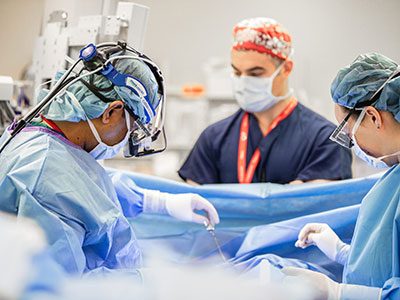
Children's National surgeons perform heart surgery

Dr. d’Udekem and the cardiac surgeons at Children’s National are well-versed in many of the most delicate techniques required to successfully complete repair procedures.

Yves d’Udekem, MD, PhD, chief of Cardiac Surgery at Children’s National Hospital, recently partnered with  Emile Bacha, MD, president of the American Association for Thoracic Surgery (AATS), to offer the Congenital Valve Symposium in conjunction with the AATS 106th Annual Meeting.

The session created an opportunity for pediatric and adult cardiac surgeons to review case studies and surgical procedure videos as well as share tips and techniques for valve repair in children and adults with congenital heart disease. More than 250 people attended. This seminar is an example of the educational effort from leading cardiac surgeons to increase successful valve repair procedures and reduce the need for mechanical valve replacements, which can have challenging long-term side effects for this population.

Why it matters

The AATS notes that the most frequently performed valve procedure in the pediatric population is a valve replacement, where a malfunctioning valve is removed and replaced with a mechanical one. However, research suggests that repairing an existing, living tissue valve may be the preferable strategy for long-term survival of children with congenital heart disease. The Division of Cardiac Surgery at Children’s National emphasizes repair techniques rather than replacement whenever possible.

The hold-up in the field

The delicate nature of the valves and the need for specific training in a variety of effective repair techniques has helped valve replacement remain the primary approach in pediatric cardiac surgery. The Children’s National team recently wrote, “Valve repair techniques in pediatric patients are frequently more intricate and less readily standardized compared to their adult counterparts due to the presence of complex and often dysplastic morphologies, consequently, a diverse range of surgical techniques is often necessitated within the pediatric population.”

Children’s National leads the way

There is a growing body of evidence for valve repair over replacement and the success of recent novel procedures such as partial heart transplants that replace malfunctioning valves with living valve tissue from a donor heart. Dr. d’Udekem and the cardiac surgeons at Children’s National are well-versed in many of the most delicate techniques required to successfully complete repair procedures. But successfully performing them at a handful of institutions is only the start of changing the standard of care.

“As valve repair becomes a fundamental part of our armamentarium in pediatric cardiac surgery, we should focus on organizing teaching of the younger generations of surgeons,” they wrote.

The AATS Congenital Valve Symposium is the most recent example of how the entire division participates in knowledge sharing and educational exchange to improve surgical care for all children with congenital heart disease. In addition to events, the team frequently welcomes cardiac surgery fellows and visiting surgeons to the operating rooms at Children’s National to study techniques. They also serve as authors and co-authors for a steady stream of peer-reviewed studies with detailed professional illustrations of techniques, tips and tricks.

See the scientific program for the recent AATS Congenital Valve Symposium to learn more about the presentations, topics and speakers.

Podcast: Care Champions: The science, leadership and compassion behind pediatric nursing

Bold research and novel collaborations reimagine a brighter future during REI Week 2026

  • REI Week 2026

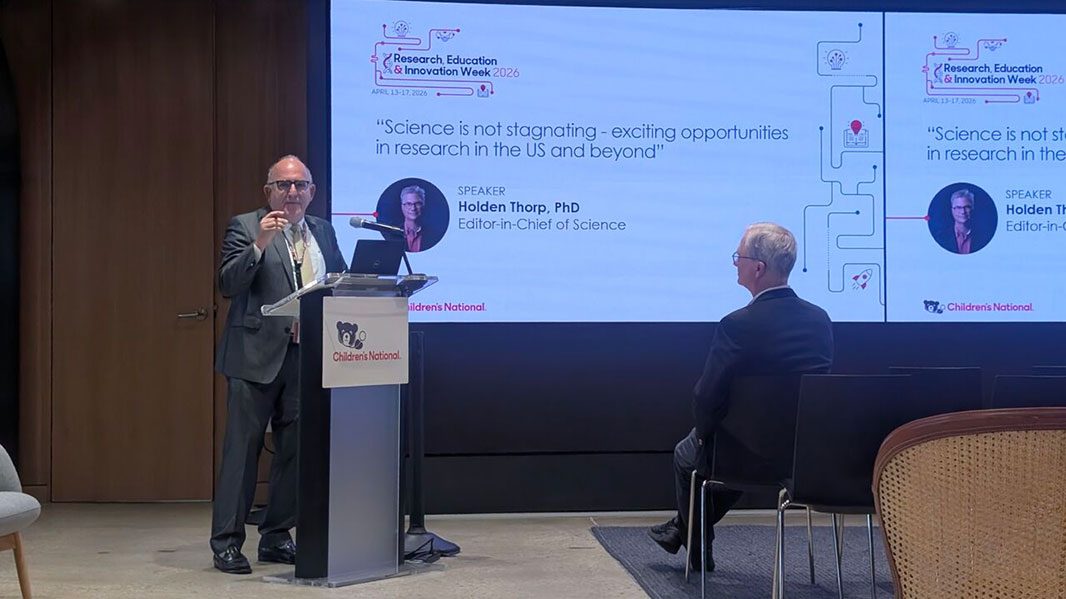
  • Nathan Kuppermann introduces Holden Thorp during REI Week.
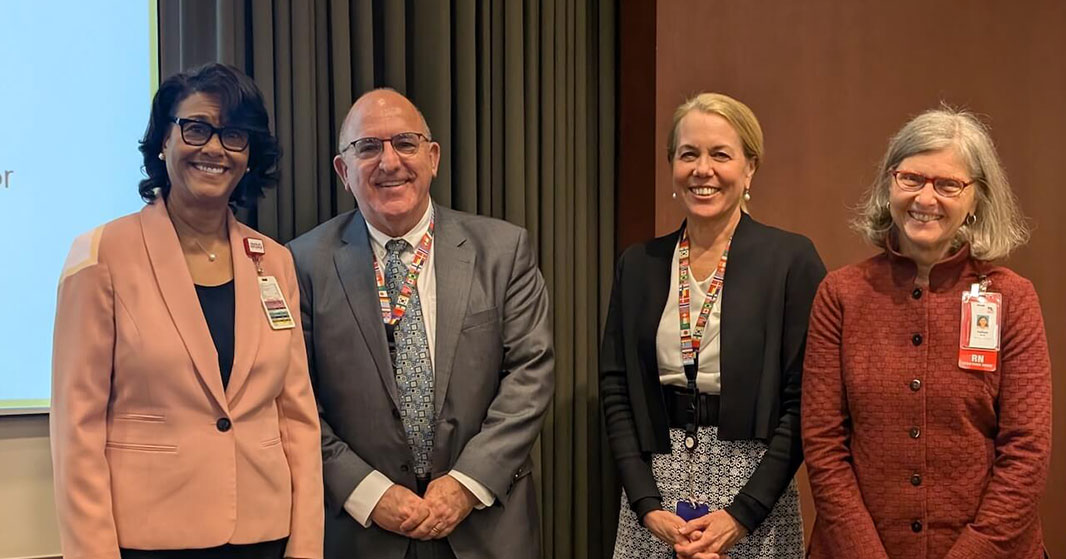
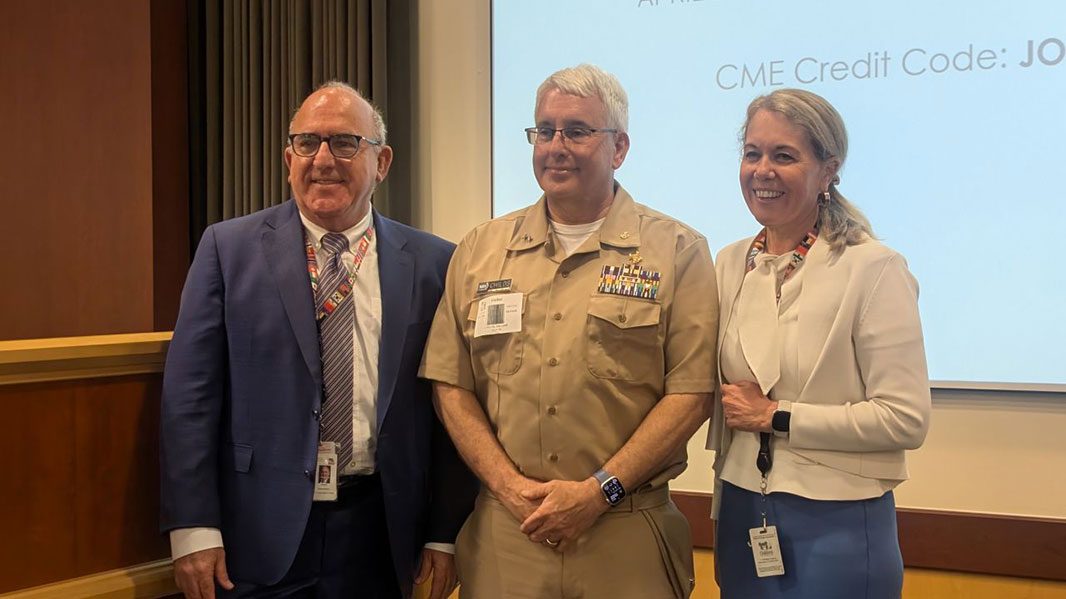
  • Nathan Kuppermann, Richard Childs and Catherine Bollard during REI Week.
  • CNRI leadership with Adam Carroll.

  • Pamela Hinds presents Lauren Clark during REI Week programming.
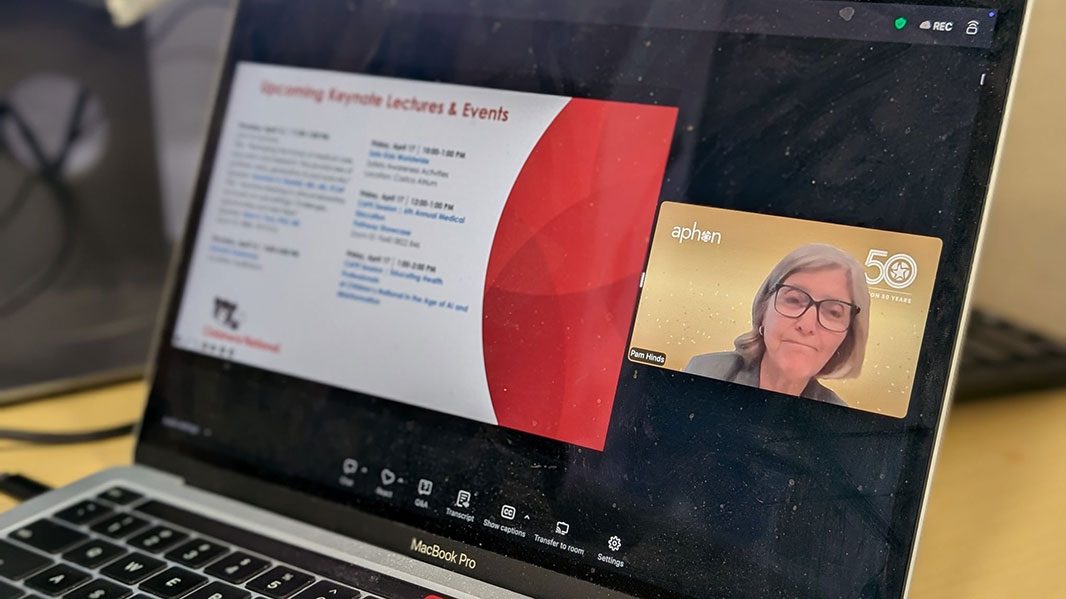
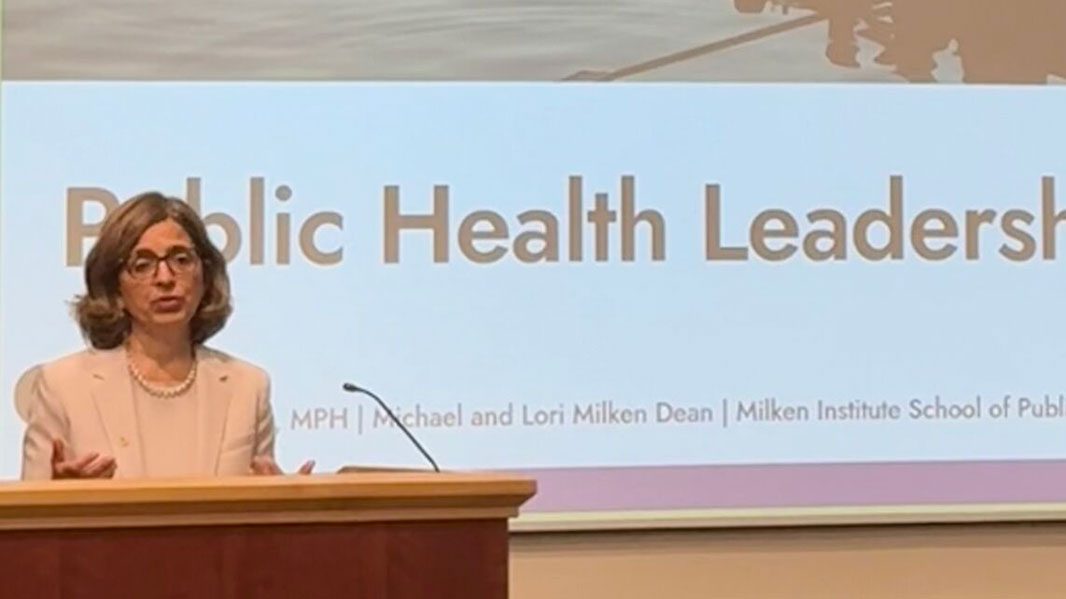
  • Kelly Gebo presents during REI Week.

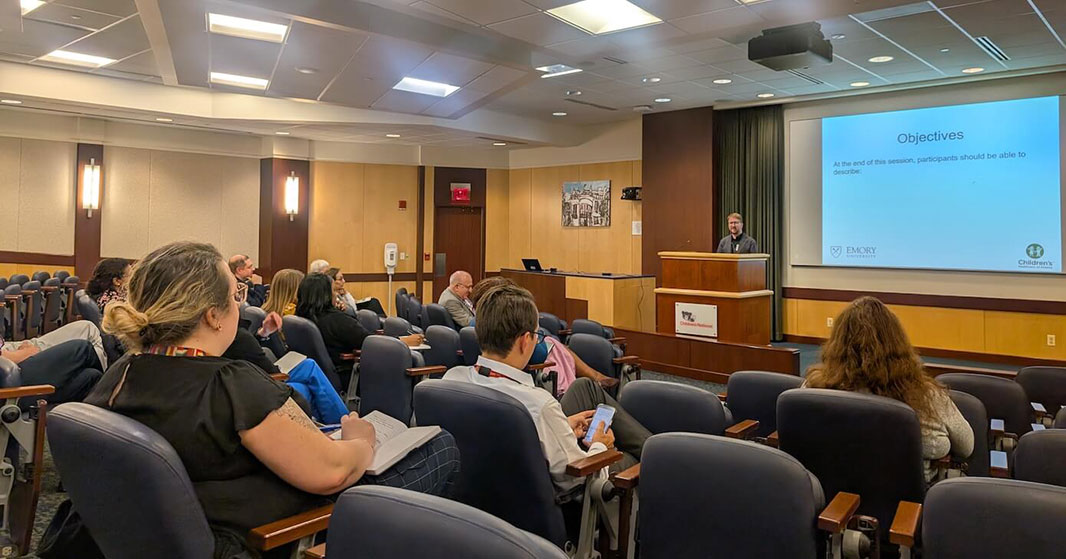
  • Presenters of the joint AI lecture during REI Week with Nathan Kuppermann.
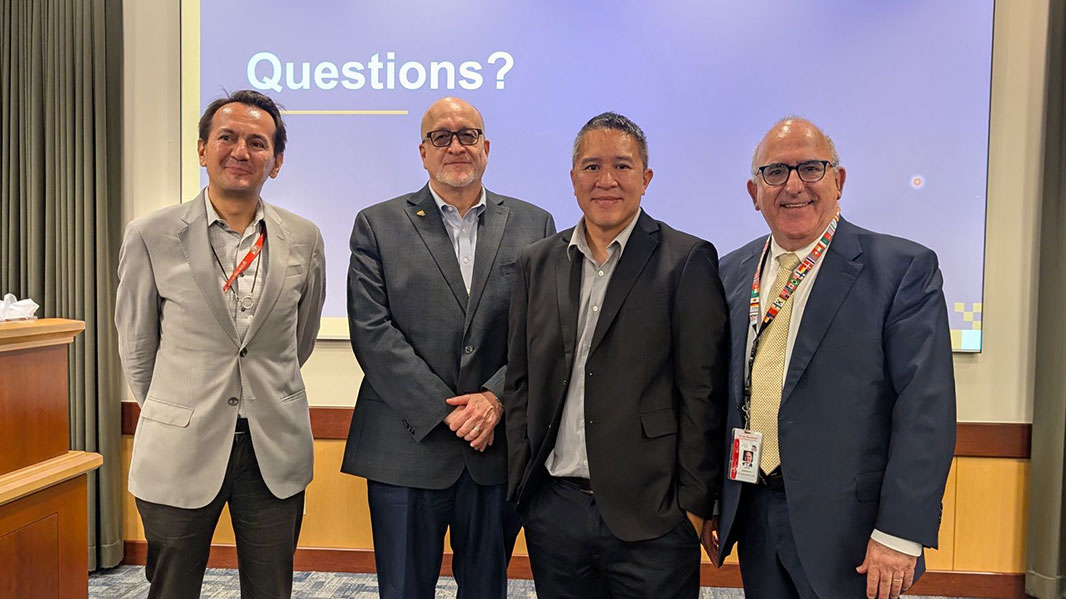
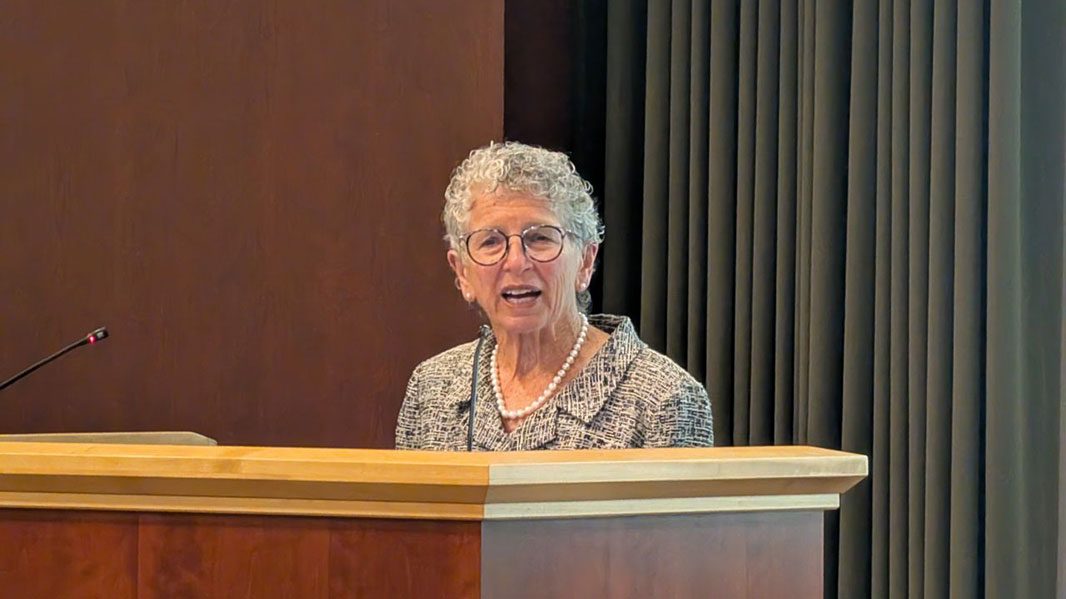
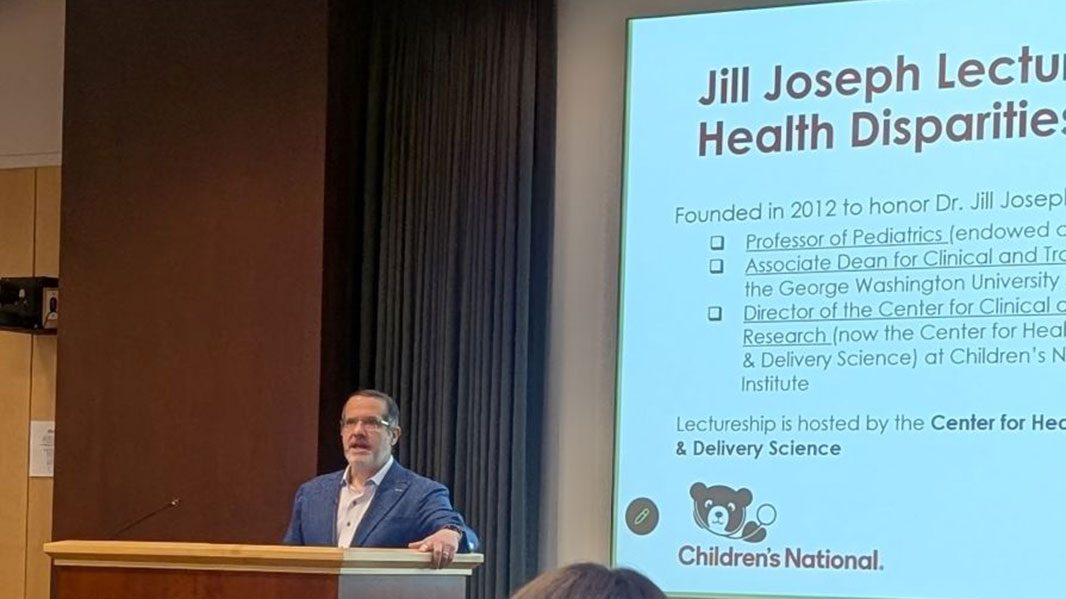
  • Jill Joseph delivers a lecture during REI Week.
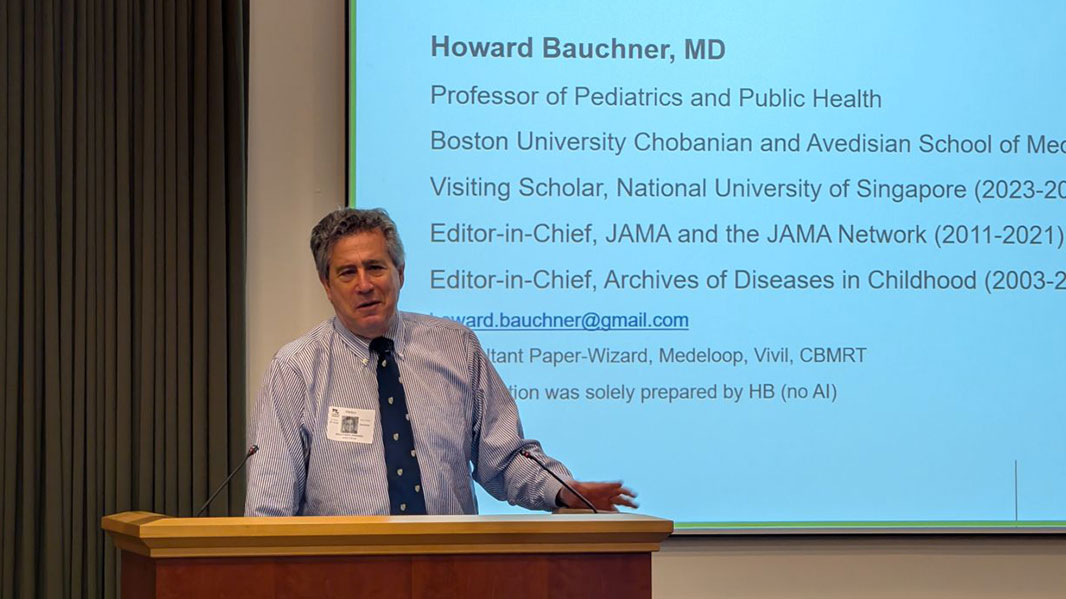
  • Howard Bauchner presents during REI Week.
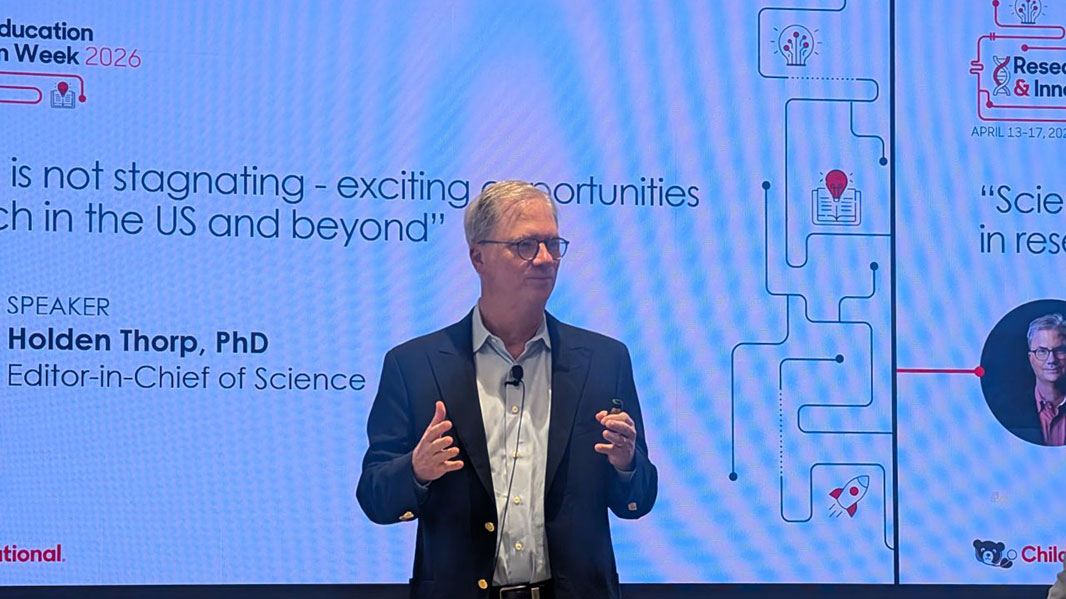
  • Holden Thorp delivers remarks during REI Week.
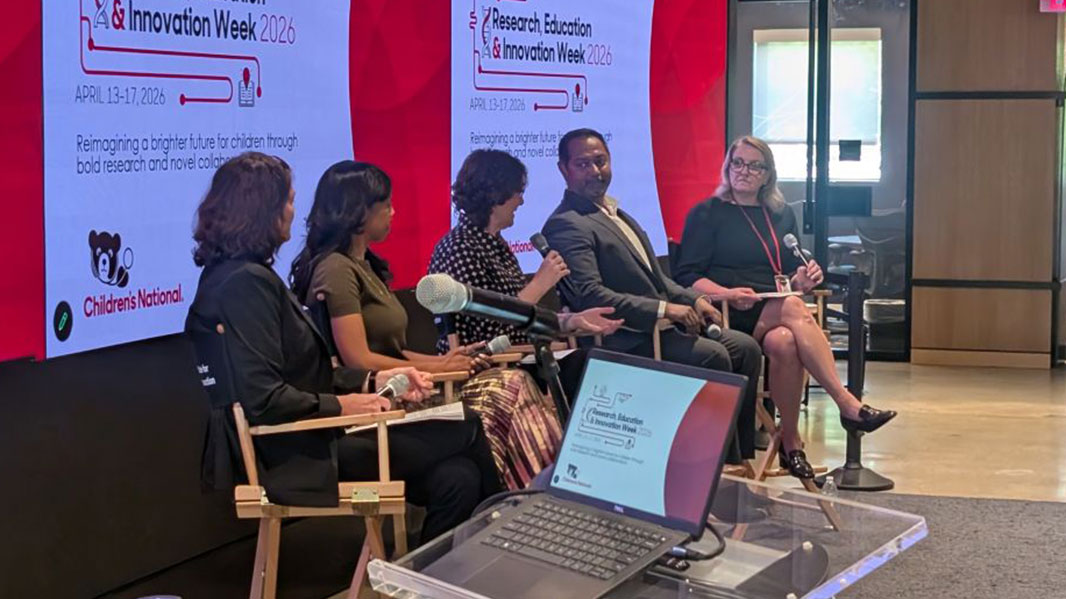
  • Panel discussion focused on drug and device development during REI Week.
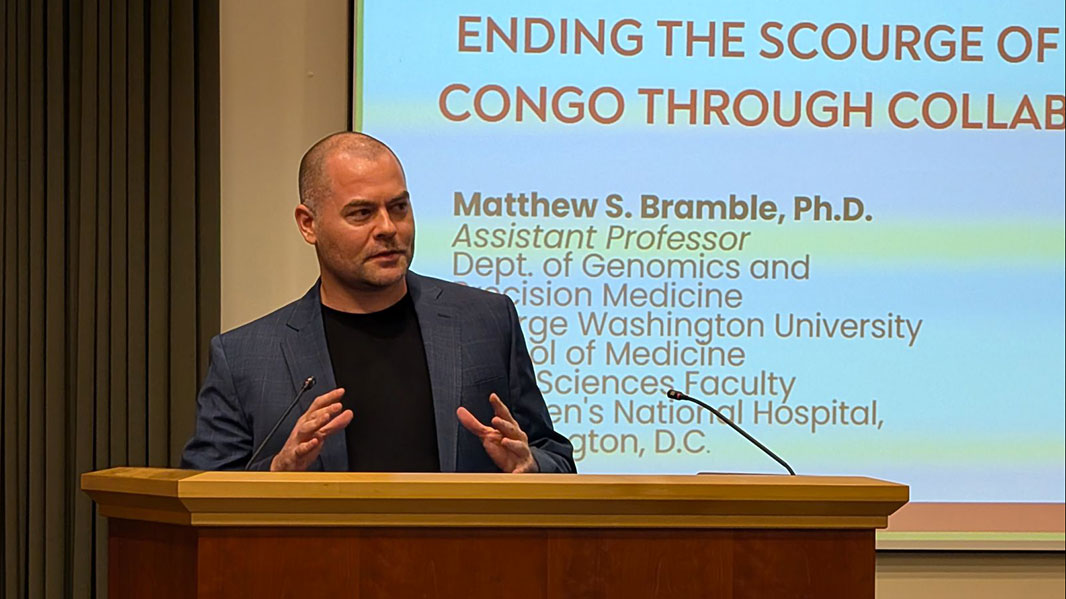
  • Matthew Bramble presents during REI Week.
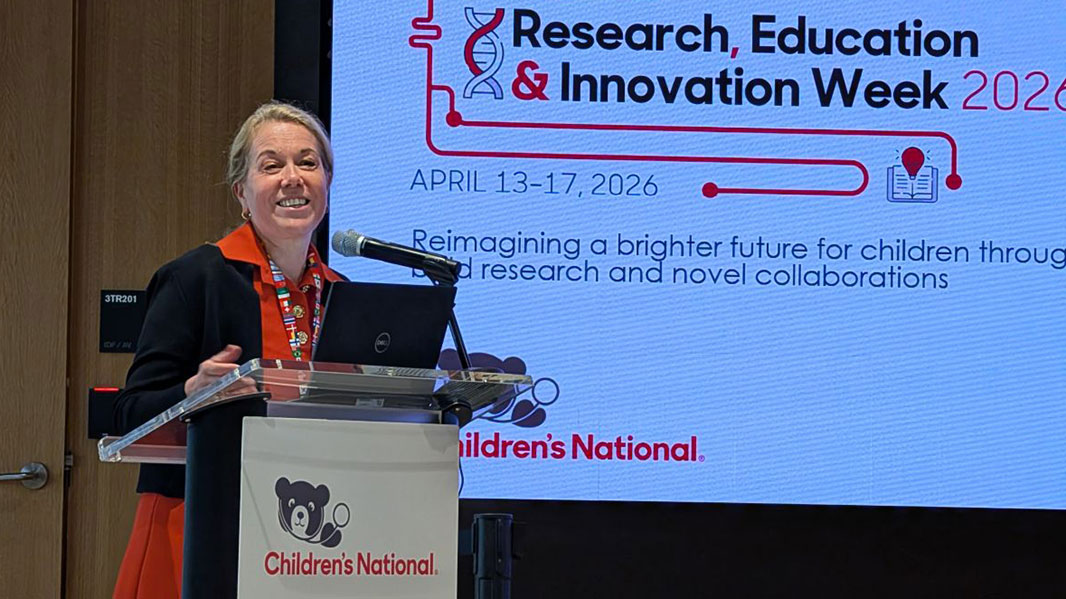
  • Catherine Bollard speaks during REI Week programming.
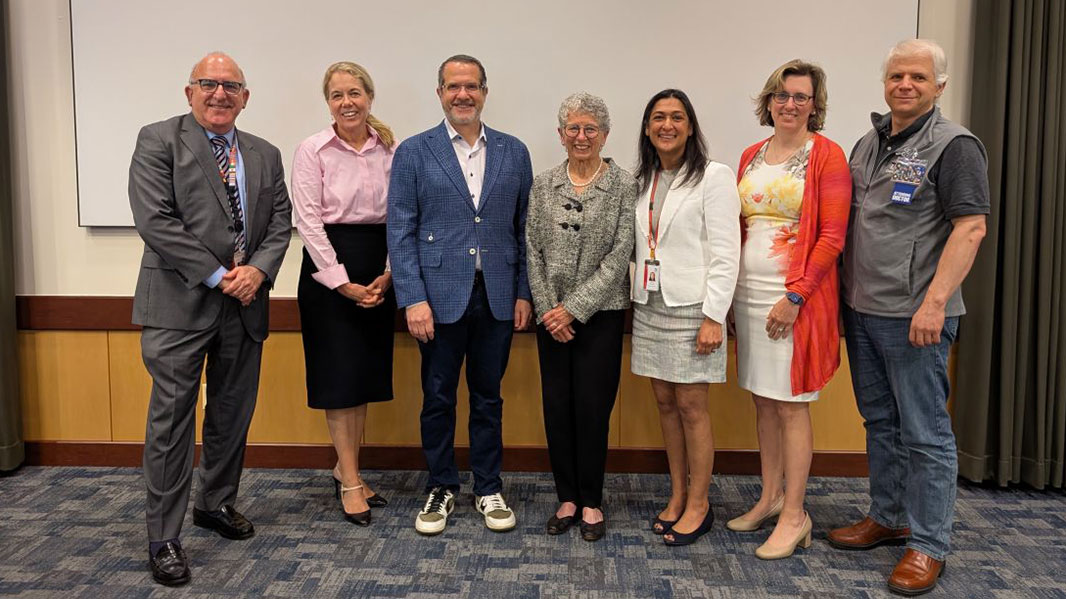
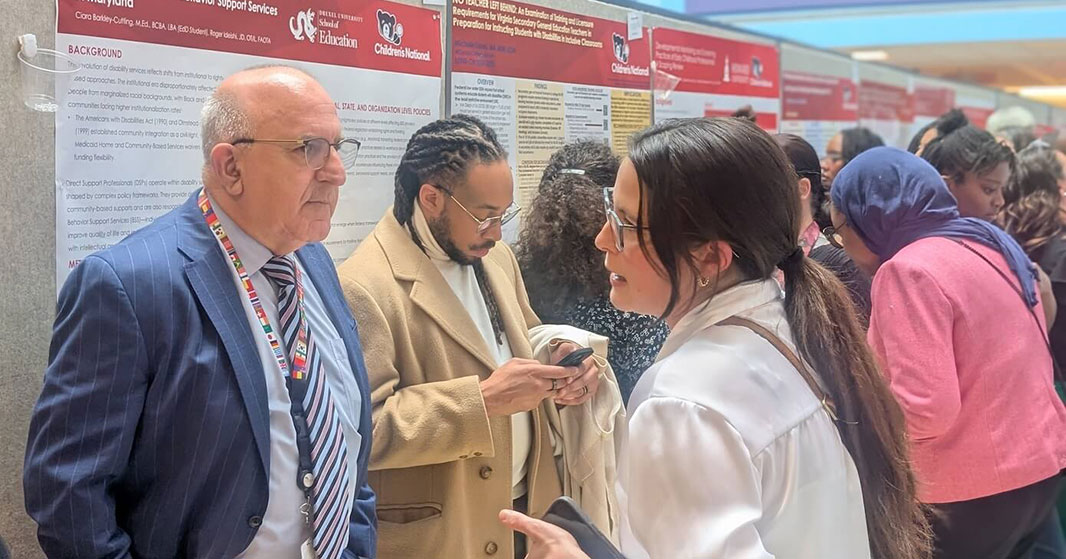
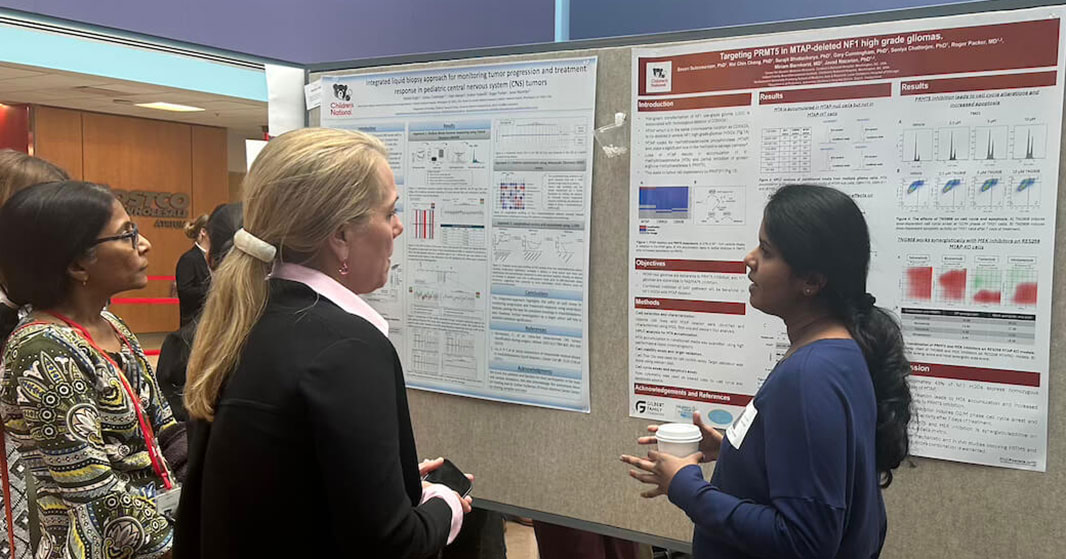
  • Nathan Kuppermann and colleagues view posters during a REI Week poster session.
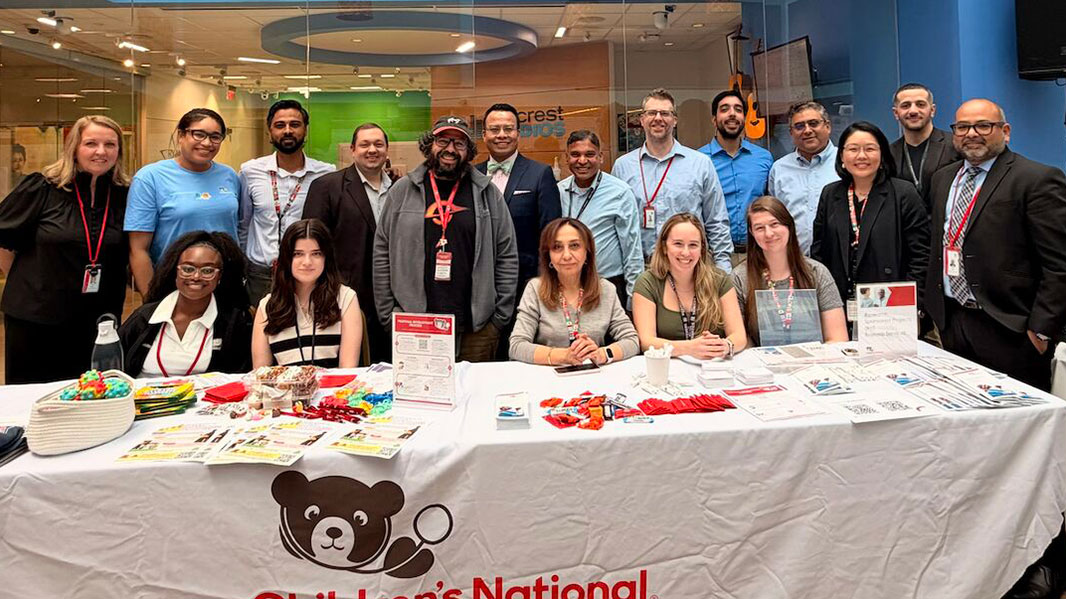
  • REI Week staff on Tuesday of the event.
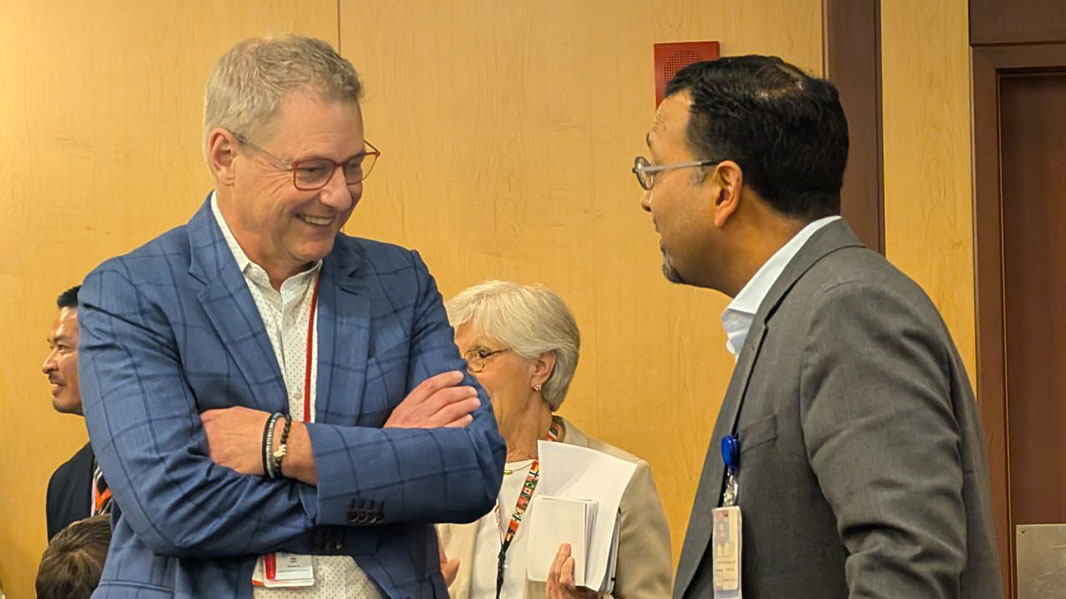
  • Attendees gather for the REI Week awards ceremony.
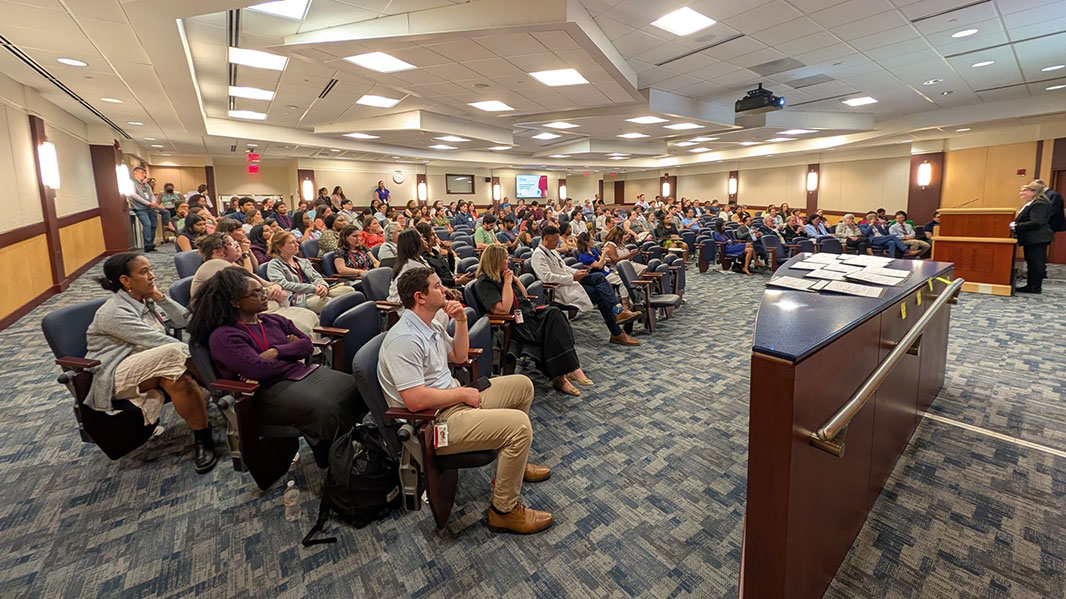
  • The auditorium during the REI Week awards ceremony.
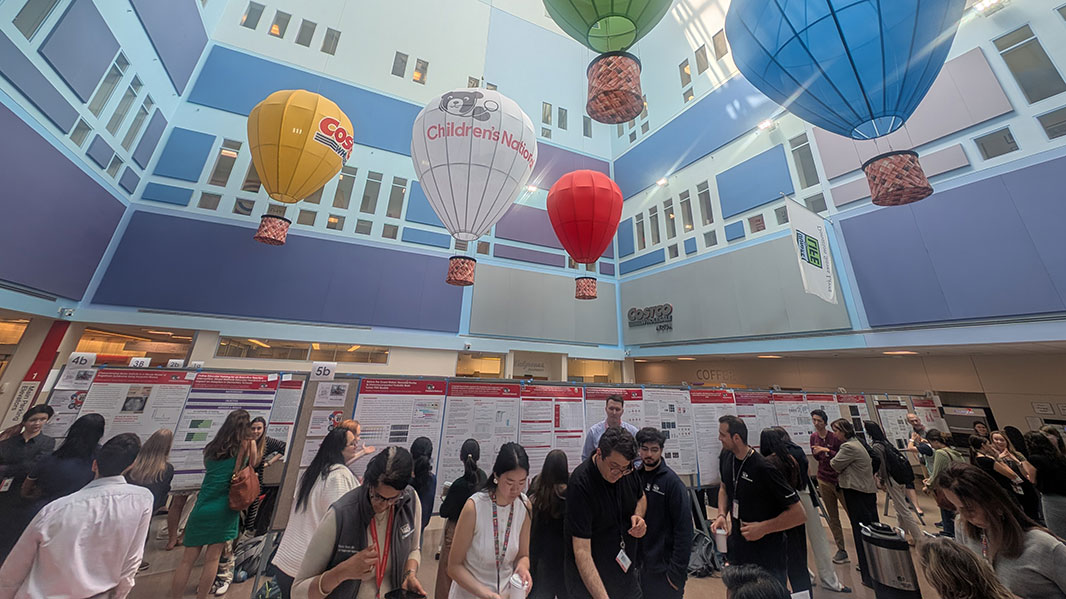
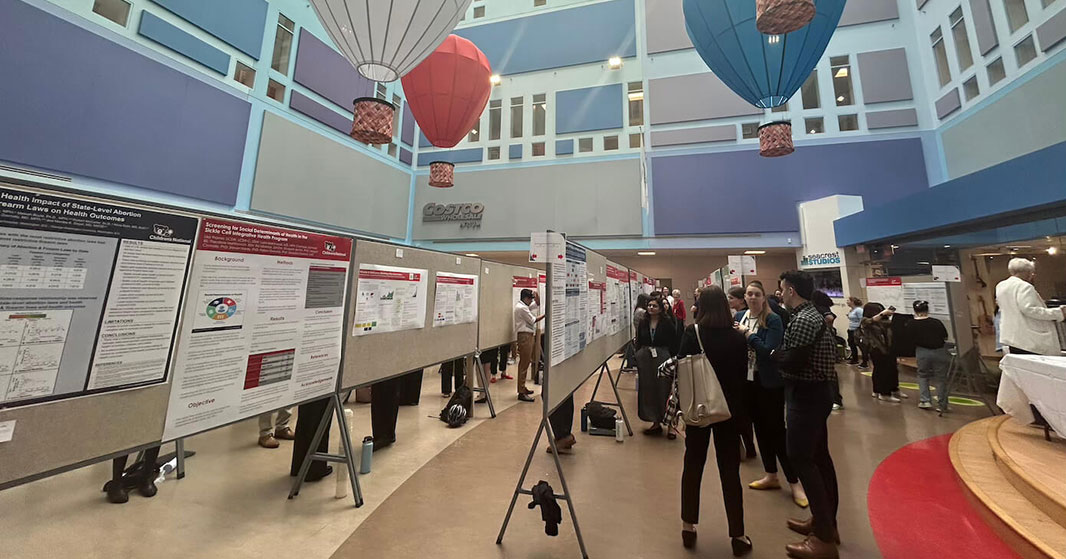
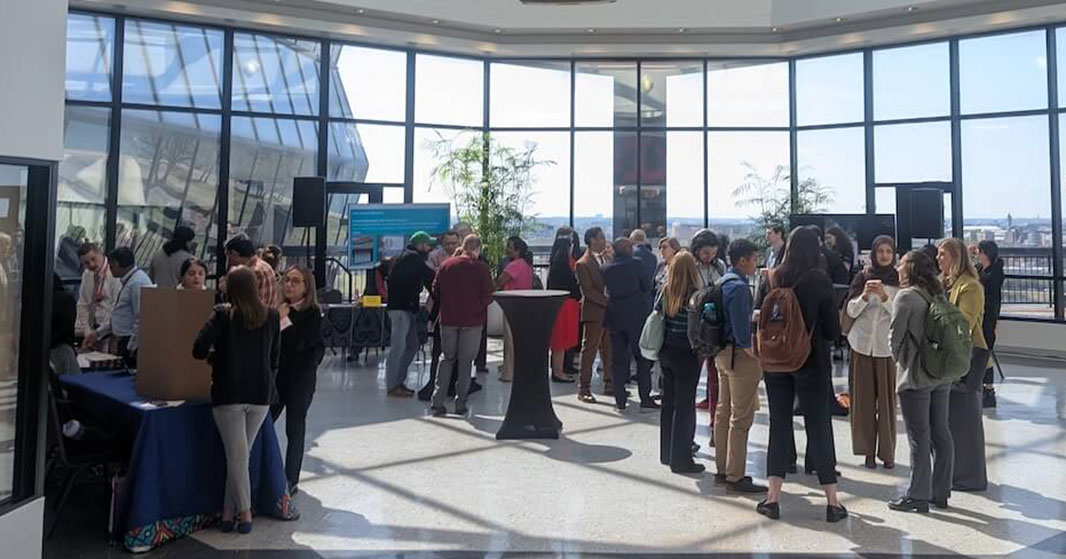
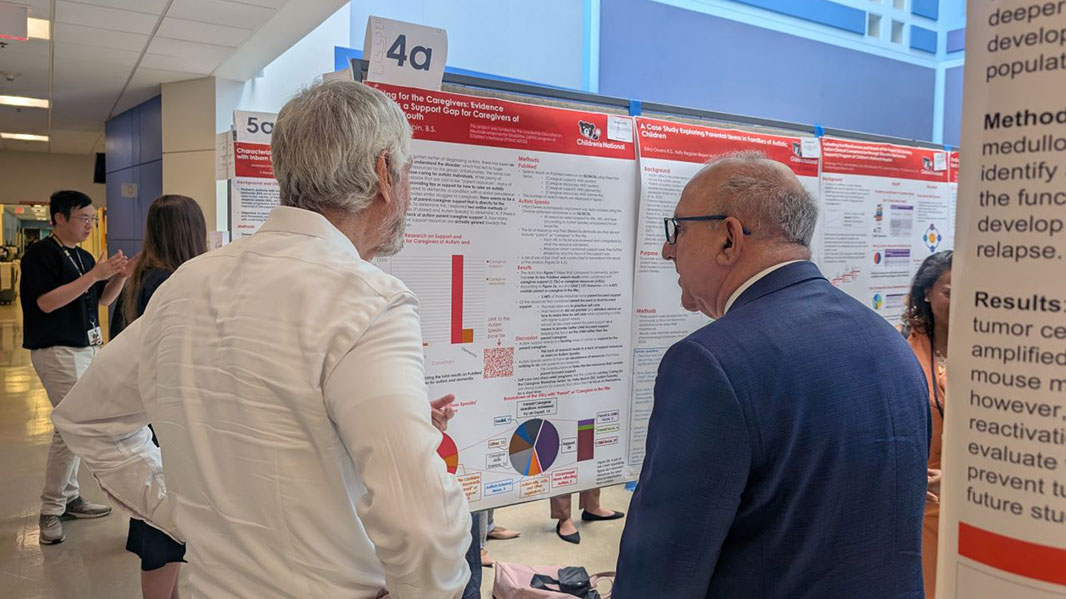
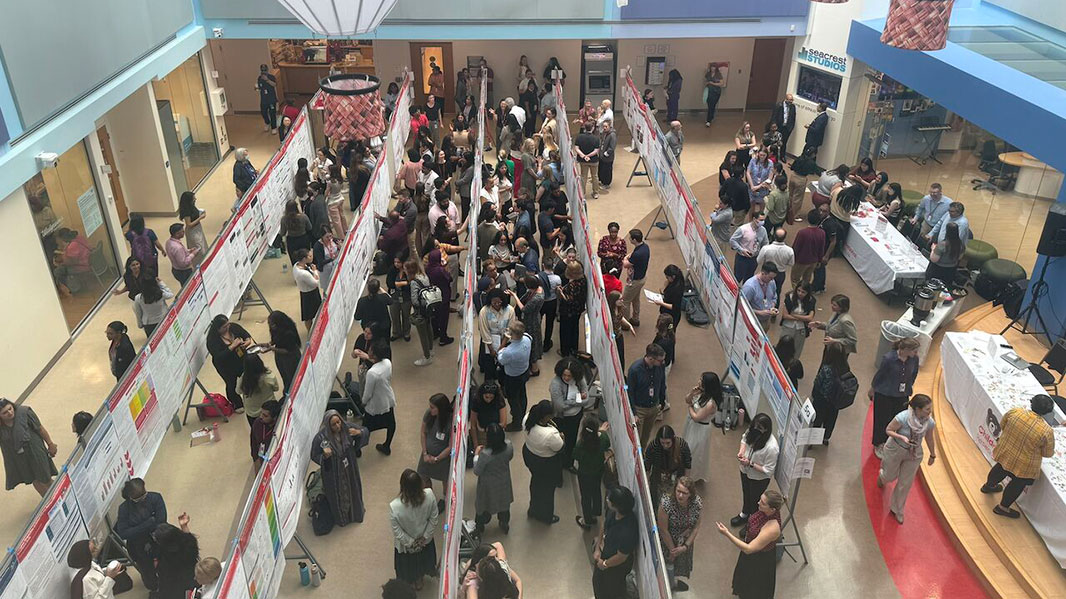
  • Poster session held on Tuesday during REI Week.
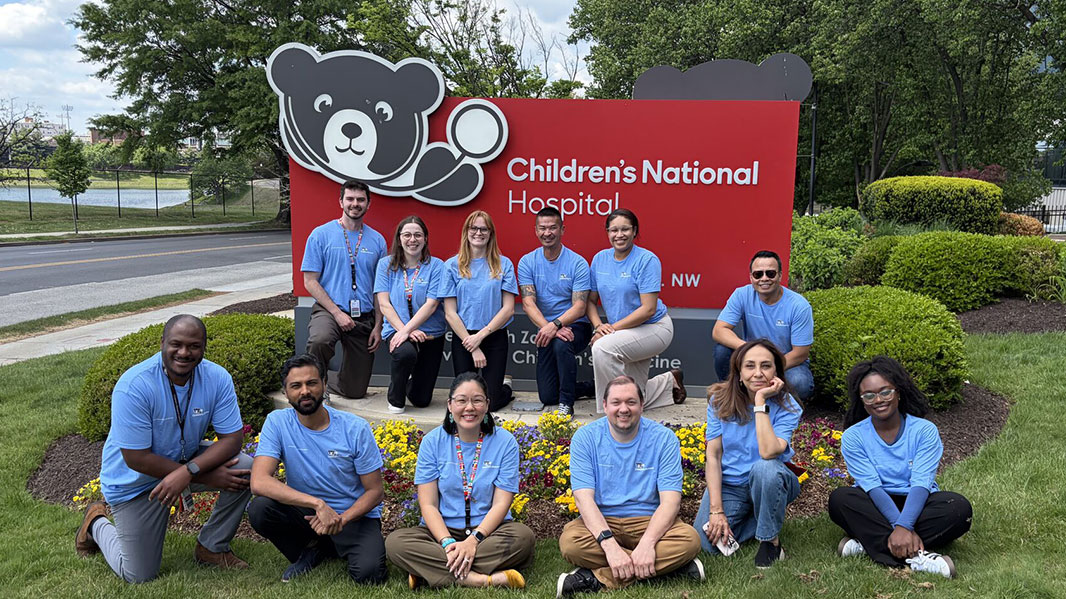
  • Members of the Academic Research Operations team during REI Week.
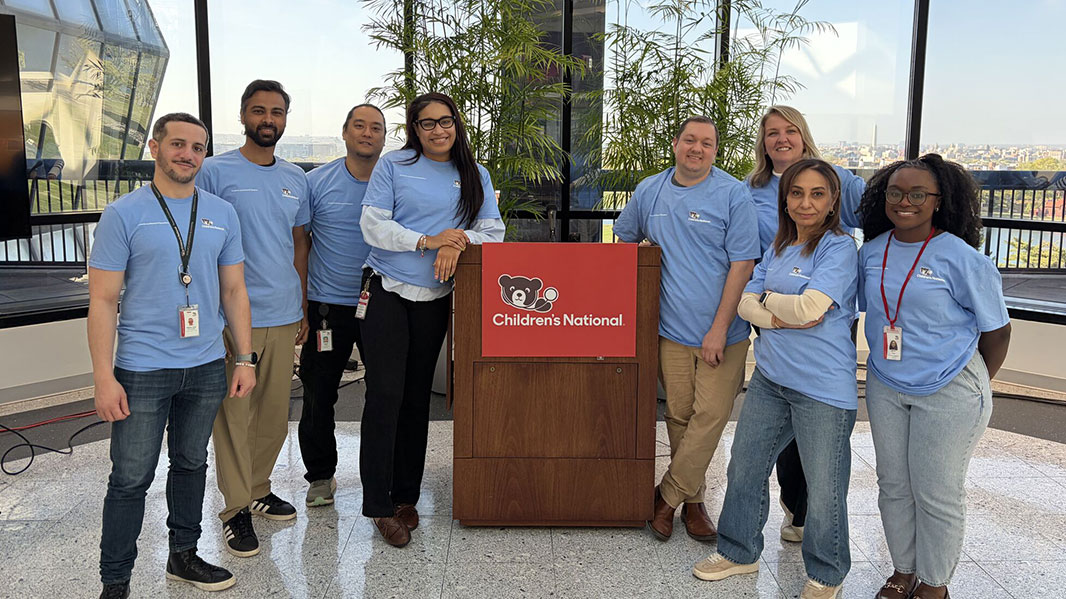
  • Members of the Academic Research Operations team at Children’s National.
  • Aaron Carroll presents during REI Week 2026.
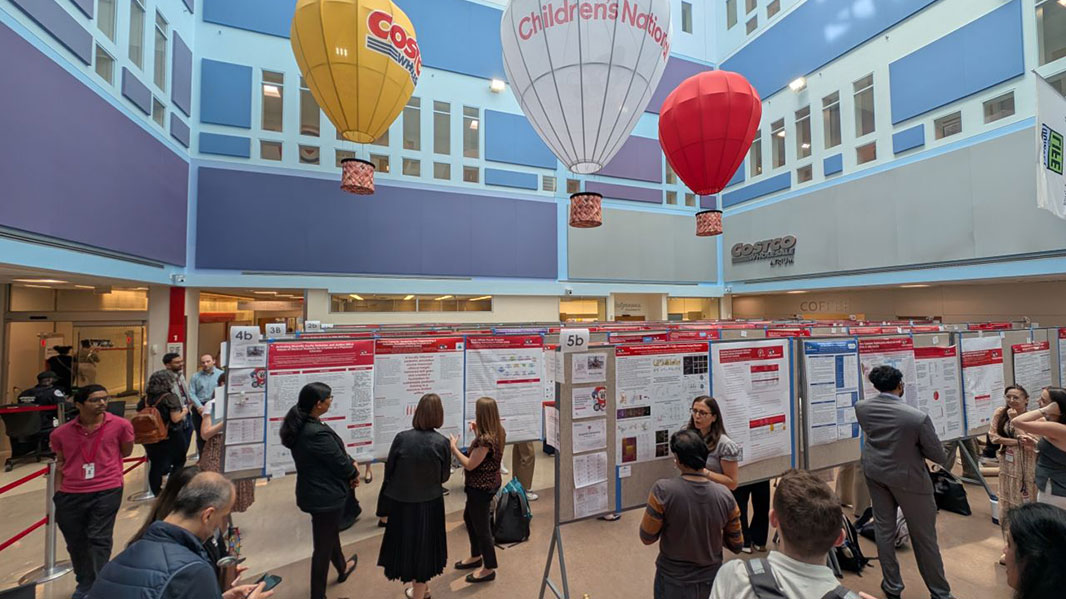
  • Poster session held on Wednesday during REI Week.
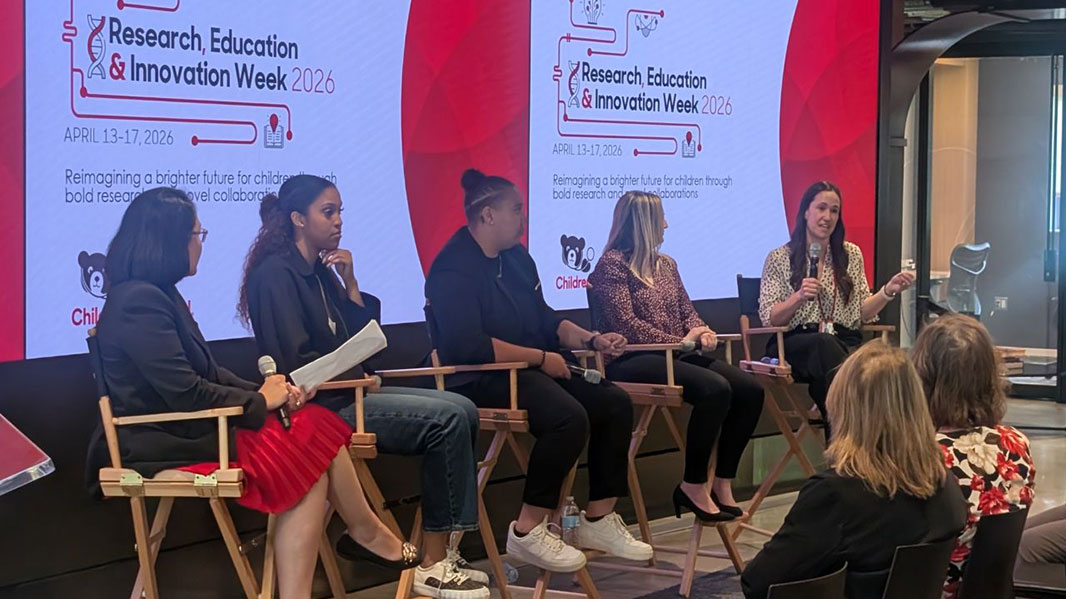
  • Panel discussion focused on media and communication during REI Week.
  • Nathan Kuppermann participates in a Safe Kids event during REI Week.
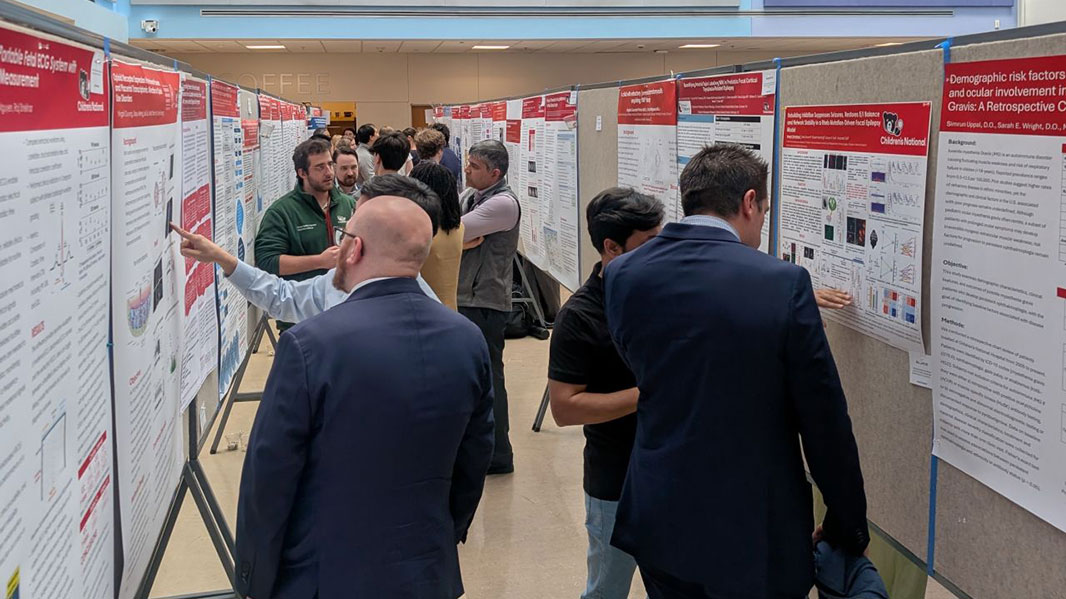
  • Poster session held on Thursday during REI Week.
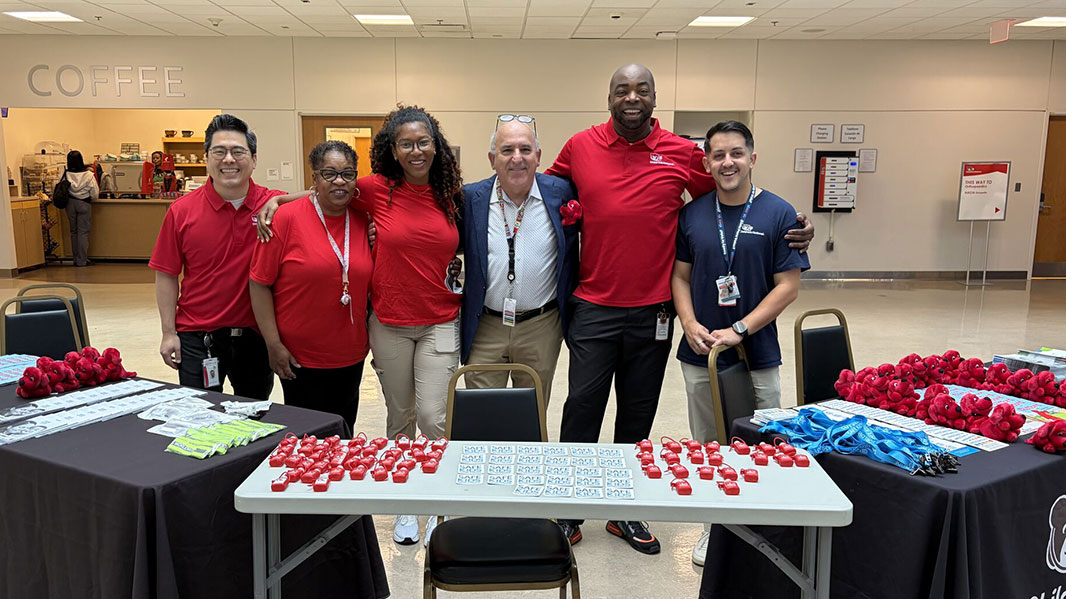
  • Research Sponsored Projects and Business Services staff with Nathan Kuppermann during REI Week.
  • REI Week staff members during the event.
  • Peter Hotez presents during REI Week.

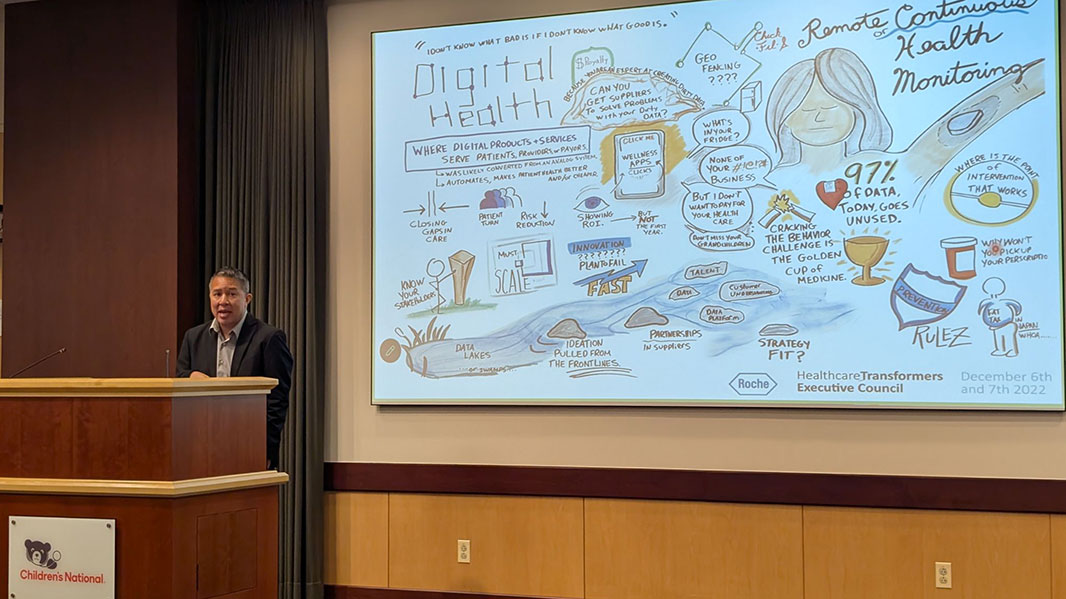
  • Nam Tran presents during REI Week.

  • Nathan Kuppermann speaks during REI Week.
For five days in April, the hallways, auditoriums and virtual platforms of Children’s National Hospital became a space for the kind of honest and necessary conversations that move pediatric science forward. Research, Education & Innovation (REI) Week 2026, held April 13–17, brought together investigators, clinicians, trainees and partners across disciplines to grapple with the theme: reimagining a brighter future for children through bold research and novel collaborations. REI Week remains a cornerstone of the institution’s academic mission 16 years in and this year’s edition made clear that progress in pediatric health demands not just discovery, but clarity of purpose and the courage to push forward.

Making the case for pediatric-first development

Innovation Day opened the week at the Research & Innovation Campus with a panel discussion on drug and device development. Panelists were clear that making pediatric drug and device development a genuine priority is essential to delivering safe, effective care.

A media and social media panel pushed researchers toward another uncomfortable question: why should anyone outside this building care about what we do? Speakers explored how to frame research so it resonates beyond academic circles, making the case that storytelling and audience awareness are not soft skills but a part of the job.

A Shark Tank-style session showcased diverse artificial intelligence (AI) project proposals aimed at advancing pediatric care and research, with teams presenting bold ideas in a competitive format.

Standing up for science and innovation

Holden Thorp, PhD, editor-in-chief of Science, set a defining tone for the week in his Monday keynote, speaking frankly about the importance of resisting external pressures and standing up for scientific integrity. His message — that science must hold its ground even when it’s difficult — echoed throughout the days that followed.

Richard Childs, MD, assistant U.S. surgeon general and scientific director of the National Heart, Lung and Blood Institute, reinforced why sustained investment matters, highlighting how resources and infrastructure at the National Institutes of Health (NIH) enable the kinds of accomplishments that transform care. Kelly Gebo, MD, MPH, dean of the Milken Institute School of Public Health at George Washington University, grounded leadership in something simpler: “Listen before acting. Stay grounded in values. Adapt to change. Explore new funding. Communicate clearly. Lead with empathy.”

A trust problem, not a knowledge problem

Midweek programming zeroed in on research communication and didn’t flinch. Howard Bauchner, MD, vice chairman of pediatrics at the Boston University School of Medicine, delivered the Larrie Greenberg Grand Rounds Lecture with a call for a cultural shift: quality, not quantity, of publications must become the norm for the research enterprise to regain credibility.

The Jill Joseph Grand Rounds Lecture with Aaron Carroll, MD, MS, president and CEO of AcademyHealth, reframed how the field thinks about science dissemination. The problem, Dr. Carroll argued, is not that the public lacks knowledge, it is that they lack trust. He urged a shift toward solutions-based research and challenged researchers to understand the difference between relative and absolute risk, noting that headlines almost always reach relative figures. If science wants to grab attention responsibly, it has to understand how attention actually works.

Peter Hotez, MD, PhD, professor of pediatrics and molecular virology and microbiology at Baylor College of Medicine, co-director of the Texas Children’s Hospital Center for Vaccine Development and dean of the National School of Tropical Medicine, brought the stakes into sharp relief in his lecture on vaccines and immunizations in an era of anti-science, describing his personal and professional journey, including writing “Vaccines Did Not Cause Rachel’s Autism”, as part of an ongoing effort to counter misinformation and advocate for the families most affected by it.

Lauren Clark, PhD, RN, FAAN, professor and Shapiro Family Endowed Chair in Developmental Disability Studies at UCLA’s Joe C. Wen School of Nursing, closed the communication thread with a pointed observation: if researchers never leave their own scientific community, they are missing the boat. She emphasized that plain language is a strategy, not a compromise.

From global health to the clinic floor

Matthew Bramble, PhD, assistant professor and data sciences faculty member at Children’s National, delivered the Global Health Sponsored Lecture on ending the scourge of Konzo in the Democratic Republic of Congo. His work in this isolated environment — where populations depend heavily on cassava — could unlock information relevant far beyond Konzo itself, potentially shedding light on diseases like ALS.

The joint Lecture on AI featured two complementary perspectives on machine learning’s growing role in care delivery. Hooman Rashidi, MD, MS, associate dean of AI in medicine, professor and endowed chair of Lombardi-Shinozuka Experimental Pathology Research at the University of Pittsburgh School of Medicine proposed a mixed approach with a human in the loop as the responsible path forward. Nam Tran, PhD, MS, professor of pathology, associate dean of biobanking and medical director of Point of Care Testing at the University of Pittsburgh, highlighted AI’s potential in austere settings, field medicine, military contexts and disaster response, where speed and limited resources put a premium on intelligent decision support.

What the abstracts reveal

This year’s poster sessions drew more than 450 abstracts spanning 46 research categories — a record number that reflects both the depth of work underway at Children’s National and the range of challenges the institution has committed to tackling. Oncology, neuroscience and neuroprotection, cancer immunology and bone marrow transplantation represented some of the largest clusters of work, with investigators exploring everything from gene therapy for beta-thalassemia to advanced neuroimaging frameworks for fetal and neonatal populations. Digital innovation, data science and AI also drew a strong showing, with studies applying machine learning to EEG-based cognitive assessment, predictive modeling and clinical decision support, reflecting the institution’s growing investment in responsible, data-driven care.

Equally notable was how questions of access and reach have woven themselves into categories that might not have carried that framing in prior years. Research on firearm violence, pathways to mental health care and the downstream effects of social conditions on pediatric outcomes appeared across multiple categories. Community research submissions highlighted school-based telehealth programs and outreach initiatives that extend Children’s National’s reach into underserved communities across the Washington region. Psychology and wellness, quality improvement and treatment compliance rounds out a body of work that asks not just what works scientifically, but who benefits and whether they can actually access what works.

Global and climate health emerged as a distinct and growing area, with submissions connecting environmental conditions to pediatric disease burden and mortality. Taken together, this year’s abstracts capture a field that is translating molecular discoveries into clinical applications, integrating technology with intention and making sure research translates to care for children who need it most.

This year’s honorees

REI Week concluded Thursday with an awards ceremony honoring outstanding contributions across research, education and innovation.

Award winners:

POSTER SESSION AWARDS

Basic & Translational Research

Faculty: Yingshi Ouyang, PhD
“Opioid Receptor Expression in the Human Placenta and Placental Transcriptomic Alterations in Opioid Use Disorders”

Postdocs/Fellows/Residents: Margaret Hines, PhD
“Understanding the Role of Cranial Mesenchyme in Neural Tube Closure”

Postdocs/Fellows/Residents: Khatereh Khorsandi, PhD
“Reprogramming the Immunosuppressive Microenvironment to Enhance CAR T‑Cell Therapy in Diffuse Intrinsic Pontine Glioma”

Staff: Zara Hasnani
“Evaluation of Virus‑Specific T Cell Immunity in Pediatric Inflammatory Bowel Disease Patients on Biologic Therapy”

Graduate Students: Elton VanNoy
“Modulating DNA Methylation During CAR T Manufacturing to Enhance Immunotherapy for Pediatric Glioma”

Graduate Students: Woudasie Admasu
“Identification of Druggable Host Factors to Prevent RSV Infection Using CRISPR‑Cas9”

High School/Undergraduate Students: Akhil Chada
“Designing of PepMLM‑Based Peptide Binders to Target Tumor‑Specific Splice Event‑Derived Proteoforms in Pediatric High‑Grade Gliomas”


Clinical Research

Faculty: Matthew Bramble, PhD
“Pathways Involving Oxidative Damage Mitigation is Likely the Biological Risk Factor for the Development of Konzo”

Postdocs/Fellows/Residents: Maria Triantafyllou, MD
“Plasma Metabolomic Signatures for Diagnosis and Risk Stratification of Pediatric Sepsis in the Emergency Department”

Staff: Pooneh Roshanitabrizi, PhD
“Synthetic Dual‑Channel Color Doppler Echocardiography for Rheumatic Heart Disease Detection in Low‑Resource Settings”

Graduate Students: Jasmine Nguyen
“The Relationship Between Cloacal Complexity and Early Vaginal Stenosis After Cloaca Repair”

Graduate Students: Maria Straker Brito, MD
“High Airway Type‑III IFN Levels by Airway Epithelial Cells are Associated with Increased Pro‑Inflammatory Cytokines Production in the Airways”

Graduate Students: Artur Aharonyan, MS
“Automating AMPs: An AI Pipeline for Generating 3D‑Printable BioAMP Plates in Unilateral Cleft Lip and Palate”

Graduate Students: Jaisimar Singh
“Mechanical versus Non‑Mechanical Bowel Management in Children with Spina Bifida: A Cross‑Sectional Comparison of Patient‑Reported Symptoms”

High School/Undergraduate Students: Medha Pappula
“Integrating Multimodal Clinical Data with Large Language Models to Predict Outcomes in Pediatric Metabolic and Bariatric Surgery”

High School/Undergraduate Students: Keertana Senthilkumar
“Diagnostic Utility of Vascular Catheter Tip Cultures”


Community‑Based Research

Faculty: Katie Donnelly, MD, MPH
“Evaluating the Propagation of Firearm Violence After an Incident Event”

Postdocs/Fellows/Residents: Brittany Fitzpatrick, MD, MPH
“Walking Towards Equity: Enhancing Pediatric Pedestrian Safety Through Data‑Driven Solutions”

Postdocs/Fellows/Residents: Krithika Iyer, PhD
“Predicting Early Cognitive Risk Using Ultra‑Low‑Field MRI Brain Volumetry and Demographic Measures in Low‑Resource Settings”

Staff: Megan Lau
“A Longitudinal Examination of Social Support as a Mechanism of Change in Executive Function in a School‑Delivered Intervention for Adolescents with ADHD”

Graduate Students: Preeyanka Rao, MPH
“Comparison of Asthma Utilizations Across Different Medicaid Insurance Plans in the District of Columbia”

High School/Undergraduate Students: Riya Mehta
“Availability and Knowledge of Naloxone Distribution in an Urban Area”


Education, Training and Program Development

Faculty: Amy Wolfe, MD, MEd
“A Missed Conversation: Spirituality as a Persistent Gap in PCCM Communication Training”

Postdocs/Fellows/Residents: Taylor Goodman, MD
“The POCUS Pathway: A Novel Point‑of‑Care Ultrasound Longitudinal Curriculum for Pediatric Residents”

Postdocs/Fellows/Residents: Jennifer Bertollo, PhD
“Online Educator Training for an Executive Function Intervention: Mixed Methods Educator Feedback and Impact on Adoption”

Staff: Tininka Rahman, MHA
“Establishing a Community Engaged Research and Training (CERT) Hub at Children’s National”

Graduate Students: Novelle Leach
“PCIT and SPACE Parenting Interventions: Are They Meeting the Needs of Young Children with Neurodevelopmental Disabilities and Their Families?”


Quality and Performance Improvement

Faculty: Jessica Lazerov, MD, MBA
“Using LEAN Methodology to Improve Immunization Reconciliation and Vaccination Rates”

Postdocs/Fellows/Residents: Maya Gibson, MD
“Evaluating Blood Product Utilization on ECMO Following Implementation of Restrictive Transfusion Strategies”

Staff: Abhijeet Parida, MS
“HOPE4KIDS: AI‑Based Webtool for Neuro‑Oncology Segmentation and Volumetrics”

Graduate Students: Benjamin Upbin
“Caring for the Caregivers: Evidence Reveals a Support Gap for Caregivers of Autistic Youth”

High School/Undergraduate Students: Safinabonu Juraeva, MPS
“Diagnosing Primary Bottlenecks in the PICU‑to‑Floor Transfer Process to Improve Transfer Efficiency”


AI SHARK TANK EVENT WINNERS
Smart AI for Environments (SAFE) Kids App
Team:
Christopher Gable, DO
Sadiqa Kendi, MD, MPH
Fatemeh Naghiloo, MArch, MPH
Pooneh Roshanitabrizi, PhD
Nishad Prakash Kulkarni, MEng
Syed Muhammad Anwar, PhD
Youness Arjoune, PhD

StrepApp: AI‑Based Strep Throat Diagnosis from Smartphone Images
Team:
Raj Shekhar, PhD
Jeffrey Dome, MD, PhD
Rana Hamdy, MD, MSCE, MPH
Youness Arjoune, PhD
Trong N. Nguyen, PhD


INAUGURAL PLANET‑POSITIVE PIONEER AWARD

Demilade Haastrup, PharmD, RPh
“Decreasing Single‑Use Plastic Within the Pneumatic Tube System During Medication Transport Through a QI Initiative”


MENTORSHIP AWARDS (16th Annual)

Translational Research
Michael Keller, MD
Panagiotis Kratimenos, MD, PhD

Clinical Research
Eleanor R. Mackey, PhD


CHU FAMILY FOUNDATION AWARD

Katherine Ottolini, MD
“BOOST‑Milk Study: Bringing Oura Optimization Support to Milk”

Kristen Johnson, MD
“Exploring the Impact of AI‑Generated Plain Language Clinical Summaries on Caregiver Understanding”


THE SUZANNE FEETHAM NURSING RESEARCH SUPPORT AWARD

Olivia Miller, MA, BCBA, LABA
“Using Video Prompting to Teach Tracheostomy Tie Changes to Caregivers”

Shripriya Mohan‑Oneill, MSN, CPNP
“Artificial Intelligence Integration into Advanced Practice Nursing”


EXPLORATIONS IN GLOBAL HEALTH PILOT AWARDS

Sarah Mulkey, MD, PhD
“Understanding Environmental and Community Factors in Children with Prenatal Zika Virus Exposure in Colombia”

Meleah Boyle, PhD, MPH and Ann Mead, MPH
“Protecting Children’s Health in Local and Global Communities Through Environmental Sustainability Education”


ELDA ARCE TEACHING SCHOLAR AWARD

John Berger III, MD
Cardiac Critical Care Medicine

Sivabalaji Kaliamurthy, MD
Child and Adolescent Psychiatry


RESEARCH RANGERS

Winner: Sebastian
Fourth‑grade patient participant in REI Research Rangers

Looking ahead at a brighter future

The conversations held during REI Week 2026 continue throughout the year. They carry forward into labs, clinics and classrooms, and ultimately into the lives of the children and families this institution exists to serve.

That dialogue also extended online through The Lead in Peds Unplugged episodes featuring notable speakers from the week and leaders at Children’s National talking about the ideas, challenges and collaborations shaping pediatric health. These conversations included Dr. Holden Thorp, Dr. Kelly Gebo, Dr. Hooman Rashidi and Dr. Nam Tran, Dr. Patrick Hanley and Dr. Matthew Bramble.

REI Week also highlighted the teams and programs that support research across its full lifecycle, with the Clinical Research Unit, Innovation and Technology Transfer Office and Research Sponsored Projects and Business Services maintaining a visible presence throughout the week to engage investigators and answer questions. Opportunities for connection extended beyond formal sessions through events such as the “global health mix & mingle”, sponsored by the Global Health Initiative, which brought participants together to engage around Children’s National’s work in local and global communities. Educational programming continued through Children’s Academy of Pediatric Educators sessions that explored how research and teaching intersect in practice, including discussions on the effectiveness of case-based teaching, pathways in medical education and the value of embracing failure as a driver of growth in academic medicine. Beyond the lecture halls, community engagement remained central, with a Safe Kids Worldwide event on Friday focused on fostering safety education and training for children and families. Supported by executive sponsors Nathan Kuppermann, MD, MPH; Catherine Bollard, MBChB, MD; Stella Ghattas, Esq; Elizabeth Wells, MD; and Cicely (CC) Brooks, DNP-ENL, MSN, RN, NE-BC, FAB, Children’s National continues to build the conditions where that kind of science can thrive.

REI Week 2027 takes place the week of April 5, and what happens between now and then matters just as much as what happens during that week. Every study advanced, every collaboration forged and every trainee who finds their footing in this community is part of the same long effort to reimagine what pediatric health can look like. That work doesn’t happen without investment in people, in ideas and in the infrastructure that turns discovery into care. If this week moved you, consider supporting what comes next.


U.S. News & World Report voting

US News 2025-26 Honor Roll badgeChildren’s National is ranked one of the top 10 pediatric hospitals in the nation by U.S. News & World Report. Our faculty and staff are proud of the impact made on the lives of children and families in our community. Your participation in the U.S. News & World Report annual reputational survey validates the quality of care we provide and reflects the mutual respect and trust we share as healthcare professionals.

How to determine your voting eligibility

Voting for the U.S. News & World Report Best Children’s Hospitals rankings can be done only through Doximity.

To participate, physicians must:

  • Be board-certified and meet the eligibility criteria for the voting categories.
  • For child and adolescent psychologists, your account must be up to date with your specialty and subspecialty correctly marked.
  • Be a credential-verified member of Doximity (you must have an active and claimed Doximity profile).
  • Have all certifications and board documents currently up-to-date in your Doximity profile.

View the full eligibility criteria

How to claim your Doximity profile to vote

  • You have to claim your profile on Doximity.com to participate in the online survey. If you have not yet claimed your Doximity profile, go to Doximity.com, and click “Find My Profile.”
  • Once your profile has been claimed, you must confirm your email address and board certifications.
  • Verified Doximity members will receive an email inviting them to participate in the U.S. News survey.
  • For more information on how to claim your profile, visit Doximity.com

How to update and verify existing Doximity account information

Your Doximity profile must have up-to-date licenses, certifications and board documents.

  • Once you are logged in, your profile will automatically be in “Edit Mode.” You are able to add new items or edit existing information.
  • Update your Doximity profile and ensure your information is current.

Once registered, users wishing to participate in the online survey should:

  • Watch for an email from Doximity about the annual member survey.
  • Even if you don’t see the email, if you are a registered Doximity user, you can still vote by logging in to Doximity.com with your username and password during the voting period.
  • Once logged in, look for a U.S. News graphic or button on the homepage and click on it.
  • The survey asks users to name the hospitals that provide the best care in your respective specialty, without consideration to location or cost. Pediatric specialists will list 10 hospitals. The order in which you list the hospitals does not matter.

Please note: Children’s National Hospital is listed as “Children’s National Hospital Washington, DC” on the survey.

Visit Doximity’s FAQs if you have issues or questions about registration or claiming your profile.

How to cast your vote

In February 2026 when voting opens, all survey-eligible physicians will receive a notification on the Doximity app for Android or iOS. If you do not use the Doximity app, you will receive an email when voting opens.

  1. Log in to your Doximity account at doximity.com or via the mobile app.
  2. Click the Notifications icon or tap the “Submit your Nominations” button on the homepage. You can also search for “U.S. News Best Hospitals”
  3. Select 10 hospitals in your respective specialty that you believe provide the best care in the United States.
  4. Submit your vote

Having technical issues?

If you have difficulty registering with Doximity or completing the survey, please visit Doximity support for assistance.

Vote

The 2026 U.S. News & World Report Best Children’s Hospitals reputation voting will open in mid-February. Look for your Doximity notification to vote.

‘Delicate’ and thoughtful approach to AVSD repair shows promise in 5-year review

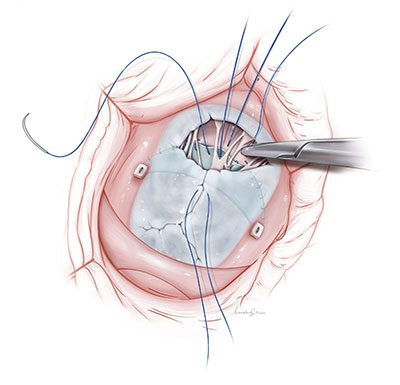
Anatomically accurate, illustrated image of atrioventricular septal defect repair

Anatomically accurate, illustrated images like this one enhance the article’s explanation of specific AVSD techniques that improve outcomes.

A five-year retrospective study of 63 complete atrioventricular septal defect (AVSD) repairs that applied a patience-filled, consistent and refined approach showed low operative mortality, reduced postoperative length of stay and low rates of readmission or reoperation at Children’s National Hospital. The approach, outlined by cardiac surgeon Aybala Tongut, MD and illustrated by medical illustrator Sofia Hanabergh, shows the artistry and technical expertise required for each patient’s unique anatomy.

Dr. Tongut writes, “Each repair is a quiet dialogue with the heart. Our role is to listen with our hands.”

What it means

“Despite the wealth of knowledge in cardiac surgery, reliable technique guidance for AVSD repair especially one that addresses tactile judgment and intraoperative variability — remains surprisingly scarce,” says Dr. Tongut in the article’s introduction. This manuscript aims to provide more detailed outlines and images that will allow other surgeons in the field to replicate the approach that applies through “delicate traction and thoughtful positioning.”

The procedure is a two-patch repair strategy emphasizing tactile feedback, valve-centric technique and “surgical humility.”

Since 2020, Children’s National cardiac surgeons performed 63 two-patch repairs. Operative mortality was 1.59%. Median postoperative length of stay among discharged patients was 10 days. Readmissions occurred in 12.7%, and reoperations in 6.3% of patients.

These outcomes show remarkable consistency for a procedure that is known for its inherently variable nature.

Children’s National leads the way

Cardiac surgeons at Children’s National are leaders in the field and constantly refining new approaches to improve outcomes for children with congenital heart disease. In addition to creating new approaches or perfecting existing ones, the team aims to disseminate evidence-based techniques as widely as possible so that every child with AVSD has the best possible chance to not only survive their congenital heart defect, but also potentially avoid additional procedures for as long as possible.

For AVSD, physicians and families should consider both short-term outcomes, as reflected in Dr. Tongut’s manuscript, but also be aware of the long-term outcomes for these repairs. Children’s National is one of the only children’s hospitals in the U.S. to publish long-term outcomes for some of the most common cardiovascular surgeries performed at the institution.

Read the article, A Surgeon’s Reflection on the Refined Two-Patch Technique for Complete Atrioventricular Septal Defect Repair, in the journal Operative Techniques in Thoracic and Cardiovascular Surgery.

The best of 2025 from Innovation District

2025 with a lightbulb instead of a zero

In 2025, Innovation District readers gravitated toward stories that explored how research and clinical innovation are reshaping pediatric care in real time. This year’s most popular articles highlighted advances in complex surgical care, evidence-based treatments for chronic and neuropsychiatric conditions and emerging technologies — from wearable data to artificial intelligence — that are changing how clinicians diagnose, treat and support children and families. Read on for our list of the most popular articles we published on Innovation District in 2025.

1. Life-changing care: How Children’s National tackles pediatric cervical spine injuries

The Cervical Spine program at Children’s National Hospital is responsible for treating a range of conditions, including trauma, congenital abnormalities and tumors. These conditions can lead to instability or misalignment of the cervical spine. “There are unique challenges in pediatric cases due to anatomical differences. The cervical spines of children are more at risk for injury because of their developmental stage and structural characteristics,” says Matthew Oetgen, MD, MBA, chief of Orthopaedic Surgery and Sports Medicine at Children’s National.
(2 min. read)

2. Pioneering evidence-based treatments for substance addictions

Increasing evidence-based treatment is a key component of the Addictions Program at Children’s National Hospital, created in 2022 and led by Sivabalaji Kaliamurthy, MD. “We really want to focus on intervening in an evidence-based manner in the primary care setting because that is where most of our patients are going to first access care outside of the emergency room,” explains Dr. Kaliamurthy.
(3 min. read)

3. Breaking barriers in growth disorder treatment for families

For many children with short stature and other rare genetic growth disorders, there have been no next steps after usual treatment options prove ineffective. Researchers at Children’s National Hospital are digging deeper to find the root genetic causes of short stature disorders and creating novel, nuanced treatment options that have the opportunity to change how the field approaches these cases.
(4 min. read)

4. The link between metabolic acidosis and cardiovascular disease in children with CKD

Denver D. Brown, MD, nephrologist at Children’s National, is looking at whether untreated metabolic acidosis could potentially contribute to cardiovascular outcomes in children with chronic kidney disease (CKD). Here, she explains her motivation, findings and future directions for this critical research.
(3 min. read)

5. Therapy approach shows promise for PANS/PANDAS

A multidisciplinary therapy model developed at Children’s National shows promise for children with PANS and PANDAS, significantly reducing symptoms through structured cognitive-behavioral therapy and family-centered care. The approach could offer a new standard for treating these rare, complex neuropsychiatric disorders.
(2 min. read)

6. Wearable tech data shows promise in ADHD detection

A study from Children’s National reveals that common wearable devices like Fitbits may hold the key to improving how we identify Attention-Deficit/Hyperactivity Disorder (ADHD) in adolescents. By analyzing patterns in heart rate, activity levels and energy expenditure, researchers were able to predict ADHD diagnoses with striking accuracy, offering a glimpse into a future where objective, real-time data supports earlier and more personalized mental healthcare.
(2 min. read)

7. Novel pediatric pacemaker shows safety, effectiveness for fragile infants in multi-center study

A novel implantable pacemaker designed specifically for infants has demonstrated safety and effectiveness in stabilizing heart rhythms for at least two years. The multi-center study of 29 infants showed stable pacing, normal electrical parameters and expected battery life, offering a viable alternative to standard-size devices for the smallest children.
(2 min. read)

8. Socioeconomic disadvantage associated with higher long-term mortality for children after heart surgery

Children who had heart surgery and come from less advantaged neighborhoods in the Washington, D.C., region are much more likely to die in the long term than those from neighborhoods with more wealth and opportunity. The finding was part of a presentation titled, Socioeconomic Disadvantage Is Associated with Higher Long-Term Mortality After Cardiac Surgery, by Jennifer Klein, MD, MPH, cardiologist at Children’s National Hospital, during the Society of Thoracic Surgeons Annual Meeting in Los Angeles.
(2 min. read)

9. Children’s National brings AI into the RHD early diagnosis equation

Experts from Children’s National traveled to Uganda to continue work on a pilot program applying artificial intelligence (AI) to the diagnosis of rheumatic heart disease (RHD). The team created a tool that uses AI to predict RHD by identifying leaky heart valves on handheld ultrasound devices, then prompts a referral for a full echocardiogram.
(2 min. read)

10. Fighting food insecurity with fresh produce and education

Food insecurity is rising in Washington, D.C. and it’s hitting families with children the hardest. That’s why Children’s National Hospital created the Family Lifestyle Program (FLiP) – a multi-layered intervention, which offers Patient Navigation (FLiP-PN) and a Produce Prescription Intervention (FLiPRx). FLiP is a Food Is Medicine, clinical-community initiative that helps families get access to fresh food, build healthy habits and lower their risk of diet-related diseases like diabetes and obesity.
(3 min. read)

Children’s National in the News: 2025

collage of news outlet logosIn 2025, Children’s National Hospital was featured in major national news outlets for pioneering advances in pediatric care, groundbreaking clinical research and powerful human stories of healing and hope. From gene therapy for sickle cell disease and innovative pacemakers for newborns to breakthrough transplants, cancer trials and emerging mental health concerns like AI psychosis, these stories highlight the hospital’s leadership across the full spectrum of pediatric medicine. The following ten highlights showcase the patients, families and experts behind this impact, as reported by outlets including NBC News, The Washington Post, Good Morning America, USA Today, Healio, ABC News and ESPN.


1. Gene therapy treatment gives new hope to sickle cell patients

Children’s National patient Wedam, 19, begins the first steps for intensive gene therapy for sickle cell disease, discussing his skepticism while his mother expresses her joy and gratitude for the treatment. (NBC News)

2. Little pacemakers ‘reliable’ in stabilizing newborns needing pacing

Charles Berul, MD, pediatric electrophysiologist and emeritus chief of Cardiology, discusses his study highlighting the safety and efficacy of an innovative smaller pacemaker designed for newborns with critical congenital heart disease. (Healio)

3. Why this clinical trial is offering some young cancer patients hope

Catherine Bollard, MBChB, MD, senior vice president and chief research officer, and the NexTGen team are poised to recruit patients for a new clinical trial that will take on an old, implacable foe: children’s solid tumors. (The Washington Post)

4. 11-year-old receives living donor heart valve to replace artificial one in breakthrough surgery

Yves d’Udekem, MD, PhD, chief of Cardiac Surgery, talked to Good Morning America about how an 11-year-old’s groundbreaking partial heart transplant will change his life and the lives of other children in need of valve replacements. (Good Morning America)

5. 9-year-old fights brain cancer with magic in her heart

The Lilabean Foundation along with Brian Rood, MD, medical director of the Brain Tumor Institute, talked about how patients like Kasey Zachman are the motivation behind finding a cure for brain cancer. (ABC News)

6. How Little League helps father-son duo recover from kidney transplant

USA Today Sports spoke with Gavin Brown and his parents, as well as Yi Shi, MD, a pediatric nephrologist at Children’s National Hospital, about their kidney transplant journey. (USA Today)

7. Jayden Daniels surprises Children’s National patient

After Jayden Daniels visited Commanders fan Sarah Addison at Children’s National Hospital while she was being treated for myeloid leukemia, they quickly became friends. (ESPN)

8. At D.C. children’s hospital, opera singers offer light, hope and healing

International opera stars performed for children, their families and employees at Children’s National Hospital. (The Washington Post)

9. ‘Gift of life:’ Tiny heart transplant saves life of Maryland baby

A baby boy in Maryland is back home after being given a second chance at life, just before his first birthday. The boy’s mother and his surgeon, Manan Desai, MD, share the remarkable story of a moment that changed all of their lives. (NBC4)

10. AI psychosis: Kids left delusional and paranoid over conversations with chatbots

Ashley Maxie-Moreman, PhD, clinical psychologist, spoke to ABC7 about what AI psychosis is and what parents need to know. (ABC7)

New NIH grant boosts research team leadership training for biomedical leaders

young scientists in a lab

The initiative will train early-career biomedical researchers in leadership, mentorship, and team science to strengthen collaboration and innovation.

Modern biomedical breakthroughs depend on teamwork. From decoding genetic disorders to developing next-generation therapies, success rarely happens in isolation. Yet most research training still focuses on scientific skills, not on the skills needed to build and lead collaborative teams.

To close that gap, the National Institutes of Health (NIH) has awarded $2.7 million over five years to the Children’s Research Institute at Children’s National Hospital to launch the TEAMS Program — short for “Together Everyone Achieves More in Science.” C0-led by Beth A. Tarini, MD, MS, MBA, co-director of the Center for Health Outcomes Research & Delivery Science, the program will train early-career biomedical researchers to assemble, lead and retain high-performing research teams.

This program blends evidence-based leadership development with real-world collaboration skills. Participants will learn how to build research teams that are not only scientifically rigorous but also cohesive and resilient. The program combines principles from organizational management, mentorship and team science to equip participants to lead effectively in an increasingly complex research environment.

Funded through the NIH’s Innovative Programs to Enhance Research Training (R25) mechanism, the program will train five national cohorts of early-career biomedical researchers. Along with Dr. Tarini, the program will be co-led by Dr. Margaret Ormiston, associate professor, The George Washington University School of Business, and Dr. Nathan A.  Smith, associate dean for research mentorship and associate professor of Neuroscience at the University of Rochester School of Medicine and Dentistry, leveraging each institution’s strengths in team science and organizational leadership.

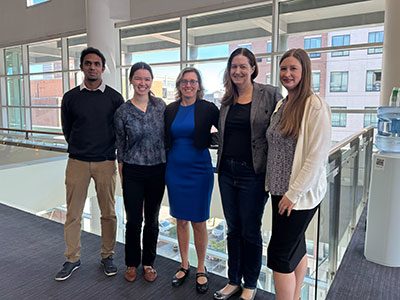
Thevaa Chandereng, PhD, Kelly Christensen, Beth Tarini, MD, Tara Lavelle, PhD, Anne Atkins

Left to right: Thevaa Chandereng, PhD (Assistant Professor of Biostatistics), Kelly Christensen (Data Manager), Beth Tarini, MD, Tara Lavelle, PhD (Assistant Professor of Medicine, Tufts University School of Medicine), Anne Atkins (Program Manager)

“Science today is a team sport — and so was the creation of this program,” said Dr. Tarini. “The idea grew out of taking Dr. Ormiston’s class on team leadership and wondering how those lessons could be applied to science, while also building on Dr. Smith’s expertise in mentoring the next generation of researchers.”

Dr. Smith added, “This grant will address a critical gap in graduate education: training in lab management and mentorship. By equipping the next generation of scientists with these essential skills, we can revolutionize biomedical research training.”

Strengthening the research workforce requires more than funding projects. It requires investing in people and the environments where discovery happens. By teaching scientists how to lead high-performing teams, the program aims to transform how biomedical research is done.

With NIH support, Children’s National is redefining what leadership in science looks like: collaborative and team driven. “Our goal is to equip researchers with the skills to build the teams that make discovery possible,” said Dr. Tarini. “That’s how we create a more connected, innovative and resilient research community.”

Children’s National Hospital once again ranked among the nation’s best by U.S. News & World Report

US News badgesChildren’s National Hospital in Washington, D.C., was ranked as a top hospital in the nation by the U.S. News & World Report 2025-26 Best Children’s Hospitals annual rankings. This marks the ninth straight year Children’s National has made the Honor Roll list. The Honor Roll is a distinction awarded to only 10 children’s hospitals nationwide.
For the fifteenth straight year, Children’s National ranked in 10 specialty services and is the highest U.S. News ranked children’s hospital in Washington, D.C., Maryland and Virginia. Last year, U.S. News introduced pediatric & adolescent behavioral health as a service line in its rankings. While there are no ordinal rankings for behavioral health, the Children’s National program was named one of the top 50 programs in the country for the second year in a row.

“To be named among the nation’s top children’s hospitals for nine years in a row is a reflection of the extraordinary expertise, innovation and heart that our teams bring to every child and family we serve,” said Michelle Riley-Brown, MHA, FACHE, president and chief executive officer of Children’s National. “Our leadership in specialties like neurology, cancer, and diabetes and endocrinology underscores the national impact of our work, and we remain focused on setting new standards in pediatric care.”

The annual rankings are the most comprehensive source of quality-related information on U.S. pediatric hospitals and recognizes the nation’s top 50 pediatric hospitals based on a scoring system developed by U.S. News.

“Being a top-ranked pediatric hospital means more than just excelling in a single specialty — it means being a pillar of outstanding care for your entire region,” said Ben Harder, chief of health analysis and managing editor at U.S. News. “Our rankings acknowledge these hospitals for their comprehensive excellence, helping families find the very best care conveniently located within their state and community.”

The bulk of the score for each specialty service is based on quality and outcomes data. The process includes a survey of relevant specialists across the country, who are asked to list hospitals they believe provide the best care for patients with the most complex conditions.

The Children’s National specialty services that U.S. News ranked in the top 10 nationally are:

The other six specialties ranked among the top 50 are Behavioral Health, Cardiology and Heart Surgery, Gastroenterology and GI Surgery, Neonatology, Pulmonology and Lung Surgery, and Urology.

Cardiomyopathy, single ventricle anatomy patients have highest unplanned readmission risk

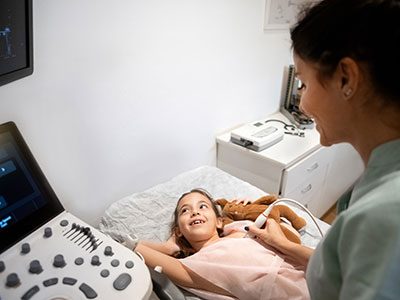
girl getting an echocardiogram

In general, cardiac patients have one of the highest unplanned readmission rates (12%) after going home.

Patients with the heart muscle disease cardiomyopathy and those with single ventricle anatomy are most likely to have an unplanned readmission to the hospital within 30 days of their initial discharge, according to a study published in Pediatric Cardiology.

The study was led by cardiology fellow Michael He, MD, with support from pediatric cardiologists at Children’s National Hospital, including Ashraf Harahsheh, MD, who served as senior author.

What it means

The single center retrospective cohort study reviewed 1,848 hospitalizations that included 223 unplanned readmissions within 30 days of discharge. The authors sought to identify whether directly discharging patients from the Cardiac Intensive Care Unit (CICU) had an impact on readmissions. Typically, cardiac patients are “stepped down” to an acute care inpatient cardiology unit, the Heart and Kidney Unit (HKU) at Children’s National, prior to discharge. When census is high in the HKU, however, some patients can be sent home directly from the CICU.

The analysis showed no connection between CICU-based discharge or HKU-based discharge, but the authors found several other factors that made unplanned readmission more likely:

  • Single ventricle anatomy
  • Chromosomal anomaly
  • Cardiomyopathy
  • Tube feeding
  • Increased length of initial stay

Why it matters

In general, cardiac patients have one of the highest unplanned readmission rates (12%) after going home. A deeper dive into the unplanned readmission rates for this group can help care providers identify gaps in discharge instructions and other areas for quality improvement initiatives. The overall goal for these studies is to identify ways to decrease return rates to the hospital for this fragile patient population.

What’s next

The study authors note that multi-center studies of unplanned readmissions would be beneficial to determine if these findings are limited to the specific population mix at Children’s National or if they are somewhat consistent across care centers.

They also recommend that quality improvement initiatives be targeted at patient groups with the highest risk of unplanned readmission, especially those with cardiomyopathy, single ventricle anatomy or those admitted for medical care. The lower unplanned readmission rates for surgical care patients may be due in part to decades of quality improvement initiatives and processes focused on surgical patients, the authors note. “Centers should strive to adapt these processes to medical admissions as well.”

Care providers should also take particular care when assessing discharge readiness and post discharge planning for patients requiring tube feeding and those with chromosomal abnormalities and syndromes, who also had higher risks for unplanned readmissions.

“Our study hopes to lay the foundation for both local and multi-center outcome initiatives to further better the health of our patients,” the authors write.

Read the full study, “Patient Characteristics Associated with 30-Day Readmission to a Pediatric Cardiac Center,” in Pediatric Cardiology.

Other authors from Children’s National include: Maria‑Theresa Balbin, Janet Kreutzer, Jenhao J. Cheng, Janika Peyasena, Lisa Hom, Mary Morgan, Tracy Baust and Yuliya Domnina, MD, medical director for quality and safety in the ICU.


Children’s National Hospital at the 2025 American Academy of Pediatrics meeting

AAP 2025Children’s National Hospital affiliates will participate in this year’s American Academy of Pediatrics National Conference & Exhibition, taking place in Denver, Colorado, from September 26-30. Below is a schedule of sessions led by professionals from Children’s National:

Allison Markowsky, MD, MSHS, FAAP, attending physician and associate chief for Community Hospital Medicine programs
S2433: What’s Trending in the Newborn Nursery: Controversies and Evidence
Saturday, September 27, 2025
5:30-6:30 PM EDT/EST 

Dennis Ren, MD, pediatric emergency medicine physician
H0226: Section on Emergency Medicine Program: Day 2
PEM Hot Topic, EmergiQuiz, PEMPix and State of the Section Awards
Saturday, September 27, 2025
10:30 AM-7:30 PM EDT/EST

Natasha Shur, MD, medical geneticist
S2324: Genetic Testing Boot Camp
Saturday, September 27, 2025
4:00-5:00 PM EDT/EST

To view the full schedule along with options to join sessions virtually, please visit the AAP conference website.

Children’s National earns URAC accreditation in specialty pharmacy

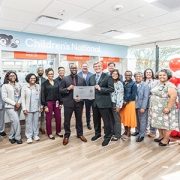
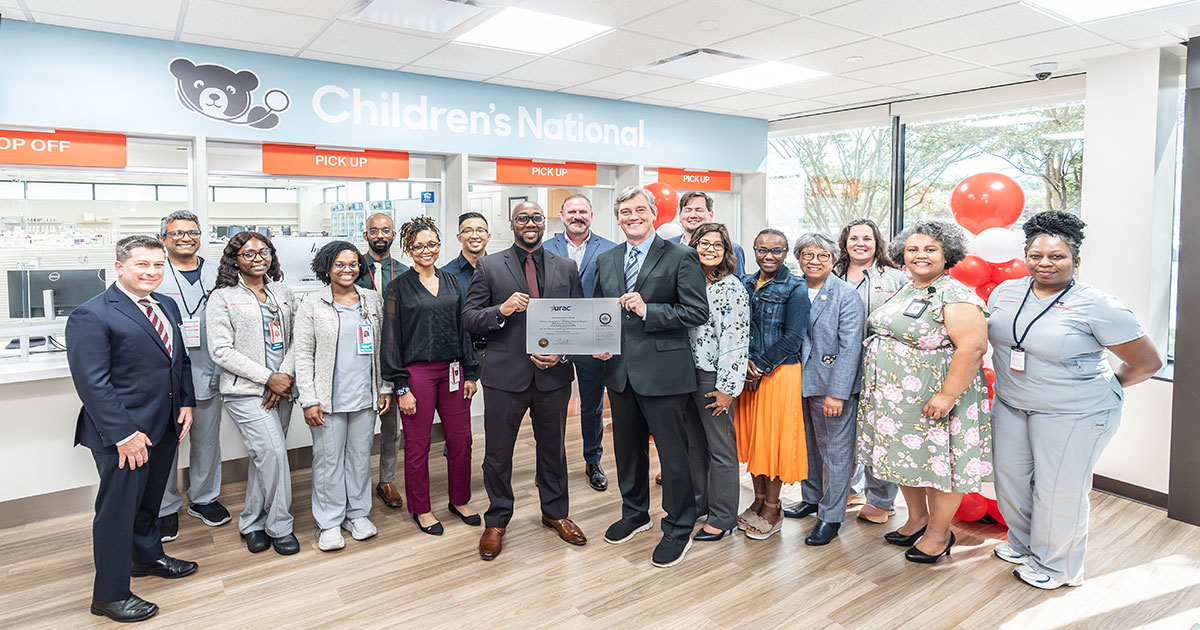
URAC sealChildren’s National Hospital is proud to share that it has earned URAC accreditation for specialty pharmacy — its second recognition of this kind. The hospital previously received Telehealth accreditation from URAC, reinforcing its commitment to excellence in patient care.

“This accreditation is a reflection of our team’s unwavering commitment to delivering the highest standard of care to our patients,” said Johnny Yoko-Uzomah, PharmD, DPLA, director of Specialty Pharmacy Services at Children’s National. “It reinforces the trust families place in us and highlights the dedication of our staff to continuous improvement, safety and excellence in everything we do.”

URAC is the independent leader in promoting healthcare quality by setting high standards for clinical practice, consumer protections, performance measurement, operations infrastructure and risk management. By achieving this status, Children’s National has demonstrated its commitment to quality care, enhanced processes, patient safety and improved outcomes.

“This distinguished achievement of receiving URAC accreditation and having it presented by Dr. Griffin today demonstrates a seal of quality ensuring Children’s National Hospital’s pharmacy operations and patient management services adhere to the highest set of standards,” said Christopher Wilson, PharmD, MBA, senior director of Pharmacy Operations at Clearway Health. “It also exemplifies the incredible work of the Clearway Health team in providing an ongoing compliance and audit roadmap for reaccreditation readiness in a finite amount of time. Today, Children’s National Hospital joins one of only a few children’s hospitals in the Mid-Atlantic region to earn this accreditation and the ability to provide comprehensive care to patients on specialty medications, keeping the care of children close to the providers they trust.”

“Now more than ever, specialty pharmacies are an essential part of the patient care team and patient experience. URAC congratulates Children’s National on their achievement of Specialty Pharmacy Accreditation. This achievement demonstrates excellence in pharmacy operations, product handling, patient education and patient management. When an organization achieves URAC accreditation, they demonstrate their commitment to improving their quality of care, which is important to patients, providers and payers,” said URAC’s president and CEO Shawn Griffin, MD.

Pharmacy team receiving URAC award

REI Week 2025 empowers the future in pediatric research and innovation

Children’s National Hospital hosted its fifteenth annual Research, Education and Innovation Week from March 31–April 4, 2025, bringing together clinicians, scientists, educators and innovators from across the institution to celebrate discovery and collaboration. This year’s theme, “Empowering the Future in Pediatric Research and Innovation with Equity, Technology and a Global Reach,” served as a call to action for advancing science that improves child health both locally and around the world.

Each day of the week-long event featured thought-provoking lectures — now available to watch — dynamic panel discussions, interactive workshops and vibrant poster sessions, all highlighting the diverse and interdisciplinary work taking place across Children’s National.

Centering the patient and the planet

REI Week began on Monday with a powerful keynote lecture from Lynn R. Goldman, MD, MS, MPH, Michael and Lori Milken dean of the Milken Institute School of Public Health at the George Washington University. In her talk, “Children: Uniquely vulnerable to climate-related threats,” Dr. Goldman underscored the urgent need to protect children from the environmental hazards of a changing climate and to integrate climate science into pediatric care and advocacy.

At mid-morning, Mary-Anne “Annie” Hartley, MD, PhD, MPH, director of the LiGHT Laboratory at École Polytechnique Fédérale de Lausanne, introduced the “MOOVE” platform — Massive Open Online Validation and Evaluation of clinical LLMs. Her talk demonstrated how artificial intelligence, when rigorously validated, has the potential to transform clinical decision-making and global health equity.

Monday’s final keynote, “Zinc and childhood diarrhea,” was presented by Christopher Duggan, MD, MPH, director of the Division of Nutrition at Harvard Medical School. Dr. Duggan highlighted the global health impact of zinc supplementation in reducing childhood mortality — a reminder that simple, evidence-based interventions can save millions of lives.

In that first day, the first poster session of the week showcased projects in adolescent medicine, global health, infectious diseases, oncology and more. The session reflected the full breadth of research taking place across Children’s National.

Ambroise Wonkam, MD, PhD, professor of genetic medicine at Johns Hopkins University, then delivered Tuesday’s Global Health Keynote Lecture, “Harnessing our common African genomes to improve health and equity globally.” His work affirmed that inclusive genomics is key to building a healthier world.

Later, the Global Health Initiative event and GCAF Faculty Seminar encouraged attendees to pursue collaborative opportunities at home and abroad, reflecting the growing global footprint of Children’s National research programs.

Transforming education and care delivery

On Wednesday, Larrie Greenberg, MD, professor emeritus of pediatrics, kicked off the day with a Grand Rounds keynote on educational transformation: “Shouldn’t teachers be more collaborative with their learners?” He followed with a CAPE workshop exploring the effectiveness of case-based learning.

The Nursing Sponsored Keynote Lecture by Vincent Guilamo-Ramos, PhD, MPH, LCSW, ANP-BC, PMHNP-BC, FAAN, explored “Redesigning the U.S. broken health system.” He offered an urgent and inspiring call to reimagine pediatric care by addressing social determinants of health.

In the Jill Joseph Grand Rounds Lecture, Deena J. Chisolm, PhD, director of the Center for Child Health Equity at Nationwide Children’s Hospital, challenged attendees to move beyond dialogue into action in her talk, “Health equity: A scream to a whisper?,” reminding researchers and clinicians that advocacy and equity must be foundational to care.

The day continued with a poster session spotlighting medical education, neonatology, urology and neuroscience, among other fields.

Posters and pathways to progress

Throughout the week, poster sessions highlighted cutting-edge work across dozens of pediatric disciplines. These sessions gave attendees the opportunity to engage directly with investigators and reflect on the shared mission of discovery across multiple disciplines, including:

Honoring excellence across Children’s National

The REI Week 2025 Awards Ceremony celebrated outstanding contributions in research, mentorship, education and innovation. The winners in each category were:

POSTER SESSION AWARDS

Basic & Translational Research

Faculty:  Benjamin Liu, PhD

“Genetic Conservation and Diversity of SARS-CoV-2 Envelope Gene Across Variants of Concern”

Faculty:  Steve Hui, PhD
“Brain Metabolites in Neonates of Mothers with COVID-19 Infection During Pregnancy”

Faculty: Raj Shekhar, PhD
“StrepApp: Deep Learning-Based Identification of Group A Streptococcal (GAS) Pharyngitis”

Post docs/Fellows/Residents: Dae-young Kim, PhD
“mhGPT: A Lightweight Domain-Specific Language Model for Mental Health Analysis”

Post docs/Fellows/Residents: Leandros Boukas, MD, PhD
“De Novo Variant Identification From Duo Long-Read Sequencing: Improving Equitable Variant Interpretation for Diverse Family Structures”

Staff: Naseem Maghzian
“Adoptive T Lymphocyte Administration for Chronic Norovirus Treatment in Immunocompromised Hosts (ATLANTIC)”

Graduate Students: Abigail Haffey
“Synergistic Integration of TCR and CAR T Cell Platforms for Enhanced Adoptive Immunotherapy in Brain Tumors”

High School/Undergraduate Students: Medha Pappula
“An ADHD Diagnostic Interface Based on EEG Spectrograms and Deep Learning Techniques”

Clinical Research

Faculty: Folasade Ogunlesi, MD
“Poor Air Quality in Sub-Saharan Africa is Associated with Increase Health Care Utilization for Pain in Sickle Cell   Disease Patients”

Faculty: Ayman Saleh, MD
“Growth Parameters and Treatment Approaches in Pediatric ADHD: Examining Differences Across Race”

Post docs/Fellows/Residents: Nicholas Dimenstein, MD, MPH
“Pre-Exposure Prophylaxis (PrEP) Eligibility in the Pediatric Emergency Department”

Staff: Tayla Smith, MPH
“The Public Health Impact of State-Level Abortion and    Firearm Laws on Health Outcomes”

Graduate Students: Natalie Ewing
“Patterns of Bacteriuria and Antimicrobial Resistance in Patients Presenting for Primary Cloacal Repair: Is Assisted Bladder Emptying Associated with Bacteriuria?”

Graduate Students: Manuela Iglesias, MS
“Exploring the Relationship Between Child Opportunity Index and Bayley-III Scores in Young Children”

High School/Undergraduate Students: Nicholas Lohman
“Preliminary Findings: The Efficacy, Feasibility and Acceptability of Group Videoconference Cognitive Behavioral Therapy with Exposure and Response Prevention for Treating Obsessive-Compulsive Disorder Among Children and Young People”

Community-Based Research

Faculty: Sharon Shih, PhD
“Assessing Pediatric Behavioral Health Access in DC using Secret Shopper Methodology”

Post docs/Fellows/Residents: Georgios Sanidas, MD
“Arrested Neuronal Maturation and Development in the Cerebellum of Preterm Infants”

Staff: Sanam Parwani

“Intersectionality of Gender and Sexuality Diversity in Autistic and Non-Autistic Individuals”

Graduate Student: Margaret Dearey
“Assessing the Burden of Period Poverty for Youth and Adolescents in Washington, DC: A Pilot Study”

Quality and Performance Improvement

Faculty: Nichole L. McCollum, MD
“A Quality Improvement Study to Increase   Nurse Initiated Care from Triage and Improve Timeliness to Care”

Post docs/Fellows/Residents:  Hannah Rodriguez, MD
“Reducing Unnecessary Antibiotic Use in a Level IV NICU”

Staff: Amber K. Shojaie, OTD, OTR/L
“Implementing Dynamic Axilla Splints in a Large Burn Patient”

MENTORSHIP AWARDS

Basic Science Research

Conrad Russell Y. Cruz, MD, PhD

Clinical Research

Rana Hamdy, MD, MPH, MSCE

Bench to Bedside Research

Ioannis Koutroulis, MD, PhD, MBA

ELDA ARCE TEACHING SCHOLAR AWARD

Priti D. Bhansali, MD, MEd

Heather Ann Walsh, PhD, RN

SUZANNE FEETHAM NURSING RESEARCH SUPPORT AWARD

Eileen P. Engh, PhD RN 
“Rare Disease Organization Lifecycle” Role in Helping Parents with Everyday Life Information Seeking and Connection (RDO-HELIX)

EXPLORATIONS IN GLOBAL HEALTH PILOT AWARDS

Launchpad Awards

Mi Ran Shin, MD, MPH
“Establishing Interdisciplinary Rehabilitation for Birth and Burn Injuries in Ethiopia”

Susan Harvey, MSN, CPNP-AC
“Implementation of Sickle Cell Pilot Program in Ndhiwa Sub County, Kenya”

Meleah Boyle, PhD, MPH
“Understanding and Addressing Environmental Sustainability to Protect the Health of the Children’s National and Global Communities”

Eiman Abdulrahman, MD
“Research Capacity Building to Improve Pediatric Emergency and Critical Care in Ethiopia”

Pilot Awards

Alexander Andrews, MD
“EEG as a Diagnostic and Prognostic Marker in Severe Pediatric Malaria, Blantyre Malawi”

Daniel Donoho, MD & Timothy Singer, MD
“Feasibility Study of a Novel Artificial Intelligence-Based Educational Platform to Improve Neurosurgical Operative Skills in Tanzania”

Hasan Syed, MD
“Bridging the Gap an Educational Needs Assessment for Pediatric Neurosurgery Training in Pakistan”

Sofia Perazzo, MD & Lamia Soghier, MD, MEd, MBA
“QI Mentorship to Improve Pediatric Screening and Follow-up in Rural Argentina”

Benjamin Liu, PhD
“AI-Empowered Real-Time Sequencing Assay for Rapid Detection of Schistosomiasis in Senegal”

Rae Mittal, MD
“Assessment and Enhancement of Proficiency in Emergency Child Neurology Topics for Post-Graduate Emergency Medicine Trainees in India”

Innovation Day ignites bold thinking

Thursday, REI Week shifted to the Children’s National Research & Innovation Campus for Innovation Day, a celebration of how bold ideas and collaborative culture can accelerate progress in pediatric medicine.

Brandy Salmon, PhD, associate vice president of Innovation and Partnerships at Virginia Tech, opened the day with “The Alchemy of Innovation,” focusing on how institutions can build a culture that fuels transformative partnerships.

A multidisciplinary panel discussion moderated by Nathan Kuppermann, MD, MPH, and Catherine Bollard, MBChB, MD, featured Nehal Mehta, MD, Julia Finkel, MD, Kevin Cleary, PhD, Ioannis Koutroulis, MD, PhD, MBA, Francesca Joseph, MD and Patrick Hanley, PhD, who shared how innovation can be advanced and promoted, especially as a core institutional priority.

A shared vision for the future

REI Week 2025 reaffirmed the values that define Children’s National: a commitment to excellence, collaboration and equity in pediatric research and care. As discoveries continue to emerge from our hospital and our research campuses, the connections built and ideas sparked during this week will help shape the future of pediatric health — locally and globally.

By elevating voices from the bedside to the bench, with the support of the executive sponsors Nathan Kuppermann, MD, MBChB, Catherine Bollard, MBChB, MD, Kerstin Hildebrandt, MSHS, Linda Talley, MS, RN, NE-BC and David Wessel, MD, REI Week demonstrated that we must embrace the community in all aspects of our work. Because we know that there are answers we can only get from the patients that we serve—and we need to be their voice.

Research, Education & Innovation Week will be back next year on April 13-17, 2026.

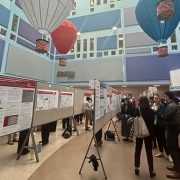
  • Posters at the REI Week 2025 Monday, March 31 poster session.

    Posters at the REI Week 2025 Monday, March 31 poster session.
  • Panelists discuss innovation during REI Week 2025.

    Panelists discuss innovation during REI Week 2025.
  • Global Health Initiative community engagement event during REI Week 2025.

    Global Health Initiative community engagement event during REI Week 2025.
  • Chris Rees presents his REI Week 2025 lecture.

    Chris Rees presents his REI Week 2025 lecture.
  • Nathan Kuppermann listens to a presenter during the REI Week 2025 Tuesday, April 1, poster session.

    Nathan Kuppermann listens to a presenter during the REI Week 2025 Tuesday, April 1, poster session.
  • Michelle Riley-Brown, Nathan Kuppermann, Catherine Bollard and Naomi Luban on stage during the REI Week 2025 awards ceremony.

    Michelle Riley-Brown, Nathan Kuppermann, Catherine Bollard and Naomi Luban on stage during the REI Week 2025 awards ceremony.
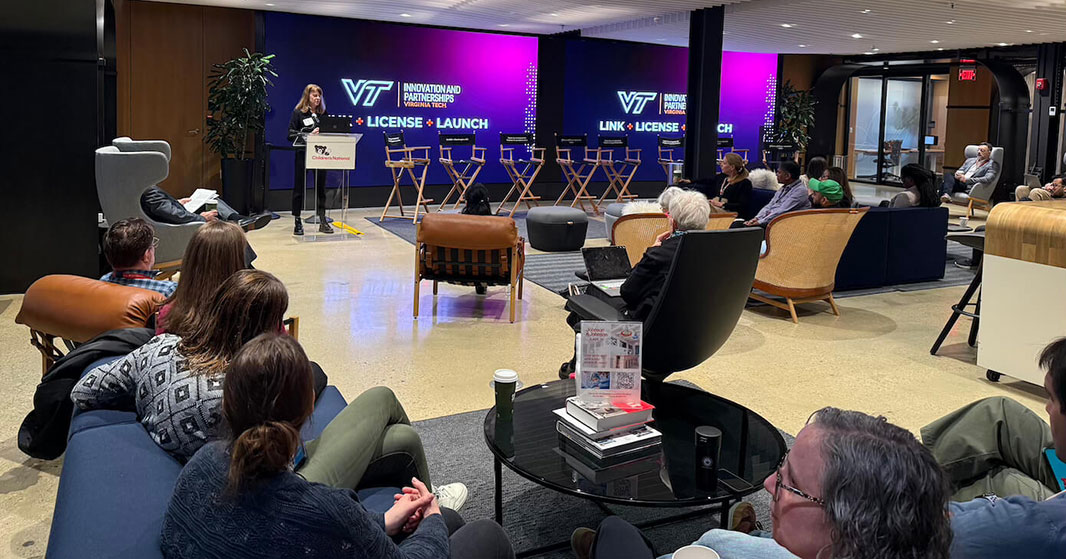
  • Brandy Salmon presents on innovation programs at Virginia Tech during the REI Week 2025 Innovation Day.

    Brandy Salmon presents on innovation programs at Virginia Tech during the REI Week 2025 Innovation Day.
  • Catherine Bollard listens to a presenter during the REI Week 2025 Monday, March 21 poster session.

    Catherine Bollard listens to a presenter during the REI Week 2025 Monday, March 21 poster session.
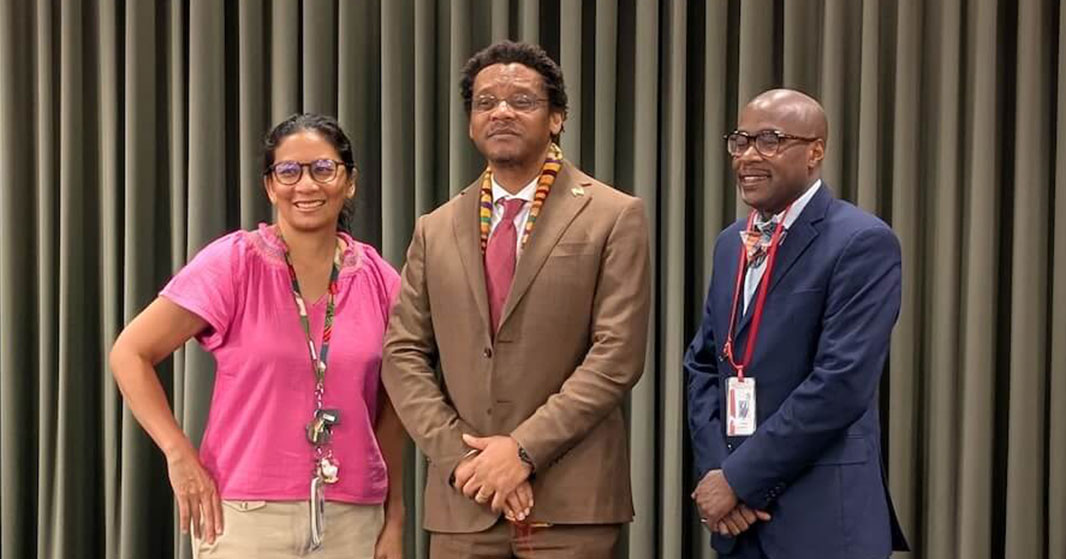
  • Ambroise Wonkman poses for a picture with Children’s National staff.

    Ambroise Wonkman poses for a picture with Children’s National staff.
  • Tanzeem Choudhury presenting during REI Week 2025.

    Tanzeem Choudhury presenting during REI Week 2025.

Qualities of successful pediatric and congenital cardiovascular programs: Cardiology 2025

Dr. Wayne Franklin and patient

Dr. Franklin’s talk offered his observations of how the administrative backbone behind clinical care supports a thriving center for infants and children with congenital heart disease and their families.

Wayne Franklin, MD, FACC, senior vice president of Children’s National Heart Center, joined a panel discussion at Cardiology 2025: The 28th Annual Update on Pediatric and Congenital Heart Disease. The panel, Healthcare Administration in Pediatric and Congenital Cardiovascular Disease: Sharing Challenges and Creating Solutions, sought to identify the traits that successful U.S. healthcare programs, and especially pediatric cardiovascular programs, have in common.

Dr. Franklin’s talk, “Structuring Administration for Pediatric & Congenital Cardiovascular Care,” offered his observations of how the administrative backbone behind clinical care supports a thriving center for infants and children with congenital heart disease and their families.

The big picture

Dr. Franklin noted that the best programs are finding successful combinations of the right ingredients to make the “secret sauce” — focus on high quality care being delivered in ways that are financially sustainable. More than ever, this is hard to accomplish.

Today’s pediatric programs are often organized in an academic model where clinicians are employed by a university or medical school, typically within a Department of Pediatrics, with pediatric subspecialties all falling together under that department. While the academic model has been successful up to this point, there may be valuable lessons to learn and opportunities for further success by looking at outcomes from other models in the broader adult healthcare sector.

Key takeaways

Dr. Franklin offered several examples of key models for pediatric heart centers to consider. They include:

  • A multi-disciplinary, “service-line centered” structure: All doctors, nurses, advanced practice providers and support staff aligned together under a “center” or “institute” model, similar to the Cleveland Clinic’s Institutes of Excellence.
  • A blended, “privademic” structure for clinicians, where they are direct employees of a hospital, but not of a larger university or healthcare system.
  • Clinician leadership and engagement in business administration structure and function, to make sure that patients remain front and center in business decisions.
  • Dedicated quality and safety teams that are driven by data and outcomes, foster frequent and early communication and ensure care providers actively engage with these efforts.
  • A model that supports innovations in care and investments in research to continue advancing best practices for patients and families.
  • A system for education and training to make sure the next generation can effectively carry on the established culture of excellence.

What matters most

No matter the structure, the most important and common theme among successful health systems, hospitals and even specific heart programs, is steadfast, organization-wide dedication to decision making driven by what is best for patients. This approach should drive a focus on early detection and/or prevention, and lead to positive outcomes, which ultimately brings financial sustainability.

See more about Children’s National at this year’s meeting: Cardiology 2025: 28th Annual Update on Pediatric and Congenital Cardiovascular Disease.

Socioeconomic disadvantage associated with higher long-term mortality after heart surgery

Doctors performing cardiac surgery at Children's National Hospital

Children who had heart surgery and come from less advantaged neighborhoods in the Washington, D.C., region are much more likely to die in the long term than those from neighborhoods with more wealth and opportunity.

Children who had heart surgery and come from less advantaged neighborhoods in the Washington, D.C., region are much more likely to die in the long term than those from neighborhoods with more wealth and opportunity. The finding was part of a presentation, Socioeconomic Disadvantage Is Associated with Higher Long-Term Mortality After Cardiac Surgery, presented by Jennifer Klein, MD, MPH, cardiologist at Children’s National Hospital, during the Society of Thoracic Surgeons (STS) Annual Meeting in Los Angeles.

What is it?

Clinical and demographic data were collected for 2,546 people who underwent corrective surgery for congenital heart disease over a 15-year period (2007-2022) in a single-center retrospective analysis. Using the Child Opportunity Index (COI), an index that uses environmental/health, educational, and socioeconomic domains to assess patients’ neighborhoods, the two lowest COI quintile neighborhoods were designated as “disadvantaged” while the two highest COI quintile neighborhoods were designated as “advantaged.” Multivariable mixed model analyses were conducted to understand the factors associated with overall mortality.

The research showed that patients from disadvantaged neighborhoods suffered in a great proportion both overall mortality [n=168 (13.6%) vs 66 (8.4%), p< 0.001] and major complications [n=168 (13.6%) vs 81 (10.3%), p< 0.001]. The positive association between neighborhood disadvantage and long-term mortality was maintained in stepwise logistic regression multivariable analysis after controlling for differences between surgical complexity and other clinical risk factors.

What it means

“Previous research has shown disparities like this,” says Dr. Klein. “What’s significant here is that the disparity for children from disadvantaged neighborhoods grows over time. That means corrective interventions won’t be implemented in the operating room or within the first 30 days after surgery. They need to happen in a cardiologist’s office, in the schools, and in the community long after a child goes home from the hospital.”

The findings from this particular study are also noteworthy as they are the first to include significantly greater numbers of patients who are more likely to experience this risk (48.5% of the study group). Previous research has sought to look at this research question but analysis may have been skewed by an over-representation of socioeconomically advantaged patients.

What’s next

Differences in mortality risk continue to grow greater as more time passes, the authors note, indicating that the disparity is not a product of surgical technique or disparities in care delivery at the time of surgery.

Instead, their outcomes are being influenced by factors outside the operating room. This opens a new avenue of research focused on identifying the “why.”

“What happens after they go home?” Klein asks. “Can they access medications? Do they come back for follow-up appointments? Can they afford food?”

Read the abstract, Socioceconomic Disadvantage Is Associated with Higher Long-Term Mortality After Cardiac Surgery, which was presented during a speed session at the STS Annual Meeting. A full manuscript will be published soon.

Optimizing anesthesia practices for children with acute leukemia undergoing lumbar punctures

bottle of propofol with needles

Anesthesia is used in up to 90% of patients, despite repeated propofol exposure being linked to neurocognitive impairment.

Acute leukemia is the most common childhood cancer, with treatment often involving up to 16 routine lumbar punctures (LPs). Anesthesia is used in up to 90% of patients, despite repeated propofol exposure being linked to neurocognitive impairment. In a quality improvement project, researchers from Children’s National Hospital examined variables that could minimize anesthesia time and propofol exposure for patients. The findings, presented at the 56th Congress of the International Society of Paediatric Oncology in Honolulu, HI., found about half of LPs met the goal of 15 minute of anesthetic exposure with significant differences in completion time between anesthesiologists.

The big picture

Researchers analyzed data from 199 LPs performed in the Non-Operating Anesthesia Room (NOAR) over a six-month period from July to December 2023 – including the start to stop time of anesthetic exposure, type of anesthetic, patient age and body mass index (BMI), proceduralist and anesthesiologist. A P-chart established a center line of 52.5% for procedures being completed within 15 minutes.

What’s next

Plan-Do-Study-Act (PDSA) cycles are being performed to align practices between anesthesiologists and identify successful changes with a goal to raise the center line to 75%.

“These findings highlight our commitment to improving care for children with acute leukemia by reducing anesthesia exposure during lumbar punctures,” said Shelby Smith, RN, MSN, CPNP, CPHON, nurse practitioner at Children’s National and the presenting author. “By identifying factors that impact procedure time and implementing targeted improvements, we aim to enhance patient safety and minimize potential risks associated with repeated propofol use.”

Other Children’s National authors include Birte Wistinghausen, MD.

Children’s National in the News: 2024

collage of news logosIn 2024, Children’s National Hospital continued to make remarkable strides across diverse areas of pediatric medicine, from groundbreaking technological innovations to critical health advocacy. The following compilation showcases ten significant stories that demonstrate the breadth and depth of the hospital’s impact, as featured in major national news outlets including NBC Nightly News, CNN, The Washington Post, The New York Times, NPR, The Today Show, Healio, and POLITICO. Delve into our 2024 news highlights for more.

1. World’s smallest pacemaker gives new hope to babies with heart defects

Charles Berul, M.D., and a patient family talk about the pill-sized pacemaker that saved the life of Abby, an infant born with deadly heart defects. (NBC Nightly News)

2. ‘A $10 death trip’: Fentanyl is killing teens. Meet one fighting for his life

Sivabalaji Kaliamurthy, M.D., addiction psychiatrist and director of the Addictions Program, spoke to CNN about the impact of drug addiction on teen health and the lack of resources available to treat opioid use disorder. (CNN)

3. Health panel urges interventions for children and teens with high BMI

Susma Vaidya, M.D., M.P.H., associate medical director of the IDEAL Clinic, shared her concerns about childhood obesity treatment recommendations issued today by a leading panel of independent U.S. health experts. (The Washington Post)

4. An Rx for food? Doctor’s offices offer groceries to those in need

Shideh Majidi, M.D., M.S.C.S., and Emily Frymark, clinical dietitian, spoke about how the food pharmacy, created in partnership with the Capital Area Food Bank, benefits patients with diabetes and other chronic conditions. (The Washington Post)

5. First patient begins newly approved sickle cell gene therapy

Kendric Cromer, a 12-year-old boy being treated at Children’s National Hospital, became the first person in the world with sickle cell disease to begin a commercially approved gene therapy that may cure the condition. “This is a big effort,” says David Jacobsohn, M.D., ScM, M.B.A. (The New York Times)

6. ‘We created this problem’: A pediatric surgeon on how gun violence affects children

Mikael Petrosyan, M.D., associate chief of General and Thoracic Surgery, discusses the stress medical staff face when treating young victims of gun violence. (NPR)

7. 7th grade boy rings bell after final round of chemotherapy

Landon, an 11-year-old patient, rang the bell at Children’s National Hospital with family, friends, doctors and nurses cheering after finishing his final round of chemotherapy. (The Today Show)

8. Study: One in three adolescents experience ‘period poverty’

Monika Goyal, M.D., M.S.C.E., pediatric emergency medicine specialist and co-director of the Center for Translational Research, emphasized the need for awareness in addressing period poverty in teenagers and young adults. (Healio)

9. The AI assurance labs are coming

Kolaleh Eskandanian, Ph.D., M.B.A., P.M.P., vice president and chief innovation officer, participates in a panel discussion covering AI data collection, associated risks, reliance and other topics related to artificial intelligence. (POLITICO)

10. First day of a ‘new life’ for a boy with sickle cell

Children’s National patient Kendric Cromer, 12, became one of the first children ever to be treated with a newly approved gene therapy that will free him from the sickle cell disease that has stolen his childhood. (The New York Times)

Perspective: Rethinking racial benchmarks in pediatric safety events

Smiling boy in hospital bed

The research team estimated that 754 pediatric safety events could be avoided annually if all racial groups performed as well as the top-rated group for each type of safety event studied.

Quality and safety would improve in pediatric healthcare – for all races – if the practice of benchmarking outcomes and performance against white patients changed. Instead, investigators should consider using the best-performing group to improve healthcare disparities, according to a new Pediatrics perspective from a multi-center research team led by Children’s National Hospital.

The team examined seven pediatric safety indicators from their previous research, including postoperative infection and accidental lacerations. They determined the best-performing group was not always the white subset, but data in scientific research is often benchmarked against white patients. This can perpetuate racism and erroneously imply that white patients should define the standard for healthcare, the investigators found.

The patient benefit

The research team estimated that 754 pediatric safety events could be avoided annually if all racial groups performed as well as the top-rated group for each type of safety event studied. For some safety events, this would require benchmarking against Black, Hispanic, Asian and Pacific Islander populations.

“By looking at the data with a new lens, we believe that clinicians and researchers could make a major step forward in shrinking and eliminating disparities across pediatric healthcare,” said Kavita Parikh, M.D., MSHS, medical director of Quality & Safety Research and research director of the Division of Hospital Medicine at Children’s National. “If we can employ a more precise understanding of patient and family experience as they interact with the healthcare system, we can prevent negative outcomes that can impact entire lifetimes.”

What’s ahead

The multi-center team continues to work on ways to improve quality and safety at pediatric hospitals. With broad partnerships, the researchers hope to redesign national safety models to encourage hospitals to overcome health-equity hurdles, such as racism, language barriers and other social factors that lead to disparities.

“This call to action is not new, but it demands renewed urgency,” said Dr. Parikh, the first author of the perspective. “We propose future analyses that infuse antiracist principles with quality improvement and patient safety standards to design more effective interventions.”

You can read the complete perspective – “Analyzing Pediatric Safety Events Using Antiracist Principles” – in Pediatrics.

New evidence: Virtual and AI support predict and prevent cardiac arrest

the CICU telehealth command center at Children's National

An evolving, continuous surveillance telecritical care model in the pediatric Cardiac Intensive Care Unit (CICU) at Children’s National Hospital has demonstrated early findings pointing to its ability to act as an additional virtual layer of safety for patient care that supports bedside providers by identifying concerning health trends based on a patient’s data.

Children who are hospitalized with congenital heart disease are more likely to experience cardiac arrest than children without cardiovascular diseases. Though these children are more likely to survive cardiac arrest today than a decade ago thanks to improvements in treatment options, survival after a cardiac arrest while in the hospital is still low. Additional solutions to minimize this serious complication are sorely needed.

An evolving, continuous surveillance telecritical care model in the pediatric Cardiac Intensive Care Unit (CICU) at Children’s National Hospital has demonstrated early findings pointing to its ability to act as an additional virtual layer of safety for patient care that supports bedside providers by identifying concerning health trends based on a patient’s data. The model aims to minimize cardiac arrest, ensure clear and effective communication, support escalation of care when appropriate and – simultaneously – be minimally disruptive to the bedside teams’ workflow.

What this means

The Board of Visitors Telehealth Command Center, housed within the CICU at Children’s National, recently reported its initial experience after its first four years of operation, successfully conducting 18,171 virtual surveillance activities on children admitted to its CICU –  analyzing data from remote monitoring, video camera feed from patient rooms, data from electronic medical records and an artificial intelligence (AI) prediction tool dashboard. This work led to 248 critical communications with bedside teams, who subsequently provided interventions that may have prevented or decreased the severity or length of time of a patient’s cardiac arrest.

This study showed that the models tested in this large dataset have successfully blended AI and remote clinician expertise to capture concerning trends in the health of critically ill pediatric patients and then share vital information with bedside care providers. The study also shows the importance of adapting any telecritical care system to ensure it works in concert with highly trained professionals. These professionals rightly remain the first line of defense against any concerning trend in a patient’s status.

Children’s National leads the way

This is the first report in the pediatric critical care setting using a continuous care model to support a pediatric CICU to prevent cardiac arrest in children with critical heart disease. Most previous reports of telecritical care in children describe a model based on physician-to-physician communication used to connect rural and isolated populations or international cases, with clinical expertise provided from a remote distance.

What’s next

  • Ongoing research is being conducted to explore direct connections between tele-critical care communications and patient outcomes, such as reducing cardiac arrest in children after congenital heart surgery.
  • Continued refinement of virtual surveillance workflows and AI tools will allow for earlier detection, communication and intervention – in the hopes of identifying concerning trends earlier and intervening sooner.
  • Development of automated triggers for virtual surveillance and communications, helped by more AI tools, to remove the need for the personal assessment of a physician or nurse at the tele-critical care unit to trigger communications.

Read the study in Telemedicine & e-Health: Pediatric Tele-Critical Care: Initial Experience with a Continuous Surveillance Model Aiming to Prevent Cardiac Arrest in Children with Critical Heart Disease.

Children’s National again ranked among the best in the nation by U.S. News & World Report

2024-25 US News BadgesChildren’s National Hospital in Washington, D.C., was ranked as a top hospital in the nation by the U.S. News & World Report 2024-25 Best Children’s Hospitals annual rankings. This marks the eighth straight year Children’s National has made the Honor Roll list. The Honor Roll is a distinction awarded to only 10 children’s hospitals nationwide.
This year, U.S. News ended ordinal rankings on its Honor Roll. Instead of assigning a numerical rank from 1 to 10, all hospitals on the Honor Roll will be recognized as having attained the highest standards of care in the nation.

In addition, Children’s National tied for #1 pediatric hospital in the Mid-Atlantic region, which includes New York, New Jersey, Delaware, Pennsylvania, the District of Columbia, West Virginia and Virginia. It’s also best in the Mid-Atlantic in Neonatology.

For the fourteenth straight year, Children’s National ranked in 10 specialty services. New this year, U.S. News included behavioral health as a service line in the rankings. Since it’s the first year, there are no ordinal rankings for behavioral health, but the Children’s National program was named one of the top 50 programs in the country.

“In my first year here, I witnessed what makes Children’s National so special — our commitment to collaboration, empowering one another, and charting a bold path forward for pediatric care,” said Michelle Riley-Brown, MHA, FACHE, president and chief executive officer of Children’s National. “I’m proud U.S. News again recognized Children’s National as one of the top in the nation and the highest-ranked pediatric hospital in D.C., Maryland and Virginia. Together, we’ll continue to push the boundaries of care, research and innovation to make a difference for those who matter most — the kids.”

The annual rankings are the most comprehensive source of quality-related information on U.S. pediatric hospitals and recognizes the nation’s top 50 pediatric hospitals based on a scoring system developed by U.S. News.

“For nearly two decades, U.S. News has published Best Children’s Hospitals to empower the parents and caregivers of children with complex medical needs,” said Ben Harder, chief of health analysis and managing editor at U.S. News. “Children’s hospitals appearing on the U.S. News Honor Roll have a track record of delivering unparalleled specialized care.”

The bulk of the score for each specialty service is based on quality and outcomes data. The process includes a survey of relevant specialists across the country, who are asked to list hospitals they believe provide the best care for patients with the most complex conditions.

The Children’s National specialty services that U.S. News ranked in the top 10 nationally are:

The other four specialties ranked among the top 50 are Behavioral Health, Cardiology and Heart Surgery, Pulmonology and Lung Surgery, and Urology.