Children’s National is ranked one of the top 10 pediatric hospitals in the nation by U.S. News & World Report. Our faculty and staff are proud of the impact made on the lives of children and families in our community. Your participation in the U.S. News & World Report annual reputational survey validates the quality of care we provide and reflects the mutual respect and trust we share as healthcare professionals.
How to determine your voting eligibility
Voting for the U.S. News & World Report Best Children’s Hospitals rankings can be done only through Doximity.
To participate, physicians must:
Be board-certified and meet the eligibility criteria for the voting categories.
For child and adolescent psychologists, your account must be up to date with your specialty and subspecialty correctly marked.
Be a credential-verified member of Doximity (you must have an active and claimed Doximity profile).
Have all certifications and board documents currently up-to-date in your Doximity profile.
You have to claim your profile on Doximity.com to participate in the online survey. If you have not yet claimed your Doximity profile, go to Doximity.com, and click “Find My Profile.”
Once your profile has been claimed, you must confirm your email address and board certifications.
Verified Doximity members will receive an email inviting them to participate in the U.S. News survey.
For more information on how to claim your profile, visit Doximity.com
How to update and verify existing Doximity account information
Your Doximity profile must have up-to-date licenses, certifications and board documents.
Once you are logged in, your profile will automatically be in “Edit Mode.” You are able to add new items or edit existing information.
Update your Doximity profile and ensure your information is current.
Once registered, users wishing to participate in the online survey should:
Watch for an email from Doximity about the annual member survey.
Even if you don’t see the email, if you are a registered Doximity user, you can still vote by logging in to Doximity.com with your username and password during the voting period.
Once logged in, look for a U.S. News graphic or button on the homepage and click on it.
The survey asks users to name the hospitals that provide the best care in your respective specialty, without consideration to location or cost. Pediatric specialists will list 10 hospitals. The order in which you list the hospitals does not matter.
Please note: Children’s National Hospital is listed as “Children’s National Hospital Washington, DC” on the survey.
Visit Doximity’s FAQs if you have issues or questions about registration or claiming your profile.
How to cast your vote
In February 2026 when voting opens, all survey-eligible physicians will receive a notification on the Doximity app for Android or iOS. If you do not use the Doximity app, you will receive an email when voting opens.
Log in to your Doximity account at doximity.com or via the mobile app.
Click the Notifications icon or tap the “Submit your Nominations” button on the homepage. You can also search for “U.S. News Best Hospitals”
Select 10 hospitals in your respective specialty that you believe provide the best care in the United States.
Submit your vote
Having technical issues?
If you have difficulty registering with Doximity or completing the survey, please visit Doximity support for assistance.
Vote
The 2026 U.S. News & World Report Best Children’s Hospitals reputation voting will open in mid-February. Look for your Doximity notification to vote.
In 2025, Innovation District readers gravitated toward stories that explored how research and clinical innovation are reshaping pediatric care in real time. This year’s most popular articles highlighted advances in complex surgical care, evidence-based treatments for chronic and neuropsychiatric conditions and emerging technologies — from wearable data to artificial intelligence — that are changing how clinicians diagnose, treat and support children and families. Read on for our list of the most popular articles we published on Innovation District in 2025.
The Cervical Spine program at Children’s National Hospital is responsible for treating a range of conditions, including trauma, congenital abnormalities and tumors. These conditions can lead to instability or misalignment of the cervical spine. “There are unique challenges in pediatric cases due to anatomical differences. The cervical spines of children are more at risk for injury because of their developmental stage and structural characteristics,” says Matthew Oetgen, MD, MBA, chief of Orthopaedic Surgery and Sports Medicine at Children’s National. (2 min. read)
Increasing evidence-based treatment is a key component of the Addictions Program at Children’s National Hospital, created in 2022 and led by Sivabalaji Kaliamurthy, MD. “We really want to focus on intervening in an evidence-based manner in the primary care setting because that is where most of our patients are going to first access care outside of the emergency room,” explains Dr. Kaliamurthy. (3 min. read)
For many children with short stature and other rare genetic growth disorders, there have been no next steps after usual treatment options prove ineffective. Researchers at Children’s National Hospital are digging deeper to find the root genetic causes of short stature disorders and creating novel, nuanced treatment options that have the opportunity to change how the field approaches these cases. (4 min. read)
Denver D. Brown, MD, nephrologist at Children’s National, is looking at whether untreated metabolic acidosis could potentially contribute to cardiovascular outcomes in children with chronic kidney disease (CKD). Here, she explains her motivation, findings and future directions for this critical research. (3 min. read)
A multidisciplinary therapy model developed at Children’s National shows promise for children with PANS and PANDAS, significantly reducing symptoms through structured cognitive-behavioral therapy and family-centered care. The approach could offer a new standard for treating these rare, complex neuropsychiatric disorders. (2 min. read)
A study from Children’s National reveals that common wearable devices like Fitbits may hold the key to improving how we identify Attention-Deficit/Hyperactivity Disorder (ADHD) in adolescents. By analyzing patterns in heart rate, activity levels and energy expenditure, researchers were able to predict ADHD diagnoses with striking accuracy, offering a glimpse into a future where objective, real-time data supports earlier and more personalized mental healthcare. (2 min. read)
A novel implantable pacemaker designed specifically for infants has demonstrated safety and effectiveness in stabilizing heart rhythms for at least two years. The multi-center study of 29 infants showed stable pacing, normal electrical parameters and expected battery life, offering a viable alternative to standard-size devices for the smallest children. (2 min. read)
Children who had heart surgery and come from less advantaged neighborhoods in the Washington, D.C., region are much more likely to die in the long term than those from neighborhoods with more wealth and opportunity. The finding was part of a presentation titled, Socioeconomic Disadvantage Is Associated with Higher Long-Term Mortality After Cardiac Surgery, by Jennifer Klein, MD, MPH, cardiologist at Children’s National Hospital, during the Society of Thoracic Surgeons Annual Meeting in Los Angeles. (2 min. read)
Experts from Children’s National traveled to Uganda to continue work on a pilot program applying artificial intelligence (AI) to the diagnosis of rheumatic heart disease (RHD). The team created a tool that uses AI to predict RHD by identifying leaky heart valves on handheld ultrasound devices, then prompts a referral for a full echocardiogram. (2 min. read)
Food insecurity is rising in Washington, D.C. and it’s hitting families with children the hardest. That’s why Children’s National Hospital created the Family Lifestyle Program (FLiP) – a multi-layered intervention, which offers Patient Navigation (FLiP-PN) and a Produce Prescription Intervention (FLiPRx). FLiP is a Food Is Medicine, clinical-community initiative that helps families get access to fresh food, build healthy habits and lower their risk of diet-related diseases like diabetes and obesity. (3 min. read)
https://innovationdistrict.childrensnational.org/wp-content/uploads/2025/12/2025-with-lightbulb-CNRI.jpg385685Innovation Districthttps://innovationdistrict.childrensnational.org/wp-content/uploads/2025/09/InnovationDistrict_CN_WebHeader-1396px-1030x151.pngInnovation District2025-12-24 15:07:522025-12-24 16:43:36The best of 2025 from Innovation District
In 2025, Children’s National Hospital was featured in major national news outlets for pioneering advances in pediatric care, groundbreaking clinical research and powerful human stories of healing and hope. From gene therapy for sickle cell disease and innovative pacemakers for newborns to breakthrough transplants, cancer trials and emerging mental health concerns like AI psychosis, these stories highlight the hospital’s leadership across the full spectrum of pediatric medicine. The following ten highlights showcase the patients, families and experts behind this impact, as reported by outlets including NBC News, The Washington Post, Good Morning America, USA Today, Healio, ABC News and ESPN.
Children’s National patient Wedam, 19, begins the first steps for intensive gene therapy for sickle cell disease, discussing his skepticism while his mother expresses her joy and gratitude for the treatment. (NBC News)
Charles Berul, MD, pediatric electrophysiologist and emeritus chief of Cardiology, discusses his study highlighting the safety and efficacy of an innovative smaller pacemaker designed for newborns with critical congenital heart disease. (Healio)
Catherine Bollard, MBChB, MD, senior vice president and chief research officer, and the NexTGen team are poised to recruit patients for a new clinical trial that will take on an old, implacable foe: children’s solid tumors. (The Washington Post)
Yves d’Udekem, MD, PhD, chief of Cardiac Surgery, talked to Good Morning America about how an 11-year-old’s groundbreaking partial heart transplant will change his life and the lives of other children in need of valve replacements. (Good Morning America)
The Lilabean Foundation along with Brian Rood, MD, medical director of the Brain Tumor Institute, talked about how patients like Kasey Zachman are the motivation behind finding a cure for brain cancer. (ABC News)
USA Today Sports spoke with Gavin Brown and his parents, as well as Yi Shi, MD, a pediatric nephrologist at Children’s National Hospital, about their kidney transplant journey. (USA Today)
After Jayden Daniels visited Commanders fan Sarah Addison at Children’s National Hospital while she was being treated for myeloid leukemia, they quickly became friends. (ESPN)
A baby boy in Maryland is back home after being given a second chance at life, just before his first birthday. The boy’s mother and his surgeon, Manan Desai, MD, share the remarkable story of a moment that changed all of their lives. (NBC4)
Ashley Maxie-Moreman, PhD, clinical psychologist, spoke to ABC7 about what AI psychosis is and what parents need to know. (ABC7)
https://innovationdistrict.childrensnational.org/wp-content/uploads/2025/12/Logo-Collage-2025-feature.jpg300400Innovation Districthttps://innovationdistrict.childrensnational.org/wp-content/uploads/2025/09/InnovationDistrict_CN_WebHeader-1396px-1030x151.pngInnovation District2025-12-23 13:53:592025-12-31 09:09:17Children’s National in the News: 2025
Lillian Su, MD, has joined Children’s National Hospital as chief of Cardiac Critical Care. Dr. Su is a nationally recognized expert in cardiac critical care medicine and team dynamics.
“There is a lot of opportunity for innovation in cardiac critical care with the monumental leaps that technology and AI have taken in the past few years.” Dr. Su said. “Children’s National has the right type of experts who are both creative as well as clinically excellent to be at the forefront of that type of innovative care, especially in a city such as Washington, D.C.”
She is current president of the Pediatric Cardiac Intensive Care Society (PCICS) and returns to Children’s National where she was an attending cardiac critical care medicine physician from 2008 to 2016 and Medical Director of the Board of Visitors Simulation program. Most recently, she was medical director of the Cardiovascular Intensive Care Unit (CVICU) at Phoenix Children’s Hospital and before that served as director of the simulation program at the Heart Center of Lucille Packard Children’s Hospital.
In addition to her clinical leadership, Dr. Su’s established research and academic work focuses on human behavior and team dynamics during cardiac arrest events. She has published research and presented on the complicated intersection of human skills and technology, including discussions of how to optimize partnerships between the necessary roles of humans in patient care and the integration of technology to enhance that care. Her work has been presented at the Academy of Management, the Society of Industrial and Organizational Psychology, the American College of Cardiology, the Extracorporeal Life Support Organization (ELSO), Society of Critical Care Medicine (SCCM), PCICS, and most recently at the World Congress of Cardiology and Cardiac Surgery. She has been the co-editor of two simulation books, Comprehensive Healthcare Simulation: ECMO simulation and Neonatal and Pediatric ECMO Simulation Scenarios. She serves on the American Heart Association Get With the Guidelines for Resuscitation Pediatric Task Force.
“I’m honored and delighted to welcome Dr. Su back to Children’s National,” says Wayne J. Franklin, MD, MBA, senior vice president of the Children’s National Heart and Lung Center. “She is a dedicated clinician and an international leader who is committed to excellence in patient care, research and education. The Heart and Lung Center team, along with the patients and families we serve, will greatly benefit from her exceptional expertise and leadership.”
Dr. Su is board certified in pediatrics and pediatric critical care. She completed fellowships in pediatric critical care medicine at Children’s Hospital Pittsburgh and cardiac critical care medicine at Children’s Hospital of Philadelphia. Dr. Su attended medical school at Temple University in Philadelphia and completed residency and internship at Cedars Sinai Medical Center in Los Angeles.
https://innovationdistrict.childrensnational.org/wp-content/uploads/2025/12/Lillian-Su-feature.jpg300400Innovation Districthttps://innovationdistrict.childrensnational.org/wp-content/uploads/2025/09/InnovationDistrict_CN_WebHeader-1396px-1030x151.pngInnovation District2025-12-23 12:08:422025-12-23 12:09:32Lillian Su, MD, returns to Children’s National to serve as chief of Cardiac Critical Care
A comprehensive study of available peer-reviewed research found several common categories of stressors for all intensive care environments, specifically based on data from the NICU and PICU.
Critically ill infants who must spend their early days after birth in an intensive care environment such as neonatal intensive care unit (NICU), pediatric intensive care unit (PICU) or cardiac intensive care unit (CICU) face a multitude of overlapping stressors that can impact long-term neurodevelopment and well-being. A comprehensive study of available peer-reviewed research found several common categories of stressors for all intensive care environments, specifically based on data from the NICU and PICU. However, the nurse-researchers did not find any studies looking at the additional challenges faced by infants with congenital heart disease who begin their lives in the CICU.
The study, conducted by cardiac intensive care providers at Children’s National Hospital, including lead author Christine Riley, PhD, RN, APRN, a nurse practitioner in the Cardiac Intensive Care Unit (CICU), reiterates the importance of understanding these stressors, how they impact already fragile newborns and how best to mitigate them and give every infant their best chance to thrive during and after an intensive care unit stay.
Why it matters
The findings, that infants in intensive care face a multitude of overlapping stressors caused by their environment, routine care and painful procedures, show that these vulnerable patients experience a significant cumulative stress burden. As the authors note, these stressful encounters have profound short- and long-term physiological and neurodevelopmental impacts, highlighting the importance of finding these sources of stress and taking steps to reduce them wherever possible. They write that efforts to do so are, “fundamental to improving patient care and optimizing recovery in this vulnerable population.”
The review also revealed a missed opportunity in the research to date — the specific experiences of infants with congenital heart disease in the CICU. The unique anatomy of and different standards of care required for babies born with heart disease likely create additional stress factors influencing both short- and long-term growth and development.
Children’s National leads the way
Dr. Riley and colleagues point out that, “studies to date overwhelmingly focus on preterm infants in neonatal intensive care settings, with limited research addressing the stressful experiences of infants with congenital heart disease, highlighting a crucial area for future investigation.”
An innovative nurse-led clinical research program in the CICU at Children’s National brings bedside care providers and families together in the unit for collaborations that will focus on identifying those CICU-specific stressors and create efforts to improve the neurodevelopment and long-term quality of life for infants who start their lives there.
The program’s research portfolio seeks to define and measure stress and the impact of the stress burden for both families and infants. The program hopes to also develop wellness tools for families that can be administered as part of routine bedside care to help set parents and their babies up for greater resilience in the face of current and future challenges.
https://innovationdistrict.childrensnational.org/wp-content/uploads/2023/12/NICU-baby-featured.jpg300400Innovation Districthttps://innovationdistrict.childrensnational.org/wp-content/uploads/2025/09/InnovationDistrict_CN_WebHeader-1396px-1030x151.pngInnovation District2025-11-04 09:36:022026-03-02 09:20:27Understanding infant stress in intensive care is critical to patient long-term wellbeing
Children’s National Hospital in Washington, D.C., was ranked as a top hospital in the nation by the U.S. News & World Report 2025-26 Best Children’s Hospitals annual rankings. This marks the ninth straight year Children’s National has made the Honor Roll list. The Honor Roll is a distinction awarded to only 10 children’s hospitals nationwide.
For the fifteenth straight year, Children’s National ranked in 10 specialty services and is the highest U.S. News ranked children’s hospital in Washington, D.C., Maryland and Virginia. Last year, U.S. News introduced pediatric & adolescent behavioral health as a service line in its rankings. While there are no ordinal rankings for behavioral health, the Children’s National program was named one of the top 50 programs in the country for the second year in a row.
“To be named among the nation’s top children’s hospitals for nine years in a row is a reflection of the extraordinary expertise, innovation and heart that our teams bring to every child and family we serve,” said Michelle Riley-Brown, MHA, FACHE, president and chief executive officer of Children’s National. “Our leadership in specialties like neurology, cancer, and diabetes and endocrinology underscores the national impact of our work, and we remain focused on setting new standards in pediatric care.”
The annual rankings are the most comprehensive source of quality-related information on U.S. pediatric hospitals and recognizes the nation’s top 50 pediatric hospitals based on a scoring system developed by U.S. News.
“Being a top-ranked pediatric hospital means more than just excelling in a single specialty — it means being a pillar of outstanding care for your entire region,” said Ben Harder, chief of health analysis and managing editor at U.S. News. “Our rankings acknowledge these hospitals for their comprehensive excellence, helping families find the very best care conveniently located within their state and community.”
The bulk of the score for each specialty service is based on quality and outcomes data. The process includes a survey of relevant specialists across the country, who are asked to list hospitals they believe provide the best care for patients with the most complex conditions.
The Children’s National specialty services that U.S. News ranked in the top 10 nationally are:
https://innovationdistrict.childrensnational.org/wp-content/uploads/2025/10/USNWR_CNBadges_Set2SideBySide_2025-26-CNRI.jpg385685Innovation Districthttps://innovationdistrict.childrensnational.org/wp-content/uploads/2025/09/InnovationDistrict_CN_WebHeader-1396px-1030x151.pngInnovation District2025-10-07 01:00:072026-01-05 17:33:17Children’s National Hospital once again ranked among the nation’s best by U.S. News & World Report
Children’s National Hospital hosted its fifteenth annual Research, Education and Innovation Week from March 31–April 4, 2025, bringing together clinicians, scientists, educators and innovators from across the institution to celebrate discovery and collaboration. This year’s theme, “Empowering the Future in Pediatric Research and Innovation with Equity, Technology and a Global Reach,” served as a call to action for advancing science that improves child health both locally and around the world.
Each day of the week-long event featured thought-provoking lectures — now available to watch — dynamic panel discussions, interactive workshops and vibrant poster sessions, all highlighting the diverse and interdisciplinary work taking place across Children’s National.
Centering the patient and the planet
REI Week began on Monday with a powerful keynote lecture from Lynn R. Goldman, MD, MS, MPH, Michael and Lori Milken dean of the Milken Institute School of Public Health at the George Washington University. In her talk, “Children: Uniquely vulnerable to climate-related threats,” Dr. Goldman underscored the urgent need to protect children from the environmental hazards of a changing climate and to integrate climate science into pediatric care and advocacy.
At mid-morning, Mary-Anne “Annie” Hartley, MD, PhD, MPH, director of the LiGHT Laboratory at École Polytechnique Fédérale de Lausanne, introduced the “MOOVE” platform — Massive Open Online Validation and Evaluation of clinical LLMs. Her talk demonstrated how artificial intelligence, when rigorously validated, has the potential to transform clinical decision-making and global health equity.
Monday’s final keynote, “Zinc and childhood diarrhea,” was presented by Christopher Duggan, MD, MPH, director of the Division of Nutrition at Harvard Medical School. Dr. Duggan highlighted the global health impact of zinc supplementation in reducing childhood mortality — a reminder that simple, evidence-based interventions can save millions of lives.
In that first day, the first poster session of the week showcased projects in adolescent medicine, global health, infectious diseases, oncology and more. The session reflected the full breadth of research taking place across Children’s National.
Ambroise Wonkam, MD, PhD, professor of genetic medicine at Johns Hopkins University, then delivered Tuesday’s Global Health Keynote Lecture, “Harnessing our common African genomes to improve health and equity globally.” His work affirmed that inclusive genomics is key to building a healthier world.
Later, the Global Health Initiative event and GCAF Faculty Seminar encouraged attendees to pursue collaborative opportunities at home and abroad, reflecting the growing global footprint of Children’s National research programs.
Transforming education and care delivery
On Wednesday, Larrie Greenberg, MD, professor emeritus of pediatrics, kicked off the day with a Grand Rounds keynote on educational transformation: “Shouldn’t teachers be more collaborative with their learners?” He followed with a CAPE workshop exploring the effectiveness of case-based learning.
In the Jill Joseph Grand Rounds Lecture, Deena J. Chisolm, PhD, director of the Center for Child Health Equity at Nationwide Children’s Hospital, challenged attendees to move beyond dialogue into action in her talk, “Health equity: A scream to a whisper?,” reminding researchers and clinicians that advocacy and equity must be foundational to care.
The day continued with a poster session spotlighting medical education, neonatology, urology and neuroscience, among other fields.
Posters and pathways to progress
Throughout the week, poster sessions highlighted cutting-edge work across dozens of pediatric disciplines. These sessions gave attendees the opportunity to engage directly with investigators and reflect on the shared mission of discovery across multiple disciplines, including:
The REI Week 2025 Awards Ceremony celebrated outstanding contributions in research, mentorship, education and innovation. The winners in each category were:
POSTER SESSION AWARDS
Basic & Translational Research
Faculty: Benjamin Liu, PhD
“Genetic Conservation and Diversity of SARS-CoV-2 Envelope Gene Across Variants of Concern”
Faculty: Steve Hui, PhD
“Brain Metabolites in Neonates of Mothers with COVID-19 Infection During Pregnancy”
Faculty: Raj Shekhar, PhD
“StrepApp: Deep Learning-Based Identification of Group A Streptococcal (GAS) Pharyngitis”
Post docs/Fellows/Residents: Dae-young Kim, PhD
“mhGPT: A Lightweight Domain-Specific Language Model for Mental Health Analysis”
Post docs/Fellows/Residents: Leandros Boukas, MD, PhD
“De Novo Variant Identification From Duo Long-Read Sequencing: Improving Equitable Variant Interpretation for Diverse Family Structures”
Staff: Naseem Maghzian
“Adoptive T Lymphocyte Administration for Chronic Norovirus Treatment in Immunocompromised Hosts (ATLANTIC)”
Graduate Students: Abigail Haffey
“Synergistic Integration of TCR and CAR T Cell Platforms for Enhanced Adoptive Immunotherapy in Brain Tumors”
High School/Undergraduate Students: Medha Pappula
“An ADHD Diagnostic Interface Based on EEG Spectrograms and Deep Learning Techniques”
Clinical Research
Faculty: Folasade Ogunlesi, MD
“Poor Air Quality in Sub-Saharan Africa is Associated with Increase Health Care Utilization for Pain in Sickle Cell Disease Patients”
Faculty: Ayman Saleh, MD
“Growth Parameters and Treatment Approaches in Pediatric ADHD: Examining Differences Across Race”
Post docs/Fellows/Residents: Nicholas Dimenstein, MD, MPH
“Pre-Exposure Prophylaxis (PrEP) Eligibility in the Pediatric Emergency Department”
Staff: Tayla Smith, MPH
“The Public Health Impact of State-Level Abortion and Firearm Laws on Health Outcomes”
Graduate Students: Natalie Ewing
“Patterns of Bacteriuria and Antimicrobial Resistance in Patients Presenting for Primary Cloacal Repair: Is Assisted Bladder Emptying Associated with Bacteriuria?”
Graduate Students: Manuela Iglesias, MS
“Exploring the Relationship Between Child Opportunity Index and Bayley-III Scores in Young Children”
High School/Undergraduate Students: Nicholas Lohman
“Preliminary Findings: The Efficacy, Feasibility and Acceptability of Group Videoconference Cognitive Behavioral Therapy with Exposure and Response Prevention for Treating Obsessive-Compulsive Disorder Among Children and Young People”
Community-Based Research
Faculty: Sharon Shih, PhD “Assessing Pediatric Behavioral Health Access in DC using Secret Shopper Methodology”
Post docs/Fellows/Residents: Georgios Sanidas, MD “Arrested Neuronal Maturation and Development in the Cerebellum of Preterm Infants”
Staff: Sanam Parwani
“Intersectionality of Gender and Sexuality Diversity in Autistic and Non-Autistic Individuals”
Graduate Student: Margaret Dearey “Assessing the Burden of Period Poverty for Youth and Adolescents in Washington, DC: A Pilot Study”
Quality and Performance Improvement
Faculty: Nichole L. McCollum, MD
“A Quality Improvement Study to Increase Nurse Initiated Care from Triage and Improve Timeliness to Care”
Post docs/Fellows/Residents: Hannah Rodriguez, MD
“Reducing Unnecessary Antibiotic Use in a Level IV NICU”
Staff: Amber K. Shojaie, OTD, OTR/L
“Implementing Dynamic Axilla Splints in a Large Burn Patient”
Meleah Boyle, PhD, MPH
“Understanding and Addressing Environmental Sustainability to Protect the Health of the Children’s National and Global Communities”
Eiman Abdulrahman, MD
“Research Capacity Building to Improve Pediatric Emergency and Critical Care in Ethiopia”
Pilot Awards
Alexander Andrews, MD
“EEG as a Diagnostic and Prognostic Marker in Severe Pediatric Malaria, Blantyre Malawi”
Daniel Donoho, MD & Timothy Singer, MD
“Feasibility Study of a Novel Artificial Intelligence-Based Educational Platform to Improve Neurosurgical Operative Skills in Tanzania”
Hasan Syed, MD
“Bridging the Gap an Educational Needs Assessment for Pediatric Neurosurgery Training in Pakistan”
Sofia Perazzo, MD & Lamia Soghier, MD, MEd, MBA
“QI Mentorship to Improve Pediatric Screening and Follow-up in Rural Argentina”
Benjamin Liu, PhD
“AI-Empowered Real-Time Sequencing Assay for Rapid Detection of Schistosomiasis in Senegal”
Rae Mittal, MD
“Assessment and Enhancement of Proficiency in Emergency Child Neurology Topics for Post-Graduate Emergency Medicine Trainees in India”
Innovation Day ignites bold thinking
Thursday, REI Week shifted to the Children’s National Research & Innovation Campus for Innovation Day, a celebration of how bold ideas and collaborative culture can accelerate progress in pediatric medicine.
REI Week 2025 reaffirmed the values that define Children’s National: a commitment to excellence, collaboration and equity in pediatric research and care. As discoveries continue to emerge from our hospital and our research campuses, the connections built and ideas sparked during this week will help shape the future of pediatric health — locally and globally.
By elevating voices from the bedside to the bench, with the support of the executive sponsors Nathan Kuppermann, MD, MBChB, Catherine Bollard, MBChB, MD, Kerstin Hildebrandt, MSHS, Linda Talley, MS, RN, NE-BC and David Wessel, MD, REI Week demonstrated that we must embrace the community in all aspects of our work. Because we know that there are answers we can only get from the patients that we serve—and we need to be their voice.
Research, Education & Innovation Week will be back next year on April 13-17, 2026.
Posters at the REI Week 2025 Monday, March 31 poster session.
Panelists discuss innovation during REI Week 2025.
Global Health Initiative community engagement event during REI Week 2025.
Chris Rees presents his REI Week 2025 lecture.
Nathan Kuppermann listens to a presenter during the REI Week 2025 Tuesday, April 1, poster session.
Michelle Riley-Brown, Nathan Kuppermann, Catherine Bollard and Naomi Luban on stage during the REI Week 2025 awards ceremony.
Brandy Salmon presents on innovation programs at Virginia Tech during the REI Week 2025 Innovation Day.
Catherine Bollard listens to a presenter during the REI Week 2025 Monday, March 21 poster session.
Ambroise Wonkman poses for a picture with Children’s National staff.
Tanzeem Choudhury presenting during REI Week 2025.
https://innovationdistrict.childrensnational.org/wp-content/uploads/2025/04/REI-Week-2025-Monday-Poster-Session-CNRI.jpg385685Innovation Districthttps://innovationdistrict.childrensnational.org/wp-content/uploads/2025/09/InnovationDistrict_CN_WebHeader-1396px-1030x151.pngInnovation District2025-04-22 10:31:052026-01-12 12:00:03REI Week 2025 empowers the future in pediatric research and innovation
The Children’s National 2023-2024 Academic Annual Report show on a tablet.
Children’s National Hospital has released its 2023-2024 Academic Annual Report, showcasing a year of transformative progress in pediatric medicine. The report highlights achievements across its research centers, institutes and Innovation Ventures, underscoring the hospital’s role as a leader in advancing child health through innovation and collaboration.
“This year’s report reflects the remarkable progress we have made in advancing the frontiers of pediatric medicine,” said Nathan Kuppermann, MD, MPH, Chief Academic Officer and Chair of Pediatrics. “It highlights groundbreaking work across our research centers, institutes, and Innovation Ventures, showcasing the collaborative spirit that drives our mission forward. These achievements underscore our shared commitment to delivering transformative research and the best possible outcomes for children and families.”
Delivering across centers
The report captures the contributions of each of Children’s National’s research centers, each pushing the boundaries of pediatric healthcare:
Center for Cancer & Immunology Research (CCIR): Delivering on the promise of cell and gene therapies, offering innovative treatments for pediatric cancers and immune disorders.
Center for Genetic Medicine Research (CGMR): Advancing pediatric genetic medicine through interdisciplinary efforts, addressing complex genetic conditions with cutting-edge science.
Center for Neuroscience Research (CNR): A year of growth in scientific excellence, advancing the understanding of brain development and neurological conditions.
Center for Prenatal, Neonatal & Maternal Health Research (CPHNMR): Revolutionizing neonatal care with its pioneering infant brain health neuromonitoring program.
Center for Translational Research (CTR): Facilitating groundbreaking work by new K awardees and driving translational research to bridge the gap between discovery and clinical care.
Sheikh Zayed Institute for Pediatric Surgical Innovation (SZI): Leading the way in advanced research projects in pediatric surgery, pushing technological boundaries to improve outcomes for children worldwide.
Taking the lead in innovation through collaboration
Innovation Ventures at Children’s National is advancing pediatric health security, addressing unique challenges with transformative solutions. Meanwhile, the Children’s National Research & Innovation Campus (CNRIC) continues to thrive as a hub for discovery and collaboration, hosting conferences on topics like artificial intelligence in healthcare, cell and gene therapy, and pediatric epilepsy research.
A vision for the future
The report also highlights Children’s National’s focus on integrating cutting-edge technologies like artificial intelligence into its research and clinical practices, as well as addressing global health challenges such as the effects of climate change on children’s health. These efforts reflect the hospital’s commitment to improving outcomes for children everywhere through innovation, teamwork, and forward-thinking leadership.
The 2023-2024 Academic Annual Report serves as a testament to the dedication and expertise of the Children’s National community, showcasing how collaboration and innovation are shaping the future of pediatric healthcare.
https://innovationdistrict.childrensnational.org/wp-content/uploads/2025/01/2023-2024-Academic-Annual-Report-cover-feature.jpg300400Innovation Districthttps://innovationdistrict.childrensnational.org/wp-content/uploads/2025/09/InnovationDistrict_CN_WebHeader-1396px-1030x151.pngInnovation District2025-01-13 13:51:482025-01-13 13:53:49Children’s National delivers on the promise in 2024
In 2024, Children’s National Hospital continued to make remarkable strides across diverse areas of pediatric medicine, from groundbreaking technological innovations to critical health advocacy. The following compilation showcases ten significant stories that demonstrate the breadth and depth of the hospital’s impact, as featured in major national news outlets including NBC Nightly News, CNN, The Washington Post, The New York Times, NPR, The Today Show, Healio, and POLITICO. Delve into our 2024 news highlights for more.
Charles Berul, M.D., and a patient family talk about the pill-sized pacemaker that saved the life of Abby, an infant born with deadly heart defects. (NBC Nightly News)
Sivabalaji Kaliamurthy, M.D., addiction psychiatrist and director of the Addictions Program, spoke to CNN about the impact of drug addiction on teen health and the lack of resources available to treat opioid use disorder. (CNN)
Susma Vaidya, M.D., M.P.H., associate medical director of the IDEAL Clinic, shared her concerns about childhood obesity treatment recommendations issued today by a leading panel of independent U.S. health experts. (The Washington Post)
Shideh Majidi, M.D., M.S.C.S., and Emily Frymark, clinical dietitian, spoke about how the food pharmacy, created in partnership with the Capital Area Food Bank, benefits patients with diabetes and other chronic conditions. (The Washington Post)
Kendric Cromer, a 12-year-old boy being treated at Children’s National Hospital, became the first person in the world with sickle cell disease to begin a commercially approved gene therapy that may cure the condition. “This is a big effort,” says David Jacobsohn, M.D., ScM, M.B.A. (The New York Times)
Mikael Petrosyan, M.D., associate chief of General and Thoracic Surgery, discusses the stress medical staff face when treating young victims of gun violence. (NPR)
Landon, an 11-year-old patient, rang the bell at Children’s National Hospital with family, friends, doctors and nurses cheering after finishing his final round of chemotherapy. (The Today Show)
Monika Goyal, M.D., M.S.C.E., pediatric emergency medicine specialist and co-director of the Center for Translational Research, emphasized the need for awareness in addressing period poverty in teenagers and young adults. (Healio)
Kolaleh Eskandanian, Ph.D., M.B.A., P.M.P., vice president and chief innovation officer, participates in a panel discussion covering AI data collection, associated risks, reliance and other topics related to artificial intelligence. (POLITICO)
Children’s National patient Kendric Cromer, 12, became one of the first children ever to be treated with a newly approved gene therapy that will free him from the sickle cell disease that has stolen his childhood. (The New York Times)
https://innovationdistrict.childrensnational.org/wp-content/uploads/2024/12/2024-News-Logo-Collage-feature.jpg300400Innovation Districthttps://innovationdistrict.childrensnational.org/wp-content/uploads/2025/09/InnovationDistrict_CN_WebHeader-1396px-1030x151.pngInnovation District2024-12-26 11:34:102024-12-26 11:49:26Children’s National in the News: 2024
2024 marked another groundbreaking year for Children’s National Hospital, showcasing remarkable advances across the spectrum of pediatric medicine, research and healthcare innovation. From pioneering surgical procedures to breakthrough artificial intelligence applications, the institution continued to push the boundaries of what’s possible in children’s healthcare. Read on for our list of the most popular articles we published on Innovation District in 2024.
A study led by researchers at Children’s National Hospital showed that babies born during the COVID-19 pandemic have differences in the size of certain structures in the brain, compared to infants born before the pandemic. The findings suggest that exposure to the coronavirus and being pregnant during the pandemic could play a role in shaping infant brain development. (3 min. read)
Children’s National Hospital was ranked as a top hospital in the nation by the U.S. News & World Report 2024-25 Best Children’s Hospitals annual rankings. This marks the eighth straight year Children’s National has made the Honor Roll list. The Honor Roll is a distinction awarded to only 10 children’s hospitals nationwide. (2 min. read)
In January 2023, a team of multidisciplinary doctors performed the first case in the world of using bilateral high intensity focused ultrasound (HIFU) pallidotomy on Jesus, a 22-year-old patient with dyskinetic cerebral palsy. The procedure is part of a clinical trial led by Chima Oluigbo, M.D., pediatric neurosurgeon at Children’s National Hospital. (3 min. read)
A novel ultrasound device developed by Bloom Standard received the Food and Drug Administration’s valued breakthrough device designation with the help of Children’s National Hospital. The device that enables autonomous, hands-free ultrasound scans to be performed anywhere, by any user. (2 min. read)
Understanding the effects of Lyme disease on the developing fetal brain is essential to ensure timely prenatal and postnatal treatments to protect the fetus and newborn. In response to this need, Children’s National Hospital is leading a pilot study to establish the groundwork needed for a larger study to determine the effect of in utero exposure to Lyme disease on pregnancy and early childhood neurodevelopmental outcomes. (3 min. read)
Five years ago, Cayden was born 6 weeks early weighing less than four pounds and at risk of dying from her critical congenital heart disease. Today, she’s a happy five-year-old. Early diagnosis of her hypoplastic right ventricle, double inlet left ventricle and critical coarctation of the aorta allowed for the team at Children’s National Hospital to create a careful plan for safe delivery and to offer an innovative hybrid HLHS surgical approach at the hospital within 24 hours after she was born. (1 min. read)
Children’s National Hospital appointed Wayne J. Franklin, M.D., F.A.C.C., as the new senior vice president (SVP) of the Children’s National Heart Center. In this role, Dr. Franklin oversees the full spectrum of heart care services including cardiac imaging and diagnostics, interventional cardiology, electrophysiology, cardiac anesthesia, cardiac surgery and cardiac intensive care. (2 min. read)
By pioneering artificial intelligence (AI) innovation programs at Children’s National Hospital, Marius George Linguraru, D.Phil., M.A., M.Sc., and the AI experts he leads are ensuring patients and families benefit from a coming wave of technological advances. The team is teaching AI to interpret complex data that could otherwise overwhelm clinicians. (4 min. read)
Painting a sobering picture, a research team led by Children’s National Hospital culled years of data demonstrating that maternal mental illness is an under-recognized contributor to the death of new mothers. They called for urgent action to address this public health crisis. (3 min. read)
Children’s National Hospital appointed Nathan Kuppermann, M.D., M.P.H., as its new executive vice president, chief academic officer and chair of Pediatrics. In this role, Dr. Kuppermann oversees research, education and innovation for the Children’s National Research Institute as well as academic and administrative leadership in the Department of Pediatrics at George Washington University School of Medicine & Health Services. (2 min. read)
Researchers from Children’s National Hospital presented findings from the first clinical trial of the medication vosoritide for children with hypochondroplasia – a rare genetic growth disorder. During the phase 2 trial, researchers found vosoritide increased the growth rate in children with hypochondroplasia, allowing them to grow on average an extra 1.8 cm per year. (2 min. read)
Since its establishment in July 2023, the Center for Prenatal, Neonatal & Maternal Health Research at Children’s National Hospital has gained recognition through high-impact scientific publications, featuring noteworthy studies exploring the early phases of human development. (3 min. read)
https://innovationdistrict.childrensnational.org/wp-content/uploads/2024/12/2024-with-lightbulb-CNRI.jpg385685Innovation Districthttps://innovationdistrict.childrensnational.org/wp-content/uploads/2025/09/InnovationDistrict_CN_WebHeader-1396px-1030x151.pngInnovation District2024-12-19 13:29:592024-12-19 13:33:52The best of 2024 from Innovation District
Jones presented seven key takeaways from the early development and implementation of the NeuroCardiac Critical Care Program.
“Neurodevelopmental care is not a decision on a day-to-day basis. It is a series of micro-decisions embedded in our practice every single day,” says Melissa Jones, MSN, APRN, CPNP-AC, director of the NeuroCardiac Critical Care Program at Children’s National Hospital.
Several years ago, Jones and colleagues in the Cardiac Intensive Care Unit (CICU) at Children’s National launched the program, which involved team education, implementation of evidence-based best practices, research and quality improvement efforts with the goal of optimizing brain neurodevelopment for patients in cardiac intensive care.
More than 1,000 people around the world registered for a recent virtual educational webinar hosted by the Congenital Heart Academy focused on the topics of neuroprotection for children with congenital heart disease. During the webinar the team outlined the process and lessons learned from developing this important, novel program.
What it is
The NeuroCardiac Critical Care Program at Children’s National is an integrated, multidisciplinary group of clinicians focused on eliminating secondary brain injury, optimizing brain development and promoting healthy family bonding in the CICU.
The team prioritizes several key areas, including:
Weekly neurodevelopmental rounds
Environmental changes
Pain and sedation management
Parent and caregiver engagement
Neuromonitoring guidelines
Jones presented the multidisciplinary team-oriented approach that led to the launch of the program, which continues to evolve and grow in the CICU today. She also offered a series of lessons learned, such as:
Even the patients who are the most fragile can receive developmentally supportive care.
Elevating and disseminating the expertise of the team is key.
Continuous staff educations and buy-in is essential.
Working with existing resources (people and material) is important.
Early and small wins can build traction for the team.
Taking care of parents is developmental care.
Culture change takes time, patience and persistence.
Children’s National leads the way
Children’s National is a national leader in the study of neurodevelopment across the lifespan of children born with congenital heart disease. This includes cutting edge work to understand the fetal brain, earlier diagnosis and intervention for heart disease and how congenital heart anomalies affect growth and development in utero, studies of neuroprotection strategies for use in the operating room, neurologically supportive approaches in cardiac critical care, and neuropsychological support systems as these children grow up and into adulthood.
Cardiac critical care and telehealth experts at Children’s National have been longstanding contributors to the knowledge sharing efforts of the Congenital Heart Academy from its beginning, including leading a precursor international, multi-disciplinary knowledge sharing telehealth series for critical care strategies started during the COVID-19 pandemic.
https://innovationdistrict.childrensnational.org/wp-content/uploads/2024/11/Neurodevelopmental-lessons-learned-feature.jpg300400Innovation Districthttps://innovationdistrict.childrensnational.org/wp-content/uploads/2025/09/InnovationDistrict_CN_WebHeader-1396px-1030x151.pngInnovation District2024-11-05 12:47:532024-11-05 12:48:53Sharing development of the NeuroCardiac Critical Care Program through Congenital Heart Academy
An evolving, continuous surveillance telecritical care model in the pediatric Cardiac Intensive Care Unit (CICU) at Children’s National Hospital has demonstrated early findings pointing to its ability to act as an additional virtual layer of safety for patient care that supports bedside providers by identifying concerning health trends based on a patient’s data.
Children who are hospitalized with congenital heart disease are more likely to experience cardiac arrest than children without cardiovascular diseases. Though these children are more likely to survive cardiac arrest today than a decade ago thanks to improvements in treatment options, survival after a cardiac arrest while in the hospital is still low. Additional solutions to minimize this serious complication are sorely needed.
An evolving, continuous surveillance telecritical care model in the pediatric Cardiac Intensive Care Unit (CICU) at Children’s National Hospital has demonstrated early findings pointing to its ability to act as an additional virtual layer of safety for patient care that supports bedside providers by identifying concerning health trends based on a patient’s data. The model aims to minimize cardiac arrest, ensure clear and effective communication, support escalation of care when appropriate and – simultaneously – be minimally disruptive to the bedside teams’ workflow.
What this means
The Board of Visitors Telehealth Command Center, housed within the CICU at Children’s National, recently reported its initial experience after its first four years of operation, successfully conducting 18,171 virtual surveillance activities on children admitted to its CICU – analyzing data from remote monitoring, video camera feed from patient rooms, data from electronic medical records and an artificial intelligence (AI) prediction tool dashboard. This work led to 248 critical communications with bedside teams, who subsequently provided interventions that may have prevented or decreased the severity or length of time of a patient’s cardiac arrest.
This study showed that the models tested in this large dataset have successfully blended AI and remote clinician expertise to capture concerning trends in the health of critically ill pediatric patients and then share vital information with bedside care providers. The study also shows the importance of adapting any telecritical care system to ensure it works in concert with highly trained professionals. These professionals rightly remain the first line of defense against any concerning trend in a patient’s status.
Children’s National leads the way
This is the first report in the pediatric critical care setting using a continuous care model to support a pediatric CICU to prevent cardiac arrest in children with critical heart disease. Most previous reports of telecritical care in children describe a model based on physician-to-physician communication used to connect rural and isolated populations or international cases, with clinical expertise provided from a remote distance.
What’s next
Ongoing research is being conducted to explore direct connections between tele-critical care communications and patient outcomes, such as reducing cardiac arrest in children after congenital heart surgery.
Continued refinement of virtual surveillance workflows and AI tools will allow for earlier detection, communication and intervention – in the hopes of identifying concerning trends earlier and intervening sooner.
Development of automated triggers for virtual surveillance and communications, helped by more AI tools, to remove the need for the personal assessment of a physician or nurse at the tele-critical care unit to trigger communications.
https://innovationdistrict.childrensnational.org/wp-content/uploads/2024/10/telehealth-command-center-feature.jpg300400Innovation Districthttps://innovationdistrict.childrensnational.org/wp-content/uploads/2025/09/InnovationDistrict_CN_WebHeader-1396px-1030x151.pngInnovation District2024-10-28 10:52:072024-10-28 10:53:13New evidence: Virtual and AI support predict and prevent cardiac arrest
The team supported R’s heart using a VAD and an innovative implantation technique to increase the likelihood he would tolerate the device well.
A case study published in the Journal of Thoracic and Cardiovascular Surgery Techniques demonstrates a proof of concept that temporary use of a VAD to support a single ventricle heart may give that heart time to grow stronger and allow for corrective and lifesaving procedures under cardiopulmonary bypass instead of heart transplant.
What it means
The cardiac surgery team at Children’s National Hospital was able to offer a young boy’s family a lifesaving surgical option, after they were told elsewhere that their only choice was palliative care.
Baby R was born with a series of complex congenital heart conditions: Heterotaxy syndrome, unbalanced atrioventricular septal defect (AVSD), severe atrioventricular valve regurgitation, reduced ventricular function and obstructed total anomalous pulmonary venous drainage (TAPVD).
That combination of defects left his family facing an unthinkable statistic — there was an up to 90% possibility that R would die before reaching his first birthday.
A set of early interventions, including an initial attempt at a single ventricular correction called a bi-directional cavo-pulmonary shunt (BCPS) failed. His already weak heart was left even weaker than before. He continued to decline.
“We don’t ever want to say, ‘There is nothing we can do for your child,’” says Yves d’Udekem, M.D., Ph.D., chief of cardiac surgery at Children’s National. “Instead, we make the impossible, possible.”
The team decided to support R’s heart using a ventricular assist device (VAD) and an innovative technique during implantation of the VAD to increase the likelihood that he would tolerate the device well. By relieving some of the heart’s workload, they hoped that complicating functional issues might improve enough to allow surgeons to operate again and fix some of the structural conditions to optimize blood flow.
Children’s National leads the way
There is literature showing VAD used in this way in adults with heart failure, but until now it had never been successfully applied as a bridge to surgical intervention in a child with a single functioning ventricle. These assist devices are typically used only as a bridge to heart transplant in children.
This is the first documented case where ventricular assist device implantation resulted in gradual improvement in ventricular function, atrioventricular valve regurgitation, and pulmonary vascular resistance.
The improvements culminated in a major milestone: After 8 weeks of VAD support, at 6 months old, R was weaned off the device and had a successful BCPS, the first of several surgical procedures to make blood flow in his heart effective enough to sustain his organs.
When he was 14 months old, he returned for a successful second procedure along the established single ventricle pathway.
What’s next
R is nearly 3 years old and thriving at home, not in the CICU, as he waits to undergo the Fontan procedure — the final structural surgery for his single ventricle heart.
The knowledge and skill of Children’s National Heart Center turned this formerly hopeless situation into a brighter prognosis by repurposing existing technology to save a life.
In their case study conclusion, the team writes, “The observed improvement in ventricular function and AV valve regurgitation following VAD implantation in this patient is proof of the concept that patients with a failing single-ventricle circulation can be bridged to recovery by temporary VAD support. This concept may open new avenues of treatment.”
https://innovationdistrict.childrensnational.org/wp-content/uploads/2024/10/VAD-feature.jpg300400Innovation Districthttps://innovationdistrict.childrensnational.org/wp-content/uploads/2025/09/InnovationDistrict_CN_WebHeader-1396px-1030x151.pngInnovation District2024-10-09 10:17:222026-03-02 09:21:08Ventricular Assist Device (VAD) successfully used as bridge to congenital heart surgery
Children’s National Hospital in Washington, D.C., was ranked as a top hospital in the nation by the U.S. News & World Report 2024-25 Best Children’s Hospitals annual rankings. This marks the eighth straight year Children’s National has made the Honor Roll list. The Honor Roll is a distinction awarded to only 10 children’s hospitals nationwide.
This year, U.S. News ended ordinal rankings on its Honor Roll. Instead of assigning a numerical rank from 1 to 10, all hospitals on the Honor Roll will be recognized as having attained the highest standards of care in the nation.
In addition, Children’s National tied for #1 pediatric hospital in the Mid-Atlantic region, which includes New York, New Jersey, Delaware, Pennsylvania, the District of Columbia, West Virginia and Virginia. It’s also best in the Mid-Atlantic in Neonatology.
For the fourteenth straight year, Children’s National ranked in 10 specialty services. New this year, U.S. News included behavioral health as a service line in the rankings. Since it’s the first year, there are no ordinal rankings for behavioral health, but the Children’s National program was named one of the top 50 programs in the country.
“In my first year here, I witnessed what makes Children’s National so special — our commitment to collaboration, empowering one another, and charting a bold path forward for pediatric care,” said Michelle Riley-Brown, MHA, FACHE, president and chief executive officer of Children’s National. “I’m proud U.S. News again recognized Children’s National as one of the top in the nation and the highest-ranked pediatric hospital in D.C., Maryland and Virginia. Together, we’ll continue to push the boundaries of care, research and innovation to make a difference for those who matter most — the kids.”
The annual rankings are the most comprehensive source of quality-related information on U.S. pediatric hospitals and recognizes the nation’s top 50 pediatric hospitals based on a scoring system developed by U.S. News.
“For nearly two decades, U.S. News has published Best Children’s Hospitals to empower the parents and caregivers of children with complex medical needs,” said Ben Harder, chief of health analysis and managing editor at U.S. News. “Children’s hospitals appearing on the U.S. News Honor Roll have a track record of delivering unparalleled specialized care.”
The bulk of the score for each specialty service is based on quality and outcomes data. The process includes a survey of relevant specialists across the country, who are asked to list hospitals they believe provide the best care for patients with the most complex conditions.
The Children’s National specialty services that U.S. News ranked in the top 10 nationally are:
https://innovationdistrict.childrensnational.org/wp-content/uploads/2024/10/US-News-Badges-2024-25-CNRI.jpg385685Innovation Districthttps://innovationdistrict.childrensnational.org/wp-content/uploads/2025/09/InnovationDistrict_CN_WebHeader-1396px-1030x151.pngInnovation District2024-10-08 01:00:002024-10-08 15:01:23Children’s National again ranked among the best in the nation by U.S. News & World Report
The research team found that patients who are Black and Medicaid-insured patients experienced the greatest disparities in postoperative sepsis, a rare complication in which patients suffer from infection that can cause multi-organ failure.
Evaluating more than 5 million pediatric hospital stays nationwide, researchers found children who are Black, Hispanic or insured with Medicaid face a greater risk of health events after surgeries than white patients, according to a new study published in the journal Pediatrics.
“We looked at the data, and we calculated the risks,” said Kavita Parikh, M.D., MSHS, medical director of Quality & Safety Research, research director of the Division of Hospital Medicine and first author on the multi-institute study. “Despite decades of focus on eliminating medical errors, we know that children continue to suffer substantial harms in hospital settings, and our study highlights where children who are Black, Hispanic or insured with Medicaid are at the greatest risk.”
The big picture
The study analyzed data from more than 5.2 million hospitalizations collected by the 2019 Kids’ Inpatient Database, a national repository of data on hospital stays. It includes a 10% sample of newborns and an 80% sample of other pediatric discharges from 4,000 U.S. hospitals. More than 80% of patients were younger than 1 year of age.
The research team found that patients who are Black and Medicaid-insured patients experienced the greatest disparities in postoperative sepsis, a rare complication in which patients suffer from infection that can cause multi-organ failure. Patients who are Hispanic experienced the greatest disparity in postoperative respiratory failure, a complication that can limit breathing and ventilation.
Plausible factors cited include structural racism in the U.S. healthcare system, clinician bias, insufficient cultural responsiveness, communication barriers and limited access to high-quality healthcare.
What’s ahead
The study – “Disparities in Racial, Ethnic, and Payor Groups for Pediatric Safety Events in U.S. Hospitals” – is foundational in understanding what is happening among pediatric patients. Dr. Parikh said that researchers now must conduct further studies into these alarming disparities and qualitative work to understand drivers, with the action-oriented goal of developing interventions to improve patient safety in the hospital for all children.
“We brought together leaders in pediatric medicine, health policy and public health to analyze this data, and we are committed to taking the next steps to improve outcomes for pediatric patients,” Dr. Parikh said. “It will take more patient-centered work and research, resources and multifaceted strategies to resolve these worrying disparities for our pediatric patients nationwide.”
https://innovationdistrict.childrensnational.org/wp-content/uploads/2024/02/boy-in-hospital-bed-CNRI.png385685Innovation Districthttps://innovationdistrict.childrensnational.org/wp-content/uploads/2025/09/InnovationDistrict_CN_WebHeader-1396px-1030x151.pngInnovation District2024-02-12 11:00:192024-02-12 11:01:38Black, Hispanic children at greater risk for complications during hospitalization
Explore some of the notable medical advancements and stories of bravery that defined 2023, showcasing the steadfast commitment of healthcare professionals at Children’s National Hospital and the resilient spirit of the children they support. Delve into our 2023 news highlights for more.
According to a study published in British Medical Journal Global Health, women who get COVID during pregnancy are nearly eight times more likely to die and face a significantly elevated risk of ICU admission and pneumonia. Sarah Mulkey, M.D., prenatal-neonatologist neurologist, discussed findings based on her work with pregnant women and their babies. (Fortune)
A study led by Christopher Vaughan, Psy.D., pediatric neuropsychologist, suggests that — despite what many people may presume — getting kids back to school quickly is the best way to boost their chance for a rapid recovery after a concussion. (CNN)
David Wessel, M.D., executive vice president, chief medical officer and physician-in-chief, explained that one reason parents were still having trouble getting their children beds in a pediatric hospital or a pediatric unit after the fall 2022 respiratory surge is that pediatric hospitals are paid less by insurance. (CNN)
Anisha Abraham, M.D., M.P.H., chief of the Division of Adolescent and Young Adult Medicine, joined America’s Newsroom to discuss the impact social media access has had on children’s mental health.
(FOX News)
After 13-year-old Antonio was nearly killed outside his mom’s apartment, Children’s National Hospital went beyond treating his bullet wounds. Read how our Youth Violence Intervention Program team supported him and his family during his recovery.
(The Washington Post)
Erin and Jade Buckles underwent a successful separation at Children’s National Hospital. Nearly 20 years later they returned to meet with some of the medical staff who helped make it happen. (Good Morning America)
Shilpa Patel, M.D., M.P.H., medical director of the Children’s National IMPACT DC Asthma Clinic, weighed in on a letter published in Annals of Allergy, Asthma & Immunology, asserting that the disparities in mortality due to asthma in the United States vary based on whether they occurred in a hospital, ethnicity or race and age of the patient. (Healio)
After one family embarked on a perilous journey from Afghanistan through Mexico to the U.S.-Mexico border, they eventually secured entry to the U.S. where Karen Smith, M.D., medical director of Global Services, aided the family’s transition and provided their daughter with necessary immediate medical treatment. (NPR)
With the number of young people shot by guns on the rise in the U.S., providers and staff at Children’s National Hospital are trying to break the cycle of violence. But it’s not just the physical wounds though that need treating: young victims may also need help getting back on the right track — whether that means enrolling in school, finding a new group of friends or getting a job. (BBC News)
Callie, a 6-year-old diagnosed with diffuse intrinsic pontine glioma, was treated with low-intensity focused ultrasound (LIFU) at Children’s National Hospital and is the second child in the world to receive this treatment for a brain tumor. LIFU is an emerging technology that experts like Hasan Syed, M.D., and Adrianna Fonseca, M.D., are trialing to treat this fatal childhood brain tumor. (The Washington Post)
The FDA approved a new genetic therapy, giving people with sickle cell disease new opportunities to eliminate their symptoms. David Jacobsohn, M.B.A., M.D., confirmed that Children’s National Hospital is one of the authorized treatment centers and talked about giving priority to the sickest patients if they are on Vertex’s list.
(The New York Times)
After the potential need for open-heart surgery threatened Caroline’s Nutcracker performance, Manan Desai, M.D., a cardiac surgeon, figured out a less invasive procedure to help reduce her recovery time so she could perform in time for the holidays. (Good Morning America)
https://innovationdistrict.childrensnational.org/wp-content/uploads/2024/01/News-logo-collage-feature.png300400Innovation Districthttps://innovationdistrict.childrensnational.org/wp-content/uploads/2025/09/InnovationDistrict_CN_WebHeader-1396px-1030x151.pngInnovation District2024-01-18 12:50:142024-01-23 09:43:11Children’s National in the News: 2023
Advanced MRI visualization techniques to follow blood flow in the hearts of cardiac patients. Gene therapy for pediatric patients with Duchenne muscular dystrophy. 3D-printed casts for treating clubfoot. These were among the most popular articles we published on Innovation District in 2023. Read on for our full list.
Cardiac imaging specialists and cardiac surgeons at Children’s National Hospital are applying advanced magnetic resonance imaging visualization techniques to understand the intricacies of blood flow within the heart chambers of children with single ventricle heart defects like hypoplastic left heart syndrome. The data allows surgeons to make critical corrections to the atrioventricular valve before a child undergoes the single ventricle procedure known as the Fontan. (3 min. read)
Children’s National Hospital became the first pediatric hospital to administer a commercial dose of Elevidys (delandistrogene moxeparvovec-rokl), the first gene therapy for the treatment of pediatric patients with Duchenne muscular dystrophy (DMD). Elevidys is a one-time intravenous gene therapy that aims to delay or halt the progression of DMD by delivering a modified, functional version of dystrophin to muscle cells. (2 min. read)
Researchers at Children’s National Hospital developed a pre-clinical model to test drugs and therapies for Becker Muscular Dystrophy (BMD), a debilitating neuromuscular disease that is growing in numbers and lacks treatment options. The work provides scientists with a much-needed method to identify, develop and de-risk drugs for patients with BMD. (2 min. read)
In 2022, five newborns with life-threatening congenital heart disease affecting their heart rhythms were the first in the United States to receive a novel modified pacemaker generator to stabilize their heart rhythms within days of birth. Two of the five cases were cared for at Children’s National Hospital. In a follow-up article, the team at Children’s National shared that “early post-operative performance of this device has been excellent.” (2 min. read)
Experts from the Food and Drug Administration, Pfizer, Oracle Health, NVIDIA, AWS Health and elsewhere came together to discuss how pediatric specialties can use AI to provide medical care to kids more efficiently, more quickly and more effectively at the inaugural symposium on AI in Pediatric Health and Rare Diseases, hosted by Children’s National Hospital and the Fralin Biomedical Research Institute at Virginia Tech. (3 min. read)
The American Academy of Pediatrics (AAP) named a 2019 study led by clinician-researchers at Children’s National Hospital one of the 12 most influential Pediatric Emergency Medicine articles ever published in the journal Pediatrics. The findings showed that states with stricter gun laws and laws requiring universal background checks for gun purchases had lower firearm-related pediatric mortality rates but that more investigation was needed to better understand the impact of firearm legislation on pediatric mortality. (2 min. read)
Children’s National Hospital recently welcomed pediatric and adult colorectal surgeon Erin Teeple, M.D., to the Division of Colorectal and Pelvic Reconstruction. Dr. Teeple is the only person in the United States who is board-certified as both a pediatric surgeon and adult colorectal surgeon, uniquely positioning her to care for people with both acquired and congenital colorectal disease and help them transition from pediatric care to adult caregivers. (3 min. read)
The sickle cell team at Children’s National Hospital received a grant from the Founders Auxiliary Board to launch a first-of-its-kind, personalized holistic transformative program for the management of pain in sickle cell disease. The clinic uses an inter-disciplinary approach of hematology, psychology, psychiatry, anesthesiology/pain medicine, acupuncture, mindfulness, relaxation and aromatherapy services. (3 min read)
Non-invasive prenatal testing using cell-free DNA (cfDNA) is currently offered to all pregnant women regardless of the fetal risk. In a study published in the American Journal of Obstetrics and Gynecology, researchers from Children’s National Hospital provided context and expert recommendations for maternal and fetal evaluation and management when cfDNA screening is positive for monosomy X or Turner Syndrome. (2 min. read)
While clubfoot is relatively common and the treatment is highly successful, the weekly visits required for Ponseti casting can be a significant burden on families. Researchers at Children’s National Hospital are looking for a way to relieve that burden with a new study that could eliminate the weekly visits with a series of 3D-printed casts that families can switch out at home. (1 min. read)
A new validated self-report tool provides researchers with a way to characterize the gender of research participants beyond their binary designated sex at birth. The multi-dimensional Gender Self-Report, developed using a community-driven approach and then scientifically validated, was outlined in a peer-reviewed article in the American Psychologist, a journal of the American Psychological Association. (2 min. read)
In a study published by Advances in Chronic Kidney Disease, a team at Children’s National Hospital reviewed cardiovascular and bone diseases in chronic kidney disease and end-stage kidney disease patients with a focus on pediatric issues and concerns. (1 min. read)
https://innovationdistrict.childrensnational.org/wp-content/uploads/2023/12/2023-with-lightbulb-CNRI-feature.png385685Innovation Districthttps://innovationdistrict.childrensnational.org/wp-content/uploads/2025/09/InnovationDistrict_CN_WebHeader-1396px-1030x151.pngInnovation District2023-12-27 10:55:522023-12-28 11:49:10The best of 2023 from Innovation District
To date, four patients have benefited from modified aquapheresis at Children’s National in both the PICU and the CICU.
The Division of Nephrology at Children’s National Hospital now offers modified aquapheresis for the smallest patients with acute kidney injury or chronic kidney disease in intensive care units. Aadil Kakajiwala, M.D., MSCI, director of Pediatric Acute Kidney Support Therapies, has been the leader in establishing modified aquapheresis at Children’s National. He joined the faculty at Children’s National in 2021 after completing his pediatric nephrology fellowship at the Children’s Hospital of Philadelphia and pediatric critical care medicine fellowship at Children’s National.
To date, four patients have benefited from modified aquapheresis at Children’s National in both the PICU and the CICU. Dialysis equipment designed for adults has filter set volumes as high as 165ml. Since implementing modified aquapheresis, the new equipment’s filter set volume is just 35ml, making it a great option for dialyzing small patients as low as 1.8kg. This limits blood exposure to the patient and overcomes the limitation of obtaining larger vascular access by using a PICC line.
Dr. Kakajiwala looks to continue training nephrologists, intensive care unit providers and staff across the hospital on modified aquapheresis. “This new offering allows us to offer dialysis to our smallest patients. By utilizing modified aquapheresis, we ensure simultaneous removal of waste products along with fluid removal during the therapy,” says Dr. Kakajiwala. He hopes to work on standardizing all forms of renal replacement therapy offered at Children’s National across all care providers.
https://innovationdistrict.childrensnational.org/wp-content/uploads/2023/12/father-touching-newborn-babys-head-feature.png300400Innovation Districthttps://innovationdistrict.childrensnational.org/wp-content/uploads/2025/09/InnovationDistrict_CN_WebHeader-1396px-1030x151.pngInnovation District2023-12-05 10:12:382023-12-05 10:14:54Modified aquapheresis for the smallest patients in intensive care
The hospital will advocate for the unique needs of children as part of nationwide network working to accelerate transformative health solutions.
Children’s National Hospital was selected as a spoke for the Investor Catalyst Hub, a regional hub of ARPANET-H, a nationwide health innovation network launched by the Advanced Research Projects Agency for Health (ARPA-H).
The Investor Catalyst Hub seeks to accelerate the commercialization of groundbreaking and accessible biomedical solutions. It uses an innovative hub-and-spoke model designed to reach a wide range of nonprofit organizations and Minority-Serving Institutions, with the aim of delivering scalable healthcare outcomes for all Americans.
“The needs of children often differ significantly from those of adults. This partnership reflects our commitment to advancing pediatric healthcare through innovation and making sure we’re addressing those needs effectively,” said Kolaleh Eskandanian, Ph.D., M.B.A., vice president and chief innovation officer at Children’s National. “Leveraging the strength of this hub-and-spoke model, we anticipate delivering transformative solutions to enhance the health and well-being of the patients and families we serve.”
Children’s National joins a dynamic nationwide network of organizations aligned to ARPA-H’s overarching mission to improve health outcomes through the following research focus areas: health science futures, proactive health, scalable solutions and resilient systems. Investor Catalyst Hub spokes represent a broad spectrum of expertise, geographic diversity and community perspectives.
“Our spoke network embodies a rich and representative range of perspectives and expertise,” said Mark Marino, vice president of Growth Strategy and Development for VentureWell and project director for the Investor Catalyst Hub. “Our spokes comprise a richly diverse network that will be instrumental in ensuring that equitable health solutions reach communities across every state and tribal nation.”
As an Investor Catalyst Hub spoke, Children’s National gains access to potential funding and flexible contracting for faster award execution compared to traditional government contracts. Spoke membership also offers opportunities to provide input on ARPA-H challenge areas and priorities, along with access to valuable networking opportunities and a robust resource library.
https://innovationdistrict.childrensnational.org/wp-content/uploads/2023/11/ARPA-H-Spoke-Graphic-feature.png300400Innovation Districthttps://innovationdistrict.childrensnational.org/wp-content/uploads/2025/09/InnovationDistrict_CN_WebHeader-1396px-1030x151.pngInnovation District2023-11-13 11:36:432025-06-10 12:21:38Children’s National selected as member of ARPA-H Investor Catalyst Hub spoke network
There will be over 20 Children’s National Hospital-affiliated participants at this year’s American Academy of Pediatrics National Conference and Exhibition. The meeting will take place in Washington, D.C., from October 20 – October 24. We have compiled their sessions into a mini schedule below.
https://innovationdistrict.childrensnational.org/wp-content/uploads/2023/10/AAP-graphic-feature.png300400Innovation Districthttps://innovationdistrict.childrensnational.org/wp-content/uploads/2025/09/InnovationDistrict_CN_WebHeader-1396px-1030x151.pngInnovation District2023-10-03 09:30:032023-10-13 11:05:49Children’s National Hospital at the 2023 American Academy of Pediatrics meeting

 Children’s National is ranked one of the top 10 pediatric hospitals in the nation by U.S. News & World Report. Our faculty and staff are proud of the impact made on the lives of children and families in our community. Your participation in the U.S. News & World Report annual reputational survey validates the quality of care we provide and reflects the mutual respect and trust we share as healthcare professionals.


 In 2025, Children’s National Hospital was featured in major national news outlets for pioneering advances in pediatric care, groundbreaking clinical research and powerful human stories of healing and hope. From gene therapy for sickle cell disease and innovative pacemakers for newborns to breakthrough transplants, cancer trials and emerging mental health concerns like AI psychosis, these stories highlight the hospital’s leadership across the full spectrum of pediatric medicine. The following ten highlights showcase the patients, families and experts behind this impact, as reported by outlets including NBC News, The Washington Post, Good Morning America, USA Today, Healio, ABC News and ESPN.

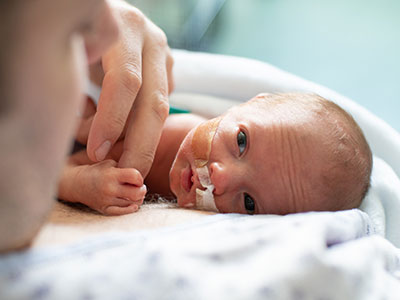
 Children’s National Hospital in Washington, D.C., was ranked as a top hospital in the nation by the U.S. News & World Report 2025-26 Best Children’s Hospitals annual rankings. This marks the ninth straight year Children’s National has made the Honor Roll list. The Honor Roll is a distinction awarded to only 10 children’s hospitals nationwide.
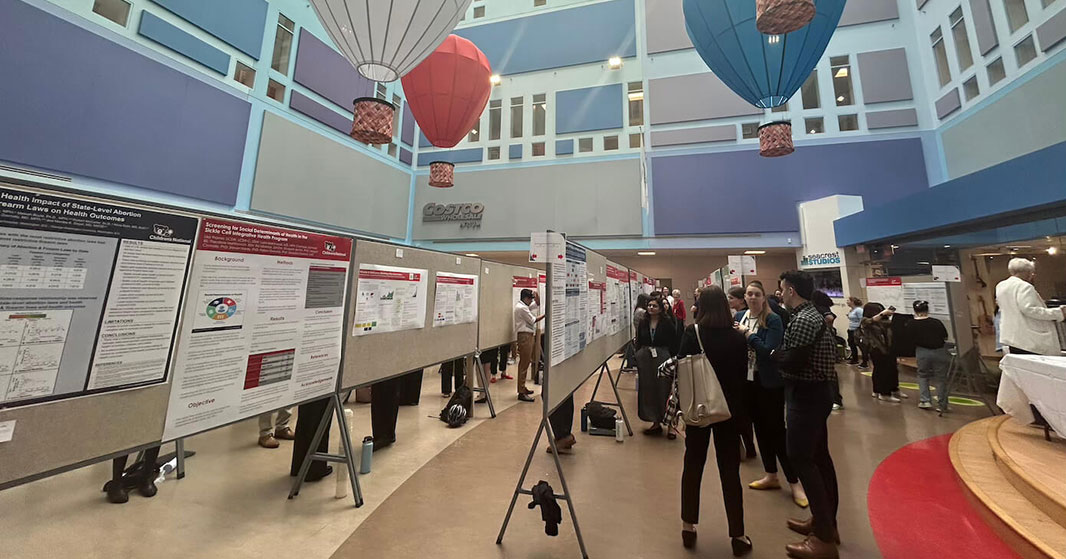


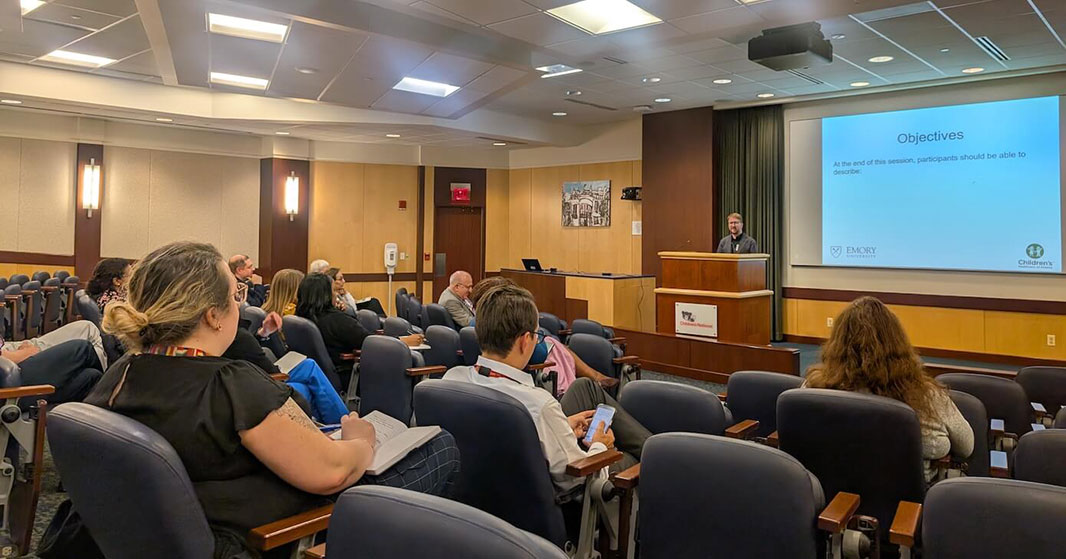
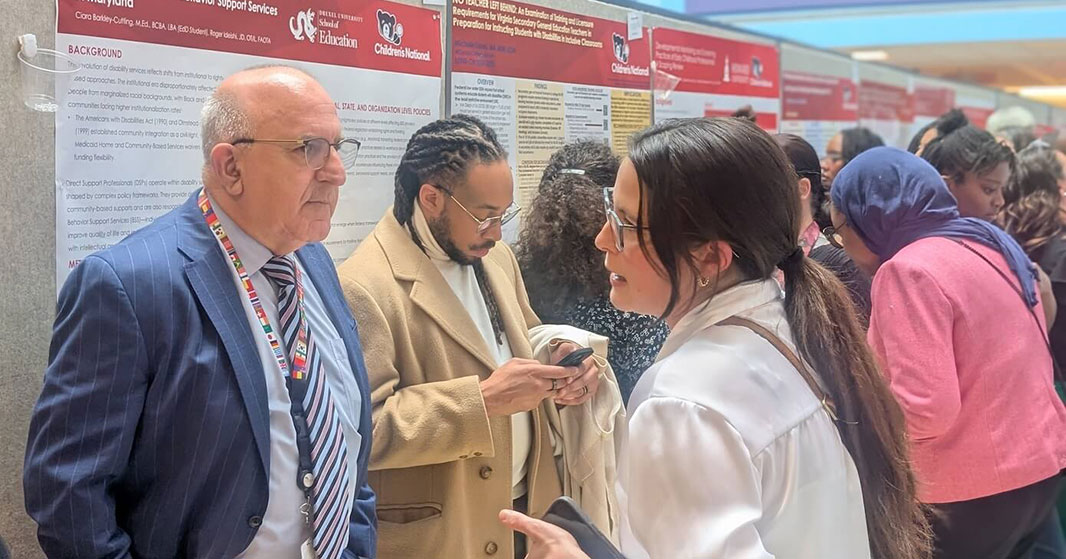
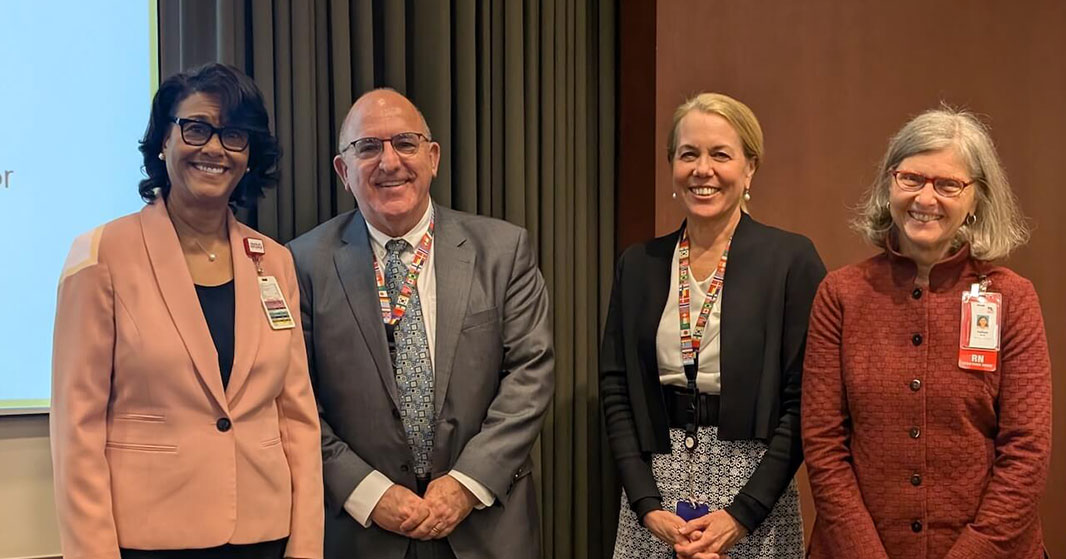

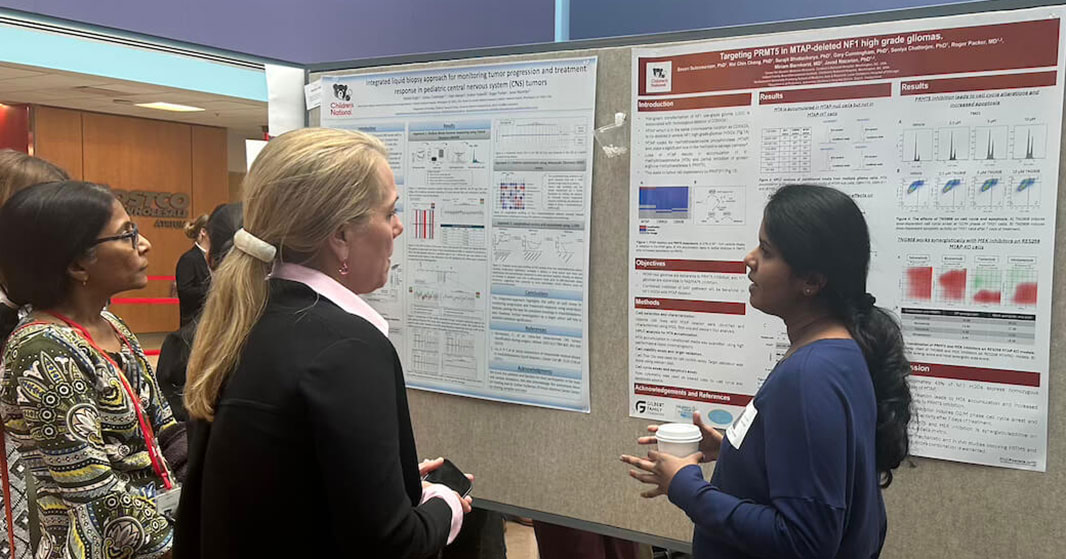





 In 2024, Children’s National Hospital continued to make remarkable strides across diverse areas of pediatric medicine, from groundbreaking technological innovations to critical health advocacy. The following compilation showcases ten significant stories that demonstrate the breadth and depth of the hospital’s impact, as featured in major national news outlets including NBC Nightly News, CNN, The Washington Post, The New York Times, NPR, The Today Show, Healio, and POLITICO. Delve into our 2024 news highlights for more.
 2024 marked another groundbreaking year for Children’s National Hospital, showcasing remarkable advances across the spectrum of pediatric medicine, research and healthcare innovation. From pioneering surgical procedures to breakthrough artificial intelligence applications, the institution continued to push the boundaries of what’s possible in children’s healthcare. Read on for our list of the most popular articles we published on Innovation District in 2024.
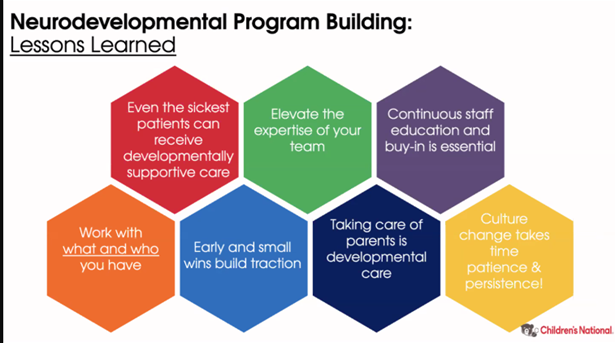


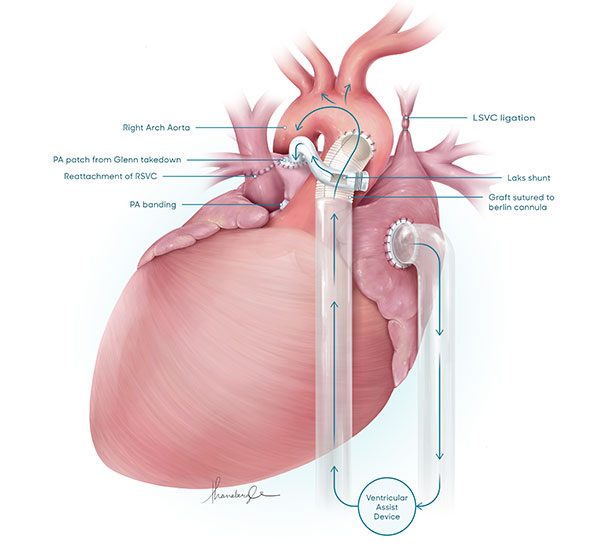
 Children’s National Hospital in Washington, D.C., was ranked as a top hospital in the nation by the




 Advanced MRI visualization techniques to follow blood flow in the hearts of cardiac patients. Gene therapy for pediatric patients with Duchenne muscular dystrophy. 3D-printed casts for treating clubfoot. These were among the most popular articles we published on Innovation District in 2023. Read on for our full list.
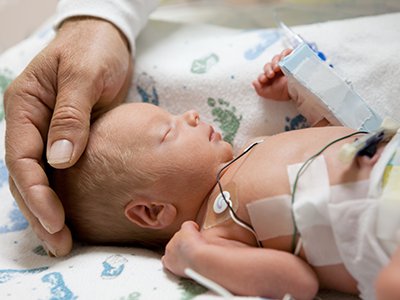

 The hospital will advocate for the unique needs of children as part of nationwide network working to accelerate transformative health solutions.