Cellular signals may increase atherosclerosis risk
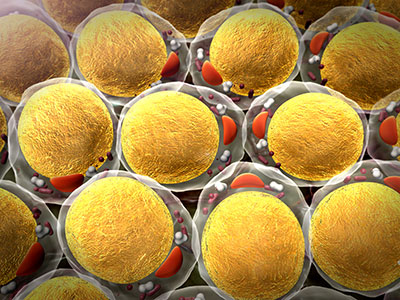
Fat cells from obese patients have the ability to send signals that can accelerate biological processes leading to atherosclerosis.
Obesity has been linked to a variety of adverse health conditions, including Type 2 diabetes, cancer, heart attack and stroke – conditions that may begin as early as childhood in patients whose obesity also begins early. While this much is known, it has been unclear how extra fat mass might lead to these chronic health conditions.
New research from Children’s National Health System scientists might help answer this question. In findings presented at the 2017 annual meeting of the Pediatric Academic Societies, the research team shows that exosomes – nanosized chemical messages that cells send to each other to regulate protein production – isolated from very obese teenage patients behave very differently from those derived from lean patients and could be key players in heightening the risk of developing atherosclerosis. This hardening of the arteries can, in turn, increase the risk of heart disease and stroke in adulthood.
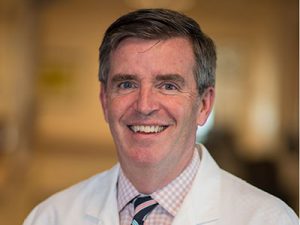
A research team led by Robert J. Freishtat, M.D., M.P.H., chief of emergency medicine at Children’s National, is exploring possible links between extra belly fat and obesity-related diseases, such as atherosclerosis, a buildup of plaque in arteries that can harden and restrict blood flow. More precise knowledge of the mechanisms by which obesity ratchets up heart risks holds the promise of helping the next generation of kids avoid experiencing chronic disease.
The working theory is that exosomes derived from belly fat from obese patients have the distinct ability to accelerate biological processes leading to atherosclerosis.
The research team isolated exosomes from five obese teenagers and compared them to five sex-matched lean adolescents. It turns out that exosomes derived from fat pick up their marching orders from microRNA content likely to target cholesterol efflux genes, which help reduce cholesterol buildup in cells.
The research team looked at differences in cholesterol efflux gene expression in THP-1 macrophages. Uptake of low-density lipoprotein cholesterol, “bad” cholesterol, was 92 percent higher than in those exposed to exosomes from obese patients compared with their lean counterparts. Exposure to obese exosomes also reduced cholesterol efflux.
“Atherogenic properties of fat-cell derived exosomes from obese patients differ markedly from the non-atherogenic profile of exosomes from lean patients. It is especially concerning that we see biological clues of heightened risk in teenagers, and the finding underscores how the seeds for atherosclerosis can be planted very early in life,” Dr. Freishtat says.
The presentation is the latest finding from a research team that, over years of work, is unraveling the mechanisms of cellular signaling by fat cells. By closely examining very obese children – who have the most severe cardiometabolic disease – the team identified strong molecular signals of disease risk that they can search for in leaner patients who may be at risk for disease years from now.
“We know that morbidly obese patients have cardiovascular issues,” explains Dr. Freishtat. “An unanswered question is for patients with no clinical symptoms who are a little overweight. Can we look at them and say whether they are at risk for developing atherosclerosis, insulin resistance or Type 2 diabetes five or 10 years down the line? That’s the whole rationale for doing this work.”
The critical issue is what exosomes are up to. Dr. Freishtat says in lean people, they’re active and are very important in maintaining stable metabolism and homeostatic processes.
“When a person becomes obese, however, exosomes evolve,” he says. “They no longer support insulin signaling, which is helpful, and drive processes in the reverse direction, repressing insulin signaling – which can be harmful,” he adds.
Ultimately, the research team aims to revolutionize how chronic diseases like Type 2 diabetes are diagnosed. For far too long, clinicians have relied on symptoms like high glucose levels and excess urination to diagnose diabetes.
“By the time you have symptoms, it’s too late,” says Dr. Freishtat. “In many cases, damage has been done by relentless exposure to high sugar levels. The biological processes that underlie the Type 2 diabetes process began five, 10, 15 years earlier. If we can detect it earlier, before symptoms arise, intervention is going to have a more significant impact on improving and extending patients’ lives.”
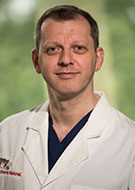 Dr. Yerebakan comes to Children’s National from the prestigious Pediatric Heart Center in Giessen, Germany, where he was appointed as an Associate Professor of Cardiac Surgery at the Justus-Liebig-University and performed hybrid treatment of hypoplastic left heart syndrome (HLHS). He was deeply involved in mechanical circulatory support and pediatric heart transplantation in Giessen – a leading center for pediatric heart transplantation in Europe. He also served as Chief of Clinical and Experimental Research in the Department of Congenital Cardiac Surgery at Justus-Liebig-University of Giessen, where he acquired several research grants and contributed to more than 20 abstract presentations at national and international meetings and 20 papers in peer-reviewed journals. . Dr. Yerebakan has published approximately 70 scientific papers with more than 160 impact points in three different languages. He is an active reviewer for journals such as the Journal of Thoracic and Cardiovascular Surgery, European Journal of Cardiothoracic Surgery and serves as assistant editor of the Interactive Cardiovascular and Thoracic Surgery journal and Multimedia Manual Cardiothoracic Surgery journal, both of which are official journals of the European Association of Cardiothoracic Surgery. He has had a distinguished academic career and is internationally recognized for his contributions to the field of congenital cardiac surgery, particularly in the treatment of HLHS and novel surgical treatments for heart failure in the pediatric population. Prior to his tenure at Pediatric Heart Center, Dr. Yerebakan completed his fellowship at Children’s in 2011.
 Dr. Ramakrishnan joined Children’s National as a fellow in 2014 after completing his fellowship in congenital cardiac surgery at two major centers in Australia. After his two-year fellowship at Children’s, he joined the faculty. Dr. Ramakrishnan has extensive experience in managing children with congenital heart disease. Apart from routine open heart procedures, he has a special expertise in extracorporeal membrane oxygenation (ECMO) procedures and patent ductus arteriosus (PDA) ligation in extremely premature babies. He also has a keen interest in studying clinical outcomes after pediatric heart surgery. His research projects have included analysis of the United Network of Organ Sharing (UNOS) and the Pediatric Health Information System® (PHIS) databases, and his research has resulted in numerous presentations at national and international meetings. Dr. Ramakrishnan is currently the principal investigator at Children’s National for the Pediatric Heart Transplant Study (PHTS) group and the study coordinator for the Congenital Heart Surgeons’ Society (CHSS) studies. He also is a member of the PHTS working group on the surveillance and diagnosis of cellular rejection, and his clinical studies have resulted in several publications in top peer-reviewed journals.