Tag Archive for: Biddle

Wellness wins! Strengthening school and health partnerships across the nation
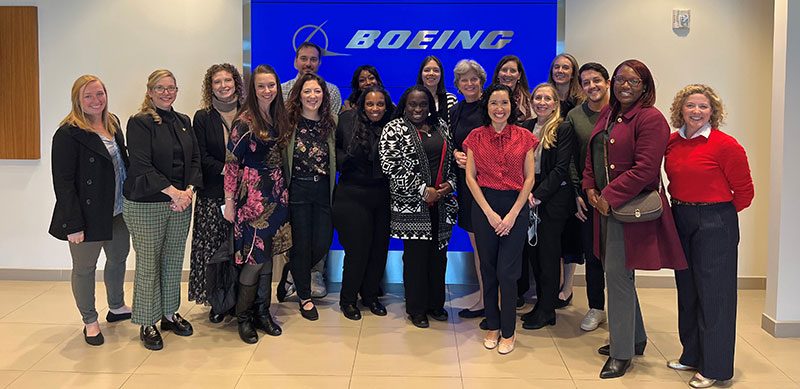
Children's National employees at The Boeing Center for Children’s Wellness

A day of learning and collaboration at the MUSC Boeing Center for Children’s Wellness

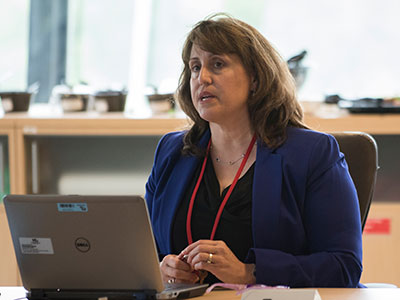
Cross-institution collaboration is accelerating efforts to create healthier school environments nationwide. In February 2026, Cara Biddle, MD, MPH, Danielle Dooley, MD, MPhil, Torine Creppy and other Children’s National Hospital community and school health leaders visited The Boeing Center for Children’s Wellness (BCCW) at the Medical University of South Carolina (MUSC) in Charleston, South Carolina. During the visit, they learned about the BCCW’s evidence-based approach to creating sustainable, health-promoting schools. The initiative weaves wellness into curriculum, policies, food services, physical and social environments, and community partnerships. Children’s National presented on the School-Friendly Health Systems framework and efforts to reduce school absenteeism, operate school-based health centers and collaborate through IMPACT DC to improve asthma control and keep kids in school.

How does this work move the field forward?

Since over 90% of children spend most of their day in school settings, it’s vital for pediatric hospitals to partner with schools. The MUSC BCCW School-based Wellness Initiative helps schools create healthy physical, social and emotional environments that support learning. Research shows that health-promoting school environments are linked to better grades, improved attendance and lower risk of chronic disease.

“In our Washington, D.C., Goldberg primary care centers, we care for nearly 50% of all children in DC. These are the same children that our colleagues in DC schools are teaching and connecting with every day. It is critical that we keep schools at the forefront of our partnerships and this site visit sparked collaboration and shared learning that will enable us to strengthen our school partnerships,” said Cara Biddle, MD, MPH, interim senior vice president, Community Health and division chief of General Pediatrics at Children’s National.

“At Children’s National, we’re committed to helping families thrive in their communities. Partnering with schools is an essential part of this work. Being able to do a hands-on site visit with another health system is invaluable for the exchange of ideas and for scaling up innovations in school partnerships,” said Torine Creppy, president of Safe Kids Worldwide and vice president of Community Engagement and Impact at Children’s National.

What did you find that excites you?

For more than 15 years, the MUSC BCCW School-based Wellness Initiative has demonstrated improvements in school absenteeism, high school graduation rates, and student BMI percentiles in participating schools. The site visit included tours of two high performing schools in Charleston, C.E. Williams North Middle School and Stono Park Elementary Schools, who recently received the MUSC BCCW grand prize wellness awards for creating healthier learning environments. Participating schools were evaluated using a wellness checklist and those who met criteria received a monetary award reinvested to sustain and expand their efforts.

The site visit was funded by The Boeing Company, which has supported community-oriented work at both Children’s National and MUSC. This support will elevate, expand and leverage the Children’s National School-Friendly Health Systems Learning Collaborative to disseminate the MUSC BCCW School-based Wellness Initiative to children’s hospitals nationwide through the Children’s National-led collaborative. The MUSC BCCW model provides direct support for more than 20 school districts and 316 schools in South Carolina and Pennsylvania and implements universal wellness strategies targeting improved nutrition, increased physical activity and enhanced social-emotional wellness for students and staff.

“This grant supports the next generation of leaders and innovators. This initiative is about helping kids be happier and healthier in school and life,” said Jessica Williford, senior director of State Advocacy and Global Engagement at Boeing South Carolina.

Children’s National led the development of the School-Friendly Health Systems guiding principles and a roadmap for scaling the framework in partnership with more than 15 other children’s hospitals and partners. Becoming school-friendly means that hospitals and health systems have made a commitment to actively help children achieve optimal health and reach their full academic potential.

Children’s National will host virtual SFHS webinars beginning March 2026 and an in-person School Health Wellness Symposium on June 9, sponsored by The Boeing Company. For more information on the SFHS Learning Collaborative, contact School Partnerships@childrensnational.org.
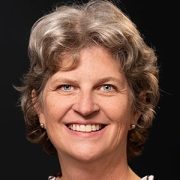
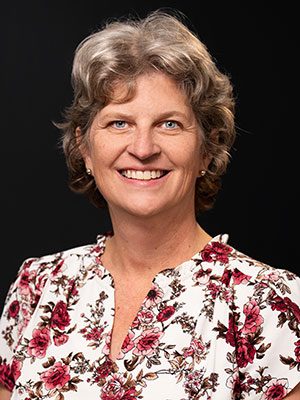
Cara Larson Biddle, MD, MPH, named as the Diane and Norman Bernstein Professor of Community Pediatrics

Cara Larson Biddle, MD, MPH

“I’m very honored to be the new Diane and Norman Bernstein Professor of Community Pediatrics,” Dr. Biddle says. “My goal is to safeguard and sustain key community programs that are so vital to our children and families. This is such wonderful support.”

Children’s National Hospital named Cara Larson Biddle, MD, MPH, as the Diane and Norman Bernstein Professor of Community Pediatrics.

Dr. Biddle serves as interim senior vice president for Community Health and is the division chief of General Pediatrics and Community Health at Children’s National. She trains medical students and residents, with an emphasis on general pediatrics and delivering community-focused, comprehensive healthcare services in the medical home setting.

The big picture

Dr. Biddle joins a distinguished group of Children’s National physicians and scientists who hold an endowed chair. We are grateful to generous donors who have altogether funded 51 professorships.

Professorships support groundbreaking work on behalf of children and their families. They foster new discoveries and innovations in pediatric medicine. These appointments carry prestige and honor that reflect the recipient’s achievements and the donor’s commitment to advancing and sustaining knowledge.

Why it matters

A native Washingtonian, Dr. Biddle has a deep-rooted commitment to children and families in the community, especially those living in under-resourced areas. Dr. Biddle also has expertise in the care of children and adolescents with complex and chronic healthcare conditions. She has served Children’s National for 20 years.

Dr. Biddle played a lead role in integrating complex care and mental and behavioral health into the Goldberg Center for Community Pediatric Health, enabling patients to receive continuous, coordinated treatment at their local primary care locations.

“I’m very honored to be the new Diane and Norman Bernstein Professor of Community Pediatrics,” Dr. Biddle says. “My goal is to safeguard and sustain key community programs that are so vital to our children and families. This is such wonderful support.”

Moving the field forward

The Diane and Norman Bernstein Foundation, through its vision and generosity, is ensuring that Dr. Biddle and future holders of this professorship will launch bold, new initiatives to advance the field of community pediatric health, elevate our leadership and improve the lives of all children in the Washington, D.C., area.

Diane and Norman Bernstein had a decades-long relationship with Children’s National. Diane was a volunteer and an employee at Children’s National during the 1970s and 1980s. The couple created this endowment to support initiatives and partnerships that improve healthcare delivery and outcomes for children and their families in the community. The Bernsteins passed away in 2021, but their legacy of giving continues throughout the capital area.

We are delighted to know Diane & Norman’s endowment to Children’s National Hospital enables Dr. Biddle to expand the hospital’s reach in pediatric community health,” says Kelly Lynch, executive director, Diane & Norman Bernstein Foundation. “Diane was a lifelong activist on children’s issues. She believed deeply that for kids to thrive, they must have access to excellent healthcare. Dr. Biddle’s work will continue her spirited legacy.

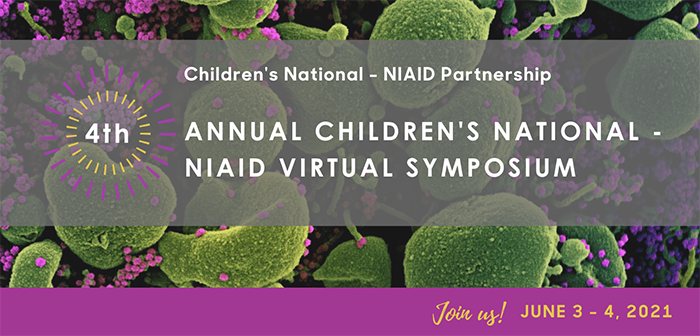
4th Annual Children’s National Hospital-NIAID Virtual Symposium

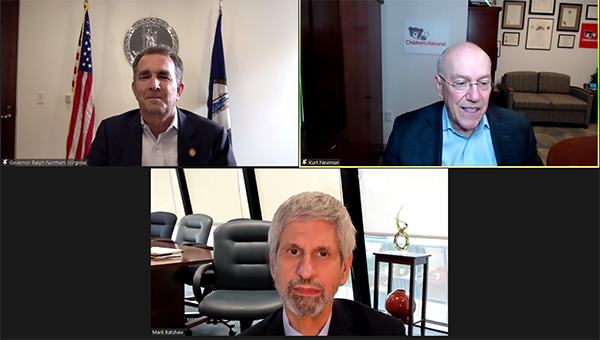
Screenshot of Drs. Northam, Newman and Batshaw

Keynote speaker Virginia Governor and pediatric neurologist, Ralph Northam, joined Dr. Kurt Newman, president and CEO of Children’s National Hospital, and Dr. Mark Batshaw, executive vice president, physician-in-chief and chief academic officer at Children’s National Hospital, during the 4th Annual Children’s National Hospital-NIAID Virtual Symposium.

Children’s National Hospital and the National Institute of Allergy and Infectious Diseases (NIAID) hosted their 4th annual symposium, attracting nationwide researchers, trainees and health care professionals to share updates on the COVID-19-related condition known as Multisystem Inflammatory Syndrome (MIS-C) in Children, allergy and immunology in the pediatric population.

“Children’s National relationship with the NIAID is a strategic and novel alliance that benefits children everywhere,” said Kurt Newman, M.D., President and CEO of Children’s National Hospital. “I’m so proud of our unique partnership and how it has enriched the high-quality research being conducted at Children’s National and enabled us to interact on pressing health issues. With the opening of our new Children’s National Research & Innovation Campus on the grounds of the former Walter Reed Army Medical Center, the sky is the limit to how we can work together with the NIAID to innovate for kids so that we help them grow up stronger.”

The discussions at the symposium centered around various topics, including clinical manifestations of SARS-CoV-2 in children, comparative disease biology manifestation in children and adults, therapies and vaccines in the pediatric setting, intersectionality of allergy, immunology and COVID-19, modulating biologic factors in immune regulation and treatments that invoke tolerance in allergy.

Keynote speaker Virginia Governor and pediatric neurologist, Ralph Northam, spoke about the COVID-19 pandemic and strategies to reintroduce children into schools and sports.

“Schools provide stability and structure. We know that children need to be in school for educational achievements and their mental health, but it has taken time to make school staff and families more comfortable with a greater time of in-person learning,” said Dr. Northam. “Our goal is to have all in-person learning this fall. That is where our children need to be because it is the safest place for children.”

During the keynote session, Dr. Northam also addressed the mental health issues related to the pandemic where pediatricians have seen an increase in depression and suicide rates.

“As we move forward to a back more normal life, we need to keep an eye on these children and make sure that they continue to get the support and treatment that they need,” said Dr. Northam.

Below are the speakers and the focus of their presentations.

  • Post-COVID cardiac manifestations in children: Anita Krishnan, M.D., Children’s National
  • Immunomodulation and Cytokine Profiling in MIS-C: Hemalatha Srinivasalu, M.D., Children’s National
  • The MUSIC study: Long-TerM OUtcomes After the Multisystem Inflammatory Syndrome in Children: Jane Newburger, M.D., Boston Children’s Hospital
  • MIS-C in Typical Cases and Down Syndrome: Dusan Bogunovic, M.D., Mount Sinai
  • Age-Related Virus-Specific T-Cell Responses to SARS-CoV-2: Susan Conway, M.D., Children’s National
  • Systems Immunology of COVID-19: Integrating Patient and Single Cell Variations: John Tsang, Ph.D., NIAID
  • Therapeutics for Children with COVID-19: Trying to be Data Driven in the Absence of Pediatric Trials: Andy Pavia, M.D., University of Utah
  • SARS-CoV-2 Vaccine Clinical Research: Alicia Widge, M.D., NIAID
  • Implementation and Public Health Aspects: Cara Biddle, M.D., M.P.H., Children’s National
  • COVID-19 and Pediatric Asthma: William Sheehan, M.D., Children’s National
  • The COVID-19 Pandemic and Immunodeficiency: The Burden and Emerging Evidence: Jessica Durkee-Shock, M.D., NIAID
  • SARS-CoV-2 Infection in Children with Cancer: The MSK Experience: Andy Kung, M.D., Memorial Sloan Kettering
  • Adaptive and Maladaptive Immunity to the Microbiota: Implication for Inflammatory Disorders: Yasmine Belkaid, M.D., NIAID
  • Deep Immune Profiling of Peanut Reactive CD4+ T-Cells Reveals Distinct Immunotypes Link to Clinical Outcome: Erik Wambre, M.D., Benaroya Research Institute
  • B Cells and Food Allergy: Not Just for Making IgE: Adora Lin, M.D., Ph.D., Children’s National
  • Emerging Biologic Therapies for Food Allergy: Hemant Sharma, M.D., Children’s National
  • The Promise and Limits of Allergen Immunotherapy: Carla Davis, M.D., Texas Children’s
  • Maternal Fetal Interactions in Food Tolerance: Michiko Oyoshi, M.D., Harvard Medical School

The Clinical and Translational Science Institute at Children’s National (CTSI-CN) and the NIAID organized the 4th annual symposium and wished to showcase some of the critical research being done on this worldwide infectious disease, particularly amongst the pediatric population and those affected with allergic and immunologic disease. By sharing this work, they hope it will help continue to drive the advancement of pediatric research in relation to this disease.

The research partnership between Children’s National and the National Institute of Allergy and Infectious Diseases (NIAID) is devoted to protecting and advancing the health of children with allergic, immunologic, autoinflammatory and infectious diseases through collaborative research and education. The partnership co-hosts an annual symposium to disseminate new information about science related to the partnership.

To view all the presentations from the symposium, click here.

For questions about the symposium or projects there, contact: CN-NIAIDPartnership@childrensnational.org.

NIAID Symposium banner

Multidisciplinary experts help CDC’s Zika research

“We are very excited about this next phase in our Zika research,” says Roberta L. DeBiasi, M.D., M.S. “It is a natural extension of our earlier participation as subject matter experts assisting as the CDC developed and published guidelines to inform the care of Zika-exposed and Zika-infected infants across the nation and U.S. territories.”

The Centers for Disease Control and Prevention (CDC) is funding three multidisciplinary experts from the Congenital Zika Virus Program at Children’s National Health System to collaborate on two of the CDC’s longitudinal Zika research projects in Colombia, South America.

“Zika en embarazadas y niños en Colombia” (ZEN) is a research study jointly designed by Colombia’s Instituto Nacional de Salud (INS) and the CDC to evaluate the association between Zika virus infection and adverse maternal, fetal and infant health outcomes. The study is following a large cohort of Colombian women from the first trimester of pregnancy, their male partners and their infants.

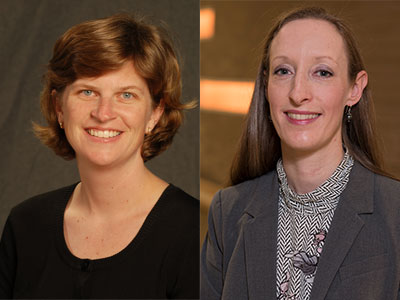
Under the six-month contract, Roberta L. DeBiasi, M.D., M.S., Sarah B. Mulkey, M.D., Ph.D., and Cara Biddle, M.D., M.P.H., will serve as consultants for the ZEN study providing expertise in pediatric infectious diseases, neurology, neurodevelopment and coordination of the complex care needs of Zika-affected infants.

The federal funding will underwrite the consultants’ work effort, as well as travel to the CDC’s headquarters in Atlanta and to research sites in Colombia. To that end, Drs. DeBiasi, Mulkey and Biddle participated in a December 2017 kickoff meeting, joining ZEN team leaders based in the U.S. at the CDC, as well as the INS in Colombia, with whom they will conduct research and collaborate academically.

Cara-Biddle-and-Sarah-Mulkey

Cara Biddle, M.D., M.P.H., and Sarah B. Mulkey, M.D., Ph.D., also will serve as consultants for the ZEN study.

“We are very excited about this next phase in our Zika research,” says Dr. DeBiasi, chief of the Division of Pediatric Infectious Diseases and co-director of the Children’s Zika program. “It is a natural extension of our earlier participation as subject matter experts assisting as the CDC developed and published guidelines to inform the care of Zika-exposed and Zika-infected infants across the nation and U.S. territories.”

Children’s National is leading its own longitudinal studies in Colombia that explore such questions as whether Zika-exposed infants whose neuroimaging appears normal when they are born experience any longer-term neurological issues and the role of genetics in neurologic injury following congenital Zika virus exposure and infection.

Zika virus, one year later

Drs. DeBiasi and du Plessis

A multidisciplinary team at Children’s National has consulted on 66 Zika-affected pregnancies and births since May 2016.

The first pregnant patient with worries about a possible Zika virus infection arrived at the Children’s National Health System Fetal Medicine Institute on Jan. 26, 2016, shortly after returning from international travel.

Sixteen months ago, the world was just beginning to learn how devastating the mosquito-borne illness could be to fetuses developing in utero. As the epidemic spread, a growing number of sun-splashed regions that harbor mosquitoes that efficiently spread the virus experienced a ballooning number of Zika-affected pregnancies and began to record sobering birth defects.

The Washington, D.C. patient’s concerns were well-founded. Exposure to Zika virus early in her pregnancy led to significant fetal brain abnormalities, and Zika virus lingered in the woman’s bloodstream months after the initial exposure — longer than the Centers for Disease Control and Prevention (CDC) then thought was possible.

The research paper describing the woman’s lengthy Zika infection, published by The New England Journal of Medicine, was selected as one of the most impactful research papers written by Children’s National authors in 2016.

In the intervening months, a multidisciplinary team at Children National has consulted on 66 pregnancies and infants with confirmed or suspected Zika exposure. Thirty-five of the Zika-related evaluations were prenatal, and 31 postnatal evaluations assessed the impact of in utero Zika exposure after the babies were born.

The continuum of Zika-related injuries includes tragedies, such as a 28-year-old pregnant woman who was referred to Children’s National after imaging hinted at microcephaly. Follow-up with sharper magnetic resonance imaging (MRI) identified severe diffuse thinning of the cerebral cortical mantle, evidence of parenchymal cysts in the white matter and multiple contractures of upper and lower extremities with muscular atrophy.

According to a registry of Zika-affected pregnancies maintained by the CDC, one in 10 pregnancies across the United States with laboratory-confirmed Zika virus infection has resulted in birth defects in the fetus or infant.

“More surprising than that percentage is the fact that just 25 percent of infants underwent neuroimaging after birth – despite the CDC’s recommendation that all Zika-exposed infants undergo postnatal imaging,” says Roberta L. DeBiasi, M.D., M.S., chief of the Division of Pediatric Infectious Diseases and co-director of the Congenital Zika Virus Program at Children’s National. “Clinicians should follow the CDC’s guidance to the letter, asking women about possible exposure to Zika and providing multidisciplinary care to babies after birth. Imaging is an essential tool to accurately monitor the growing baby’s brain development.”

Adré du Plessis, M.B.Ch.B., M.P.H., director of the Fetal Medicine Institute and Congenital Zika Virus Program co-leader, explains the challenges: ”When it comes to understanding the long-term consequences for fetuses exposed to the Zika virus, we are still on the steepest part of the learning curve. Identifying those children at risk for adverse outcomes will require a sustained and concerted multidisciplinary effort from conception well beyond childhood.”

In addition to counseling families in the greater Washington, D.C. region, the Children’s research team is collaborating with international colleagues to conduct a clinical trial that has been recruiting Zika-infected women and their babies in Colombia. Pediatric Resident Youssef A. Kousa, D.O., Ph.D., M.S., and Neurologist Sarah B. Mulkey, M.D., Ph.D., will present preliminary findings during Research and Education Week 2017.

In Colombia as well as the District of Columbia, a growing challenge continues to be assessing Zika’s more subtle effects on pregnancies, developing fetuses and infants, says Radiologist Dorothy Bulas, M.D., another member of Children’s multidisciplinary Congenital Zika Virus Program.

The most severe cases from Brazil were characterized by interrupted fetal brain development, smaller-than-normal infant head circumference, brain calcifications, enlarged ventricles, seizures and limbs folded at odd angles. In the United States and many other Zika-affected regions, Zika-affected cases with such severe birth defects are outnumbered by infants who were exposed to Zika in utero but have imaging that appears normal.

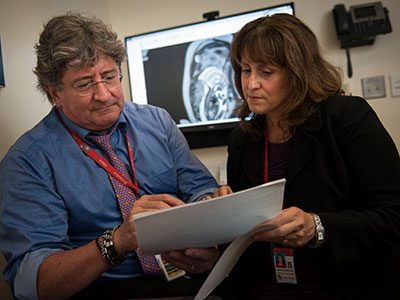
In a darkened room, Dr. Bulas pores over magnified images of the brains of Zika-infected babies, looking for subtle differences in structure that may portend future problems.

“There are some questions we have answered in the past year, but a number of questions remain unanswered,” Dr. Bulas says. “For neonates, that whole area needs assessment. As the fetal brain is developing, the Zika virus seems to affect the progenitor cells. They’re getting hit quite early on. While we may not detect brain damage during the prenatal period, it may appear in postnatal images. And mild side effects that may not be as obvious early on still have the potential to be devastating.”