Building the future of pediatric neurogenomics through education and access
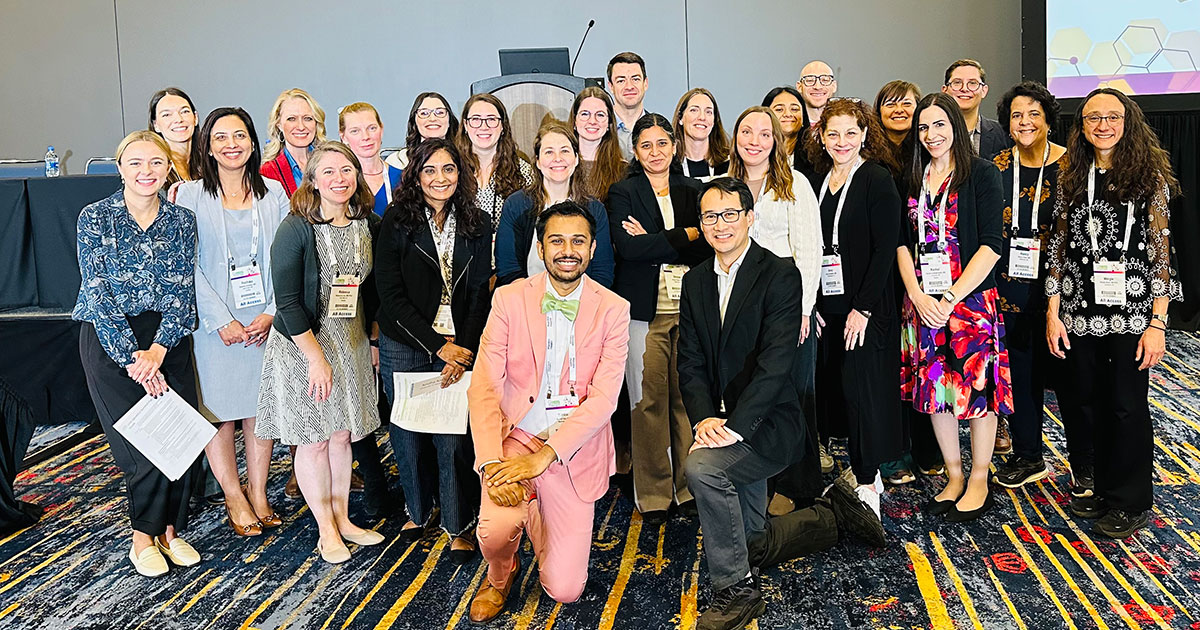
The team of neurogeneticists, educators, and genetic counselors at the Genetics Summit directed by Kuntal Sen, MD.
As genetic testing and targeted therapies rapidly reshape care for children with neurologic conditions, a major gap has emerged between what medicine can do and how pediatric neurologists are trained to deliver it. Kuntal Sen, MD, a clinician-educator at Children’s National Hospital, dual-trained in neurology and genetics, has spent years working to close that gap.
His latest manuscript in Pediatric Neurology, “Emerging Topics in Neurogenomics: Summary from Inaugural CNS Genetics Summit”, brings together 26 authors from 19 institutions across the country and reflects five years of national, education-driven work to better prepare pediatric neurologists for the era of genomic medicine, a field that uses a patient’s genetic information to guide medical care. First authored by Dr. Sen and supported by collaborators including Jeffrey Strelzik, MD, program director of Child Neurology residency at Children’s National, the paper builds on the inaugural Child Neurology Society Genetics Summit held in 2025 in Charlotte, North Carolina.
The work examines some of the most important emerging areas in neurogenomics, including how to integrate genetic testing into everyday clinical practice, improve access and equity in testing, use rapid exome sequencing for critically ill children in the ICU and prepare for gene-targeted clinical trials. “This work is about making genetic testing a standard part of pediatric neurology care,” says Dr. Sen. “It should be viewed the same way we think about EEG, MRI or lumbar puncture, not as a specialty tool, but as a core part of how we diagnose and care for children with neurological symptoms.”
Dive deeper
The practice of child neurology has changed rapidly over the past two decades. Conditions once considered complex, degenerative or unexplained are now being molecularly defined through advances in genetic testing. Across epilepsy, autism, movement disorders and neuromuscular disease, clinicians can increasingly identify the exact cause of a child’s condition and, in some cases, offer targeted treatment. A national survey conducted by Dr. Sen in 2021 found that most pediatric neurology trainees across the U.S. did not feel comfortable ordering or interpreting genetic tests. Follow-up qualitative assessments with residency program directors and recent graduates confirmed the same challenge.
In response, Dr. Sen and collaborator Louis Dang, MD, PhD, of the University of Michigan developed a national genetics curriculum that has since been adopted across multiple residency programs. That effort later expanded into the Child Neurology Society Genetics Summit, an interactive national workshop that brought together neurogeneticists, medical educators and genetic counselors; designed to help clinicians apply genomics in real-world care settings.
The manuscript captures both the lessons from that summit and the larger effort behind it, using Kern’s curriculum development framework to create a structured, scalable model for improving genetics education across pediatric neurology.
What this means
For many families, navigating rare neurologic disease and getting answers can take years. Without timely access to genetic testing, patients often move through a long diagnostic odyssey without a clear explanation for their symptoms or connection to others facing the same condition. Larger academic medical centers may have the resources to keep pace with genomic advances, but smaller centers often face significant barriers.
By improving clinician confidence and making genetic tools more accessible across care settings, Dr. Sen hopes to ensure that advances like exome and genome sequencing and emerging gene therapies are not limited to a few specialized centers. “In rare disease, breakthroughs often happen not just through standardized research, but through shared conversations and collective learning,” says Dr. Sen. “That’s how we move faster for patients.”
Why this matters
Led by Children’s National, the project brought together experts from leading institutions including Children’s Hospital of Philadelphia, Stanford University, Mayo Clinic and the University of Alabama at Birmingham. This work reflects the hospital’s commitment to translating innovation into everyday practice and ensuring those advances reach children everywhere.
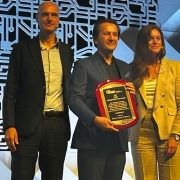
As genomic medicine continues to accelerate, Dr. Sen believes the future of pediatric neurology depends on building confidence across the entire workforce. “For the field of pediatric neurology to truly move forward, two things need to happen: every clinician needs to feel comfortable ordering and interpreting broad-based genetic testing in collaboration with genetics experts; and each clinician needs to go deep into a handful of disorders—driving natural history studies, biomarker development, and therapeutic advances—so the field evolves into a web of interconnected expertise,” Dr. Sen says. For his innovative contributions at the intersection of medical education and neurogenetics, Dr. Sen was recognized by the American Academy of Neurology with the prestigious A.B. Baker Teacher Award.
Read the full article “Emerging Topics In Neurogenomics: Summary from Inaugural CNS Genetics Summit” in Pediatric Neurology here.