Nobel laureate Dr. Jennifer Doudna highlights the future of gene therapy for sickle cell disease at Children’s National
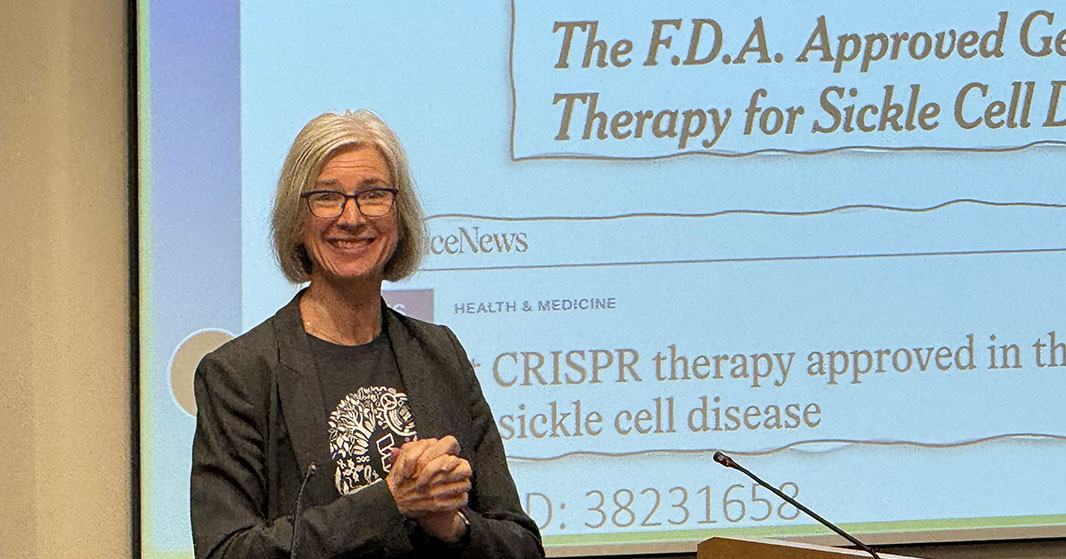
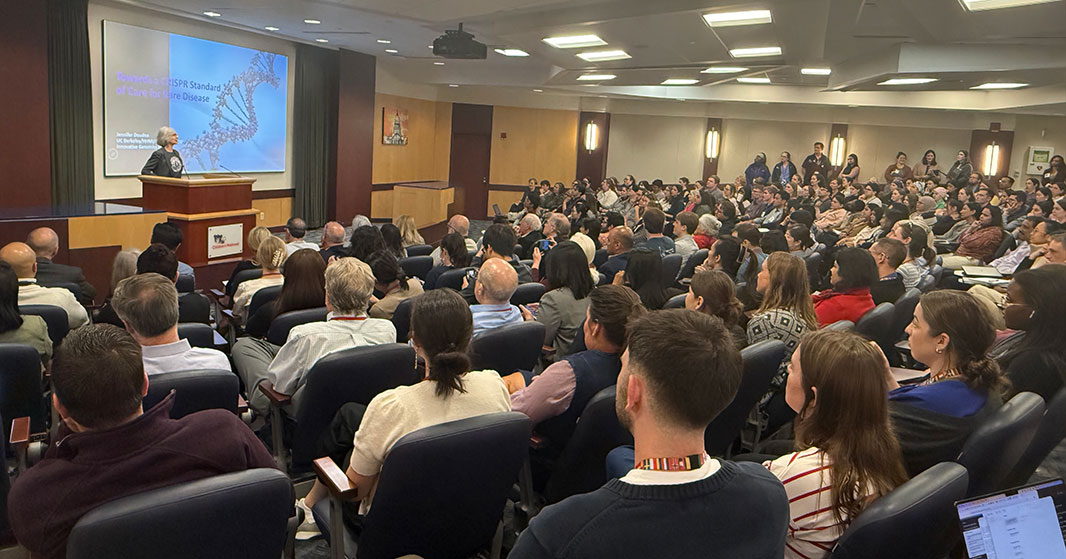
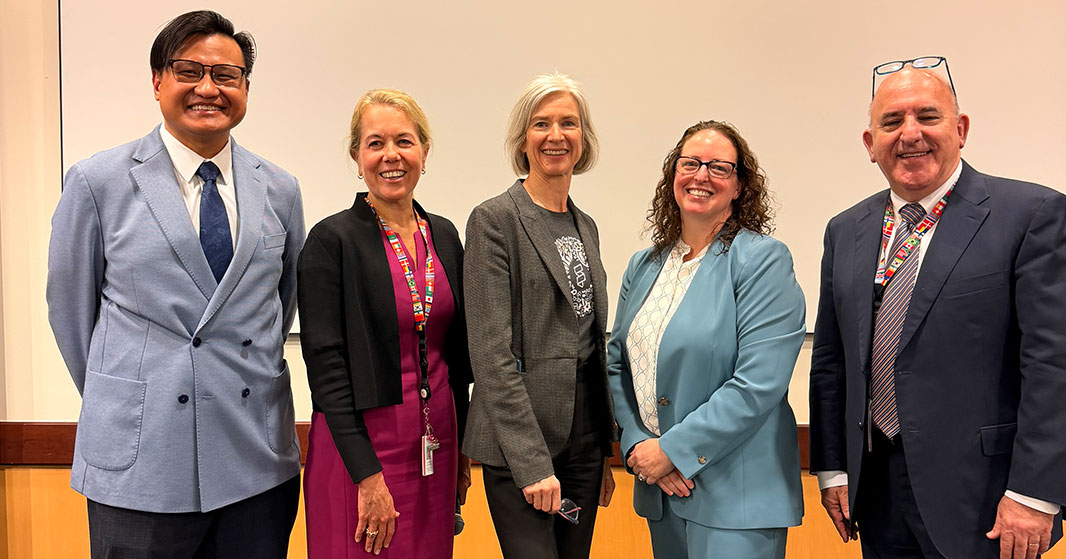
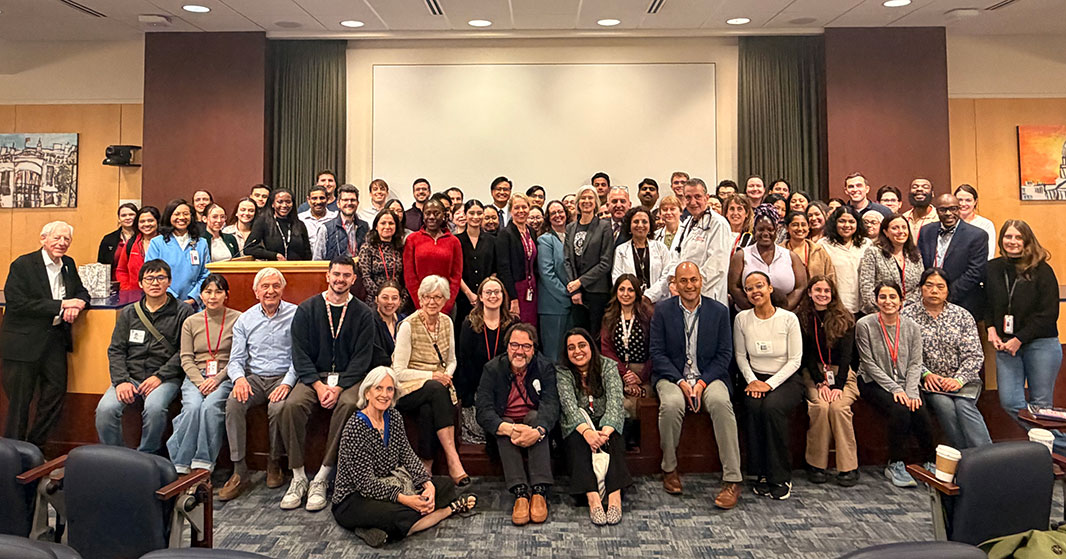
Gene therapy for families affected by sickle cell disease is transitioning from a theoretical concept to an achievable clinical reality. That reality was on full display at Children’s National Hospital as Nobel laureate Jennifer Doudna, PhD, professor of chemistry and molecular and cell biology at the University of California, Berkeley, and founder of the Innovative Genomics Institute, visited for the Annual Allistair Abraham, MD, Endowed Lecture, bringing together researchers, clinicians, patients and families for a conversation about the future of gene and cell therapy.
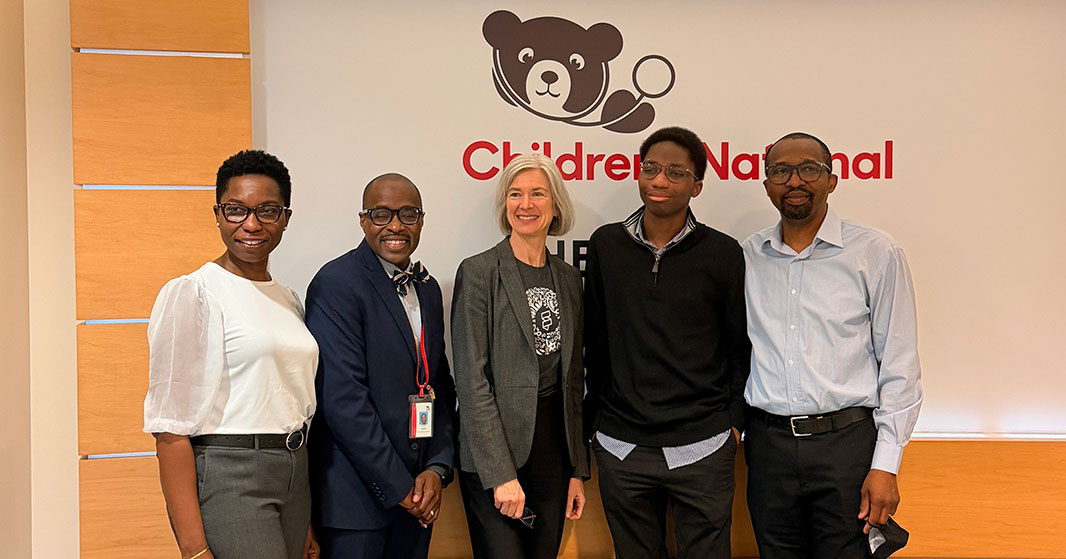
One of the most meaningful moments of the day came when Wedam Minyila, a Children’s National patient who has received gene therapy for sickle cell disease, had the opportunity to meet Dr. Doudna in person. Their meeting served as a powerful reminder of what scientific discovery can mean for children and families facing life-changing diagnoses.
Dr. Doudna, who was awarded the Nobel Prize in Chemistry for her role in developing CRISPR gene-editing technology, spoke about how the breakthrough has transformed medicine’s ability to treat inherited diseases at their source. Her work has helped reshape the future of care for patients with genetic conditions, including sickle cell disease, by creating new possibilities for therapies that target the disease at the DNA level.
Her lecture focused on the science behind CRISPR and the growing momentum around gene therapies for sickle cell disease, a condition that disproportionately affects children and families across the region and remains a major focus of care and research at Children’s National.
She also emphasized the importance of ensuring these breakthroughs reach the patients and communities who need them most. As gene-editing therapies move from the lab into clinical care, accessibility and long-term impact remain central to the conversation. That mission closely aligns with the work happening across Children’s National, where physician-scientists and clinical teams continue advancing pediatric research in hematology, gene therapy and precision medicine.
The Annual Allistair Abraham, MD, Endowed Lecture honors the legacy of Dr. Abraham, whose contributions as a physician and researcher helped shape the field of sickle cell disease care. Established through the generosity of an anonymous family, the endowed lectureship recognizes his lasting impact and supports the education of future physician-scientists in gene and cell therapy.
By bringing leaders like Dr. Doudna to campus, the lecture creates opportunities for collaboration and inspiration across the hospital’s research community while reinforcing Children’s National Hospital’s commitment to translating discoveries into better outcomes for children.