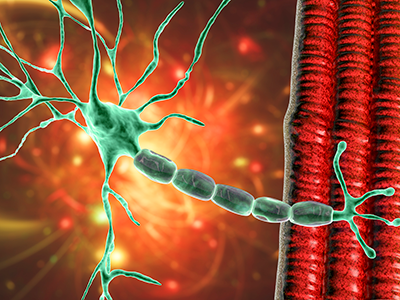
The Neuromuscular Medicine Program at Children’s National offers care through a robust, multidisciplinary clinic that brings together specialists in neurology, cardiology, pulmonology, endocrinology and bone health, physical and occupational therapy, nutrition and other key disciplines. This integrated model ensures that patients and families receive coordinated care that addresses the complex and evolving needs associated with Duchenne.
PPMD requires centers to reapply for certification every five years to ensure ongoing adherence to strict criteria, including specialist expertise, coordinated care models and comprehensive services. Recertification provides assurance of consistent, evidence-based care for individuals with Duchenne muscular dystrophy.
Introduced in 2025, the Clinical Research Designation distinguishes Certified Duchenne Care Centers that actively conduct Duchenne clinical trials and research. This designation highlights programs that contribute to reducing variability in care, strengthening clinical trial outcome measures and accelerating the development of emerging therapies.
“Recertification as a Certified Duchenne Care Center affirms Children’s National’s commitment to coordinated, evidence-based Duchenne care,” said Sarah Wright, DO, program director of the Neuromuscular Medicine Program. “The Clinical Research Designation builds on that foundation, reflecting our focus on advancing research, expanding access to clinical trials, and improving outcomes for patients and families.”
Through recertification and this new research designation, Children’s National continues to serve as a clinical and research resource within the national Duchenne care network while also improving the care of all patients with neuromuscular diagnoses.
https://innovationdistrict.childrensnational.org/wp-content/uploads/2026/01/Neuromuscular-Medicine-Team-feature.jpg300400Innovation Districthttps://innovationdistrict.childrensnational.org/wp-content/uploads/2025/09/InnovationDistrict_CN_WebHeader-1396px-1030x151.pngInnovation District2026-01-21 11:18:002026-01-21 11:19:05Children’s National recertified as PPMD Certified Duchenne Care Center with Clinical Research Designation
A new multicenter study shows how COVID-19 variants affected children with tracheostomy, with high risk across all waves.
When the COVID-19 pandemic began, many of the hardest questions centered on children with medical complexity. Clinicians knew these patients were vulnerable to respiratory infections, but there was little data to guide care as COVID-19 evolved into new variants. For children with tracheostomy, even small respiratory changes can lead to rapid deterioration, making that uncertainty especially concerning.
Acute respiratory infections are already the leading cause of illness and death in children with tracheostomy. Hospital admissions for concern of bacterial tracheostomy-associated infection are common, and viral infections often complicate care. As COVID-19 spread and changed over time, clinicians needed clearer evidence about how this virus behaved in a population living with very limited respiratory reserve.
What the study examined
To address that gap, researchers from six children’s hospitals, including Children’s National Hospital, conducted a multicenter prospective cohort study examining COVID-19 outcomes in children with tracheostomy. The study followed 103 children across 108 hospital admissions. All were hospitalized for concern of bacterial tracheostomy-associated infection and tested positive for COVID-19 at the time of admission. The analysis spanned the early or alpha, delta, and omicron variant periods.
These were not mild cases. Across every variant, most children required increased respiratory support during hospitalization. Between 76 and 89 percent needed more oxygen, and 35 to 67 percent required increased ventilatory support. While deaths were uncommon, mortality still occurred in 3 to 6 percent of cases. COVID-19 posed real risk for children with tracheostomy, regardless of variant.
Key findings by variant
While overall risk remained high, the delta period stood out. Children hospitalized during the delta wave were significantly more likely to receive dexamethasone than those hospitalized during the early or alpha period. Nearly 80 percent of children hospitalized during delta received steroids, compared with 40 percent during alpha.
This difference aligned with other signals of increased inflammation. C-reactive protein levels were significantly higher during delta infections, suggesting a stronger inflammatory response. Clinicians also observed clinically meaningful increases in ventilatory support during the delta period. Some differences did not reach statistical significance due to smaller sample sizes, but the pattern reflected what many providers experienced during that phase of the pandemic.
“We were seeing children who already had very limited respiratory reserve needing more support during delta infections,” said Andrea Hahn, MD, MS, a pediatric infectious disease physician at Children’s National and study author. “This kind of data helps put those clinical experiences into context and gives us evidence to better guide care for this population.”
Omicron infections looked different. Children hospitalized during the omicron period were less likely to present with hypoxia or require increases in ventilator settings compared to those hospitalized during alpha or delta. This mirrors broader pediatric trends showing that omicron often caused less severe lower respiratory disease, even as it spread more easily.
That distinction matters, but it does not eliminate risk. Many children with tracheostomy infected during the omicron period still required hospitalization, oxygen support and close monitoring as even modest respiratory changes can escalate quickly for these medically complex children.
A surprising vaccination gap
One of the most striking findings in the study was persistently low COVID-19 vaccination rates. Across all three variant periods, only 10 to 17 percent of children were vaccinated prior to hospitalization. Those rates did not meaningfully increase over time, even as vaccines became widely available and pediatric vaccination rates rose nationally.
This was unexpected. Children with tracheostomy are at higher risk for severe respiratory illness, yet they appeared less likely to be vaccinated than children overall. The study could not determine why, but it raises important questions about access, caregiver concerns, and how vaccination guidance is communicated to families of children with medical complexity.
What this means for clinicians and families
This is the largest study published to date examining COVID-19 outcomes in children with tracheostomy. It confirms that vulnerability persisted across variants and that changes in variant behavior did not eliminate risk. It also points to clear opportunities to strengthen prevention efforts and better support families navigating complex care decisions.
https://innovationdistrict.childrensnational.org/wp-content/uploads/2026/01/breathing-equipment-feature.jpg300400Innovation Districthttps://innovationdistrict.childrensnational.org/wp-content/uploads/2025/09/InnovationDistrict_CN_WebHeader-1396px-1030x151.pngInnovation District2026-01-12 10:58:562026-01-12 10:59:54New insights into how COVID-19 variants affected children with tracheostomy
A new white paper in Developmental Biology outlines a roadmap to uncover the causes of congenital anomalies through better genomic analysis, functional research and patient partnerships.
Congenital anomalies affect more than 6% of live births worldwide. In the United States, about one in every 33 babies is born with one of these conditions. They are a leading cause of infant mortality, childhood hospitalizations and lifelong disability. Yet despite their impact, congenital anomalies remain underrecognized and underfunded, and for many families, unexplained.
That gap between burden and understanding is the focus of a new white paper published in Developmental Biology as part of a special issue on congenital anomalies. The paper brings together five lead authors, more than 60 contributing scientists and clinicians, and endorsements from major scientific societies. Irene Zohn, PhD, principal investigator in the Center for Precision Medicine and Genomics Research at Children’s National Hospital, is among the authors helping shape this field-wide call to action.
The message is simple. We have the tools to identify the causes of many more congenital anomalies, but progress depends on investing, collaborating more effectively and treating patients and families as research partners.
Why so many families still lack answers
Advances in genome sequencing have transformed the search for genetic causes of disease. For some families, sequencing has provided long-awaited answers. For many others, the search continues.
More than half of individuals with congenital anomalies still do not receive a definitive genetic explanation. Even when sequencing is performed, results often include variants of uncertain significance, genetic changes that cannot yet be clearly linked to disease. Families may spend years navigating tests and referrals without answers, often described as the “diagnostic odyssey”. The white paper argues that this reflects system-level gaps rather than a lack of scientific potential.
Two priorities to move the field forward
The authors outline a framework centered on two key investments. First, they call for expanded and improved genomic analysis. This includes broader access to genome sequencing, better analytic tools and stronger data sharing across institutions. It also requires consistent terminology to accurately measure the true scope of congenital anomalies and recognize the magnitude of the problem.
Second, the paper emphasizes the need for mechanistic research. Identifying a genetic variant is only the first step. Researchers must also understand how that variant disrupts development and whether the consequences can be prevented or treated. This requires sustained support for functional studies using cell models, patient-derived tissues and animal systems. Together, these approaches can shorten the diagnostic journey, improve confidence in genetic findings, and accelerate the development of new therapies.
Putting patients and families at the center
A defining feature of the roadmap is its focus on patient partnership. Families should be treated as active participants in research, including through the return of results and clear communication about uncertainties. Genomic data should also be reanalyzed over time, since findings that are unclear today may become meaningful as science advances. Building systems that support this process is essential to improving care.
A pivotal moment for the field
Congenital anomalies are not rare when considered together. They represent a significant public health challenge with lifelong consequences for children and families. Science is advancing rapidly, but progress depends on aligning investment, infrastructure and collaboration with the scale of the problem. This white paper argues that the field is at a turning point. With focused support for genomic diagnosis, functional research and patient-centered partnerships, researchers and clinicians can deliver answers and improve outcomes for children who have waited too long.
You can read the full article, “Challenges and opportunities for understanding the genetic causes of congenital anomalies,” in Developmental Biology here.
https://innovationdistrict.childrensnational.org/wp-content/uploads/2025/12/doctor-girl-heart-feature.jpg300400Innovation Districthttps://innovationdistrict.childrensnational.org/wp-content/uploads/2025/09/InnovationDistrict_CN_WebHeader-1396px-1030x151.pngInnovation District2025-12-23 13:03:402025-12-23 13:05:08A roadmap to uncover the causes of congenital anomalies
Fetal alcohol spectrum disorders (FASD) are among the most common preventable causes of developmental disability, affecting an estimated 2% to 5% of children in the United States and Western Europe.
Fetal alcohol spectrum disorders (FASD) are among the most common preventable causes of developmental disability, affecting an estimated 2% to 5% of children in the United States and Western Europe. Yet despite their prevalence, treatment options remain limited, particularly for the cognitive and behavioral challenges that persist throughout life.
Researchers at Children’s National Hospital are working to change that. Through a new $2 million award from the National Institute on Alcohol Abuse and Alcoholism (NIAAA), investigators are advancing the development of a first-of-its-kind drug designed to improve learning and behavior in individuals with FASD.
Dive deeper
The study at Children’s National is led by site principal investigators Li Wang, PhD, and Anup Srivastava, PhD, in the Center for Neuroscience Research. The overall project is led by Masaaki Torii, PhD, in his role as principal investigator at a partnering start-up company co-founded by other Children’s National investigators, Kazue Hashimoto-Torii, PhD, and Hiroki Morizono, PhD, who contribute to the study in their company roles.
The research builds on discoveries made at Children’s National about how prenatal alcohol exposure disrupts brain development. The team identified a potassium channel called KCNN2, whose overactivity appears to play a key role in the neurobehavioral symptoms seen in FASD. To address this mechanism, the researchers developed FA-1, a small peptide compound that blocks KCNN2 activity. When delivered intranasally in preclinical models, FA-1 improved multiple behavioral outcomes, suggesting a potential path toward a targeted therapy.
The newly funded Phase II Small Business Technology Transfer (STTR) project will take FA-1 further along the translational pipeline. Researchers will optimize its intranasal formulation and evaluate its pharmacology, efficacy and safety in pre-clinical models. These studies will generate the data needed for an investigational new drug (IND) application with the U.S. Food and Drug Administration (FDA), paving the way for early clinical testing.
Why it matters
Fetal alcohol spectrum disorders currently have no FDA-approved medication that targets the root neurobiological causes of the disorder. Most available treatments only manage symptoms such as attention deficit or anxiety. If successful, FA-1 could become the first drug to directly improve the cognitive and behavioral functions affected by prenatal alcohol exposure.
“This project is an important step toward bringing a true, biology-based treatment for FASD to the children and families who need it,” said Drs. Wang and Srivastava. “The NIH’s support, combined with our partnership with the start-up, allows us to translate our discoveries at Children’s National into a therapy that we hope will make a meaningful difference in patients’ lives.”
https://innovationdistrict.childrensnational.org/wp-content/uploads/2025/11/pregnant-woman-wine-feature.jpg300400Innovation Districthttps://innovationdistrict.childrensnational.org/wp-content/uploads/2025/09/InnovationDistrict_CN_WebHeader-1396px-1030x151.pngInnovation District2025-11-07 16:05:502025-11-07 16:07:22Researchers advance new drug development for fetal alcohol spectrum disorders
Children’s National Hospital in Washington, D.C., was ranked as a top hospital in the nation by the U.S. News & World Report 2025-26 Best Children’s Hospitals annual rankings. This marks the ninth straight year Children’s National has made the Honor Roll list. The Honor Roll is a distinction awarded to only 10 children’s hospitals nationwide.
For the fifteenth straight year, Children’s National ranked in 10 specialty services and is the highest U.S. News ranked children’s hospital in Washington, D.C., Maryland and Virginia. Last year, U.S. News introduced pediatric & adolescent behavioral health as a service line in its rankings. While there are no ordinal rankings for behavioral health, the Children’s National program was named one of the top 50 programs in the country for the second year in a row.
“To be named among the nation’s top children’s hospitals for nine years in a row is a reflection of the extraordinary expertise, innovation and heart that our teams bring to every child and family we serve,” said Michelle Riley-Brown, MHA, FACHE, president and chief executive officer of Children’s National. “Our leadership in specialties like neurology, cancer, and diabetes and endocrinology underscores the national impact of our work, and we remain focused on setting new standards in pediatric care.”
The annual rankings are the most comprehensive source of quality-related information on U.S. pediatric hospitals and recognizes the nation’s top 50 pediatric hospitals based on a scoring system developed by U.S. News.
“Being a top-ranked pediatric hospital means more than just excelling in a single specialty — it means being a pillar of outstanding care for your entire region,” said Ben Harder, chief of health analysis and managing editor at U.S. News. “Our rankings acknowledge these hospitals for their comprehensive excellence, helping families find the very best care conveniently located within their state and community.”
The bulk of the score for each specialty service is based on quality and outcomes data. The process includes a survey of relevant specialists across the country, who are asked to list hospitals they believe provide the best care for patients with the most complex conditions.
The Children’s National specialty services that U.S. News ranked in the top 10 nationally are:
https://innovationdistrict.childrensnational.org/wp-content/uploads/2025/10/USNWR_CNBadges_Set2SideBySide_2025-26-CNRI.jpg385685Innovation Districthttps://innovationdistrict.childrensnational.org/wp-content/uploads/2025/09/InnovationDistrict_CN_WebHeader-1396px-1030x151.pngInnovation District2025-10-07 01:00:072026-01-05 17:33:17Children’s National Hospital once again ranked among the nation’s best by U.S. News & World Report
“This award is a tremendous honor,” said Dr. Bramble, principal investigator in the Center for Precision Medicine and Genomics Research at Children’s National. “It will allow us to push the boundaries of our work and explore new ways to understand and treat devastating childhood diseases.”
Children’s National Hospital is proud to congratulate Matthew Bramble, PhD, on being named a 2025 Pew Scholar in the Biomedical Sciences. This highly competitive honor recognizes outstanding early-career researchers who are driving innovation and discovery in human health. Dr. Bramble is one of just 22 scientists nationwide selected this year to join the Pew Scholars Program, which provides four years of funding and access to a network of more than 1,000 leading biomedical researchers.
“This award is a tremendous honor,” said Dr. Bramble, principal investigator in the Center for Precision Medicine and Genomics Research at Children’s National. “It will allow us to push the boundaries of our work and explore new ways to understand and treat devastating childhood diseases.”
Dive deeper
Dr. Bramble’s research focuses on konzo, a little-known but serious neurological condition that causes sudden and irreversible paralysis in children. Konzo primarily affects families in rural regions of sub-Saharan Africa who rely on improperly processed cassava as a staple food. The disease is linked to compounds in cassava that become toxic when combined with poor nutrition.
“Konzo is heartbreaking because it strikes vulnerable children and is entirely preventable,” said Dr. Bramble. “If we can better understand the molecular pathways that lead to paralysis, we can develop strategies to protect children and potentially inform treatments for other neurological disorders.”
His lab uses advanced OMIC’s technologies to study how toxins from cassava interact with a child’s biology, aiming to uncover how the disease damages the nervous system. By examining the molecular biology of konzo, Dr. Bramble hopes to reveal insights not only for affected communities abroad but also for understanding broader principles of brain health and development.
Why it matters
The Pew Scholars Program in the Biomedical Sciences, run by The Pew Charitable Trusts, has supported early-career scientists for 40 years. Scholars receive multiyear funding to pursue bold, creative approaches to complex scientific problems. Many alumni have gone on to win major scientific awards and make discoveries that have shaped modern medicine.
For Dr. Bramble, joining the program provides vital support for high-risk, high-reward science and connects him to a collaborative network of researchers across disciplines.
“This award validates the importance of studying conditions like konzo that don’t often receive attention but have a profound impact on children’s lives,” he said.
Dr. Bramble’s recognition underscores not only Children’s National Hospital’s commitment to advancing pediatric research and fostering discoveries that improve children’s health worldwide but also the institution’s commitment to providing resources and a setting for this type of unique, cutting-edge work. By supporting investigators who explore fundamental biology and rare diseases, the hospital helps build the foundation for tomorrow’s treatments.
With the support of the Pew award, Dr. Bramble and his team are poised to deepen their understanding of konzo and its impact on the nervous system—and, in the process, generate insights with far-reaching implications for pediatric neurology.
https://innovationdistrict.childrensnational.org/wp-content/uploads/2025/08/Matthew-Bramble-CNRI.jpg385685Innovation Districthttps://innovationdistrict.childrensnational.org/wp-content/uploads/2025/09/InnovationDistrict_CN_WebHeader-1396px-1030x151.pngInnovation District2025-08-12 11:36:042026-01-05 17:11:20Dr. Matthew Bramble named Pew Scholar in Biomedical Sciences
DMD is a genetic condition that causes progressive muscle weakness, including in the heart.
For boys with Duchenne muscular dystrophy (DMD), heart damage can begin early in life, often before symptoms are noticeable. A new study from Children’s National Hospital sheds light on why this happens and points to a promising therapy that could change how doctors protect the hearts and muscles of children living with DMD.
The findings, published in Cell Death & Disease, laid the groundwork for a newly awarded Department of Defense (DoD) clinical and translational research award that will launch in August 2025. This grant will support critical studies needed to advance this therapy toward clinical trials.
The challenge: Protecting growing hearts and muscles
DMD is a genetic condition that causes progressive muscle weakness, including in the heart. Steroids remain the standard treatment for inflammation, but long-term use can slow growth in children, contribute to muscle loss and even interfere with newer gene therapies as boys get older.
“Treating chronic inflammation is essential, but it has to be done in a way that supports cardiac muscle repair and works in concert with other emerging therapies,” says Jyoti Jaiswal, PhD, professor at Children’s National and senior author of the study.
As boys with DMD live longer thanks to exon skipping and micro-dystrophin gene therapies, there is an urgent need for treatments that keep their hearts and muscles healthy.
Understanding early heart damage
In this study, researchers focused on how and why heart damage begins in the absence of dystrophin using a severe model of DMD. They found that the problem is not just inflammation itself, but the failure to turn it off. When inflammation lingers instead of resolving naturally, it leads to scarring and tissue loss in both heart and skeletal muscle.
Instead of relying on steroids to block inflammation, the research team tested a pro-resolution therapy that works to clear inflammation through the natural healing process. The therapy activates formyl peptide receptors, which play a role in naturally switching off inflammation once tissue repair begins.
This approach successfully reduced inflammation, limited scarring and preserved healthy heart and skeletal muscle tissue. Importantly, it may also complement gene therapy approaches, potentially boosting their effectiveness.
“This is a physiological way to help the body finish the healing process,” says James Novak, PhD, associate professor at Children’s National and the lead author of the study. “It allows inflammation to do its job to help repair the tissue and subsequently clear out to prevent chronic inflammation and tissue damage.”
Building toward clinical trials
These findings helped secure a DoD grant through which, the team will pursue investigational new drug (IND)-enabling studies; a critical step toward bringing this therapy to clinical trials for children with DMD.
“This line of research represents a new way of thinking about treating Duchenne,” says Dr. Jaiswal. “We are excited to take the next step in moving it closer to patients.”
https://innovationdistrict.childrensnational.org/wp-content/uploads/2025/08/Jaiswal-Novak-Innov-District-Cardiac-CNRI.jpg385685Innovation Districthttps://innovationdistrict.childrensnational.org/wp-content/uploads/2025/09/InnovationDistrict_CN_WebHeader-1396px-1030x151.pngInnovation District2025-08-04 10:24:122025-08-06 10:02:03New study shows resolving inflammation could prevent early heart damage in Duchenne muscular dystrophy
The multi-disciplinary team who implanted the first AVEIR leadless pacemakers at Children’s National.
Two new devices being used in adults with heart rhythm disorders — atrial and dual chamber leadless pacemakers and extravascular defibrillators — were successfully implanted in pediatric patients for the first time at Children’s National. These devices represent the latest technology in pacing and defibrillating the heart to maintain its rhythm. Though they are smaller in size, have fewer complications and longer battery life than most of the devices currently available for young patients, they have not been available for use in these younger patients until recently.
“For the first time, we’re bringing these devices that are smaller, smarter, less painful and more flexible to children and teenagers who can really benefit from them,” says Elizabeth Sherwin, MD, a pediatric cardiologist and electrophysiologist at Children’s National who led the teams completing these minimally invasive procedures.
The patient benefit
Offering implantation of these devices gives more children and adults with congenital heart disease access to the latest technologies in implantable heart rhythm devices, which may offer unique benefits for these groups.
Abbott AVEIR dual chamber leadless pacemaker is the newest FDA approved leadless pacemaker. It uses electricity to maintain heart rhythm and can be used to pace both the top and bottom chambers of the heart, which is particularly important for pediatric and adult congenital patients. These devices also:
Are designed to be removed and replaced after battery runs down, which is ideal for children and young adults who will have multiple replacements over a lifetime.
Long battery life, so fewer replacements may be necessary.
Can be placed minimally invasively
Dr. Sherwin says that the minimally invasive procedure and the lack of leads on these devices are particularly key for younger people because these factors remove or reduce the risk of complications commonly experienced with pacemakers in children. There is a reduced risk of bleeding, infection, lead movement or fracture, and long-term problems with the veins. Even better, because they are placed directly in the heart, there are no scars on the chest or visible signs of a pacemaker present.
Medtronic Aurora EV-ICD is an extravascular implantable cardioverter-defibrillator (ICD), which is implanted under the skin (subcutaneous) with a generator on the left chest wall and a lead that goes under the breastbone (sternum). The design includes:
A smaller generator.
No need to go through chest muscle, leading to less painful implantation and more comfort long term.
Emergency heart pacing through the substernal lead – both to try to terminate a fast arrhythmia to avoid need for a shock, and to treat in case the heartbeat is too slow.
Longer battery life (projected 11 years).
Avoids the need to have leads in the blood vessels, with the many potential complications that go along with transvenous leads.
For both of these newer devices, the patient’s size, weight and medical history will help determine if they are a good candidate.
The big picture
The Electrophysiology team is the first and only pediatric and congenital cardiology team trained to implant AVEIR leadless pacemakers and the Aurora EV-ICD for eligible individuals in the mid-Atlantic region. Dr. Sherwin, Charles Berul, MD, and Tom (Nak) Choi, MD, are trained to provide these procedures for people in Washington, DC, Virginia and Maryland. For both devices, Children’s National is among only a handful of children’s hospitals in the U.S. with the training and expertise to offer access to these technologies.
“This is a game-changer for kids with rhythm disorders and adults with congenital heart disease,” Dr. Sherwin says. “We are really excited to be among the first to offer these options for patients who need them.”
Children’s National Hospital hosted its fifteenth annual Research, Education and Innovation Week from March 31–April 4, 2025, bringing together clinicians, scientists, educators and innovators from across the institution to celebrate discovery and collaboration. This year’s theme, “Empowering the Future in Pediatric Research and Innovation with Equity, Technology and a Global Reach,” served as a call to action for advancing science that improves child health both locally and around the world.
Each day of the week-long event featured thought-provoking lectures — now available to watch — dynamic panel discussions, interactive workshops and vibrant poster sessions, all highlighting the diverse and interdisciplinary work taking place across Children’s National.
Centering the patient and the planet
REI Week began on Monday with a powerful keynote lecture from Lynn R. Goldman, MD, MS, MPH, Michael and Lori Milken dean of the Milken Institute School of Public Health at the George Washington University. In her talk, “Children: Uniquely vulnerable to climate-related threats,” Dr. Goldman underscored the urgent need to protect children from the environmental hazards of a changing climate and to integrate climate science into pediatric care and advocacy.
At mid-morning, Mary-Anne “Annie” Hartley, MD, PhD, MPH, director of the LiGHT Laboratory at École Polytechnique Fédérale de Lausanne, introduced the “MOOVE” platform — Massive Open Online Validation and Evaluation of clinical LLMs. Her talk demonstrated how artificial intelligence, when rigorously validated, has the potential to transform clinical decision-making and global health equity.
Monday’s final keynote, “Zinc and childhood diarrhea,” was presented by Christopher Duggan, MD, MPH, director of the Division of Nutrition at Harvard Medical School. Dr. Duggan highlighted the global health impact of zinc supplementation in reducing childhood mortality — a reminder that simple, evidence-based interventions can save millions of lives.
In that first day, the first poster session of the week showcased projects in adolescent medicine, global health, infectious diseases, oncology and more. The session reflected the full breadth of research taking place across Children’s National.
Ambroise Wonkam, MD, PhD, professor of genetic medicine at Johns Hopkins University, then delivered Tuesday’s Global Health Keynote Lecture, “Harnessing our common African genomes to improve health and equity globally.” His work affirmed that inclusive genomics is key to building a healthier world.
Later, the Global Health Initiative event and GCAF Faculty Seminar encouraged attendees to pursue collaborative opportunities at home and abroad, reflecting the growing global footprint of Children’s National research programs.
Transforming education and care delivery
On Wednesday, Larrie Greenberg, MD, professor emeritus of pediatrics, kicked off the day with a Grand Rounds keynote on educational transformation: “Shouldn’t teachers be more collaborative with their learners?” He followed with a CAPE workshop exploring the effectiveness of case-based learning.
In the Jill Joseph Grand Rounds Lecture, Deena J. Chisolm, PhD, director of the Center for Child Health Equity at Nationwide Children’s Hospital, challenged attendees to move beyond dialogue into action in her talk, “Health equity: A scream to a whisper?,” reminding researchers and clinicians that advocacy and equity must be foundational to care.
The day continued with a poster session spotlighting medical education, neonatology, urology and neuroscience, among other fields.
Posters and pathways to progress
Throughout the week, poster sessions highlighted cutting-edge work across dozens of pediatric disciplines. These sessions gave attendees the opportunity to engage directly with investigators and reflect on the shared mission of discovery across multiple disciplines, including:
The REI Week 2025 Awards Ceremony celebrated outstanding contributions in research, mentorship, education and innovation. The winners in each category were:
POSTER SESSION AWARDS
Basic & Translational Research
Faculty: Benjamin Liu, PhD
“Genetic Conservation and Diversity of SARS-CoV-2 Envelope Gene Across Variants of Concern”
Faculty: Steve Hui, PhD
“Brain Metabolites in Neonates of Mothers with COVID-19 Infection During Pregnancy”
Faculty: Raj Shekhar, PhD
“StrepApp: Deep Learning-Based Identification of Group A Streptococcal (GAS) Pharyngitis”
Post docs/Fellows/Residents: Dae-young Kim, PhD
“mhGPT: A Lightweight Domain-Specific Language Model for Mental Health Analysis”
Post docs/Fellows/Residents: Leandros Boukas, MD, PhD
“De Novo Variant Identification From Duo Long-Read Sequencing: Improving Equitable Variant Interpretation for Diverse Family Structures”
Staff: Naseem Maghzian
“Adoptive T Lymphocyte Administration for Chronic Norovirus Treatment in Immunocompromised Hosts (ATLANTIC)”
Graduate Students: Abigail Haffey
“Synergistic Integration of TCR and CAR T Cell Platforms for Enhanced Adoptive Immunotherapy in Brain Tumors”
High School/Undergraduate Students: Medha Pappula
“An ADHD Diagnostic Interface Based on EEG Spectrograms and Deep Learning Techniques”
Clinical Research
Faculty: Folasade Ogunlesi, MD
“Poor Air Quality in Sub-Saharan Africa is Associated with Increase Health Care Utilization for Pain in Sickle Cell Disease Patients”
Faculty: Ayman Saleh, MD
“Growth Parameters and Treatment Approaches in Pediatric ADHD: Examining Differences Across Race”
Post docs/Fellows/Residents: Nicholas Dimenstein, MD, MPH
“Pre-Exposure Prophylaxis (PrEP) Eligibility in the Pediatric Emergency Department”
Staff: Tayla Smith, MPH
“The Public Health Impact of State-Level Abortion and Firearm Laws on Health Outcomes”
Graduate Students: Natalie Ewing
“Patterns of Bacteriuria and Antimicrobial Resistance in Patients Presenting for Primary Cloacal Repair: Is Assisted Bladder Emptying Associated with Bacteriuria?”
Graduate Students: Manuela Iglesias, MS
“Exploring the Relationship Between Child Opportunity Index and Bayley-III Scores in Young Children”
High School/Undergraduate Students: Nicholas Lohman
“Preliminary Findings: The Efficacy, Feasibility and Acceptability of Group Videoconference Cognitive Behavioral Therapy with Exposure and Response Prevention for Treating Obsessive-Compulsive Disorder Among Children and Young People”
Community-Based Research
Faculty: Sharon Shih, PhD “Assessing Pediatric Behavioral Health Access in DC using Secret Shopper Methodology”
Post docs/Fellows/Residents: Georgios Sanidas, MD “Arrested Neuronal Maturation and Development in the Cerebellum of Preterm Infants”
Staff: Sanam Parwani
“Intersectionality of Gender and Sexuality Diversity in Autistic and Non-Autistic Individuals”
Graduate Student: Margaret Dearey “Assessing the Burden of Period Poverty for Youth and Adolescents in Washington, DC: A Pilot Study”
Quality and Performance Improvement
Faculty: Nichole L. McCollum, MD
“A Quality Improvement Study to Increase Nurse Initiated Care from Triage and Improve Timeliness to Care”
Post docs/Fellows/Residents: Hannah Rodriguez, MD
“Reducing Unnecessary Antibiotic Use in a Level IV NICU”
Staff: Amber K. Shojaie, OTD, OTR/L
“Implementing Dynamic Axilla Splints in a Large Burn Patient”
Meleah Boyle, PhD, MPH
“Understanding and Addressing Environmental Sustainability to Protect the Health of the Children’s National and Global Communities”
Eiman Abdulrahman, MD
“Research Capacity Building to Improve Pediatric Emergency and Critical Care in Ethiopia”
Pilot Awards
Alexander Andrews, MD
“EEG as a Diagnostic and Prognostic Marker in Severe Pediatric Malaria, Blantyre Malawi”
Daniel Donoho, MD & Timothy Singer, MD
“Feasibility Study of a Novel Artificial Intelligence-Based Educational Platform to Improve Neurosurgical Operative Skills in Tanzania”
Hasan Syed, MD
“Bridging the Gap an Educational Needs Assessment for Pediatric Neurosurgery Training in Pakistan”
Sofia Perazzo, MD & Lamia Soghier, MD, MEd, MBA
“QI Mentorship to Improve Pediatric Screening and Follow-up in Rural Argentina”
Benjamin Liu, PhD
“AI-Empowered Real-Time Sequencing Assay for Rapid Detection of Schistosomiasis in Senegal”
Rae Mittal, MD
“Assessment and Enhancement of Proficiency in Emergency Child Neurology Topics for Post-Graduate Emergency Medicine Trainees in India”
Innovation Day ignites bold thinking
Thursday, REI Week shifted to the Children’s National Research & Innovation Campus for Innovation Day, a celebration of how bold ideas and collaborative culture can accelerate progress in pediatric medicine.
REI Week 2025 reaffirmed the values that define Children’s National: a commitment to excellence, collaboration and equity in pediatric research and care. As discoveries continue to emerge from our hospital and our research campuses, the connections built and ideas sparked during this week will help shape the future of pediatric health — locally and globally.
By elevating voices from the bedside to the bench, with the support of the executive sponsors Nathan Kuppermann, MD, MBChB, Catherine Bollard, MBChB, MD, Kerstin Hildebrandt, MSHS, Linda Talley, MS, RN, NE-BC and David Wessel, MD, REI Week demonstrated that we must embrace the community in all aspects of our work. Because we know that there are answers we can only get from the patients that we serve—and we need to be their voice.
Research, Education & Innovation Week will be back next year on April 13-17, 2026.
Posters at the REI Week 2025 Monday, March 31 poster session.
Panelists discuss innovation during REI Week 2025.
Global Health Initiative community engagement event during REI Week 2025.
Chris Rees presents his REI Week 2025 lecture.
Nathan Kuppermann listens to a presenter during the REI Week 2025 Tuesday, April 1, poster session.
Michelle Riley-Brown, Nathan Kuppermann, Catherine Bollard and Naomi Luban on stage during the REI Week 2025 awards ceremony.
Brandy Salmon presents on innovation programs at Virginia Tech during the REI Week 2025 Innovation Day.
Catherine Bollard listens to a presenter during the REI Week 2025 Monday, March 21 poster session.
Ambroise Wonkman poses for a picture with Children’s National staff.
Tanzeem Choudhury presenting during REI Week 2025.
https://innovationdistrict.childrensnational.org/wp-content/uploads/2025/04/REI-Week-2025-Monday-Poster-Session-CNRI.jpg385685Innovation Districthttps://innovationdistrict.childrensnational.org/wp-content/uploads/2025/09/InnovationDistrict_CN_WebHeader-1396px-1030x151.pngInnovation District2025-04-22 10:31:052026-01-12 12:00:03REI Week 2025 empowers the future in pediatric research and innovation
A cross-disciplinary team of researchers and physicians from Children’s National Hospital and Washington University School of Medicine in St. Louis, in collaboration with physicians from around the world, identified a new genetic cause of neurodevelopmental disorders (NDDs). In a new study published in the American Journal of Human Genetics, researchers found 14 unrelated patients with 15 different sequence variants in HECTD1 – 10 missense, 3 frameshift, 1 nonsense and 1 splicing variant – with NDDs, including autism, attention-deficit/hyperactivity disorder (ADHD) and epilepsy.
Moving the field forward
Many patients suspected of having a genetic disorder remain undiagnosed. In about 10% of these cases, the genetic change is in a gene unknown to cause the disorder.
“Describing a new genetic cause of neurodevelopmental disorders will allow for the characterization of the gene’s role in brain development, the genetic syndrome and the mechanisms of disease,” says Irene Zohn, PhD, principal investigator in the Center for Genetic Medicine Research at Children’s National and co-lead of the study. “This information will lead to developing treatments to improve the lives of patients.”
The patient benefit
“Our study represents the first report of HECTD1 in NDDs,” says Dr. Zohn. “Now that this gene is linked to the disorder, clinicians with patients with sequence variation in this gene can enroll in studies to understand this new HECTD1 syndrome.”
Proper genetic diagnosis is important so that comorbidities and the natural history of the disorder can be described, which will lead to improvements in patient care.
What we hope to discover
Now that a new genetic syndrome has been defined, researchers hope to establish how prevalent the syndrome is and describe its features. Using pre-clinical models, they’ll continue to study the developmental basis of the disorder and the molecular mechanisms to develop therapies.
Children’s National leads the way
The HECTD1 gene was discovered in Dr. Zohn’s laboratory, and her research team connected with Christina Gurnett, MD, PhD, co-lead of the study from Washington University School of Medicine, to link this gene to human disease.
https://innovationdistrict.childrensnational.org/wp-content/uploads/2025/01/zohn_brain_picture-feature.jpg300400Innovation Districthttps://innovationdistrict.childrensnational.org/wp-content/uploads/2025/09/InnovationDistrict_CN_WebHeader-1396px-1030x151.pngInnovation District2025-01-28 11:58:372025-06-11 15:38:46Study finds new genetic cause of neurodevelopmental disorders
The Children’s National 2023-2024 Academic Annual Report show on a tablet.
Children’s National Hospital has released its 2023-2024 Academic Annual Report, showcasing a year of transformative progress in pediatric medicine. The report highlights achievements across its research centers, institutes and Innovation Ventures, underscoring the hospital’s role as a leader in advancing child health through innovation and collaboration.
“This year’s report reflects the remarkable progress we have made in advancing the frontiers of pediatric medicine,” said Nathan Kuppermann, MD, MPH, Chief Academic Officer and Chair of Pediatrics. “It highlights groundbreaking work across our research centers, institutes, and Innovation Ventures, showcasing the collaborative spirit that drives our mission forward. These achievements underscore our shared commitment to delivering transformative research and the best possible outcomes for children and families.”
Delivering across centers
The report captures the contributions of each of Children’s National’s research centers, each pushing the boundaries of pediatric healthcare:
Center for Cancer & Immunology Research (CCIR): Delivering on the promise of cell and gene therapies, offering innovative treatments for pediatric cancers and immune disorders.
Center for Genetic Medicine Research (CGMR): Advancing pediatric genetic medicine through interdisciplinary efforts, addressing complex genetic conditions with cutting-edge science.
Center for Neuroscience Research (CNR): A year of growth in scientific excellence, advancing the understanding of brain development and neurological conditions.
Center for Prenatal, Neonatal & Maternal Health Research (CPHNMR): Revolutionizing neonatal care with its pioneering infant brain health neuromonitoring program.
Center for Translational Research (CTR): Facilitating groundbreaking work by new K awardees and driving translational research to bridge the gap between discovery and clinical care.
Sheikh Zayed Institute for Pediatric Surgical Innovation (SZI): Leading the way in advanced research projects in pediatric surgery, pushing technological boundaries to improve outcomes for children worldwide.
Taking the lead in innovation through collaboration
Innovation Ventures at Children’s National is advancing pediatric health security, addressing unique challenges with transformative solutions. Meanwhile, the Children’s National Research & Innovation Campus (CNRIC) continues to thrive as a hub for discovery and collaboration, hosting conferences on topics like artificial intelligence in healthcare, cell and gene therapy, and pediatric epilepsy research.
A vision for the future
The report also highlights Children’s National’s focus on integrating cutting-edge technologies like artificial intelligence into its research and clinical practices, as well as addressing global health challenges such as the effects of climate change on children’s health. These efforts reflect the hospital’s commitment to improving outcomes for children everywhere through innovation, teamwork, and forward-thinking leadership.
The 2023-2024 Academic Annual Report serves as a testament to the dedication and expertise of the Children’s National community, showcasing how collaboration and innovation are shaping the future of pediatric healthcare.
https://innovationdistrict.childrensnational.org/wp-content/uploads/2025/01/2023-2024-Academic-Annual-Report-cover-feature.jpg300400Innovation Districthttps://innovationdistrict.childrensnational.org/wp-content/uploads/2025/09/InnovationDistrict_CN_WebHeader-1396px-1030x151.pngInnovation District2025-01-13 13:51:482025-01-13 13:53:49Children’s National delivers on the promise in 2024
Dr. Seth Berger (right) and pediatric resident Dr. Kirkland Wilson.
Most patients with rare diseases still lack answers. Families may undergo years of searching in an often painful diagnostic odyssey.
Research by Seth Berger, M.D., Ph.D., a medical geneticist in our Center for Genetic Medicine Research and Rare Disease Institute, aims to harness technologies to shorten this journey and connect families with help sooner. Dr. Berger often publishes accounts of medical mysteries he has solved.
“It’s truly stunning what genetic sequencing can find. The outcomes can be life-changing. These cases with life-altering diagnoses don’t come along every day, but when they do, they make the hunt to find answers all the more worthwhile,” says Dr. Berger.
James finds a path to health
James, age 15, struggled a lot before a researcher at Children’s National found the needle in the haystack of his genome. Four years ago, he could not walk in a straight line down the sidewalk. Enjoying Halloween trick or treating in fall or a beach hike in summer? Out of the question. His gait had become increasingly unsteady.
Everything changed the day that Dr. Berger took a look at James’ exome — a subset of the genome that can reveal mutations — to help his family find answers. Dr. Berger used advanced biochemical testing, genomic sequencing and AI to sift through the patient’s data. He found the problem: dopa-responsive dystonia, a genetic condition seen in only one out of every 1 million children. In fact, James’ case was even rarer because he had an unusual recessive form.
James (left) rides mountain bikes with his brother, Nicholas, and mom, Shannon.
This discovery led to a cascade of positive events that transformed James’ life for the better. Thankfully, his condition has a known treatment. Laura Tochen, M.D., who directs the hospital’s Movement Disorders Program, started James on carbidopa-levodopa, a drug combination used to treat Parkinson’s disease and other neurological disorders. Within two hours, he showed improvement and his gait was almost normal.
Today, James leads an active life. On vacation last summer, he went rock climbing on real rocks for the first time. He loves mountain biking and running along the Maine coast. “He is very proud of what he can do now,” says his father, Jeff. “We are so thankful for the team that helped get him here.”
Children’s National Hospital in Washington, D.C., was ranked as a top hospital in the nation by the U.S. News & World Report 2024-25 Best Children’s Hospitals annual rankings. This marks the eighth straight year Children’s National has made the Honor Roll list. The Honor Roll is a distinction awarded to only 10 children’s hospitals nationwide.
This year, U.S. News ended ordinal rankings on its Honor Roll. Instead of assigning a numerical rank from 1 to 10, all hospitals on the Honor Roll will be recognized as having attained the highest standards of care in the nation.
In addition, Children’s National tied for #1 pediatric hospital in the Mid-Atlantic region, which includes New York, New Jersey, Delaware, Pennsylvania, the District of Columbia, West Virginia and Virginia. It’s also best in the Mid-Atlantic in Neonatology.
For the fourteenth straight year, Children’s National ranked in 10 specialty services. New this year, U.S. News included behavioral health as a service line in the rankings. Since it’s the first year, there are no ordinal rankings for behavioral health, but the Children’s National program was named one of the top 50 programs in the country.
“In my first year here, I witnessed what makes Children’s National so special — our commitment to collaboration, empowering one another, and charting a bold path forward for pediatric care,” said Michelle Riley-Brown, MHA, FACHE, president and chief executive officer of Children’s National. “I’m proud U.S. News again recognized Children’s National as one of the top in the nation and the highest-ranked pediatric hospital in D.C., Maryland and Virginia. Together, we’ll continue to push the boundaries of care, research and innovation to make a difference for those who matter most — the kids.”
The annual rankings are the most comprehensive source of quality-related information on U.S. pediatric hospitals and recognizes the nation’s top 50 pediatric hospitals based on a scoring system developed by U.S. News.
“For nearly two decades, U.S. News has published Best Children’s Hospitals to empower the parents and caregivers of children with complex medical needs,” said Ben Harder, chief of health analysis and managing editor at U.S. News. “Children’s hospitals appearing on the U.S. News Honor Roll have a track record of delivering unparalleled specialized care.”
The bulk of the score for each specialty service is based on quality and outcomes data. The process includes a survey of relevant specialists across the country, who are asked to list hospitals they believe provide the best care for patients with the most complex conditions.
The Children’s National specialty services that U.S. News ranked in the top 10 nationally are:
https://innovationdistrict.childrensnational.org/wp-content/uploads/2024/10/US-News-Badges-2024-25-CNRI.jpg385685Innovation Districthttps://innovationdistrict.childrensnational.org/wp-content/uploads/2025/09/InnovationDistrict_CN_WebHeader-1396px-1030x151.pngInnovation District2024-10-08 01:00:002024-10-08 15:01:23Children’s National again ranked among the best in the nation by U.S. News & World Report
His Highness Sheikh Mohamed bin Zayed Al Nahyan, President of the United Arab Emirates (right) visited Children’s National in September 2024.
Continuing a 30-year partnership that has yielded 82 U.S. patents and countless medical breakthroughs for kids and their families, the Government of the United Arab Emirates (UAE) has strengthened its transformational commitment to Children’s National Hospital with a new $35 million donation focused on prenatal, neonatal and maternal health.
The announcement of the new gift comes after a recent visit to the hospital by His Highness Sheikh Mohamed bin Zayed Al Nahyan, President of the United Arab Emirates (UAE), who met with Emirati families and patients receiving care at Children’s National Hospital.
The investment is the latest chapter of a longstanding philanthropic partnership between the UAE and Children’s National. Each year, more than 100 Emirati families travel to Children’s National for advanced pediatric care and life-saving treatments.
Researchers in the Center for Prenatal, Neonatal & Maternal Health Research are focused on the role of perinatal factors — including maternal stress, anxiety and depression — on the developing brain of the child. Studies also are revealing the impact of congenital anomalies such as heart disease and acquired conditions such as maternal infection with COVID-19 or Zika virus. New approaches to prenatal and postnatal care promise to optimize long-term outcomes of many hospitalized babies.
“Children in the Washington, D.C., area and across the world benefit greatly from the breakthroughs that have emerged from the incredible decades-long partnership between the UAE and Children’s National,” said Michelle Riley-Brown, President and CEO of Children’s National. “I am deeply grateful for the UAE’s most recent gift. The contribution will positively impact children and families and support the teams of researchers and specialists who dedicate their lives to developing innovative medical care.”
Key milestones
The UAE helped to establish the Sheikh Zayed Institute for Pediatric Surgical Innovation at Children’s National in 2009. Today, the Sheikh Zayed Institute (SZI) has grown into a world-class, self-sustaining research center receiving more than 80% of its funding from grants and outside sources.
This platform for invention is advancing autonomous, robotic surgery. The institute’s researchers believe pediatric surgical outcomes will improve if the precision and delicacy of a robot are incorporated into procedures such as gallbladder removal. SZI is also propelling the use of artificial intelligence to improve pediatric medicine and expand health equity. One example is a deep learning algorithm that uses hand-held ultrasounds to detect early signs of rheumatic heart disease, which kills nearly 400,000 people worldwide each year.
“The lives and health of countless children and families in the Washington area, in the UAE and around the world have been transformed by our partnership,” said Yousef Al Otaiba, the UAE Ambassador to the United States. “Our continued support promises even more breakthrough innovations in pediatric medicine.”
The UAE also supported the opening of the Children’s National Research & Innovation Campus through a 2019 commitment. The campus represents the first pediatric innovation hub of its kind, where scientists, inventors, caregivers, patients’ families and health authorities come together to advance pediatric health.
The Children’s National Rare Disease Institute and Center for Genetic Medicine Research are two of the teams housed at the campus. Together, they are pioneering care for children in the Washington region and abroad as an international referral site for rare disorders. Two examples of their research endeavors include: next-generation genomic testing to better understand how differences in genetic material can affect human health and identifying biochemical analytes.
The UAE opened a medical office in Washington, D.C., in 1991. Since then, thousands of Emirati patients have visited Children’s National for life-changing care for conditions such as congenital heart disease, neurological disorders and cancer. The hospital is currently treating 40 Emirati patients.
“Having our child treated at Children’s National means accessing specialized pediatric care from a renowned institution dedicated to children’s health,” said Hamad Alnuaimi, an Emirati father of a Children’s National patient. “It provides us with confidence and reassurance that our son is receiving the best possible medical attention from experts who understand and prioritize the unique needs of children. For the UAE to have a strong relationship with Children’s National signifies a valuable connection that enhances pediatric healthcare in our country. This partnership allows us to benefit from advanced treatments, medical innovations, and expertise that might otherwise be inaccessible. It represents a commitment to improving the health and well-being of children through international collaboration.”
https://innovationdistrict.childrensnational.org/wp-content/uploads/2024/09/UAE-visit-CNRI.jpg385685Innovation Districthttps://innovationdistrict.childrensnational.org/wp-content/uploads/2025/09/InnovationDistrict_CN_WebHeader-1396px-1030x151.pngInnovation District2024-09-26 09:00:002024-10-29 15:21:53New philanthropic support from the United Arab Emirates furthers research breakthroughs and care
Nathan Kuppermann, M.D., M.P.H., is taking on a pivotal role at Children’s National Hospital as executive vice president, the new chief academic officer (CAO) and chair of Pediatrics to continue growing the institution’s reputation as a world-class research hospital. He brings more than 30 years of clinical experience in pediatric emergency medicine and research to the leadership role, where he will oversee nearly 2,000 active research projects at the Children’s National Research Institute.
Dr. Kuppermann knows that science drives cures and improved outcomes. Early in his career, he received enhanced research training at the Harvard School of Public Health, where he laid the groundwork to become a globally recognized clinical researcher. He has studied when to order CT scans for children with head, abdominal and neck trauma to minimize radiation exposure, how to best manage children with diabetic ketoacidosis, infants with febrile illnesses and other complex questions in pediatric emergency medicine that require a multidisciplinary research approach to improve clinical care.
Dr. Kupperman is thrilled to join the scientific community in the nation’s capital, which he sees as a global city where he can authentically share his culturally rich background. He is the son of Brazilian immigrants — a chemical physicist and an organic chemist — and he married a pediatric endocrinologist whose parents are from Mexico and Germany. They have three daughters, and their youngest was adopted from Guatemala. As a family, they travel extensively, and he cares deeply about global health, having served as associate dean for Global Health at UC Davis.
A high school point guard who still plays basketball, Dr. Kuppermann runs his team’s offense on the court, choreographing the flow of each game to optimize his team’s strengths. The position requires peripheral vision to get the ball to the right player and make everyone look good. He sees parallels with his new role as CAO.
Q: What is your approach to research in pediatric healthcare?
A: Fundamentally, my philosophy around research is that we all need to collaborate. When I started doing my own research, I realized over time that to have big, impactful studies, two things had to happen: First, you need to work with people who have expertise beyond your own. I’m a big believer in team science and bench-to-bedside research, collaborating with people with complementary research skills.
Second, I realized that in pediatric research, you must collaborate in research networks to ensure your sample size has enough patients and patients from diverse populations to have definitive results and generalizable data.
Q: What values will you bring to the new role?
A: Three key elements come to mind. First, I’m a big believer in transparent communication, which is the root of everything good in life, whether it’s with your science, your friendships or your family.
I’m a big believer in team science. We all have certain areas of expertise, but if we want to combine our expertise to impact children and improve their health, we need to work together in teams, bringing together basic science researchers, clinicians, information technology specialists, knowledge-translation specialists and disseminators.
Finally, I am a cheerleader for science. As you develop your own science, you also are responsible for leading the next generation of scientists. I’ve spent as much time being a scientific mentor as I have working to discover new knowledge through scientific inquiry.
Q: You talk extensively about your family’s international roots and how it drives your work. What is the role of diversity in medicine and how does that guide you?
A: Diversity is fundamental to healthcare. We in the medical community recognize the disparities in the care we deliver, which I’ve studied in my research. Diversity must not only be a research focus, but our teams must be diverse to better investigate — and work to resolve — these inequities of care.
Children’s National is both a hospital that is mindful of its immediate community and an institution that greatly values the diversity of its patients and its staff. It’s also highly ranked in research and cares deeply about global health, all of which are drivers in my work.
When I considered the potential of coming to Children’s National, I thought I might be able to help this already great institution further its mission by serving its immediate community, growing and developing its global health programs, and taking research here from its already great bones and accomplishments to the next level.
Q: What approach do you bring to clinical care?
A: When I do a research study and enroll patients into a clinical trial, I think about the patient and others the research can impact. I frequently think of a quote by the late Paul Brodeur, a scientific writer who wrote a lot about asbestos, which is very powerful and meaningful to me: “Statistics are humans with the tears wiped away.”
And what it means to me is that we must be mindful as researchers that we’re talking about humans with our research. We’re not just talking about numbers, and we’re not just talking about getting grants and papers. We’re talking about how we can elevate the evidence and translate it to the bedside to improve the lives of humans.
https://innovationdistrict.childrensnational.org/wp-content/uploads/2024/08/Kuppermann-video-still-CNRI.jpg385685Innovation Districthttps://innovationdistrict.childrensnational.org/wp-content/uploads/2025/09/InnovationDistrict_CN_WebHeader-1396px-1030x151.pngInnovation District2024-09-03 12:32:372024-09-03 12:33:46Q&A with Dr. Kuppermann: Collaboration is critical for scientific success
Seth Berger, M.D., Ph.D., felt the pull to dig deeper when he started reading the chart. An 11-year-old boy had an abnormal gait and couldn’t even walk in a straight line down the sidewalk to go trick-or-treating. Yet workups with neurology, orthopedics and an exome analysis of the patient’s genetic code did not provide a diagnosis. He had been getting worse for roughly three years.
With one of the largest clinical genetics departments in the country, Children’s National Hospital receives more than 10,000 visits a year from patients like this middle schooler. Often, they are children and caregivers who are searching for answers and follow-up support for diagnoses of genetic disorders, which impact so few people that only highly trained geneticists and genetic counselors can get to the root of the disorder.
“In genetics, we are finding layers of understanding. A negative clinical test is not always the final answer because the significance of variants can often be missed or misunderstood,” said Dr. Berger, a medical geneticist and principal investigator in the Center for Genetics Medicine Research at Children’s National. “It can take extensive research and a deep knowledge of the limits of certain tests to reach a diagnosis.”
The fine print
On page 4 of the patient’s genetics report, Dr. Berger found a reference to a pair of variants with no known clinical impact. Dr. Berger recognized that the genes referenced could affect proteins that drive potentially treatable neurological outcomes.
Dr. Berger ordered further testing, including biochemical testing of the patient’s blood and a phenylalanine loading challenge, a test that measures how the body metabolizes certain amino acids. With the results, he confirmed a recessive GCH1 deficiency in the patient was causing a condition called DOPA-responsive dystonia, a disorder that causes involuntary muscle contractions, tremors and uncontrolled movements. Laura Schiffman Tochen, M.D., director of the Movement Disorders Program at Children’s National, started the patient on levodopa-carbidopa — a drug combination used to treat Parkinson’s disease and other neurological disorders — and within two hours the boy showed improvement. His gait was almost normal.
Why we’re excited
Dr. Berger presents at conferences on this case and several other medical mysteries that he’s recently solved in his clinical practice and his role at the Pediatric Mendelian Genomics Research Center, a Children’s National program immersed in a federally funded research study to better understand how differences in genetic material can affect human health. As part of his work, he’s joined the GREGoR project (Genomic Research to Elucidate the Genetics of Rare Disease), which hopes to increase the number of genetic disorders where a cause can be identified. The elite genetics consortium includes nationally recognized research centers – the University of California at Irvine, Broad Institute, University of Washington, Baylor University, Stanford University, Invitae and Children’s National – which are working together to harness cutting-edge genomics sequencing capabilities. They hope to enroll thousands in their research, funded by the National Institutes of Health.
“It’s truly stunning what genetic sequencing can find. The outcomes can be life-changing,” said Dr. Berger. “These cases with life-altering diagnoses don’t come along every day, but when they do, they make the hunt to find answers all the more worthwhile.”
Breakthroughs at the Research & Innovation Campus continued as our researchers worked tirelessly to develop new treatments and therapies that will transform the lives of children and families around the world.
Taking a look at the breakthroughs happening in our now six research centers, we spotlighted the following stories:
Reflecting on decades of progress in the blood, marrow and cell therapy programs at Children’s National. Our researchers have made significant strides in this field, and we are proud to be at the forefront of these life-saving treatments.
In genetic medicine, we continue to be a beacon of hope for families facing rare and complex conditions. Our researchers are making incredible breakthroughs that are changing the landscape of pediatric medicine.
We are also proud to share the $90 million award received from an anonymous donor to support pediatric brain tumor research. The predominant focus of this award is to develop new treatments that will improve outcomes for children with this devastating disease.
This year, we opened a new Center that enhances our research capabilities in the field of Prenatal, Neonatal & Maternal Health Research. We are excited about the possibilities this new center will bring and look forward to the discoveries that will emerge from it.
In addition, we are driving future pandemic readiness with the NIH funded Pediatric Pandemic Network. Our researchers are using cutting-edge technology and innovative approaches to prepare for the next pandemic and protect children.
We are also exploring the potential of artificial intelligence (AI) in pediatric breakthroughs. Our researchers are using machine learning and other AI techniques to develop new treatments and therapies that will transform the lives of children.
https://innovationdistrict.childrensnational.org/wp-content/uploads/2024/02/2022-2023-Academic-Annual-Report-on-a-computer-CNRI.png385685Innovation Districthttps://innovationdistrict.childrensnational.org/wp-content/uploads/2025/09/InnovationDistrict_CN_WebHeader-1396px-1030x151.pngInnovation District2024-02-15 14:18:582024-02-15 15:29:56Driving pediatric breakthroughs through 2023
“Select patients will have the opportunity to participate in research studies focused on cutting-edge genomic investigations into their growth disorders,” says Youn Hee Jee, M.D., M.Med., endocrinologist.
“We’re dedicated to unraveling the mysteries that families have long sought answers to,” says Andrew Dauber, M.M.Sc., M.D., chief of Endocrinology at Children’s National Hospital. “There are numerous endocrine and genetic conditions with the potential to impact a child’s growth. That’s why we’ve assembled a team of leading endocrinologists and geneticists to create a new Growth Specialty Clinic and address these issues with a fresh perspective.”
This team, combined with the expertise of the hospital’s translational scientists, is making significant progress in identifying the causes of a variety of growth disorders and developing innovative treatments. And at the core of this work, Dr. Dauber says, is a recognition of the unique impact endocrine disorders have on each individual child.
What’s unique
Leveraging the expertise of Medical Geneticists Natasha Shur, M.D., and Deepika Burkardt, D.O., from the Children’s National Rare Disease Institute – the largest clinical genetics program in the United States – the growth clinic taps into substantial knowledge in the genetics of growth.
Dr. Shur emphasizes the commitment to providing answers for these families. “This collaborative effort goes beyond diagnosis; it opens doors to potential treatment options.”
The Growth Specialty Clinic is for children with severe undiagnosed growth disorders that are suspected to have a genetic etiology and children with rare genetic diagnoses who would benefit from the expertise of practitioners more familiar with those disorders. It is also closely linked to the Center for Genetic Medicine Research.
“Select patients will have the opportunity to participate in research studies focused on cutting-edge genomic investigations into their growth disorders,” says Youn Hee Jee, M.D., M.Med., endocrinologist.
In one case, Dr. Jee identified a new genetic cause of an overgrowth syndrome. Rare genetic conditions known as generalized overgrowth syndromes manifest as excessive body growth during fetal life and/or childhood, frequently resulting in tall stature. She is investigating the mechanisms that promote healthy bone growth.
Additionally, Dr. Jee identified a new genetic cause of short stature. Her research showed that the identified genetic cause impairs the recycling of essential proteins for growth, expanding our knowledge of human growth.
Moving the field forward
“We’re taking innovative approaches to treatment by leveraging our insights into the genetic origin of each patient’s growth disorder,” says Dr. Dauber.
In the brief time since the clinic’s launch, several new diagnoses and treatment pathways have already been offered. In one single-patient study, researchers were able to successfully overcome the patient’s growth hormone resistance using a targeted approach, and the patient has shown significant catch-up growth after one year of treatment.
Children’s National is also at the forefront of other groundbreaking research, launching novel clinical trials that are advancing the field of endocrinology:
Vosoritide clinical trial: Children’s National has the first clinical trial in the world testing Vosoritide in children with certain genetic causes of short stature. Researchers have enrolled approximately 50 subjects with exciting preliminary results for patients with Noonan syndrome, Aggrecan gene mutations and NPR2 gene mutations. All 24 hypochondroplasia patients have completed the 18-month trial. Dr. Dauber intends to present results at the 2024 American College of Medical Genetics meeting in Toronto.
Hypochondroplasia study: Children’s National is the first site to launch BioMarin’s new natural history study for children with hypochondroplasia which will also be a lead into their future Phase 3 trial.
https://innovationdistrict.childrensnational.org/wp-content/uploads/2023/12/Youn-Hee-Jee-feature.png300400Innovation Districthttps://innovationdistrict.childrensnational.org/wp-content/uploads/2025/09/InnovationDistrict_CN_WebHeader-1396px-1030x151.pngInnovation District2023-12-22 10:02:152026-02-12 10:47:33Shaping the future of pediatric endocrinology
Unraveling how cells mend after injury serves as a key to unlocking potential therapies. Recent findings from the Center for Genetic Medicine Research at Children’s National Hospital offered surprising insights into the cell’s healing mechanisms by illuminating the intricate cellular responses to various types of injuries.
The study, featured on the back cover of the latest issue of Advanced Science, found that cells respond in distinct ways depending on the type of injury, such as a traumatic muscle tear that creates a large injury or tiny holes in the cell membrane caused by pathogenic proteins. Daniel Bittel, DPT, Ph.D., a research postdoctoral fellow at the Center for Genetic Medicine Research, said that cells are routinely injured from even everyday activities, such as walking up a flight of stairs.
“Injuries often involve damage to the plasma membrane,” Bittel said. “We wanted to investigate how healing happens at the subcellular level to better understand diseases and develop targeted therapies. We were especially curious about muscle cells because, interestingly, healthy ones get stronger the more that they are injured.”
The fine print
Using the center’s unique, custom-built microscope, the research team zoomed in on the process of cellular healing to watch how cells activate repair after injuries. Using a laser to damage the plasma membrane, they mimicked mechanically induced trauma. They also used a pathogen-derived protein to create nanoscale pinprick injuries in a cell’s plasma membrane that resemble those that are seen after strenuous muscle exertion.
Then, they watched as cells went to work within seconds, engaging healing mechanisms tailored to the type of injury. In the case of a cell facing numerous pinpricks along the cell membrane, it immediately deployed the endocytic pathway used by the cells to eat and drink. This process helped remove the injurious agents and the tiny holes they made. However, with a larger mechanical injury, the cells demonstrated patience, allowing the plasma membrane to seal before clearing up the damage by the same endocytic pathway.
The big picture
The paper is part of an ongoing body of research on cell injury that will inform future investigations into a wide range of pediatric health issues including muscular dystrophies, injuries to neurons, orthopedic injuries from sports and other mechanical damage to tissues.
Jyoti Jaiswal, M.Sc., Ph.D., senior investigator at the Center for Genetic Medicine Research, said this work is foundational in the development of new therapies. “Knowing where the problem lies will help us figure out what therapy will work best and target the therapy to address the specific deficit,” he said. “This work will pave the way to help tailor therapies and tackle diseases more effectively.”
https://innovationdistrict.childrensnational.org/wp-content/uploads/2023/11/cell-healing-CNRI-feature.png385685Innovation Districthttps://innovationdistrict.childrensnational.org/wp-content/uploads/2025/09/InnovationDistrict_CN_WebHeader-1396px-1030x151.pngInnovation District2023-11-29 12:19:362023-12-06 10:11:38The microscopic world of cell healing: A window into future therapies
Duchenne muscular dystrophy (DMD) is the most common hereditary neuromuscular disease.
Boys with Duchenne muscular dystrophy (DMD) have a clinically proven, new treatment option with the Food and Drug Administration’s approval of vamorolone, a steroidal-type, anti-inflammatory drug developed based on research performed at Children’s National Hospital.
Created by ReveraGen BioPharma Inc., vamorolone has a molecular structure similar to traditional corticosteroids, which are currently used to treat DMD. Yet its structure was found to be chemically different enough to reduce unwanted side effects, including brittle bones and reduced stature. Nearly two decades ago, ReveraGen leaders – President and CEO Eric Hoffman, Ph.D., and Vice President for Research Kanneboyina Nagaraju, D.V.M., Ph.D. – launched research efforts into the drug when they led the Center for Genetic Medicine Research at Children’s National. They worked with then-Chief Academic Officer Mark Batshaw, M.D., on the new clinical option.
“Throughout my career, I have treated children with DMD, and I have seen over time how their shorter heights and brittle bones impact them physically and emotionally – in terms of their self-esteem and ability to participate in activities,” Dr. Batshaw said. “This drug should help these boys function more effectively and prevent certain long-term complications.”
The patient benefit
Muscular dystrophy includes a group of degenerative genetically inherited neuro-muscular diseases that strike only boys. DMD is the most common, severe and life-threatening form of muscular dystrophy. ReveraGen studied vamorolone for patients ages two years and up in the hopes of providing a new, FDA-approved treatment option for these children. In clinical trials, daily treatment with vamorolone improved muscle strength and stature with results comparable to prednisolone, but without some of the most impactful side effects of steroids, particularly the stunted growth and weakened bones.
Children’s National Hospital leads the way
Kolaleh Eskandanian, Ph.D., M.B.A., P.M.P., vice president and chief innovation officer for Children’s National, said Drs. Hoffman and Nagaraju’s work on the drug paved the way for entrepreneurship at the hospital, as they were the first faculty members to launch a spin-off company. Since then, more than 130 faculty members have been named as inventors on 132 patents. Children’s National is now home to Innovation Ventures, the hospital’s intellectual property development and commercialization arm, which provides guidance and resources to academic entrepreneurs who introduce a concept for pediatric medical products.
“We cannot wait to see the tremendous effort behind vamorolone in the hands of patients and clinicians treating Duchenne muscular dystrophy,” Eskandanian said. “Today’s FDA approval for ReveraGen shows the importance of supporting clinicians and researchers who are developing solutions to advance healthcare for children.”
Why we’re excited
Hoffman said the drug has been through a series of clinical trials showing advantages over the current treatment options. In 2024, Catalyst Pharma will market vamorolone under the trade name Agamree in the United States.
“Vamorolone was developed using a different business model and drug development approach, including partnerships with the National Institutes of Health, Department of Defense, the European Commission and more than a dozen international nonprofit foundations,” Dr. Hoffman said. “The collaborative, community-engaged approach—including 32 academic clinical sites in 11 countries — and the participation of hundreds of DMD families led to this approval today.”
https://innovationdistrict.childrensnational.org/wp-content/uploads/2023/10/Motor-neuron-connecting-to-muscle-fiber-CNRI-feature.png385685Innovation Districthttps://innovationdistrict.childrensnational.org/wp-content/uploads/2025/09/InnovationDistrict_CN_WebHeader-1396px-1030x151.pngInnovation District2023-10-27 11:55:512025-03-10 13:55:58FDA approves muscular dystrophy drug built on Children’s National research

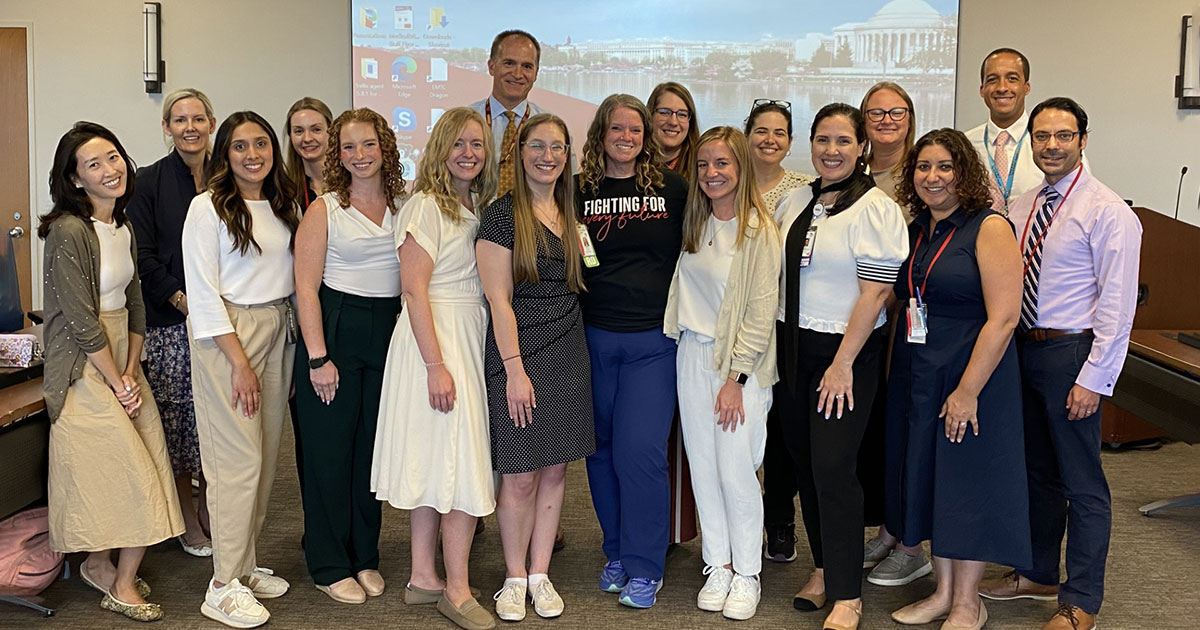


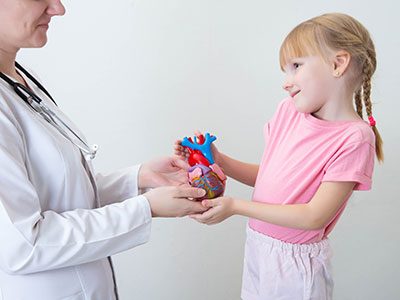


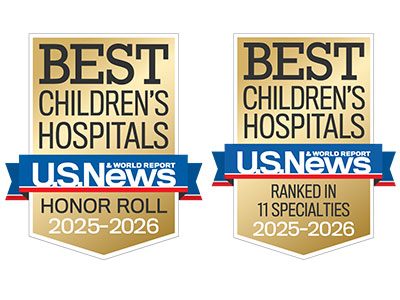 Children’s National Hospital in Washington, D.C., was ranked as a top hospital in the nation by the U.S. News & World Report 2025-26 Best Children’s Hospitals annual rankings. This marks the ninth straight year Children’s National has made the Honor Roll list. The Honor Roll is a distinction awarded to only 10 children’s hospitals nationwide.
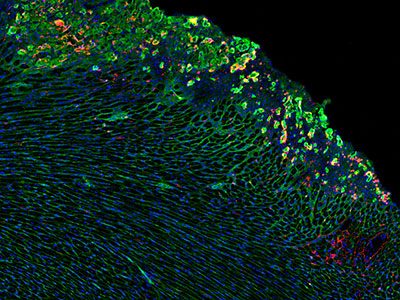
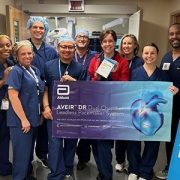
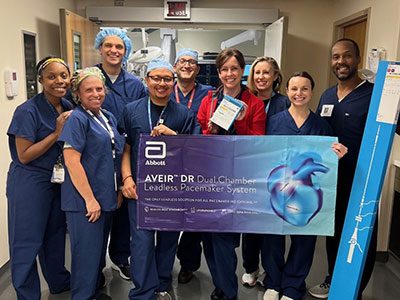

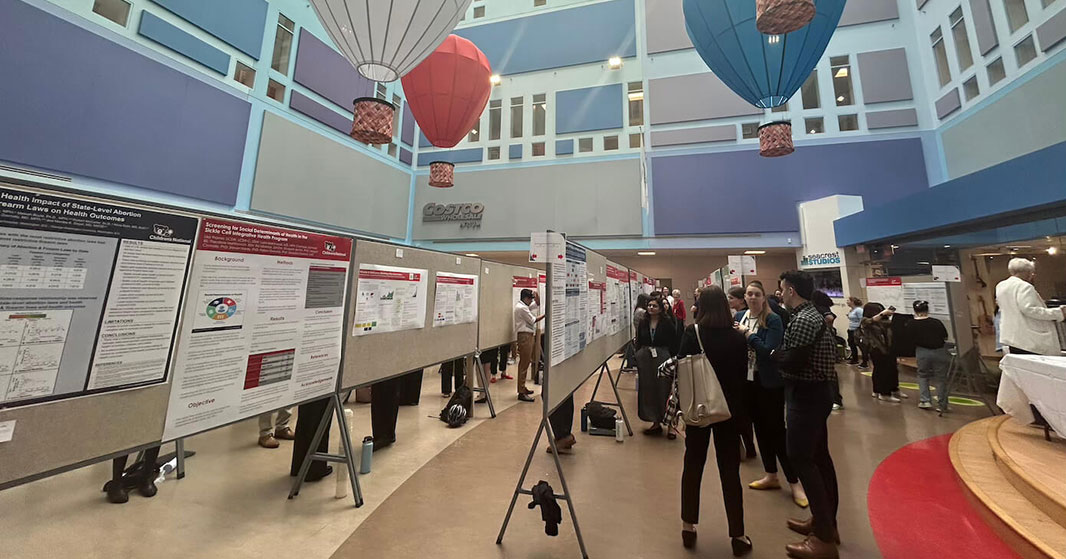


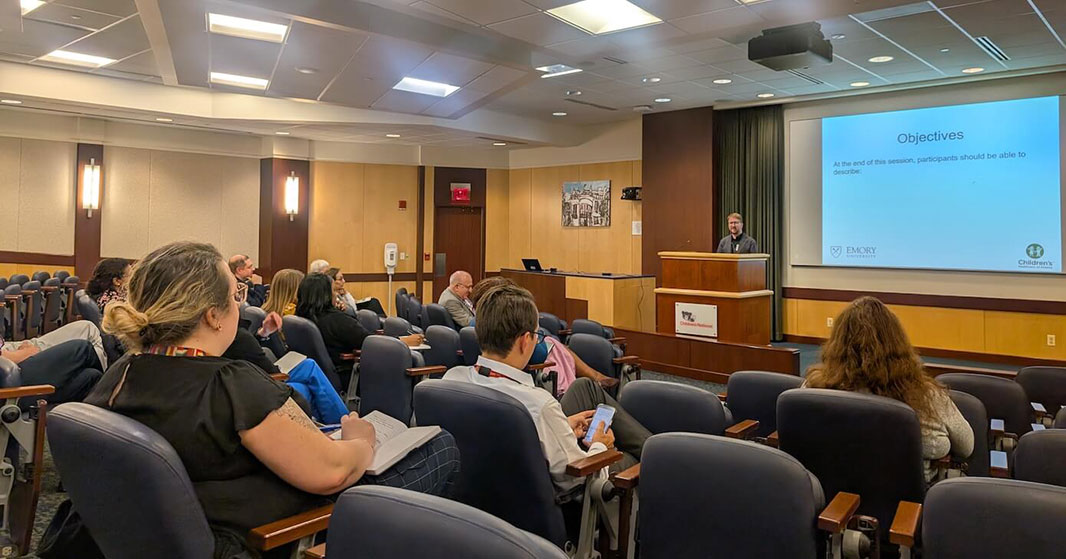
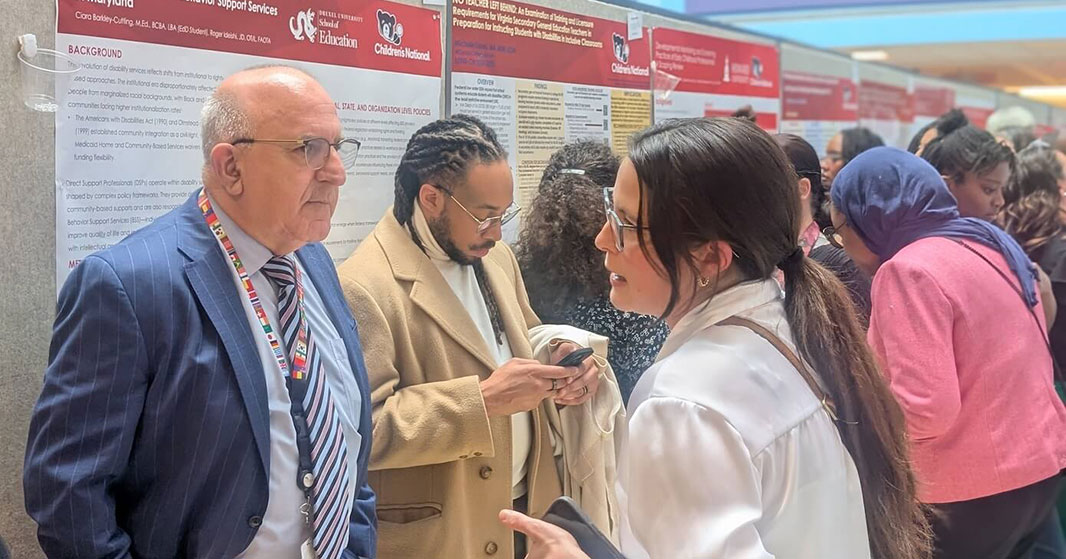
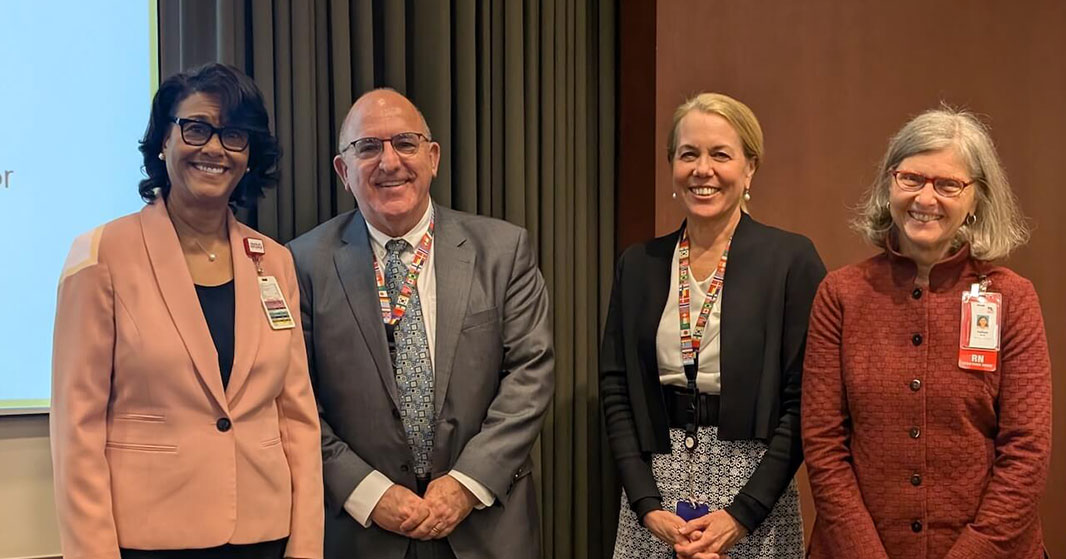

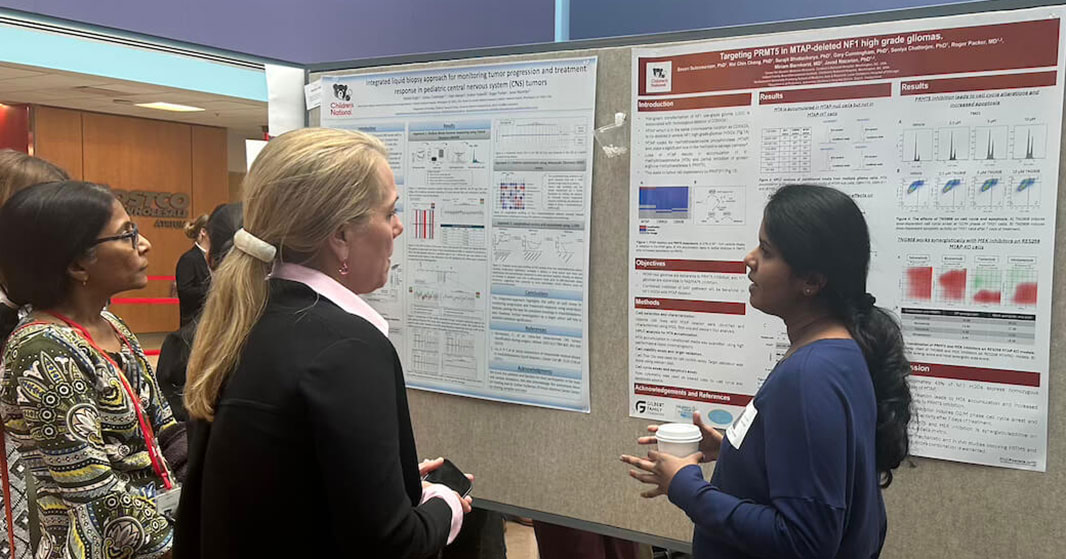
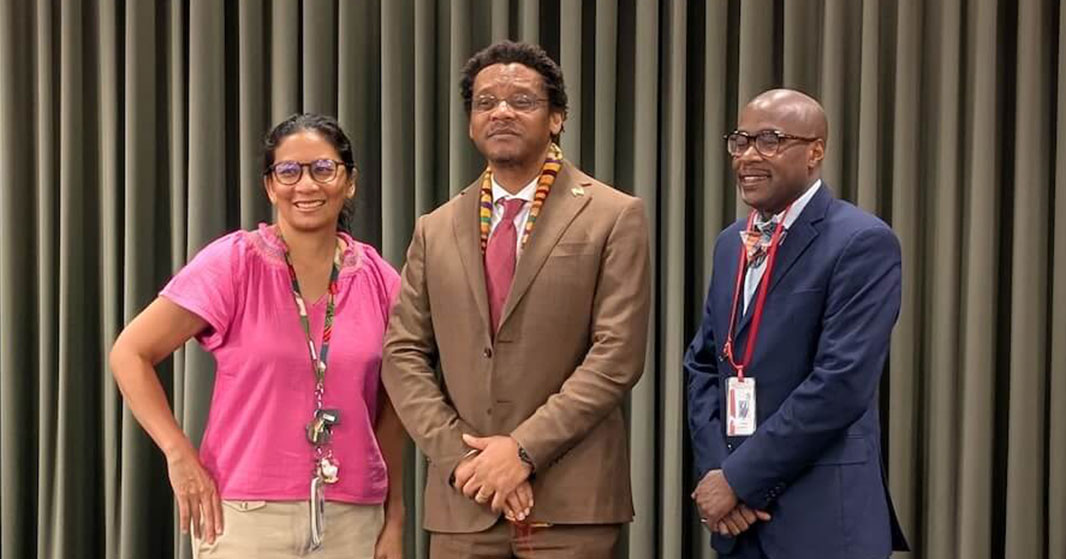

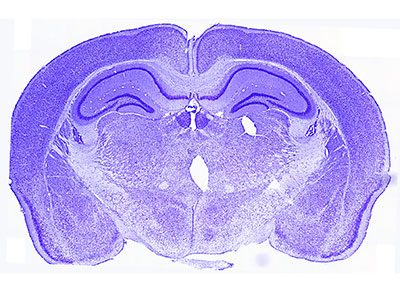



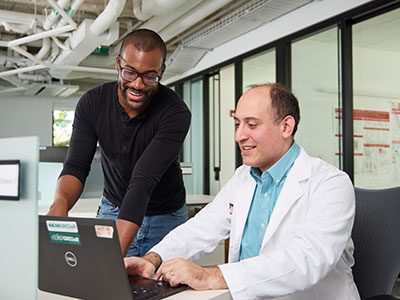

 Children’s National Hospital in Washington, D.C., was ranked as a top hospital in the nation by the


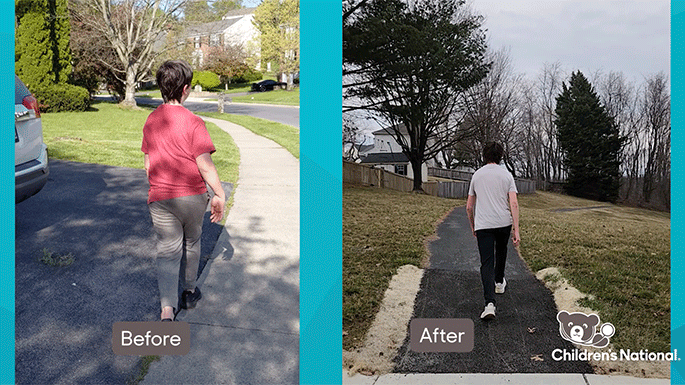

 The Children’s National Research Institute released its
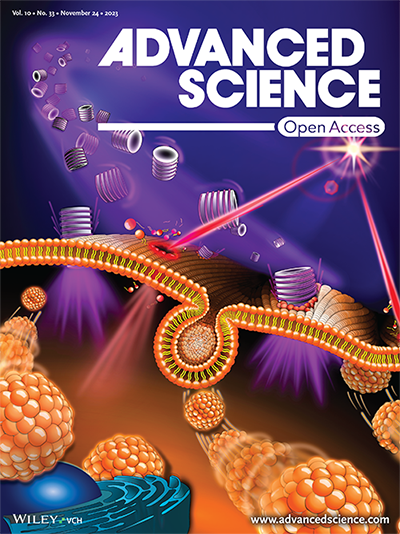 Unraveling how cells mend after injury serves as a key to unlocking potential therapies. Recent findings from the