Advancing LIFU-enabled therapies for pediatric brain tumor care

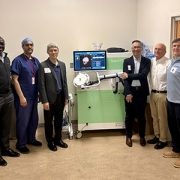
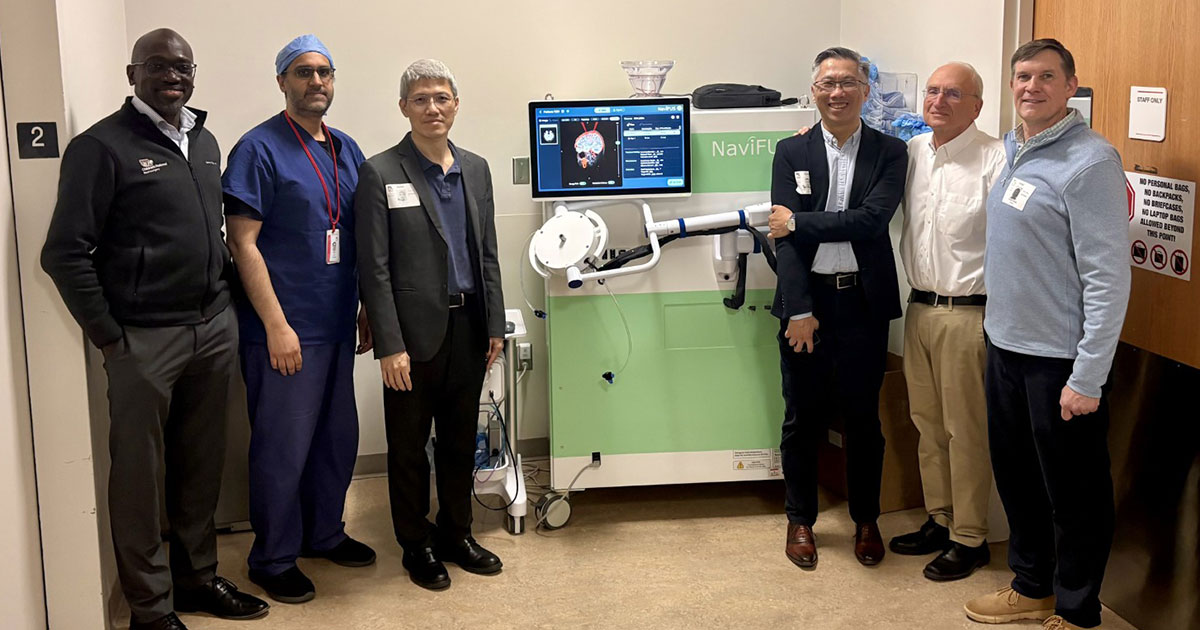
Children’s National physician-scientists Chima Oluigbo, MD, Hasan Syed, MD, and Roger J. Packer, MD, welcomed the new NaviFUS focused ultrasound system alongside NaviFUS Corp. founder Hao‑Li Liu, PhD, Chief Executive Officer Arthur Lung, PhD, and Clinical Applications Manager David Moore.

Children’s National physician-scientists Chima Oluigbo, MD, Hasan Syed, MD, and Roger J. Packer, MD, welcomed the new NaviFUS focused ultrasound system alongside NaviFUS Corp. founder Hao‑Li Liu, PhD, Chief Executive Officer Arthur Lung, PhD, and Clinical Applications Manager David Moore.

Children’s National Hospital is advancing brain tumor care and research with a second-generation low-intensity focused ultrasound (LIFU) system donated by Taiwan-based NaviFUS Corp. This platform builds on existing capabilities and will support the development of more precise, less invasive treatments for children with brain tumors.

The system will expand clinical trials testing new therapies, including LIFU-based approaches. With two advanced systems and active first-in-human studies, Children’s National is now the only freestanding pediatric hospital in the world with this level of focused ultrasound capability dedicated to pediatric brain tumor research.

The big picture

Many childhood brain tumors are in areas where surgery is not possible, or medicines can’t reach. This makes drug delivery a major challenge. LIFU is a noninvasive technology under clinical investigation that can temporarily open the protective blood-brain barrier to help therapies reach tumors that are otherwise difficult or impossible to treat.

Children’s National is a leader in LIFU research, with an integrated program that moves discoveries from the laboratory into clinical trials. Preclinical studies in partnership with Virginia Tech explore whether LIFU can enhance the delivery of emerging immunotherapies, such as CAR-T and T-cell therapies. Clinically, investigators are leading first-in-human pediatric trials using LIFU to safely open the blood-brain barrier and deliver targeted treatments. Early results show strong safety and encouraging signs of benefit in children with high-grade gliomas, including diffuse intrinsic pontine glioma (DIPG).

The donation reflects NaviFUS’s recognition of Children’s National as a leader in focused ultrasound. A recent pilot study published in Neurosurgery supports the reliability of the NaviFUS system, showing that  repeated LIFU-mediated blood-brain barrier opening is safe and feasible in adults with recurrent glioblastoma (rGBM) with encouraging results7.

“Our collaboration with Children’s National represents a pivotal step in expanding the clinical reach of our technology,” says Arthur Lung, PhD, CEO of NaviFUS Corp. “By providing this second-generation system, we aim to translate our successful findings in adult rGBM into the pediatric setting, offering a safer, more effective way to breach the blood-brain barrier and deliver hope to families facing the most challenging diagnoses.”

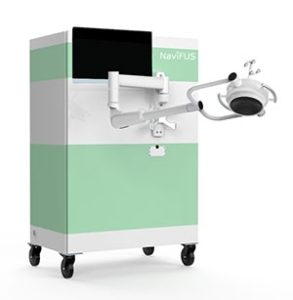
The NaviFUS LIFU machine

The patient impact

The NaviFUS system brings meaningful advances for patients and families. By integrating real-time neuronavigation — a computer-assisted, image-guided technology — with focused ultrasound, it delivers highly precise treatment without the need for a fixed frame. It supports repeated treatments within standard care, reducing the complexity of intracranial drug delivery. Its approach also allows for shorter procedures and may reduce sedation requirements, making treatment easier for patients.

With two advanced focused ultrasound systems now at Children’s National, more children may have access to personalized care and clinical trial options. It also gives care teams more flexibility to tailor therapies to each child’s needs.

Moving the Field Forward

The addition of a NaviFUS system is expected to speed up clinical trials and help bring novel treatments to patients sooner. This includes a new first-in-human pediatric LIFU trial starting this summer, as well as future studies combining LIFU with immunotherapies.

Focused ultrasound may also have broader uses in pediatric neurosurgery. Its precision nature could expand treatment options for conditions that currently have limited therapies, including epilepsy, movement disorders and rare genetic diseases.

“The next step is making focused ultrasound something we can do reliably and integrate into a real workflow,” says pediatric neurosurgeon Hasan Syed, MD, who co-directs the Focused Ultrasound Program and helped bring the new system to Children’s National. “It will strengthen the foundation for brain tumor studies and position us to evaluate other focused ultrasound applications in neurosurgery, as the evidence supports it.”

Beyond functionality, the NaviFUS system offers hope to children facing hard-to-treat tumors.

“This investment reflects our commitment to advancing new therapies for patients who have limited options,” says Roger J. Packer, MD, director of the Brain Tumor Institute and the Gilbert Family Neurofibromatosis Institute. “We are grateful to donors like NaviFUS for helping us move the field forward and bring better treatments closer to the children who need them most.”

Building the future of pediatric neurogenomics through education and access

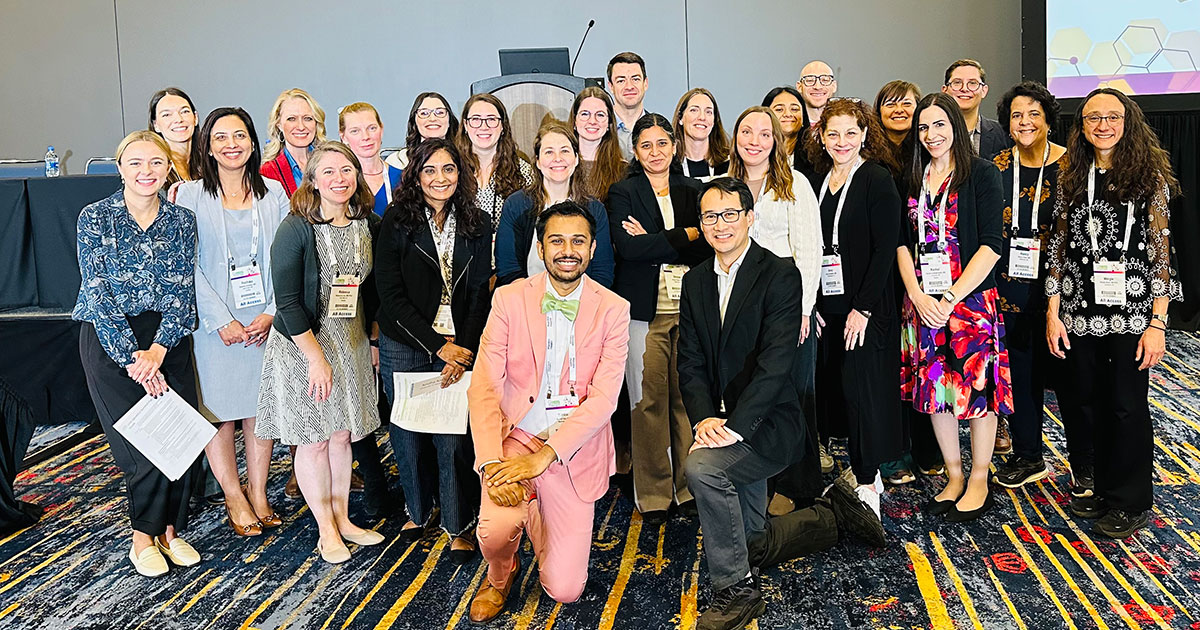
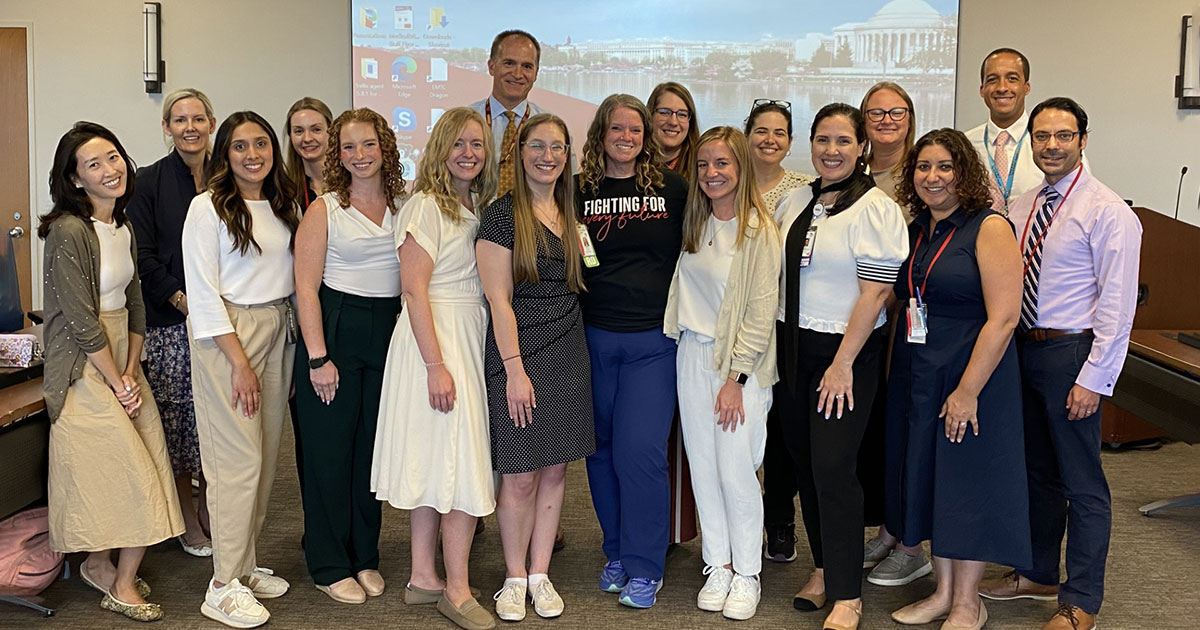
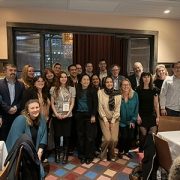
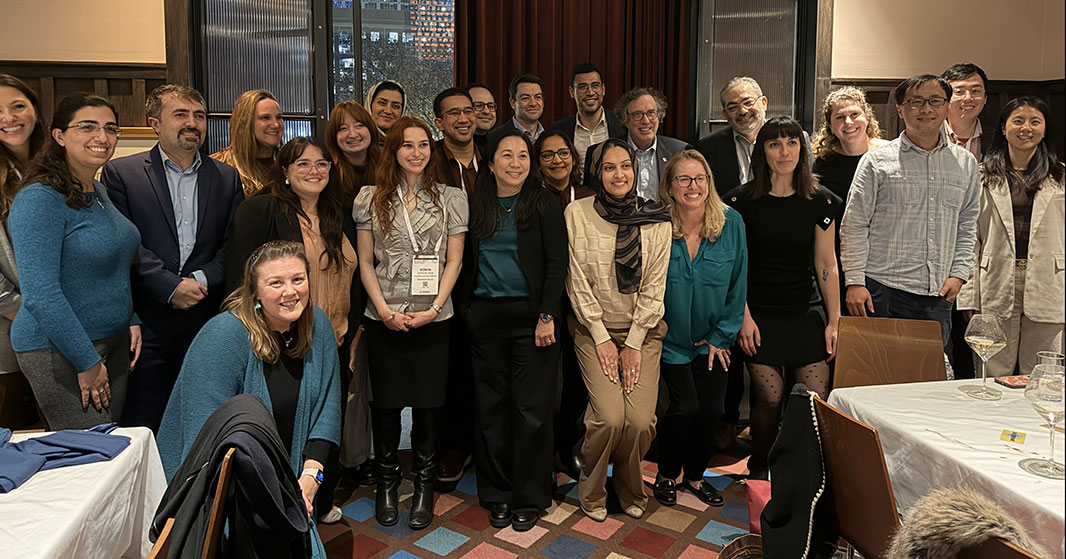
The team of neurogeneticists, educators, and genetic counselors at the Genetics Summit directed by Kuntal Sen, MD.

The team of neurogeneticists, educators, and genetic counselors at the Genetics Summit directed by Kuntal Sen, MD.

As genetic testing and targeted therapies rapidly reshape care for children with neurologic conditions, a major gap has emerged between what medicine can do and how pediatric neurologists are trained to deliver it. Kuntal Sen, MD, a clinician-educator at Children’s National Hospital, dual-trained in neurology and genetics, has spent years working to close that gap.

His latest manuscript in Pediatric Neurology, “Emerging Topics in Neurogenomics: Summary from Inaugural CNS Genetics Summit”, brings together 26 authors from 19 institutions across the country and reflects five years of national, education-driven work to better prepare pediatric neurologists for the era of genomic medicine, a field that uses a patient’s genetic information to guide medical care. First authored by Dr. Sen and supported by collaborators including Jeffrey Strelzik, MD, program director of Child Neurology residency at Children’s National, the paper builds on the inaugural Child Neurology Society Genetics Summit held in 2025 in Charlotte, North Carolina.

The work examines some of the most important emerging areas in neurogenomics, including how to integrate genetic testing into everyday clinical practice, improve access and equity in testing, use rapid exome sequencing for critically ill children in the ICU and prepare for gene-targeted clinical trials. “This work is about making genetic testing a standard part of pediatric neurology care,” says Dr. Sen. “It should be viewed the same way we think about EEG, MRI or lumbar puncture, not as a specialty tool, but as a core part of how we diagnose and care for children with neurological symptoms.”

Dive deeper

The practice of child neurology has changed rapidly over the past two decades. Conditions once considered complex, degenerative or unexplained are now being molecularly defined through advances in genetic testing. Across epilepsy, autism, movement disorders and neuromuscular disease, clinicians can increasingly identify the exact cause of a child’s condition and, in some cases, offer targeted treatment. A national survey conducted by Dr. Sen in 2021 found that most pediatric neurology trainees across the U.S. did not feel comfortable ordering or interpreting genetic tests. Follow-up qualitative assessments with residency program directors and recent graduates confirmed the same challenge.

In response, Dr. Sen and collaborator Louis Dang, MD, PhD, of the University of Michigan developed a national genetics curriculum that has since been adopted across multiple residency programs. That effort later expanded into the Child Neurology Society Genetics Summit, an interactive national workshop that brought together neurogeneticists, medical educators and genetic counselors; designed to help clinicians apply genomics in real-world care settings.

The manuscript captures both the lessons from that summit and the larger effort behind it, using Kern’s curriculum development framework to create a structured, scalable model for improving genetics education across pediatric neurology.

What this means

For many families, navigating rare neurologic disease and getting answers can take years. Without timely access to genetic testing, patients often move through a long diagnostic odyssey without a clear explanation for their symptoms or connection to others facing the same condition. Larger academic medical centers may have the resources to keep pace with genomic advances, but smaller centers often face significant barriers.

By improving clinician confidence and making genetic tools more accessible across care settings, Dr. Sen hopes to ensure that advances like exome and genome sequencing and emerging gene therapies are not limited to a few specialized centers. “In rare disease, breakthroughs often happen not just through standardized research, but through shared conversations and collective learning,” says Dr. Sen. “That’s how we move faster for patients.”

Why this matters

Led by Children’s National, the project brought together experts from leading institutions including Children’s Hospital of Philadelphia, Stanford University, Mayo Clinic and the University of Alabama at Birmingham. This work reflects the hospital’s commitment to translating innovation into everyday practice and ensuring those advances reach children everywhere.

As genomic medicine continues to accelerate, Dr. Sen believes the future of pediatric neurology depends on building confidence across the entire workforce. “For the field of pediatric neurology to truly move forward, two things need to happen: every clinician needs to feel comfortable ordering and interpreting broad-based genetic testing in collaboration with genetics experts; and each clinician needs to go deep into a handful of disorders—driving natural history studies, biomarker development, and therapeutic advances—so the field evolves into a web of interconnected expertise,” Dr. Sen says. For his innovative contributions at the intersection of medical education and neurogenetics, Dr. Sen was recognized by the American Academy of Neurology with the prestigious A.B. Baker Teacher Award.

Read the full article “Emerging Topics In Neurogenomics: Summary from Inaugural CNS Genetics Summit” in Pediatric Neurology here.

Bold research and novel collaborations reimagine a brighter future during REI Week 2026

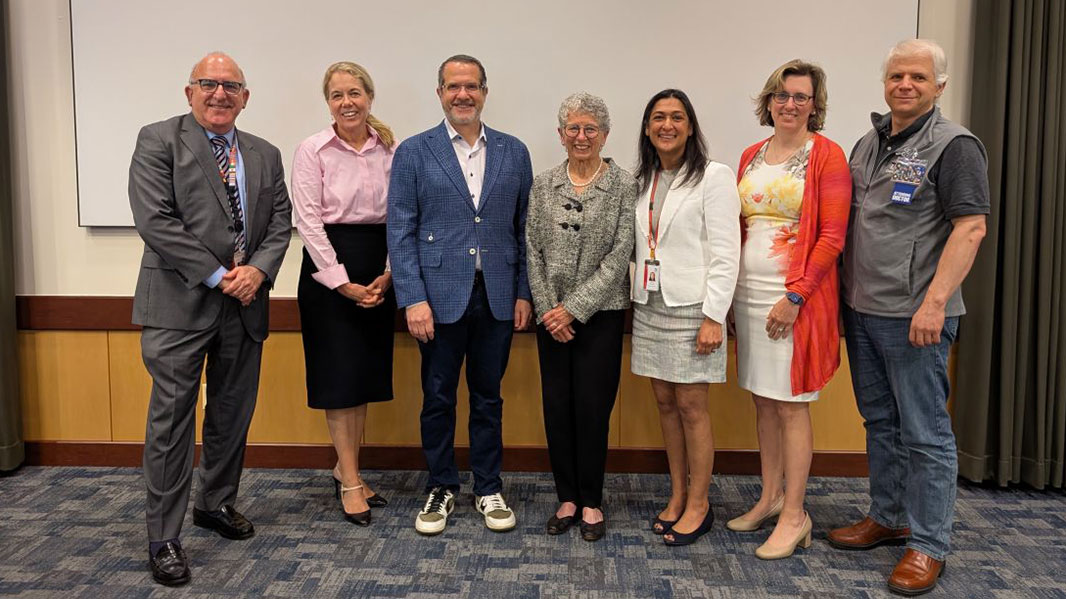
  • REI Week 2026

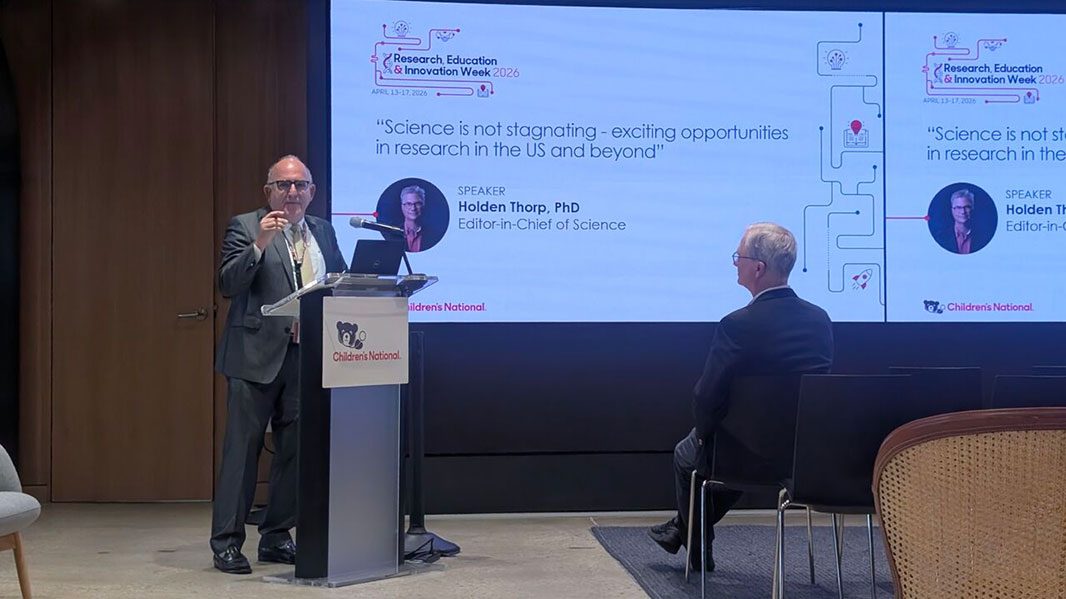
  • Nathan Kuppermann introduces Holden Thorp during REI Week.
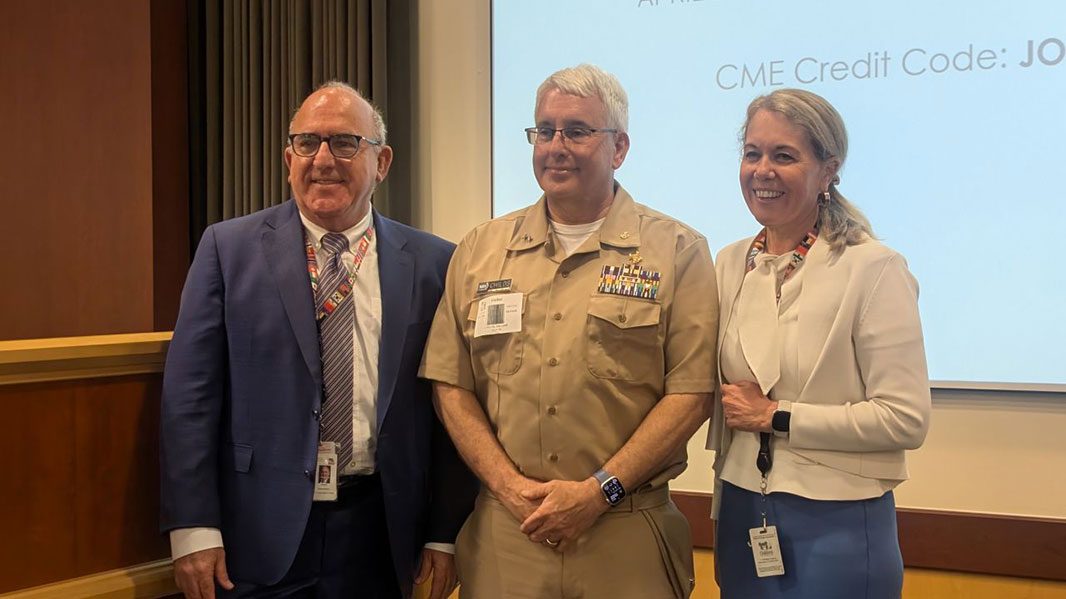
  • Nathan Kuppermann, Richard Childs and Catherine Bollard during REI Week.
  • CNRI leadership with Adam Carroll.

  • Pamela Hinds presents Lauren Clark during REI Week programming.
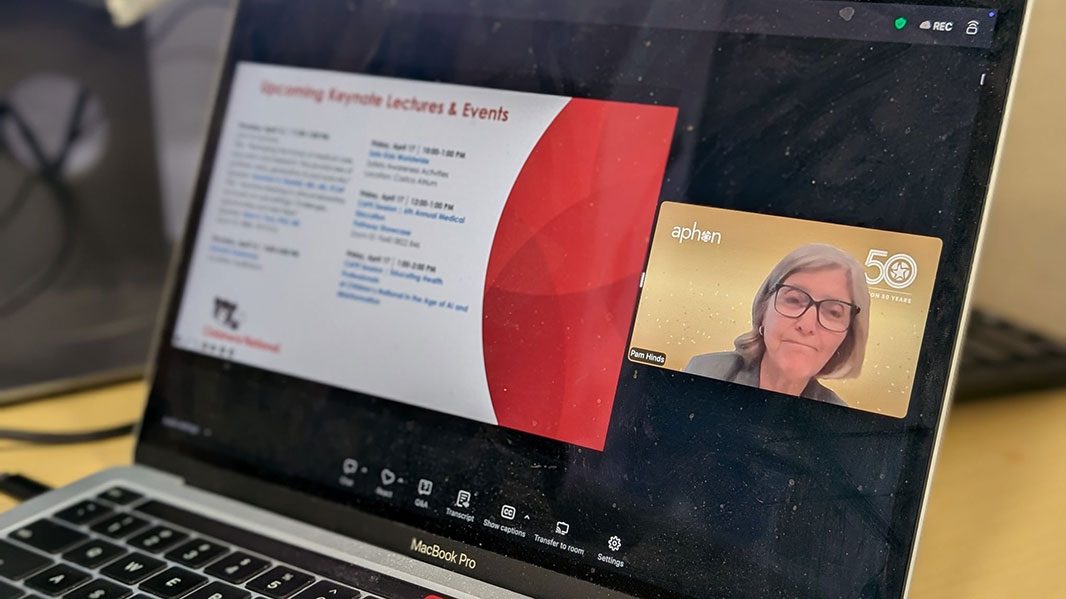
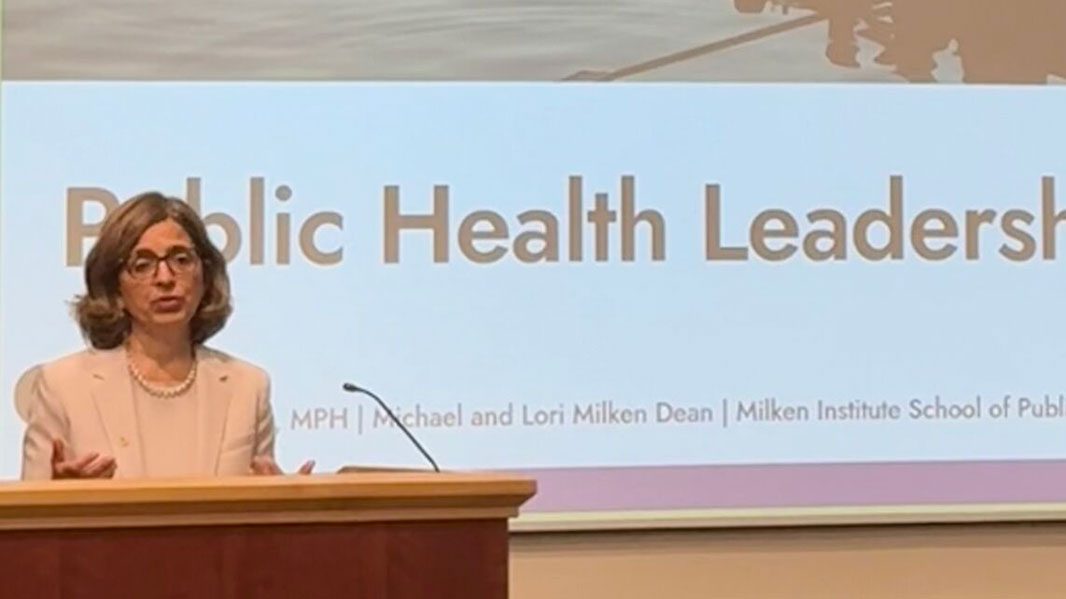
  • Kelly Gebo presents during REI Week.

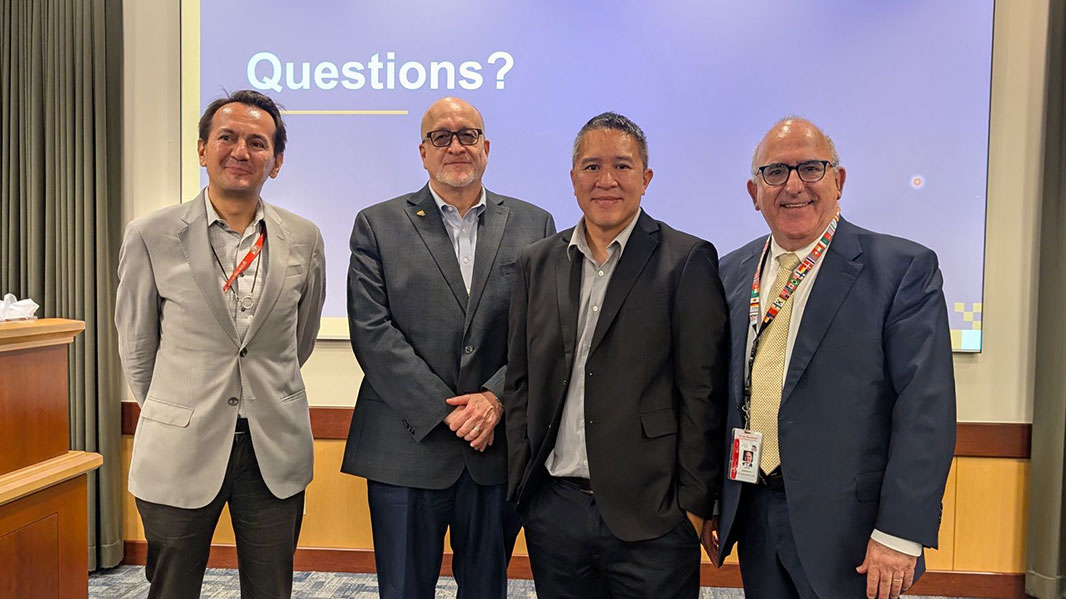
  • Presenters of the joint AI lecture during REI Week with Nathan Kuppermann.
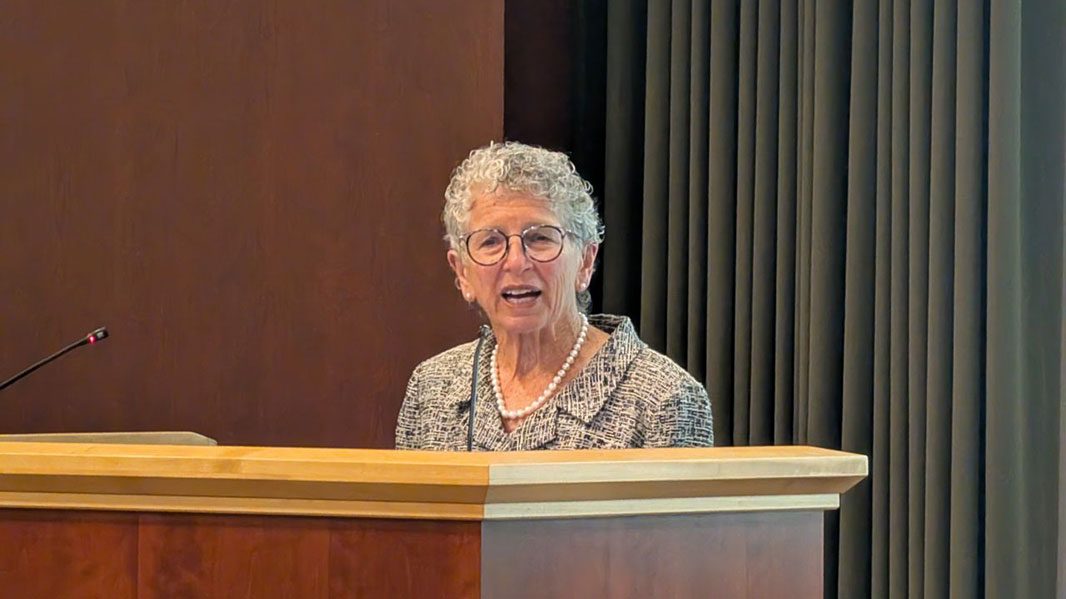
  • Jill Joseph delivers a lecture during REI Week.
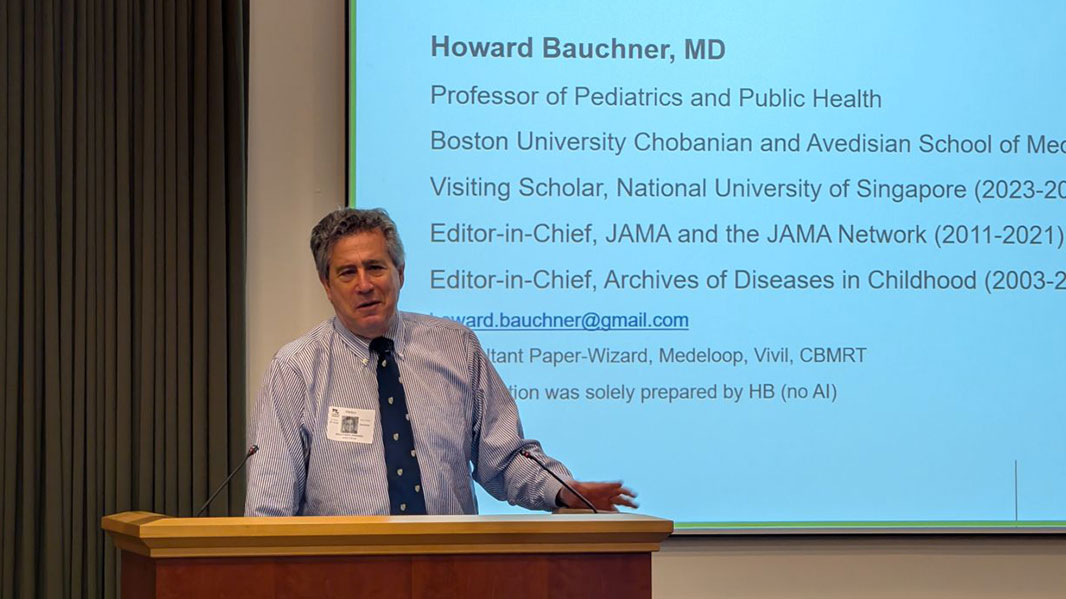
  • Howard Bauchner presents during REI Week.
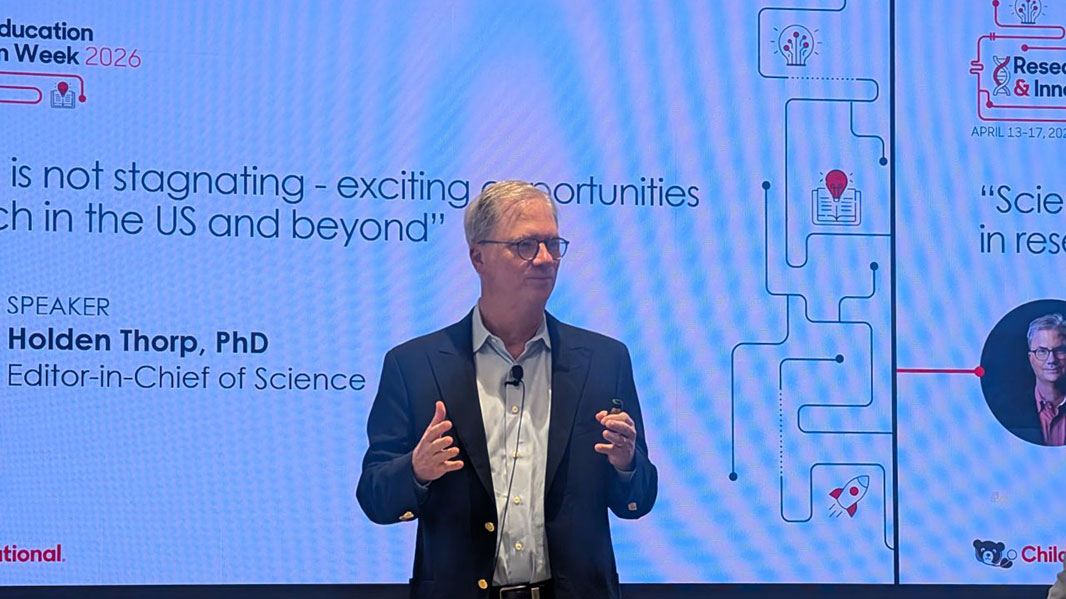
  • Holden Thorp delivers remarks during REI Week.
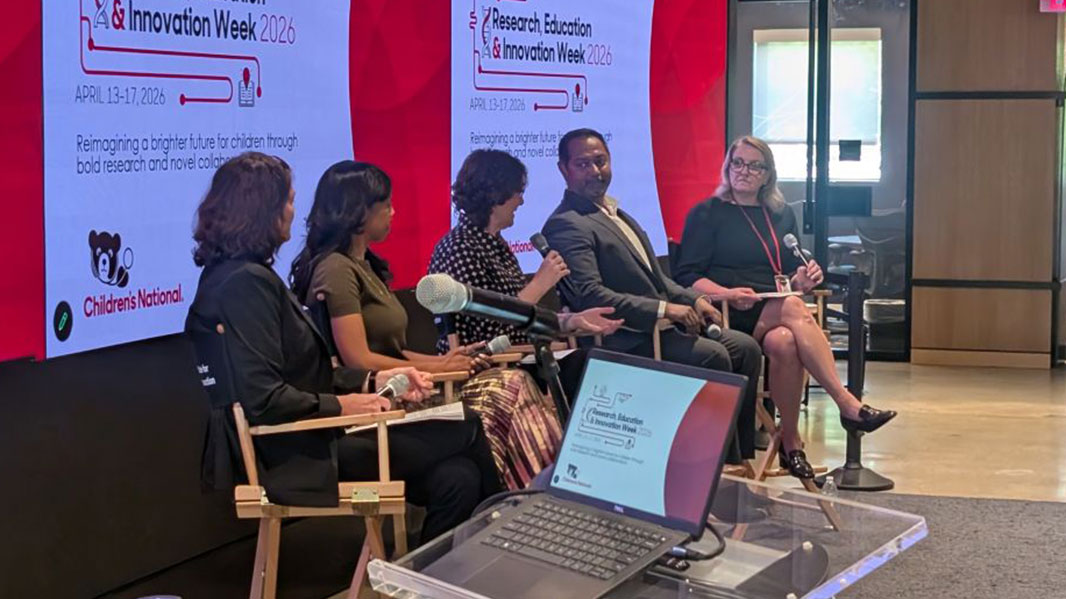
  • Panel discussion focused on drug and device development during REI Week.
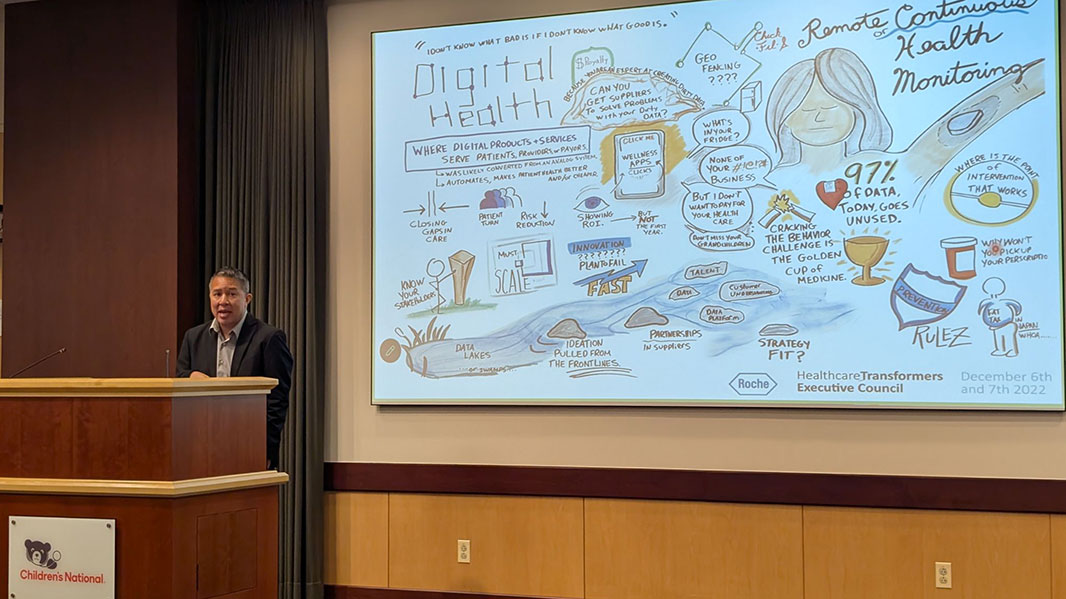
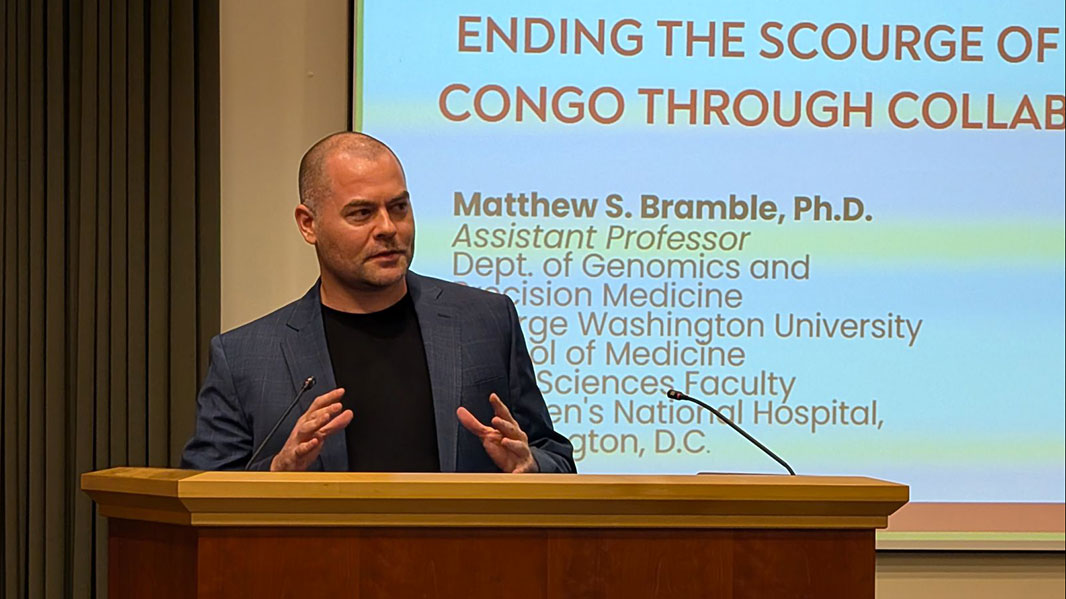
  • Matthew Bramble presents during REI Week.
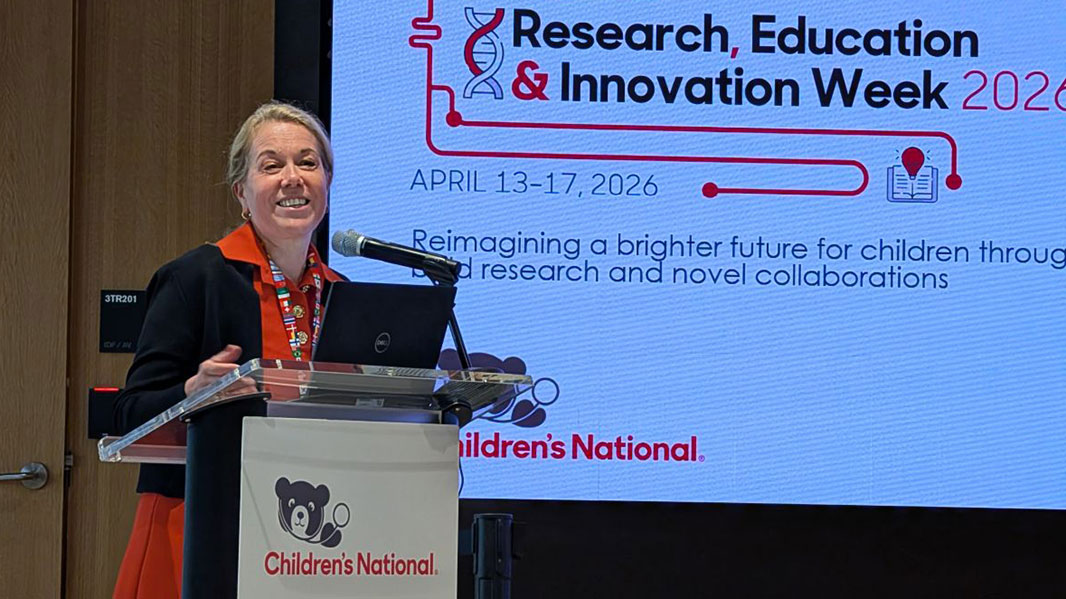
  • Catherine Bollard speaks during REI Week programming.
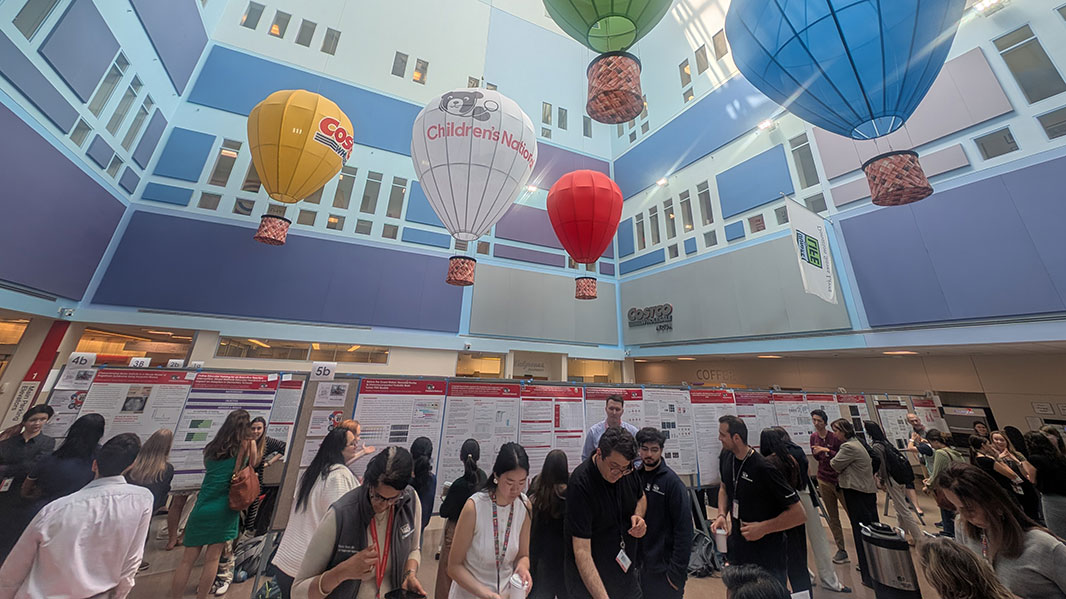
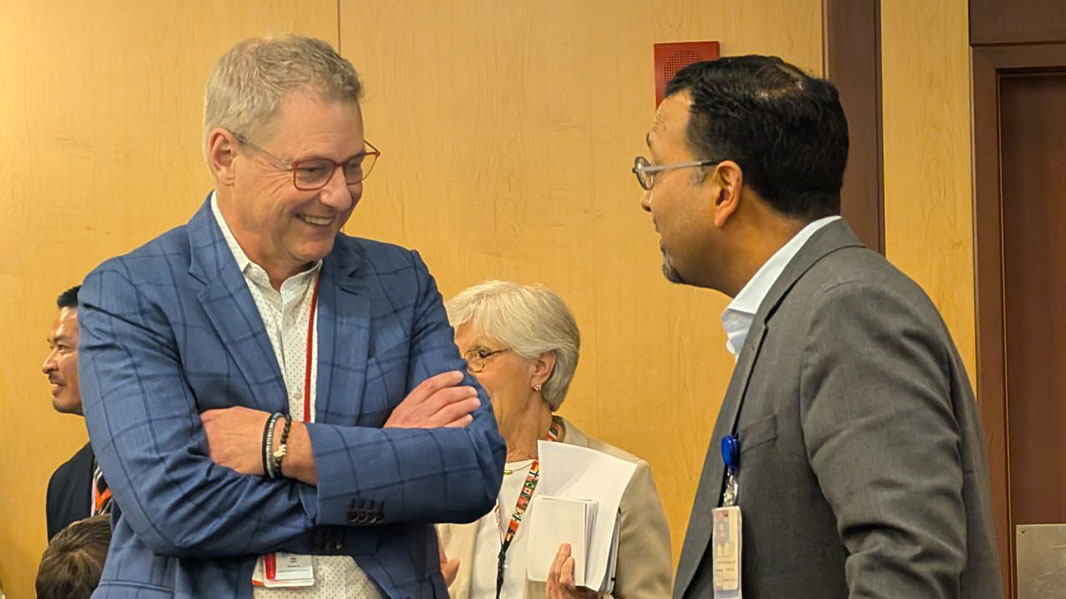
  • Nathan Kuppermann and colleagues view posters during a REI Week poster session.
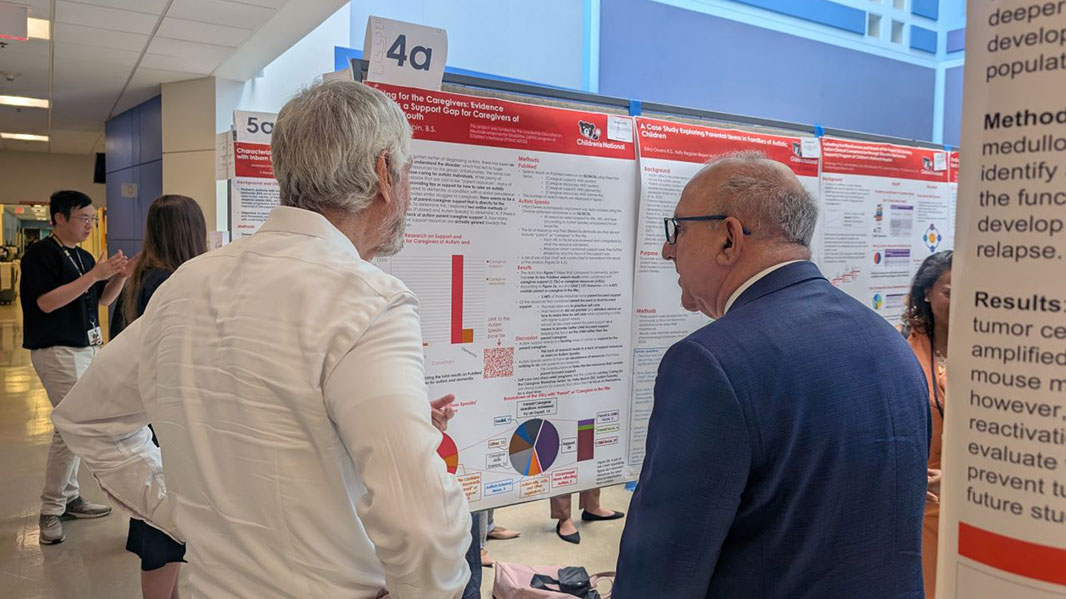
  • REI Week staff on Tuesday of the event.
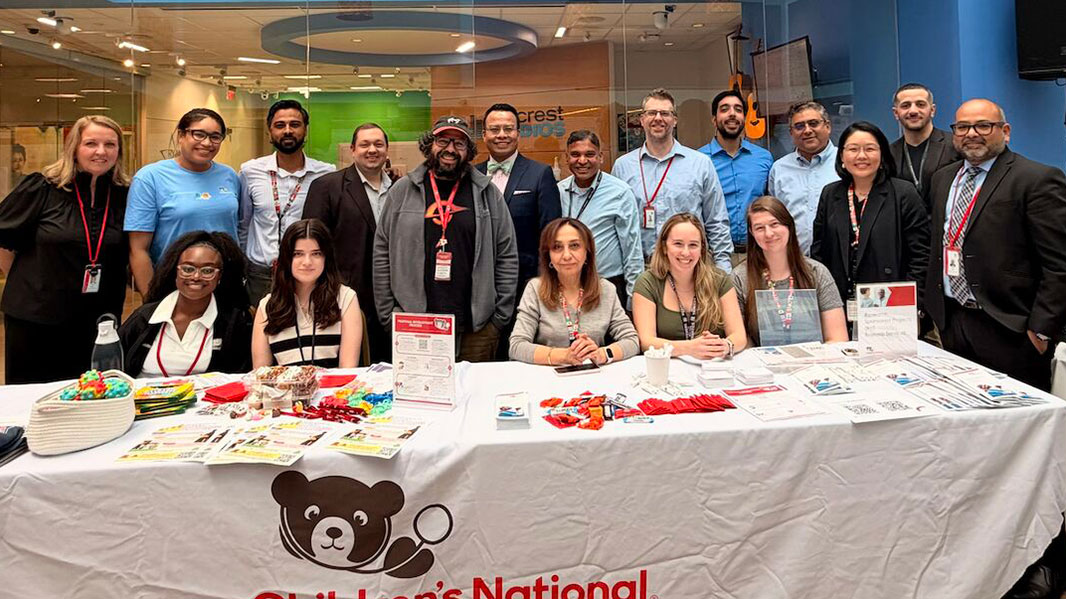
  • Attendees gather for the REI Week awards ceremony.
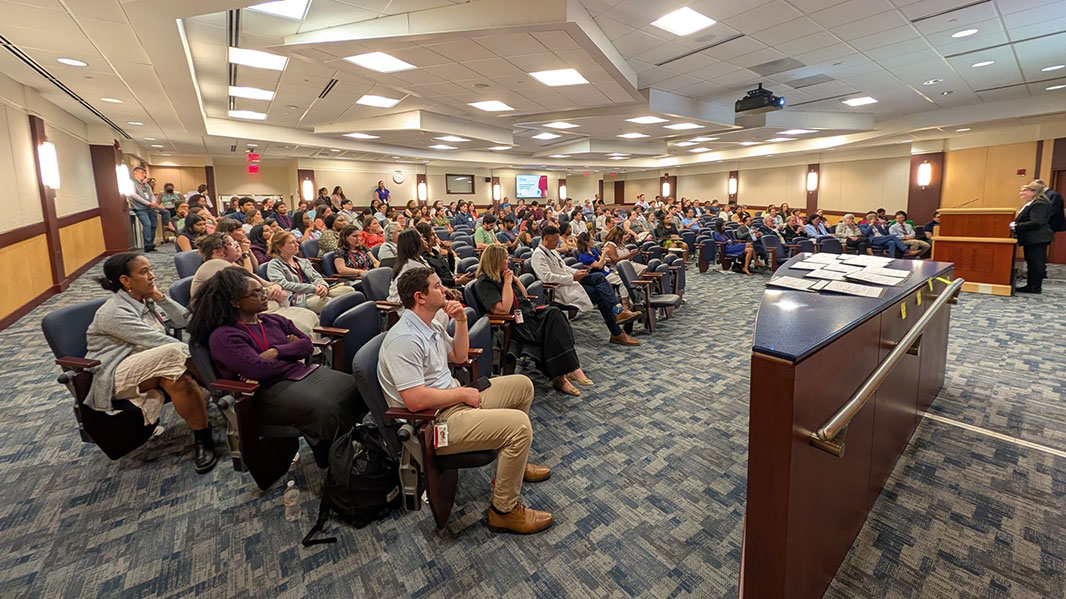
  • The auditorium during the REI Week awards ceremony.
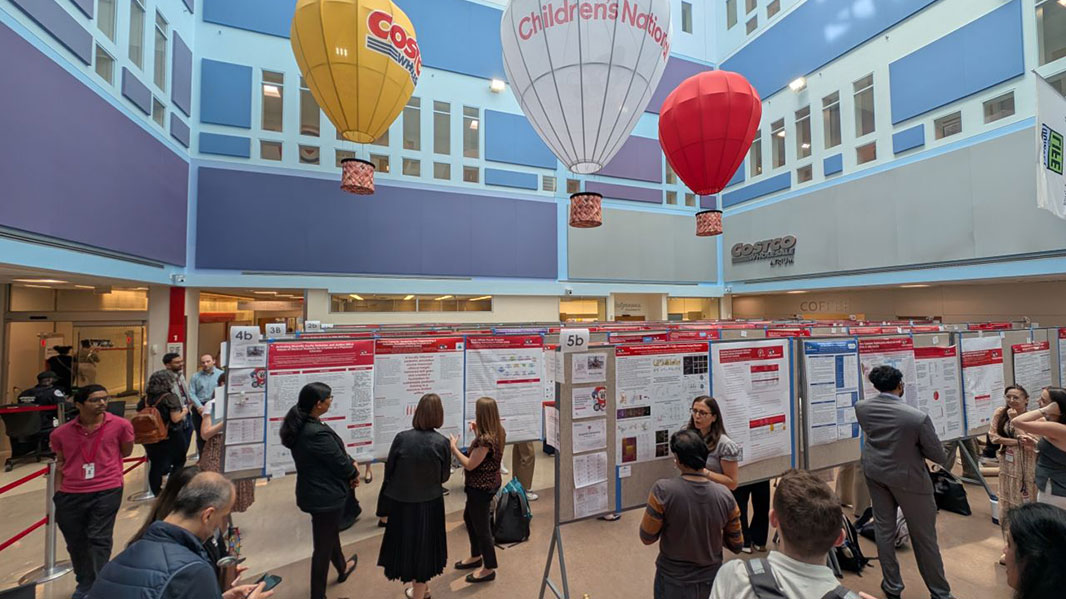
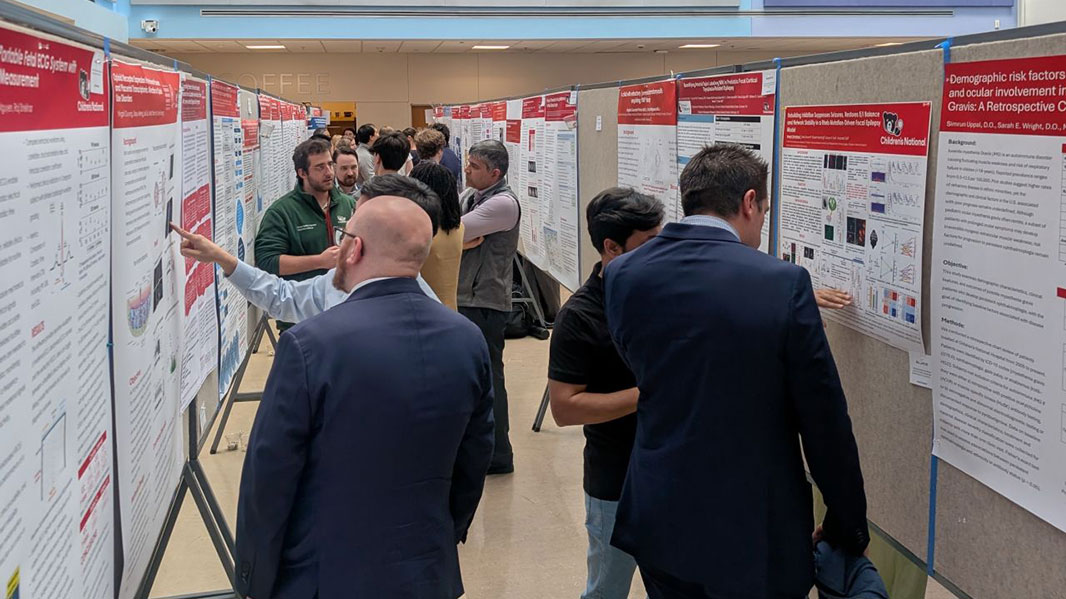
  • Poster session held on Tuesday during REI Week.
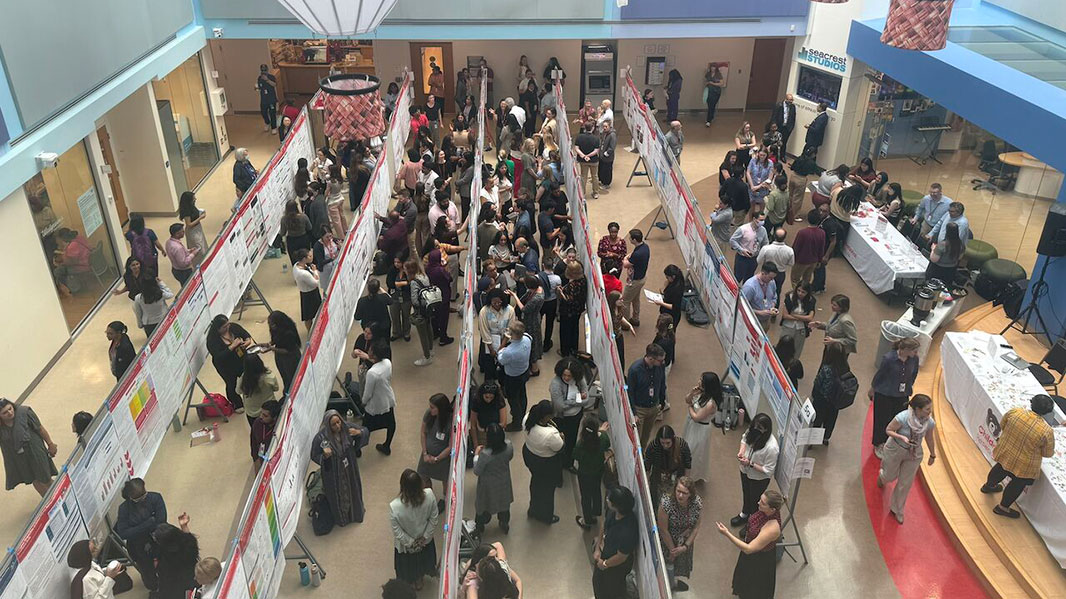
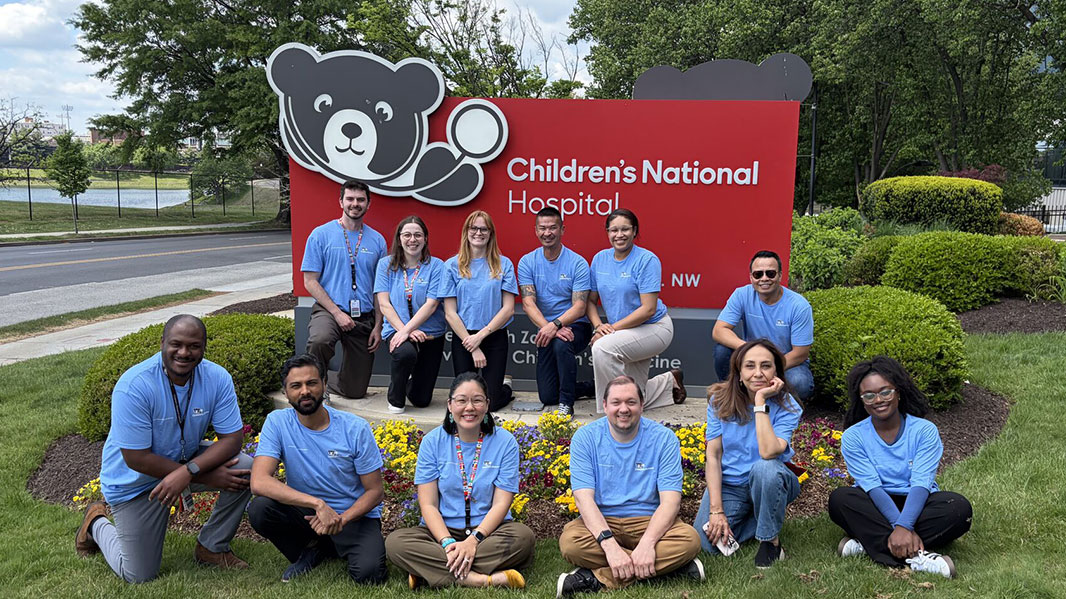
  • Members of the Academic Research Operations team during REI Week.
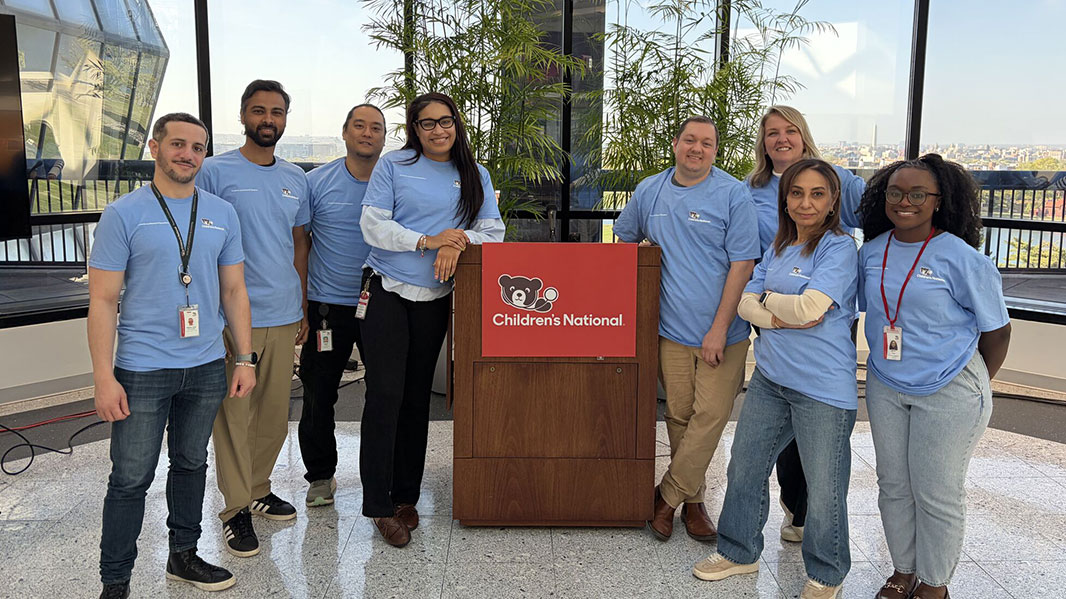
  • Members of the Academic Research Operations team at Children’s National.
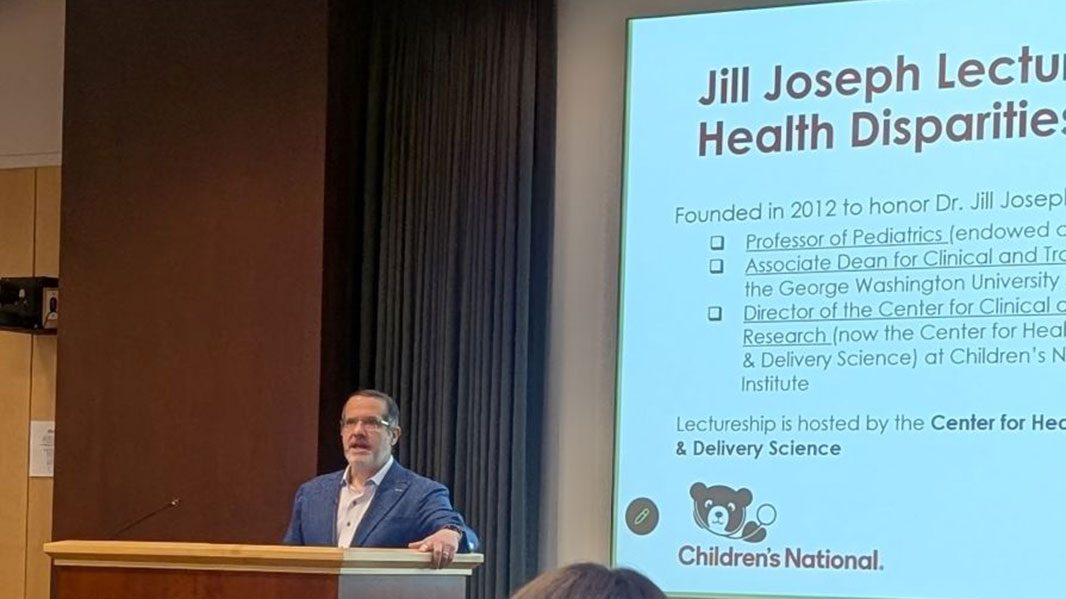
  • Aaron Carroll presents during REI Week 2026.
  • Poster session held on Wednesday during REI Week.
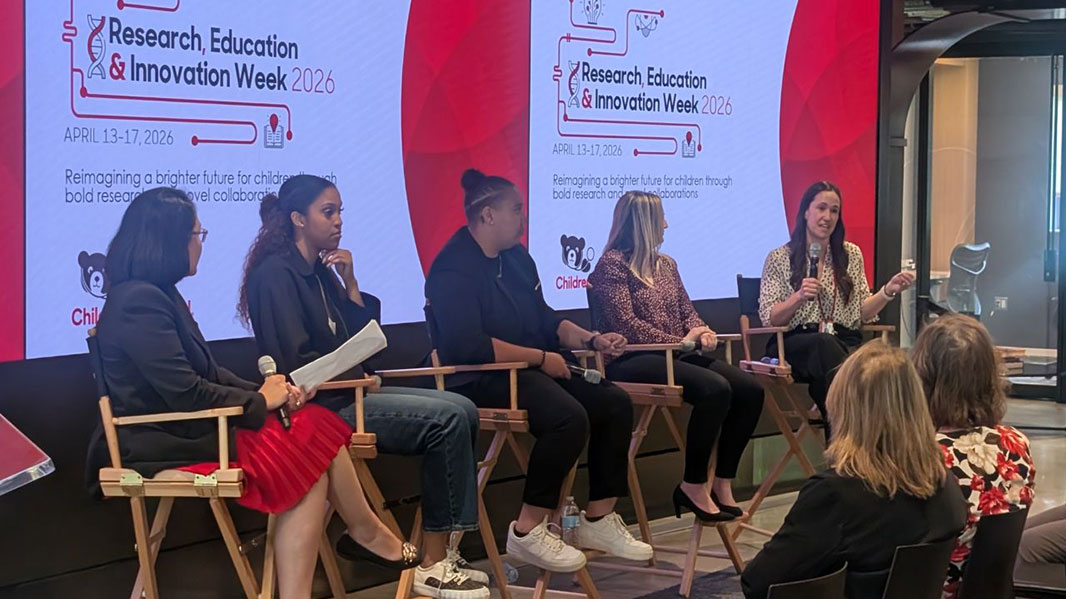
  • Panel discussion focused on media and communication during REI Week.
  • Nathan Kuppermann participates in a Safe Kids event during REI Week.
  • Poster session held on Thursday during REI Week.
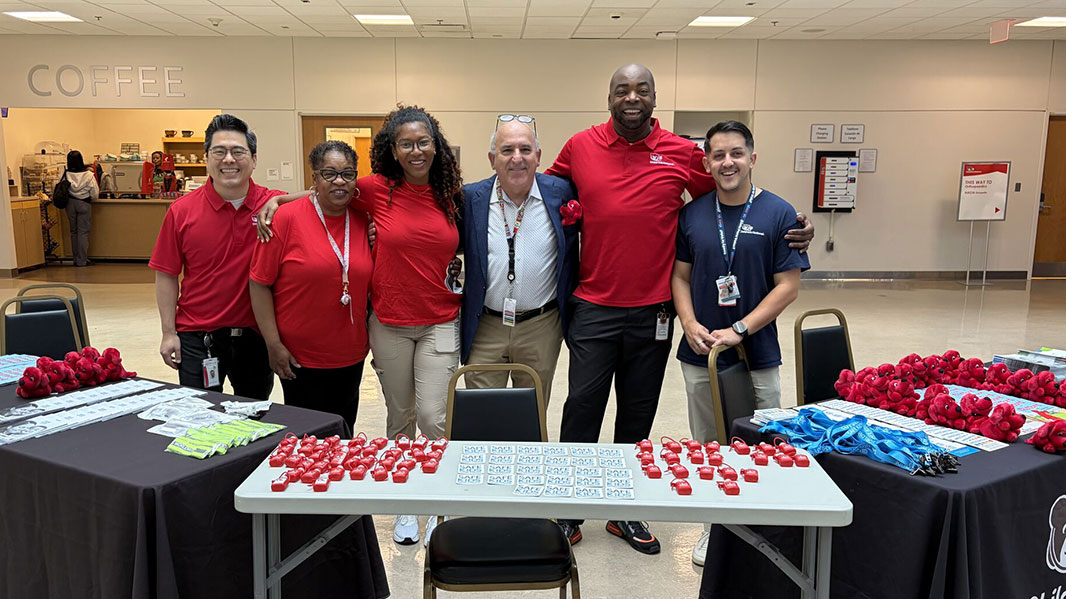
  • Research Sponsored Projects and Business Services staff with Nathan Kuppermann during REI Week.
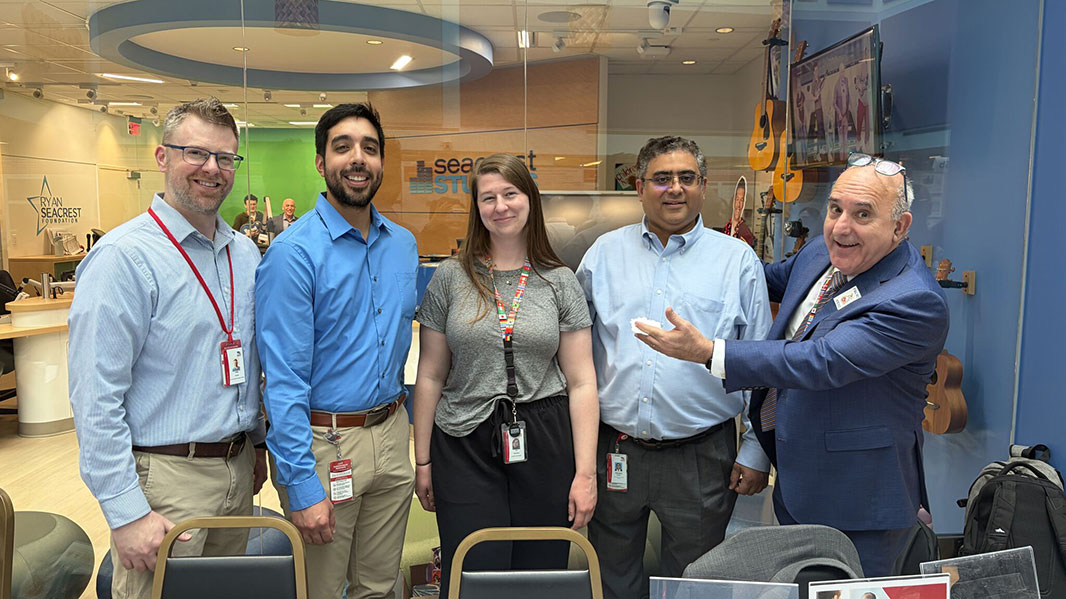
  • REI Week staff members during the event.
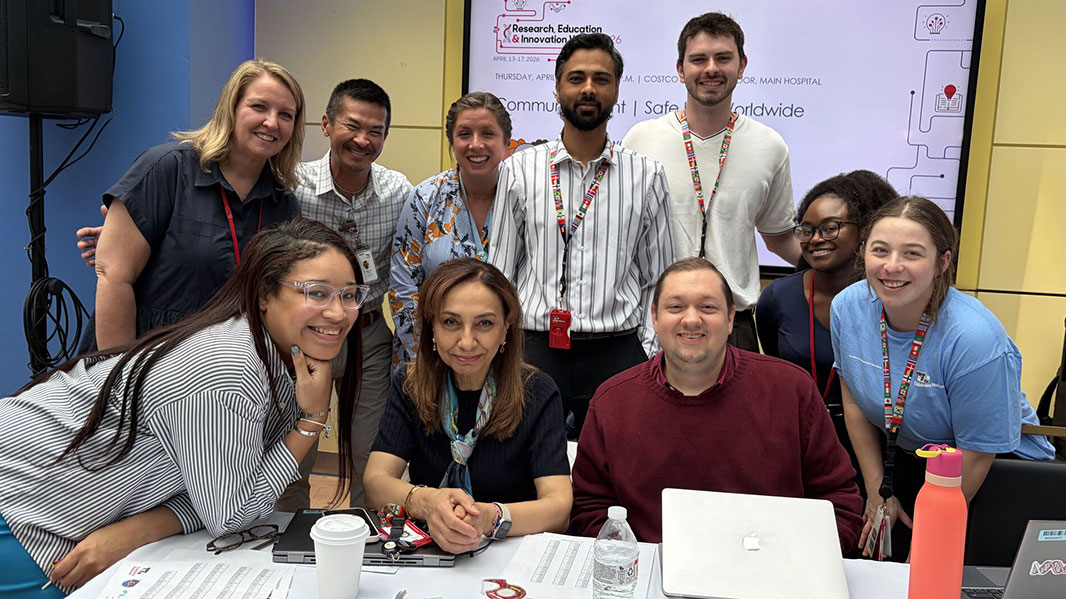
  • Peter Hotez presents during REI Week.

  • Nam Tran presents during REI Week.

  • Nathan Kuppermann speaks during REI Week.
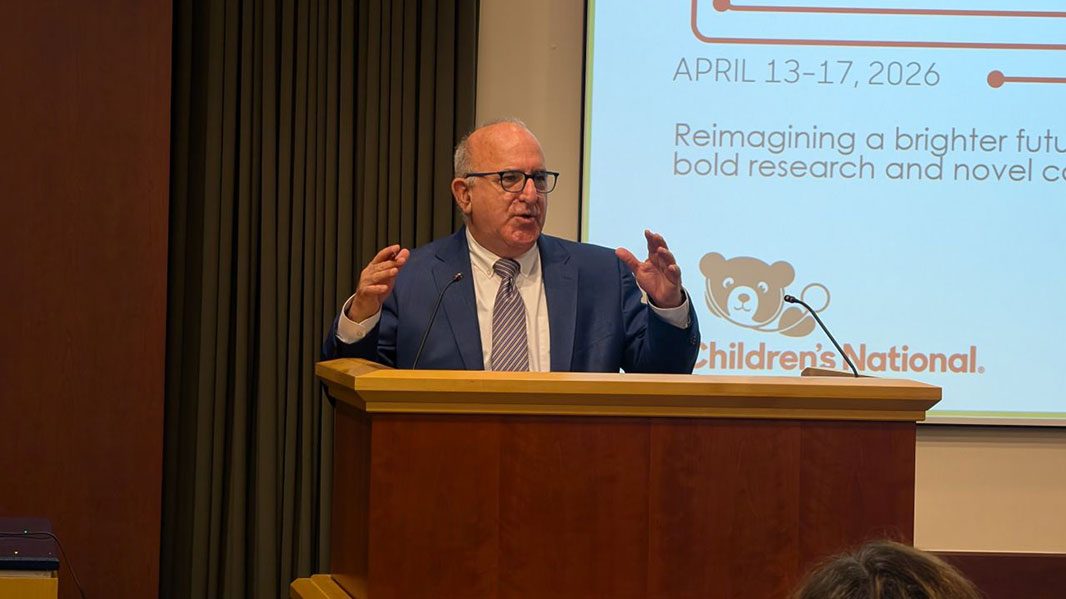
For five days in April, the hallways, auditoriums and virtual platforms of Children’s National Hospital became a space for the kind of honest and necessary conversations that move pediatric science forward. Research, Education & Innovation (REI) Week 2026, held April 13–17, brought together investigators, clinicians, trainees and partners across disciplines to grapple with the theme: reimagining a brighter future for children through bold research and novel collaborations. REI Week remains a cornerstone of the institution’s academic mission 16 years in and this year’s edition made clear that progress in pediatric health demands not just discovery, but clarity of purpose and the courage to push forward.

Making the case for pediatric-first development

Innovation Day opened the week at the Research & Innovation Campus with a panel discussion on drug and device development. Panelists were clear that making pediatric drug and device development a genuine priority is essential to delivering safe, effective care.

A media and social media panel pushed researchers toward another uncomfortable question: why should anyone outside this building care about what we do? Speakers explored how to frame research so it resonates beyond academic circles, making the case that storytelling and audience awareness are not soft skills but a part of the job.

A Shark Tank-style session showcased diverse artificial intelligence (AI) project proposals aimed at advancing pediatric care and research, with teams presenting bold ideas in a competitive format.

Standing up for science and innovation

Holden Thorp, PhD, editor-in-chief of Science, set a defining tone for the week in his Monday keynote, speaking frankly about the importance of resisting external pressures and standing up for scientific integrity. His message — that science must hold its ground even when it’s difficult — echoed throughout the days that followed.

Richard Childs, MD, assistant U.S. surgeon general and scientific director of the National Heart, Lung and Blood Institute, reinforced why sustained investment matters, highlighting how resources and infrastructure at the National Institutes of Health (NIH) enable the kinds of accomplishments that transform care. Kelly Gebo, MD, MPH, dean of the Milken Institute School of Public Health at George Washington University, grounded leadership in something simpler: “Listen before acting. Stay grounded in values. Adapt to change. Explore new funding. Communicate clearly. Lead with empathy.”

A trust problem, not a knowledge problem

Midweek programming zeroed in on research communication and didn’t flinch. Howard Bauchner, MD, vice chairman of pediatrics at the Boston University School of Medicine, delivered the Larrie Greenberg Grand Rounds Lecture with a call for a cultural shift: quality, not quantity, of publications must become the norm for the research enterprise to regain credibility.

The Jill Joseph Grand Rounds Lecture with Aaron Carroll, MD, MS, president and CEO of AcademyHealth, reframed how the field thinks about science dissemination. The problem, Dr. Carroll argued, is not that the public lacks knowledge, it is that they lack trust. He urged a shift toward solutions-based research and challenged researchers to understand the difference between relative and absolute risk, noting that headlines almost always reach relative figures. If science wants to grab attention responsibly, it has to understand how attention actually works.

Peter Hotez, MD, PhD, professor of pediatrics and molecular virology and microbiology at Baylor College of Medicine, co-director of the Texas Children’s Hospital Center for Vaccine Development and dean of the National School of Tropical Medicine, brought the stakes into sharp relief in his lecture on vaccines and immunizations in an era of anti-science, describing his personal and professional journey, including writing “Vaccines Did Not Cause Rachel’s Autism”, as part of an ongoing effort to counter misinformation and advocate for the families most affected by it.

Lauren Clark, PhD, RN, FAAN, professor and Shapiro Family Endowed Chair in Developmental Disability Studies at UCLA’s Joe C. Wen School of Nursing, closed the communication thread with a pointed observation: if researchers never leave their own scientific community, they are missing the boat. She emphasized that plain language is a strategy, not a compromise.

From global health to the clinic floor

Matthew Bramble, PhD, assistant professor and data sciences faculty member at Children’s National, delivered the Global Health Sponsored Lecture on ending the scourge of Konzo in the Democratic Republic of Congo. His work in this isolated environment — where populations depend heavily on cassava — could unlock information relevant far beyond Konzo itself, potentially shedding light on diseases like ALS.

The joint Lecture on AI featured two complementary perspectives on machine learning’s growing role in care delivery. Hooman Rashidi, MD, MS, associate dean of AI in medicine, professor and endowed chair of Lombardi-Shinozuka Experimental Pathology Research at the University of Pittsburgh School of Medicine proposed a mixed approach with a human in the loop as the responsible path forward. Nam Tran, PhD, MS, professor of pathology, associate dean of biobanking and medical director of Point of Care Testing at the University of Pittsburgh, highlighted AI’s potential in austere settings, field medicine, military contexts and disaster response, where speed and limited resources put a premium on intelligent decision support.

What the abstracts reveal

This year’s poster sessions drew more than 450 abstracts spanning 46 research categories — a record number that reflects both the depth of work underway at Children’s National and the range of challenges the institution has committed to tackling. Oncology, neuroscience and neuroprotection, cancer immunology and bone marrow transplantation represented some of the largest clusters of work, with investigators exploring everything from gene therapy for beta-thalassemia to advanced neuroimaging frameworks for fetal and neonatal populations. Digital innovation, data science and AI also drew a strong showing, with studies applying machine learning to EEG-based cognitive assessment, predictive modeling and clinical decision support, reflecting the institution’s growing investment in responsible, data-driven care.

Equally notable was how questions of access and reach have woven themselves into categories that might not have carried that framing in prior years. Research on firearm violence, pathways to mental health care and the downstream effects of social conditions on pediatric outcomes appeared across multiple categories. Community research submissions highlighted school-based telehealth programs and outreach initiatives that extend Children’s National’s reach into underserved communities across the Washington region. Psychology and wellness, quality improvement and treatment compliance rounds out a body of work that asks not just what works scientifically, but who benefits and whether they can actually access what works.

Global and climate health emerged as a distinct and growing area, with submissions connecting environmental conditions to pediatric disease burden and mortality. Taken together, this year’s abstracts capture a field that is translating molecular discoveries into clinical applications, integrating technology with intention and making sure research translates to care for children who need it most.

This year’s honorees

REI Week concluded Thursday with an awards ceremony honoring outstanding contributions across research, education and innovation.

Award winners:

POSTER SESSION AWARDS

Basic & Translational Research

Faculty: Yingshi Ouyang, PhD
“Opioid Receptor Expression in the Human Placenta and Placental Transcriptomic Alterations in Opioid Use Disorders”

Postdocs/Fellows/Residents: Margaret Hines, PhD
“Understanding the Role of Cranial Mesenchyme in Neural Tube Closure”

Postdocs/Fellows/Residents: Khatereh Khorsandi, PhD
“Reprogramming the Immunosuppressive Microenvironment to Enhance CAR T‑Cell Therapy in Diffuse Intrinsic Pontine Glioma”

Staff: Zara Hasnani
“Evaluation of Virus‑Specific T Cell Immunity in Pediatric Inflammatory Bowel Disease Patients on Biologic Therapy”

Graduate Students: Elton VanNoy
“Modulating DNA Methylation During CAR T Manufacturing to Enhance Immunotherapy for Pediatric Glioma”

Graduate Students: Woudasie Admasu
“Identification of Druggable Host Factors to Prevent RSV Infection Using CRISPR‑Cas9”

High School/Undergraduate Students: Akhil Chada
“Designing of PepMLM‑Based Peptide Binders to Target Tumor‑Specific Splice Event‑Derived Proteoforms in Pediatric High‑Grade Gliomas”


Clinical Research

Faculty: Matthew Bramble, PhD
“Pathways Involving Oxidative Damage Mitigation is Likely the Biological Risk Factor for the Development of Konzo”

Postdocs/Fellows/Residents: Maria Triantafyllou, MD
“Plasma Metabolomic Signatures for Diagnosis and Risk Stratification of Pediatric Sepsis in the Emergency Department”

Staff: Pooneh Roshanitabrizi, PhD
“Synthetic Dual‑Channel Color Doppler Echocardiography for Rheumatic Heart Disease Detection in Low‑Resource Settings”

Graduate Students: Jasmine Nguyen
“The Relationship Between Cloacal Complexity and Early Vaginal Stenosis After Cloaca Repair”

Graduate Students: Maria Straker Brito, MD
“High Airway Type‑III IFN Levels by Airway Epithelial Cells are Associated with Increased Pro‑Inflammatory Cytokines Production in the Airways”

Graduate Students: Artur Aharonyan, MS
“Automating AMPs: An AI Pipeline for Generating 3D‑Printable BioAMP Plates in Unilateral Cleft Lip and Palate”

Graduate Students: Jaisimar Singh
“Mechanical versus Non‑Mechanical Bowel Management in Children with Spina Bifida: A Cross‑Sectional Comparison of Patient‑Reported Symptoms”

High School/Undergraduate Students: Medha Pappula
“Integrating Multimodal Clinical Data with Large Language Models to Predict Outcomes in Pediatric Metabolic and Bariatric Surgery”

High School/Undergraduate Students: Keertana Senthilkumar
“Diagnostic Utility of Vascular Catheter Tip Cultures”


Community‑Based Research

Faculty: Katie Donnelly, MD, MPH
“Evaluating the Propagation of Firearm Violence After an Incident Event”

Postdocs/Fellows/Residents: Brittany Fitzpatrick, MD, MPH
“Walking Towards Equity: Enhancing Pediatric Pedestrian Safety Through Data‑Driven Solutions”

Postdocs/Fellows/Residents: Krithika Iyer, PhD
“Predicting Early Cognitive Risk Using Ultra‑Low‑Field MRI Brain Volumetry and Demographic Measures in Low‑Resource Settings”

Staff: Megan Lau
“A Longitudinal Examination of Social Support as a Mechanism of Change in Executive Function in a School‑Delivered Intervention for Adolescents with ADHD”

Graduate Students: Preeyanka Rao, MPH
“Comparison of Asthma Utilizations Across Different Medicaid Insurance Plans in the District of Columbia”

High School/Undergraduate Students: Riya Mehta
“Availability and Knowledge of Naloxone Distribution in an Urban Area”


Education, Training and Program Development

Faculty: Amy Wolfe, MD, MEd
“A Missed Conversation: Spirituality as a Persistent Gap in PCCM Communication Training”

Postdocs/Fellows/Residents: Taylor Goodman, MD
“The POCUS Pathway: A Novel Point‑of‑Care Ultrasound Longitudinal Curriculum for Pediatric Residents”

Postdocs/Fellows/Residents: Jennifer Bertollo, PhD
“Online Educator Training for an Executive Function Intervention: Mixed Methods Educator Feedback and Impact on Adoption”

Staff: Tininka Rahman, MHA
“Establishing a Community Engaged Research and Training (CERT) Hub at Children’s National”

Graduate Students: Novelle Leach
“PCIT and SPACE Parenting Interventions: Are They Meeting the Needs of Young Children with Neurodevelopmental Disabilities and Their Families?”


Quality and Performance Improvement

Faculty: Jessica Lazerov, MD, MBA
“Using LEAN Methodology to Improve Immunization Reconciliation and Vaccination Rates”

Postdocs/Fellows/Residents: Maya Gibson, MD
“Evaluating Blood Product Utilization on ECMO Following Implementation of Restrictive Transfusion Strategies”

Staff: Abhijeet Parida, MS
“HOPE4KIDS: AI‑Based Webtool for Neuro‑Oncology Segmentation and Volumetrics”

Graduate Students: Benjamin Upbin
“Caring for the Caregivers: Evidence Reveals a Support Gap for Caregivers of Autistic Youth”

High School/Undergraduate Students: Safinabonu Juraeva, MPS
“Diagnosing Primary Bottlenecks in the PICU‑to‑Floor Transfer Process to Improve Transfer Efficiency”


AI SHARK TANK EVENT WINNERS
Smart AI for Environments (SAFE) Kids App
Team:
Christopher Gable, DO
Sadiqa Kendi, MD, MPH
Fatemeh Naghiloo, MArch, MPH
Pooneh Roshanitabrizi, PhD
Nishad Prakash Kulkarni, MEng
Syed Muhammad Anwar, PhD
Youness Arjoune, PhD

StrepApp: AI‑Based Strep Throat Diagnosis from Smartphone Images
Team:
Raj Shekhar, PhD
Jeffrey Dome, MD, PhD
Rana Hamdy, MD, MSCE, MPH
Youness Arjoune, PhD
Trong N. Nguyen, PhD


INAUGURAL PLANET‑POSITIVE PIONEER AWARD

Demilade Haastrup, PharmD, RPh
“Decreasing Single‑Use Plastic Within the Pneumatic Tube System During Medication Transport Through a QI Initiative”


MENTORSHIP AWARDS (16th Annual)

Translational Research
Michael Keller, MD
Panagiotis Kratimenos, MD, PhD

Clinical Research
Eleanor R. Mackey, PhD


CHU FAMILY FOUNDATION AWARD

Katherine Ottolini, MD
“BOOST‑Milk Study: Bringing Oura Optimization Support to Milk”

Kristen Johnson, MD
“Exploring the Impact of AI‑Generated Plain Language Clinical Summaries on Caregiver Understanding”


THE SUZANNE FEETHAM NURSING RESEARCH SUPPORT AWARD

Olivia Miller, MA, BCBA, LABA
“Using Video Prompting to Teach Tracheostomy Tie Changes to Caregivers”

Shripriya Mohan‑Oneill, MSN, CPNP
“Artificial Intelligence Integration into Advanced Practice Nursing”


EXPLORATIONS IN GLOBAL HEALTH PILOT AWARDS

Sarah Mulkey, MD, PhD
“Understanding Environmental and Community Factors in Children with Prenatal Zika Virus Exposure in Colombia”

Meleah Boyle, PhD, MPH and Ann Mead, MPH
“Protecting Children’s Health in Local and Global Communities Through Environmental Sustainability Education”


ELDA ARCE TEACHING SCHOLAR AWARD

John Berger III, MD
Cardiac Critical Care Medicine

Sivabalaji Kaliamurthy, MD
Child and Adolescent Psychiatry


RESEARCH RANGERS

Winner: Sebastian
Fourth‑grade patient participant in REI Research Rangers

Looking ahead at a brighter future

The conversations held during REI Week 2026 continue throughout the year. They carry forward into labs, clinics and classrooms, and ultimately into the lives of the children and families this institution exists to serve.

That dialogue also extended online through The Lead in Peds Unplugged episodes featuring notable speakers from the week and leaders at Children’s National talking about the ideas, challenges and collaborations shaping pediatric health. These conversations included Dr. Holden Thorp, Dr. Kelly Gebo, Dr. Hooman Rashidi and Dr. Nam Tran, Dr. Patrick Hanley and Dr. Matthew Bramble.

REI Week also highlighted the teams and programs that support research across its full lifecycle, with the Clinical Research Unit, Innovation and Technology Transfer Office and Research Sponsored Projects and Business Services maintaining a visible presence throughout the week to engage investigators and answer questions. Opportunities for connection extended beyond formal sessions through events such as the “global health mix & mingle”, sponsored by the Global Health Initiative, which brought participants together to engage around Children’s National’s work in local and global communities. Educational programming continued through Children’s Academy of Pediatric Educators sessions that explored how research and teaching intersect in practice, including discussions on the effectiveness of case-based teaching, pathways in medical education and the value of embracing failure as a driver of growth in academic medicine. Beyond the lecture halls, community engagement remained central, with a Safe Kids Worldwide event on Friday focused on fostering safety education and training for children and families. Supported by executive sponsors Nathan Kuppermann, MD, MPH; Catherine Bollard, MBChB, MD; Stella Ghattas, Esq; Elizabeth Wells, MD; and Cicely (CC) Brooks, DNP-ENL, MSN, RN, NE-BC, FAB, Children’s National continues to build the conditions where that kind of science can thrive.

REI Week 2027 takes place the week of April 5, and what happens between now and then matters just as much as what happens during that week. Every study advanced, every collaboration forged and every trainee who finds their footing in this community is part of the same long effort to reimagine what pediatric health can look like. That work doesn’t happen without investment in people, in ideas and in the infrastructure that turns discovery into care. If this week moved you, consider supporting what comes next.

Researchers reveal “leaky pipeline” driving disparities in pediatric concussion care

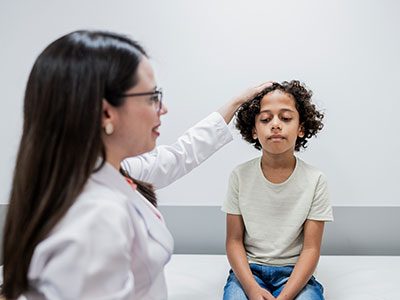
boy with concussion being examined by a doctor

“Leaky pipeline” in pediatric concussion care shows disparities in diagnosis and recovery.

Researchers uncovered a “leaky pipeline” in pediatric concussion care where disparities grow from diagnosis through recovery due to barriers facing patients and families.

Published in the Journal of Pediatrics, the study, led by Children’s Hospital of Philadelphia and co-led by Children’s National Hospital, drew on one of the nation’s largest pediatric concussion registries, spanning tens of thousands of patients, to examine how disparities emerge during the full spectrum of treatment from diagnosis, referral to specialty care and follow-up based on factors such as demographics, insurance status and a composite measure of factors important to child health and development called the Child Opportunity Index.

Why it matters

“By conceptualizing pediatric concussion care as a ‘leaky pipeline,’ this work provides a new framework for understanding and addressing inequities across acute injury care, informing future system-level solutions that can be applied well beyond head trauma,” said Sadiqa Kendi, MD, pediatric emergency physician who serves as associate chief of Academic Affairs and Research for the Division of Emergency Medicine at Children’s National Hospital, chief medical officer of Safe Kids Worldwide and co-author of the study.and co-author of the study.

Of more than 22,000 patients, steep drop-offs emerged at every stage based on patients’ age, race, insurance status and opportunity and disparities compounded as the care pathway progressed.

The big picture

“It’s important that every pediatric patient with head trauma, no matter how, where or when they first interact with the healthcare system, receives care that aligns with our best-practice evidence,” said study lead author Daniel J. Corwin, MD, MSCE, director of clinical and translational research in the Division of Emergency Medicine and associate director of the Minds Matter Concussion Program at CHOP. “By understanding where patients might fall away from the optimal care journey, we can develop strategies that ensure no patient is left behind.”

Building on these findings, researchers are advancing targeted solutions across two major studies. These include electronic health record (EHR)-based tools to standardize concussion diagnosis and risk stratification, as well as innovative patient management approaches that track recovery in real time and strengthen engagement beyond the clinic. Together, these efforts aim to address barriers as they emerge and reduce disparities across the care pathway.

Read more from Children’s Hospital of Philadelphia.


Children’s National named Batten Disease Center of Excellence Affiliate Center

Batten Disease Center of Excellence Affiliate Center logoThe Leukodystrophy and Myelin Disorders Program within the division of Neurology at Children’s National Hospital has been designated a Batten Disease Center of Excellence Affiliate Center by the Batten Disease Support, Research, and Advocacy Foundation (BDSRA).

This designation recognizes neurology programs committed to delivering high-quality, multidisciplinary care while advancing research and supporting families affected by Batten disease.

“On behalf of Children’s National, we are honored to receive an Affiliate Center designation from the Batten Disease Clinical Centers of Excellence Program,” said Laura Tochen, MD, neurologist and co-director of the Leukodystrophy and Myelin Disorders Program. “We look forward to working with our fellow Centers of Excellence to ensure the highest quality of support and care for Batten disease patients and collaborating on key research developments.”

Batten disease is a rare, inherited neurodegenerative disorder that primarily affects children. It causes progressive damage to the brain and nervous system, leading to symptoms such as seizures, vision loss, cognitive decline, movement difficulties, behavioral changes and loss of motor and communication abilities over time.

Because Batten disease affects multiple body systems and worsens over time, hospitals must take a multidisciplinary approach to care. No single specialist can manage the full range of medical, developmental and supportive needs. The Batten disease program at Children’s National includes specialists in neurology (movement disorders and epilepsy), genetics, palliative care, physical medicine and complex care pediatrics, ensuring comprehensive, coordinated care for patients and families.

“The continued growth of the Clinical Centers of Excellence Program reflects what is possible when leading institutions commit to working together,” said Ineka Whiteman, PhD, BDSRA Foundation’s head of Research and Medical Affairs. “The addition of Children’s National Hospital strengthens our ability to advance research, share expertise and improve outcomes for individuals living with Batten disease.”

Read more on the BDSRA Foundation website.

Redefining neurosurgery with BrainBot: MRI-compatible robot

What if neurosurgeons could complete brain procedures with real-time continuous visualization and submillimeter robotic precision entirely inside the MRI scanner? That is the vision behind BrainBot, a first-of-its-kind MRI-compatible robotic platform developed at the Children’s National Hospital Sheikh Zayed Institute for Pediatric Surgical Innovation (SZI).

Designed specifically for image-guided, minimally invasive brain interventions, BrainBot addresses a longstanding limitation in the field: the absence of a fully robotic system capable of operating safely within the MRI environment.

Why BrainBot?

MRI imaging provides superior soft-tissue clarity and avoids ionizing radiation, a critical consideration in pediatric neurosurgery. Yet most stereotactic procedures still rely on manual frames, CT-based workflows or robotic systems that cannot function inside the MRI bore. These approaches often require moving patients between rooms, interrupting imaging continuity and prolonging anesthesia time.

MRI-compatible devices do exist, but they are manually adjusted and offer limited motion, making multi-target procedures such as epilepsy surgery inefficient and technically demanding.

“We identified a critical unmet need for a robotic platform that could operate entirely within the MRI scanner,” says Reza Monfaredi, PhD, principal investigator and lead inventor of BrainBot. In collaboration with co-leaders Chima Oluigbo, MD, neurosurgeon at Children’s National and clinical lead, and Kevin Cleary, PhD, associate director at SZI, the team set out to develop a system capable of delivering millimetric accuracy under continuous MRI guidance.

How does BrainBot move the field forward?

BrainBot is a fully robotic, scanner-agnostic system engineered for start-to-finish procedures inside the MRI suite. Its innovations include:

  • Real-time MRI guidance: Planning, targeting and confirmation occur without repositioning the patient.
  • Robotic system with four degrees of freedom: Allowing flexible, precise targeting across a spherical workspace.
  • Automatic needle driver with submillimeter accuracy: An air-powered automatic needle driver enables rotational and translational motion with approximately 0.5 mm precision under surgeon supervision.
  • Automatic path planning: Integrated proprietary software calculates optimal trajectories while accounting for vascular and eloquent structures.
  • Innovative custom 7-channel MRI head coil integration: Enhances image quality while maintaining robotic access, a capability not possible with standard diagnostic coils.
  • Modular head fixation system: Designed to accommodate patients across ages and anatomies while improving workflow efficiency.

Unlike existing systems that separate imaging and intervention, BrainBot unifies them into a single, continuous process. The platform is adaptable to brain biopsy, tumor ablation, epilepsy procedures, deep brain stimulation and precision drug delivery, with particular advantages in multi-target cases requiring numerous trajectories.

Backed by NIH support, advancing toward clinical translation

Supported by a $2 million NIH R01 grant in collaboration with Children’s National Research Institute and Cincinnati Children’s Hospital, the BrainBot team has achieved all major preclinical milestones. A renewal application is underway as the group prepares for first-in-human trials.

By integrating robotics, advanced imaging and automated planning into a single MRI-compatible platform, BrainBot represents a meaningful evolution in image-guided neurosurgery – one designed to enhance precision, reduce workflow inefficiencies and improve safety for patients of all ages.

The technical team from Children’s National includes Gang Li, PhD, Staff Scientist II, Atharva Paralikar, R&D Engineer I, Ayush Nankani, R&D Engineer II, Pavel Yarmolenko, PhD, Assistant Professor, and Nicholas Mouzakis, MRI Technologist. Subaward collaborators from Cincinnati Children’s Hospital are Chuck Dumoulin, PhD, and Wolfgang Loew.

Promising trial results for treatment of Dravet syndrome

3d rendered image of neurons with electrical pulses

Dravet syndrome is a rare, severe form of epilepsy that begins in infancy, often with prolonged seizures triggered by fever.

A study published in the New England Journal of Medicine found that children and teenagers with Dravet syndrome who were treated with the medication zorevunersen experienced reductions in seizure frequency, more seizure-free days and significant improvements in quality of life and overall functioning.

Why it matters

Dravet syndrome is a rare, severe form of epilepsy that begins in infancy, often with prolonged seizures triggered by fever. It is most commonly caused by mutations in the SCN1A gene and leads to frequent seizures, developmental delays and other neurological challenges. Treatment options remain limited for this lifelong condition.

“In this trial, beyond seizure reduction, we observed improvements in quality of life and overall functioning that were reported by both clinicians and caregivers,” said John Schreiber, MD, pediatric neurologist at Children’s National Hospital and co‑author of the study. “These outcomes are especially meaningful for individuals with Dravet syndrome and their families, given the broad and persistent impact of the disease.”

The big picture

Zorevunersen is an antisense oligonucleotide designed to target the SCN1A gene and increase production of the NaV1.1 protein, with the goal of addressing the underlying cause of the disease.

The study, supported by Stoke Therapeutics, enrolled 81 participants with Dravet syndrome between the ages 2 to 18 who were receiving anti-seizure medications into two Phase 1/2a open-label multicenter trials – MONARCH and ADMIRAL. Patients were put into two cohorts, a single-ascending-dose cohort or a multiple-ascending-dose cohort. Of the 81 participants, 75 who completed the Phase 1/2a trials and were eligible enrolled in open-label extension studies – LONGWING and SWALLOWTAIL – where treatment with zorevunersen continued.

The authors noted the median reductions in seizure frequency were largest in patients who received multiple initial doses of 70mg of zorevunersen in the Phase 1/2a trials. Continued treatment in the extension studies was associated with stabilized reductions in the frequency of convulsive seizures through 36 months.

What’s next

Zorevunersen is currently being further evaluated in an ongoing Phase 3 clinical study in patients with Dravet syndrome.

Read the study, Zorevunersen in Children and Adolescents with the Dravet Syndrome, in the New England Journal of Medicine.

New insights into RNA splicing across pediatric brain tumors

RNA Molecule

Researchers have uncovered how RNA splicing patterns, including CLK1 exon 4, shape pediatric brain tumors and may influence outcomes beyond DNA mutations.

Pediatric brain and other central nervous system tumors are the leading cause of cancer-related death in children. Over the past decade, DNA sequencing has helped doctors better classify these tumors and search for new treatments. However, gene mutations are only part of the story. A new study from researchers at Children’s National Hospital and Children’s Hospital of Philadelphia (CHOP) looks at another powerful layer of biology: how RNA is “spliced” inside tumor cells.

Splicing is the process cells use to cut and rearrange RNA before it becomes a protein. This allows one gene to create multiple versions of a protein. In healthy development, splicing is tightly controlled. In cancer, it can shift in ways that change how cells grow and survive.

A deeper dive

In a large-scale analysis of 729 pediatric central nervous system tumors, researchers mapped splicing patterns across many tumor types. They found that splicing patterns varied widely not only between tumor types, but also within them.

To better understand these differences, the team created a new measurement called the Splicing Burden Index. This tool measures how much a tumor’s splicing patterns differ from others in the group. Using this approach, the researchers identified tumor groups based on shared splicing patterns. Some of these splicing-defined groups were linked to patient outcomes, even after accounting for tumor type and other clinical factors. That means RNA splicing may provide important information beyond what we currently detect in the clinic.

“Splicing adds an entirely new layer of biology to how we understand these tumors,” said Jo Lynne Rokita, PhD, principal investigator of the Rokita Lab in the Center for Cancer and Immunology Research at Children’s National and senior author of the study. “When we look at tumors at the exon level, we see patterns that are not visible through DNA mutations or even overall gene expression alone.”

The team also found that overall splicing activity and spliceosome pathway signaling are not the same thing. Some tumors showed high activity in splicing-related pathways that were linked to worse survival, even if their overall splicing burden was not high. This suggests that splicing adds additional complexity to tumor biology.

A closer look

After mapping these patterns, the researchers focused on specific splicing events that might affect how proteins function. One event stood out in a gene called CDC-like kinase 1, or CLK1.

CLK1 helps regulate other splicing proteins. For CLK1 to work normally as a kinase, it must include a specific section called exon 4. When exon 4 is skipped, the protein loses its full activity.

The team found that exon 4 inclusion in CLK1 followed what is known as an oncofetal pattern. It is common in early brain development, usually decreases as the brain matures, and then appears again in many pediatric brain tumors. They found that higher levels of exon 4 inclusion were linked to improved patient outcomes in certain types of tumors, and these effects were different from simply measuring how much of the overall CLK1 gene was present. These findings highlight that looking at specific pieces of a gene can provide more meaningful insight than measuring total gene activity alone.

CLK1 exon 4 is a clear example of why exon-level analysis matters,” said Ammar Naqvi, PhD, Principal Bioinformatics Scientist at CHOP and lead author of the study. “It is not just whether the gene is turned on or off. It is which version of the gene the tumor is using.”

What this means

To test whether this splicing event might influence tumor cells, researchers performed laboratory experiments in a pediatric high-grade glioma model. They used both a drug that targets CLK1 activity and a targeted approach to reduce inclusion of exon 4. In both cases, tumor cell growth decreased, and important cancer-related gene programs were disrupted. More work in additional models and in vivo systems will be needed to further confirm these findings. Still, the results suggest that exon-level splicing changes may help shape tumor behavior.

What comes next

This study represents one of the first systematic efforts to examine alternative splicing across many types of pediatric CNS tumors. By introducing the Splicing Burden Index and identifying splicing-defined tumor groups, the research offers a new framework for understanding how RNA regulation influences childhood brain cancer. For clinicians and families, the message is clear – DNA mutations are only one piece of tumor biology. RNA splicing adds another layer that may affect prognosis and, in the future, treatment strategies.

Read the full study “Alternative splicing in pediatric central nervous system tumors highlights oncofetal candidate CLK1 exon 4” in Neuro-Oncology Pediatrics.

This project was funded in part by the National Institutes of Health (R03OD036498), the anonymous private investors to the Children’s National Hospital Brain Tumor Institute, Children’s Brain Tumor Network, Chad Tough Foundation, CHOP Division of Neurosurgery, Mildred L. Roeckle Endowed Chair in Pathology at CHOP, and CureSearch for Children’s Cancer. This research utilized the Common Fund Cloud Workspace Pilot (1OT2OD030162-01) and the Kids First Data Research Center Cloud Credit Program (U2C HD109731 – 08S1).

Training model improves autism knowledge among early childhood educators

Wooden blocks spelling out the word Autism

With 13 million children under age 5 attending an early childhood education program in the United States, early childhood education providers are well positioned to identify early developmental concerns such as autism.

A study published in the Journal of Research in Childhood Education showed that a novel autism training program among early education providers was feasible and well-received. The program, facilitated by specialists at Children’s National Hospital and community agencies, also successfully improved the providers’ knowledge of autism and how to navigate resources to support children with autism.

What it means

Specialists at Children’s National hypothesized that with appropriate training delivered by specialists, providers at community agencies could also train early childhood education care providers to recognize autism in young children and help families access resources to support them.

With 13 million children under age 5 attending an early childhood education program in the United States, early childhood education providers are well positioned to identify early developmental concerns such as autism and support access to early intervention services. Increased knowledge of autism and resource navigation can help ensure quick and equitable access to care.

What’s been the hold-up in the field?

Early childhood education providers themselves have identified several barriers to their support of children with an increased likelihood of autism. These include:

  • Limited knowledge about autism
  • Hesitancy among providers to discuss developmental concerns with families
  • Limitations in knowing how best to engage parents in the diagnostic referral process

Moving the field forward

The study findings demonstrate a successful model that depends on and expands community-based partnerships between hospital specialists and child-serving community agencies. The findings also demonstrate that the program’s train-the-trainer model provides a sustainable approach that increases autism knowledge and improves resource navigation.

While the training was well-received and succeeded in meeting study goals, participants noted that some barriers still exist, and a system for continued training would be needed to maintain the program’s efficacy.

What is exciting about this work?

“It was exciting to co-develop this research with our community partners, who helped ensure that the work is relevant and timely,” says study lead author Serene Habayeb, PhD, a psychologist at Children’s National. “It has been wonderful to see the work sustained by community partners.”

As just one example, DC Public School’s Early Stages evaluation center is now providing regular training workshops with the materials developed through the project.

Children’s National leads the way

This is just one example of the many impactful behavioral health initiatives led by Children’s National. Partnerships created as part of this training program effort were leveraged to expand the reach of other hospital initiatives that aim to increase access to autism-related knowledge. This includes the work of ECHO (Extension of Community Health Outcomes) Autism, a program at Children’s National hosted through the Center for Autism Spectrum  (CASD). ECHO Autism at Children’s National offers an innovative tele-mentoring model that creates virtual learning communities between multidisciplinary autism specialists and community professionals, including early childhood education providers. The early childhood education-focused ECHO at Children’s National has been highly successful, as shown by high attendance at training sessions and participant-reported gains in autism-related knowledge. The program’s success reflects both the need and interest of community professionals to improve care for children with autism or related developmental needs.

As a result of  the identification of ongoing challenges and needs, a city-wide collaborative, the DC Autism Collaborative (DC-AC), was formed in 2020.  More than 90 members from more than 45 different organizations regularly participate in the DC-AC. These members continue working toward increasing early and equitable access to high-quality autism care for all children.

A number of hospital teams are represented in the DC-AC collaborative, including CASD, the Divisions of Psychology and Behavioral Health, Neurodevelopmental Pediatrics, Primary Care, as well as the Community Mental Health CORE (Collaboration, Outreach, Research and Equity). The Community Mental Health CORE leads infrastructure building activities, develops enabling services to connect families to high quality care and launches innovative models to deliver direct services, all anchored in the mission of promoting equal access to health care for all children and families in Washington, D.C.

Read the study, Expanding Autism Knowledge and Access in Early Childhood Education Community-Based Settings, in the Journal of Research in Childhood Education.

Additional authors from Children’s National include: Amanda Hastings, PsyD, Anne Inge, PhD, Olivia Soutullo, PhD, Renee Williams, CHES, MSHEP, Melissa Long, MD, Leandra Godoy, PhD

Children’s National and Virginia Tech launch new pilot awards to advance children’s health research

Meike van der Heijden, Kuangfu Hsiao, Erin Gloag, Andrea Hahn

Working together to study the genetic causes of Down syndrome are (from left) Meike van der Heijden, an assistant professor at the Fralin Biomedical Research Institute at VTC, and Kuangfu Hsiao, a principal investigator at the Center for Neuroscience Research at the Children’s National Research Institute. In addition, Erin Gloag, an assistant professor of biomedical sciences and pathobiology at Virginia Tech, and Andrea Hahn, an attending physician in infectious diseases at Children’s National Hospital, will focus on the underlying causes of persistent lung infections.

Researchers with Children’s National Hospital and Virginia Tech have joined to improve children’s health through new collaborative research projects focused on brain circuit changes in Down syndrome and persistent lung infections in cystic fibrosis.

Two cross-institutional research teams will launch the projects with joint Virginia Tech–Children’s National pilot awards, according to Catherine Bollard, MBChB, MD, senior vice president and chief research officer at Children’s National, and Michael Friedlander, executive director of the Fralin Biomedical Research Institute (FBRI) at VTC and Virginia Tech vice president for health sciences and technology.

The $100,000 each awards funded equally by Children’s National and FBRI were selected through a competitive process, with proposals reviewed by a committee of Virginia Tech and Children’s National researchers whose expertise aligned with each project area.

“These pilot awards are about moving promising ideas toward real-world impact — advancing discoveries that can ultimately improve health and care for children and families,” Bollard said.

“When we bring together the strengths of Virginia Tech and Children’s National, we can tackle complex problems in new ways,” Friedlander said. “This partnership is built to accelerate collaborative multi-disciplinary science and turn collaboration into real world breakthroughs.”

Meike van der Heijden, an assistant professor at the Fralin Biomedical Research Institute at VTC, and Kuangfu Hsiao, PhD, a principal investigator at the Center for Neuroscience Research at the Children’s National Research Institute, will study cerebellar function in trisomy 21, the genetic cause of Down syndrome.

Cerebellar differences are common in Down syndrome, but researchers don’t fully understand how those changes affect brain signaling and everyday skills like movement and speech.

The team will build on recent work in a trisomy 21 pre-clinical model and test whether intensive treadmill training can improve motor control, a practical, noninvasive approach with therapeutic potential.

Andrea Hahn, MD, MS, an Attending Physician in Infectious Diseases at Children’s National Hospital, and Erin Gloag, an assistant professor in the Department of Biomedical Sciences and Pathobiology at the Virginia-Maryland College of Veterinary Medicine, will explore how therapies that modulate the cystic fibrosis transmembrane conduction regulator (CFTR) are reshaping the approach to treating chronic lung infections by targeting the underlying cause of cystic fibrosis.

In cystic fibrosis, bacteria can settle in the airways and cause ongoing infections that are hard to clear, in part because they can form sticky biofilms that help them survive and resist treatment.

By pairing Children’s National strengths in long-term patient sampling and genomic analysis with Virginia Tech expertise in biofilm biology, the researchers aim to understand why these infections remain difficult to eliminate and identify new paths to improve long-term lung health.

Bollard and Friedlander said they look forward to following the progress of the projects, which reflect a shared commitment to advancing impactful, team-based research.

Redefining the path forward for children with focal cortical dysplasia

Children’s National is transforming how doctors detect and treat focal cortical dysplasia, the leading cause of surgically treatable epilepsy in children.

Children’s National Hospital to host 36th Annual Pediatric Neurology Update

Abstract head silhouette with a glowing geometric brain and blue electric lines, representing neural activity.The Divisions of Neurology and Neurosurgery at Children’s National Hospital are proud to host the 36th Annual Pediatric Neurology Update course. The focus will be on innovations in disorders of intracranial pressure and head pain.
Chairs:

  • Robert Keating, MD, Interim SVP, Neuroscience and Behavioral Medicine Center and Chief, Neurosurgery
  • Marc DiSabella, DO, Associate Chief, Neurology Operations and Director, Headache Program

The course attracts a national audience and brings together neuroscience clinicians and pediatricians in the Washington, D.C. and Mid-Atlantic region.

Guest speakers include:

  • Robert Avery, DO, pediatric neuro-ophthalmologist from Children’s Hospital of Philadelphia
  • Shawn Aylward, MD, pediatric neurologist from Nationwide Children’s Hospital
  • Abhaya Kulkarni, MD, PhD, professor of neurosurgery from Hospital for Sick Children, Toronto.

This year’s course highlights 4 major areas:

  • Primary and Secondary Disorders of Intracranial Pressure
  • Advances in Intracranial Pressure Monitoring
  • Neurodevelopmental, Psychiatric and Rehabilitation Needs of Patients Recovering from Disorders of Intracranial Pressure
  • Hydrocephalus and Current Approaches

We invite you to join us for presentations from experts in the field during this full-day, CME-accredited event on April 16, 2026. This is a hybrid event that will be held virtually and in-person at the Children’s National Research & Innovation Campus.

For more information and to register, visit ChildrensNational.org/NeurologyUpdate.

U.S. News & World Report voting

US News 2025-26 Honor Roll badgeChildren’s National is ranked one of the top 10 pediatric hospitals in the nation by U.S. News & World Report. Our faculty and staff are proud of the impact made on the lives of children and families in our community. Your participation in the U.S. News & World Report annual reputational survey validates the quality of care we provide and reflects the mutual respect and trust we share as healthcare professionals.
How to determine your voting eligibility

Voting for the U.S. News & World Report Best Children’s Hospitals rankings can be done only through Doximity.

To participate, physicians must:

  • Be board-certified and meet the eligibility criteria for the voting categories.
  • For child and adolescent psychologists, your account must be up to date with your specialty and subspecialty correctly marked.
  • Be a credential-verified member of Doximity (you must have an active and claimed Doximity profile).
  • Have all certifications and board documents currently up-to-date in your Doximity profile.

View the full eligibility criteria

How to claim your Doximity profile to vote

  • You have to claim your profile on Doximity.com to participate in the online survey. If you have not yet claimed your Doximity profile, go to Doximity.com, and click “Find My Profile.”
  • Once your profile has been claimed, you must confirm your email address and board certifications.
  • Verified Doximity members will receive an email inviting them to participate in the U.S. News survey.
  • For more information on how to claim your profile, visit Doximity.com

How to update and verify existing Doximity account information

Your Doximity profile must have up-to-date licenses, certifications and board documents.

  • Once you are logged in, your profile will automatically be in “Edit Mode.” You are able to add new items or edit existing information.
  • Update your Doximity profile and ensure your information is current.

Once registered, users wishing to participate in the online survey should:

  • Watch for an email from Doximity about the annual member survey.
  • Even if you don’t see the email, if you are a registered Doximity user, you can still vote by logging in to Doximity.com with your username and password during the voting period.
  • Once logged in, look for a U.S. News graphic or button on the homepage and click on it.
  • The survey asks users to name the hospitals that provide the best care in your respective specialty, without consideration to location or cost. Pediatric specialists will list 10 hospitals. The order in which you list the hospitals does not matter.

Please note: Children’s National Hospital is listed as “Children’s National Hospital Washington, DC” on the survey.

Visit Doximity’s FAQs if you have issues or questions about registration or claiming your profile.

How to cast your vote

In February 2026 when voting opens, all survey-eligible physicians will receive a notification on the Doximity app for Android or iOS. If you do not use the Doximity app, you will receive an email when voting opens.

  1. Log in to your Doximity account at doximity.com or via the mobile app.
  2. Click the Notifications icon or tap the “Submit your Nominations” button on the homepage. You can also search for “U.S. News Best Hospitals”
  3. Select 10 hospitals in your respective specialty that you believe provide the best care in the United States.
  4. Submit your vote

Having technical issues?

If you have difficulty registering with Doximity or completing the survey, please visit Doximity support for assistance.

Vote

The 2026 U.S. News & World Report Best Children’s Hospitals reputation voting will open in mid-February. Look for your Doximity notification to vote.

Pediatric MOGAD: Brain lesions and optic neuritis outcomes

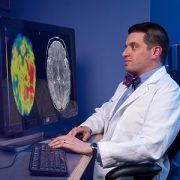
brain scans

In a new retrospective study, researchers analyzed pediatric patients with myelin oligodendrocyte glycoprotein antibody–associated disease (MOGAD) to determine whether the presence of brain lesions affected clinical outcomes in those presenting with optic neuritis (ON).

In a new retrospective study published in Multiple Sclerosis and Related Disorders, researchers analyzed pediatric patients with myelin oligodendrocyte glycoprotein antibody–associated disease (MOGAD) to determine whether the presence of brain lesions affected clinical outcomes in those presenting with optic neuritis (ON). By comparing patients with ON and brain lesions to those with ON without brain lesions, the investigators found that brain lesions were often asymptomatic and were not associated with additional clinical disability.

The big picture

The study retrospectively looked at 32 pediatric patients with MOGAD being followed by Children’s National Hospital and Johns Hopkins Hospital between August 2010 and July 2024. Of these, 18 presented with ON without brain lesions and 14 with ON and brain lesions. Overall, 69% of patients were female and the median age at symptom onset was 12 years old, with a younger onset among those experiencing acute disseminated encephalomyelitis. Across the cohort, a total of 35 ON episodes were analyzed.

Features of ON, including severity of visual impairment, were largely consistent between groups, although individuals with concurrent brain lesions more frequently exhibited additional neurologic symptoms. Outcomes were favorable overall, with substantial recovery noted by one month and minimal disability at three months and beyond. Follow-up imaging demonstrated improvement in most brain lesions over time, suggesting that neither their presence nor persistence reliably predicts long-term disability or a more severe ON presentation.

The hold up in the field

“MOGAD is a rare disorder that has only been commercially testable since 2017, so we are still learning about its clinical phenotypes and long-term outcomes,” said Vivien Xie, MD, pediatric neuroimmunology fellow at Children’s National and lead author of the study. “In pediatrics, it can be especially difficult to conduct research on rare diseases because large cohort numbers are needed to draw meaningful conclusions.”

Moving the field forward

MOGAD encompasses a range of clinical phenotypes, and it remains unclear whether these phenotypes carry distinct prognostic implications in children.

“This study advances our understanding of prognosis in MOGAD and supports a more individualized approach to monitoring and treatment, while also helping clinicians more confidently counsel patients and families about the implications of brain lesions identified on initial MRI,” said Dr. Xie.

Read the study, Significance of brain lesions associated with optic neuritis in pediatric myelin oligodendrocyte glycoprotein antibody-associated disease, in the journal Multiple Sclerosis and Related Disorders.

Additional authors from Children’s National include: Claire Har, Kyle Spagnolo, DO, Ilana Kahn, MD, Leigh Sepeta, PhD, Alexandra B. Kornbluh, MD.

This work was completed with philanthropic support from the Global Autoimmune Institute and Fighting FIRES With Owen.

Children’s National recertified as PPMD Certified Duchenne Care Center with Clinical Research Designation

The Children's National neuromuscular medicine team

Children National Hospital’s Neuromuscular Medicine Program team.

Children’s National Hospital has been recertified as a Parent Project Muscular Dystrophy (PPMD) Certified Duchenne Care Center and has received PPMD’s new Clinical Research Designation, recognizing both sustained excellence in multidisciplinary Duchenne care and a demonstrated commitment to clinical research.

The Neuromuscular Medicine Program at Children’s National offers care through a robust, multidisciplinary clinic that brings together specialists in neurology, cardiology, pulmonology, endocrinology and bone health, physical and occupational therapy, nutrition and other key disciplines. This integrated model ensures that patients and families receive coordinated care that addresses the complex and evolving needs associated with Duchenne.

PPMD requires centers to reapply for certification every five years to ensure ongoing adherence to strict criteria, including specialist expertise, coordinated care models and comprehensive services. Recertification provides assurance of consistent, evidence-based care for individuals with Duchenne muscular dystrophy.

Introduced in 2025, the Clinical Research Designation distinguishes Certified Duchenne Care Centers that actively conduct Duchenne clinical trials and research. This designation highlights programs that contribute to reducing variability in care, strengthening clinical trial outcome measures and accelerating the development of emerging therapies.

“Recertification as a Certified Duchenne Care Center affirms Children’s National’s commitment to coordinated, evidence-based Duchenne care,” said Sarah Wright, DO, program director of the Neuromuscular Medicine Program. “The Clinical Research Designation builds on that foundation, reflecting our focus on advancing research, expanding access to clinical trials, and improving outcomes for patients and families.”

Through recertification and this new research designation, Children’s National continues to serve as a clinical and research resource within the national Duchenne care network while also improving the care of all patients with neuromuscular diagnoses.

Recognizing cerebral clots in children with brain infections

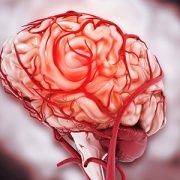
Medical illustration of a human brain highlighting blood vessels and blood flow

New evidence shows that cerebral sinovenous thrombosis, or CSVT, is far more common than previously appreciated.

The big picture

Acute bacterial intracranial infections place children at risk for serious neurologic complications. In addition to inflammation and direct brain injury, these infections create conditions that promote clot formation through dehydration, venous stasis, endothelial injury and hypercoagulability. Cerebral sinovenous thrombosis, or CSVT, has historically been underrecognized in this population.

As highlighted in a recent Neurology editorial, new evidence shows that CSVT is far more common than previously appreciated. In a retrospective observational study of children hospitalized for acute bacterial intracranial infections, nearly one-third developed CSVT.  This finding reframes how clinicians should think about risk, screening and management in these high-risk patients.

The hold-up in the field

Despite clear risk factors for CSVT, there are no standardized guidelines for screening children with intracranial bacterial infections. Prior studies have often focused on CSVT as the starting point rather than asking how frequently it complicates infection.

“As clinicians, we see this as a common clinical presentation,” said Dana Harrar, MD, PhD, director of the Pediatric Stroke Program at Children’s National Hospital and one of the editorial authors. “This study confirms just how common CSVT is as a complication of intracranial bacterial infection.”

Diagnosis is further complicated by variability in neuroimaging. In the study discussed in the editorial, 63% of CSVT cases were not detected on initial imaging. Not all children underwent MRI, and no single imaging sequence consistently identified CSVT.

Uncertainty around treatment has also slowed progress. While the study was not designed to definitively assess safety or effectiveness, no patients experienced symptomatic bleeding related to anticoagulation. “This suggests that anticoagulation may be a safe treatment option in this population,” Dr. Harrar noted.

Children’s National Hospital leads the way

At Children’s National, this work serves as a foundation for advancing care. Multidisciplinary teams from Neurology, Neurosurgery, Hematology and Critical Care Medicine are collaborating to develop a standardized clinical pathway for diagnosing and managing infectious CSVT.

“Future efforts should focus on establishing clearer approaches to identifying CSVT in children with intracranial bacterial infections, while also evaluating when and how anticoagulation should be used,” said Dr. Harrar. “Further study is also needed to understand how newer anticoagulants may fit into care.”

Read the full editorial, “Cerebral Sinovenous Thrombosis in Children With Bacterial Intracranial Infections”, in Neurology.

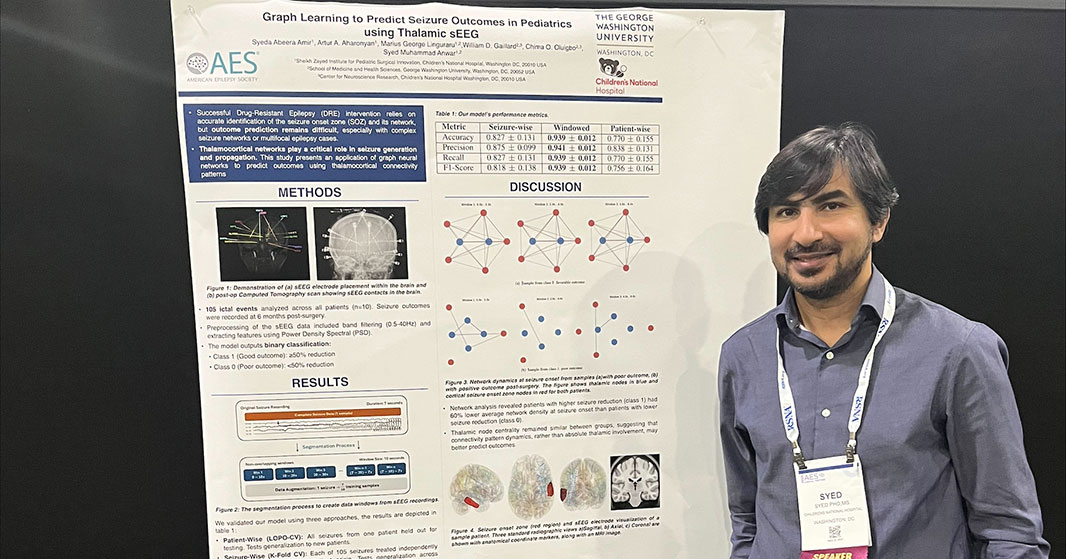
Shaping the future of epilepsy care: highlights from AES 2025

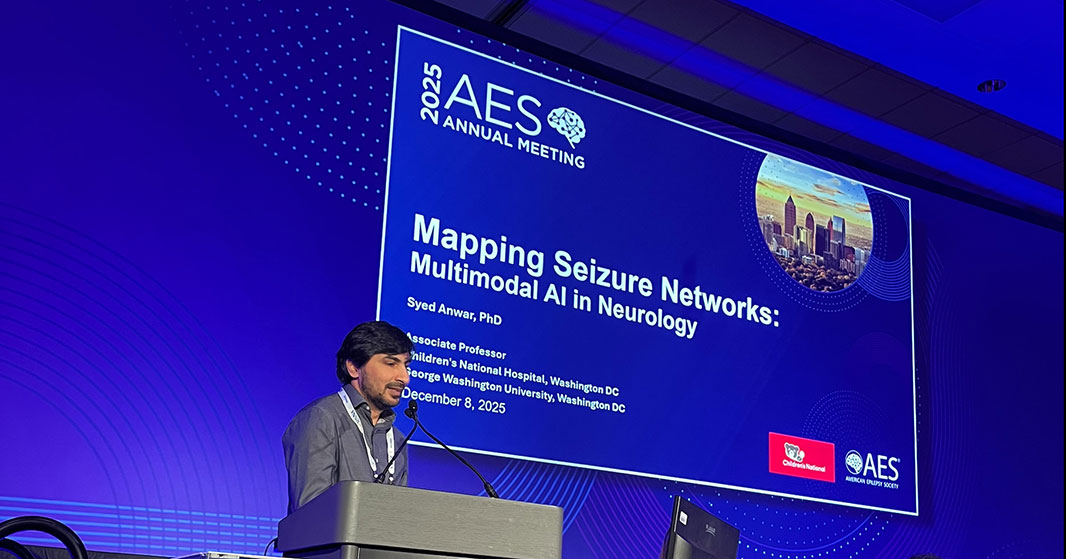
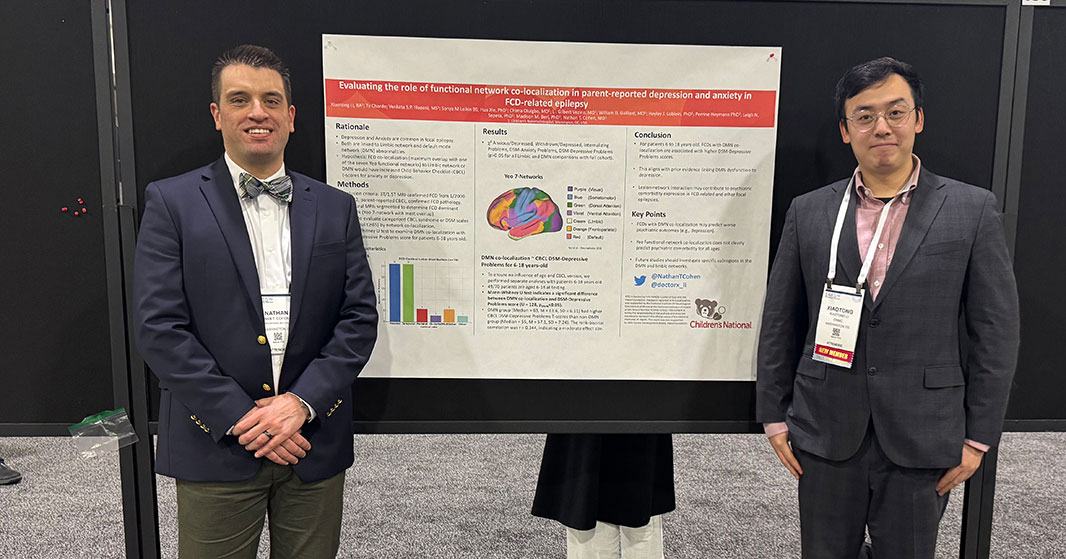
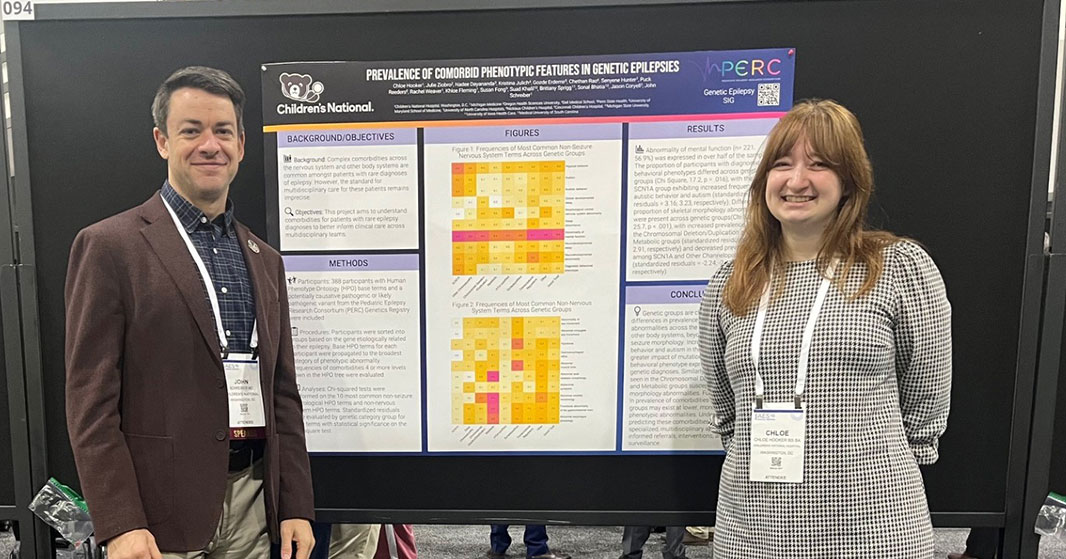
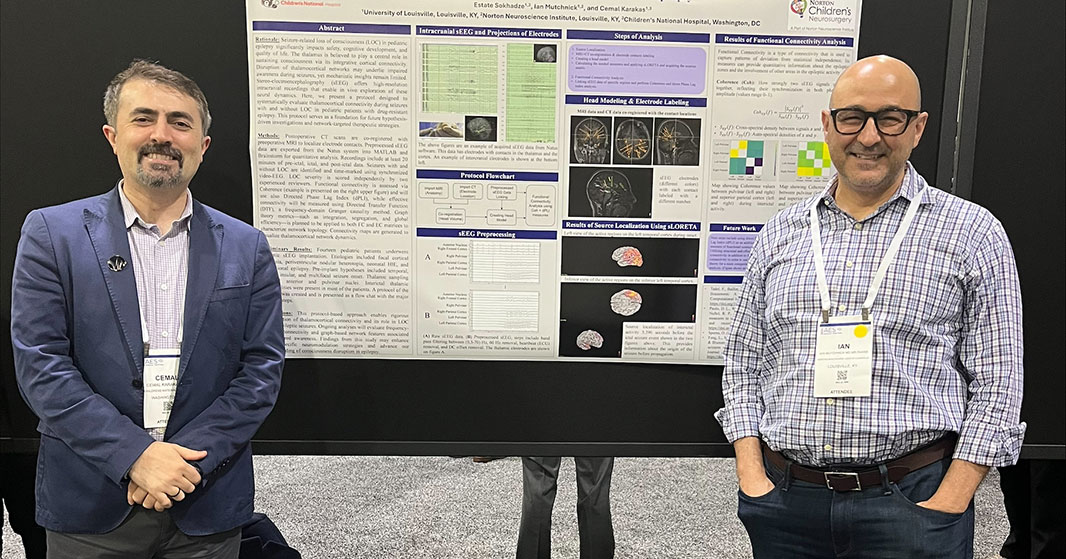
In early December, several doctors, fellows and faculty from the division of Neurology at Children’s National Hospital attended the American Epilepsy Society (AES) Annual Meeting in Atlanta, Georgia.

This meeting unites a global community of child and pediatric neurologists, neurosurgeons, psychiatrists, neuropsychologists, psychologists, basic translational and clinical scientists, advanced practice providers, advocates and industry professionals to share scientific breakthroughs, foster collaboration and improve outcomes for people living with epilepsy.

Children’s National experts were featured throughout the program, presenting on a wide range of topics in pediatric epilepsy.

Sessions and Workshops

  • Chima Oluigbo, MD: Epilepsy Surgery Skills Workshop | Overcoming Complications in Epilepsy Surgery
  • Dana Harrar, MD, PhD: Resident EEG Course
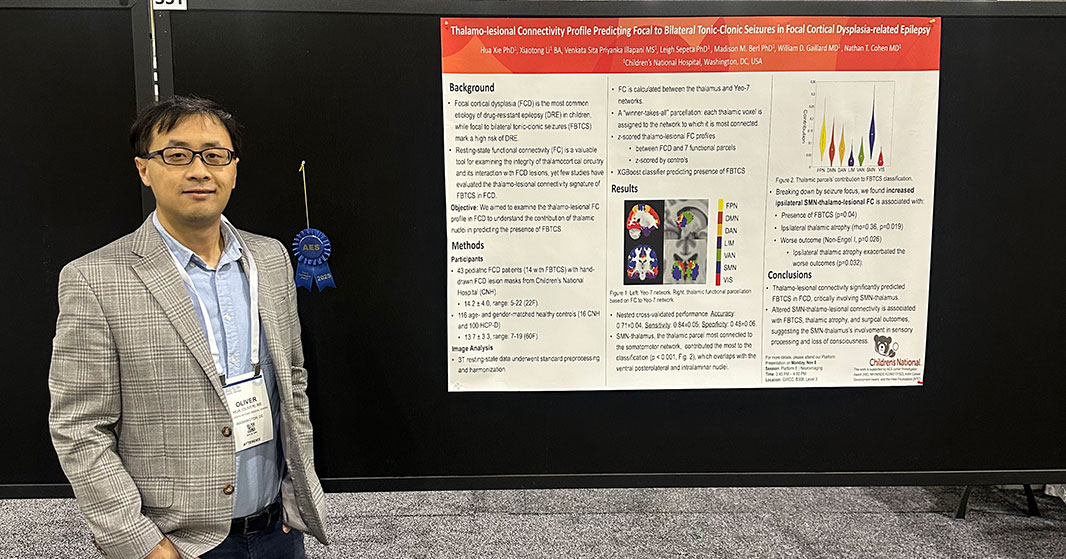
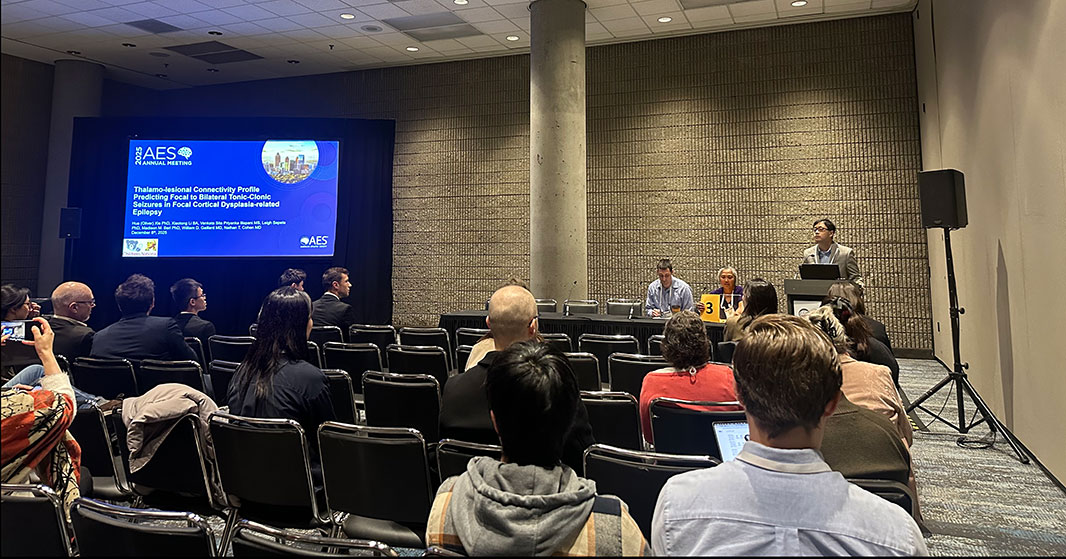
  • Hua Xie, PhD: Neuroimaging platform | Thalamo-lesional Connectivity Profile Predicting Focal to Bilateral Tonic-Clonic Seizures in Focal Cortical Dysplasia-related Epilepsy
  • John Schreiber, MD: Investigators Workshop | Mortality in DEEs Across the Lifespan: Timing, Causes and Prevention
  • Leigh Sepeta, PhD: Investigators Workshop | Hippocampal Long Axis Differentiation in Memory and Seizure Networks
  • Sara Preisendanz, MS, RD, CSP, LD: Professional Development | Career Pathways: Interprofessional Panel
  • Syed Anwar, PhD, MS: Pediatric State of the Art Symposium | Pediatric Epilepsy Surgery: It’s Not Just About Resection

Poster Presentations

To learn more about the meeting, visit the AES website for additional information.

The best of 2025 from Innovation District

2025 with a lightbulb instead of a zero

In 2025, Innovation District readers gravitated toward stories that explored how research and clinical innovation are reshaping pediatric care in real time. This year’s most popular articles highlighted advances in complex surgical care, evidence-based treatments for chronic and neuropsychiatric conditions and emerging technologies — from wearable data to artificial intelligence — that are changing how clinicians diagnose, treat and support children and families. Read on for our list of the most popular articles we published on Innovation District in 2025.

1. Life-changing care: How Children’s National tackles pediatric cervical spine injuries

The Cervical Spine program at Children’s National Hospital is responsible for treating a range of conditions, including trauma, congenital abnormalities and tumors. These conditions can lead to instability or misalignment of the cervical spine. “There are unique challenges in pediatric cases due to anatomical differences. The cervical spines of children are more at risk for injury because of their developmental stage and structural characteristics,” says Matthew Oetgen, MD, MBA, chief of Orthopaedic Surgery and Sports Medicine at Children’s National.
(2 min. read)

2. Pioneering evidence-based treatments for substance addictions

Increasing evidence-based treatment is a key component of the Addictions Program at Children’s National Hospital, created in 2022 and led by Sivabalaji Kaliamurthy, MD. “We really want to focus on intervening in an evidence-based manner in the primary care setting because that is where most of our patients are going to first access care outside of the emergency room,” explains Dr. Kaliamurthy.
(3 min. read)

3. Breaking barriers in growth disorder treatment for families

For many children with short stature and other rare genetic growth disorders, there have been no next steps after usual treatment options prove ineffective. Researchers at Children’s National Hospital are digging deeper to find the root genetic causes of short stature disorders and creating novel, nuanced treatment options that have the opportunity to change how the field approaches these cases.
(4 min. read)

4. The link between metabolic acidosis and cardiovascular disease in children with CKD

Denver D. Brown, MD, nephrologist at Children’s National, is looking at whether untreated metabolic acidosis could potentially contribute to cardiovascular outcomes in children with chronic kidney disease (CKD). Here, she explains her motivation, findings and future directions for this critical research.
(3 min. read)

5. Therapy approach shows promise for PANS/PANDAS

A multidisciplinary therapy model developed at Children’s National shows promise for children with PANS and PANDAS, significantly reducing symptoms through structured cognitive-behavioral therapy and family-centered care. The approach could offer a new standard for treating these rare, complex neuropsychiatric disorders.
(2 min. read)

6. Wearable tech data shows promise in ADHD detection

A study from Children’s National reveals that common wearable devices like Fitbits may hold the key to improving how we identify Attention-Deficit/Hyperactivity Disorder (ADHD) in adolescents. By analyzing patterns in heart rate, activity levels and energy expenditure, researchers were able to predict ADHD diagnoses with striking accuracy, offering a glimpse into a future where objective, real-time data supports earlier and more personalized mental healthcare.
(2 min. read)

7. Novel pediatric pacemaker shows safety, effectiveness for fragile infants in multi-center study

A novel implantable pacemaker designed specifically for infants has demonstrated safety and effectiveness in stabilizing heart rhythms for at least two years. The multi-center study of 29 infants showed stable pacing, normal electrical parameters and expected battery life, offering a viable alternative to standard-size devices for the smallest children.
(2 min. read)

8. Socioeconomic disadvantage associated with higher long-term mortality for children after heart surgery

Children who had heart surgery and come from less advantaged neighborhoods in the Washington, D.C., region are much more likely to die in the long term than those from neighborhoods with more wealth and opportunity. The finding was part of a presentation titled, Socioeconomic Disadvantage Is Associated with Higher Long-Term Mortality After Cardiac Surgery, by Jennifer Klein, MD, MPH, cardiologist at Children’s National Hospital, during the Society of Thoracic Surgeons Annual Meeting in Los Angeles.
(2 min. read)

9. Children’s National brings AI into the RHD early diagnosis equation

Experts from Children’s National traveled to Uganda to continue work on a pilot program applying artificial intelligence (AI) to the diagnosis of rheumatic heart disease (RHD). The team created a tool that uses AI to predict RHD by identifying leaky heart valves on handheld ultrasound devices, then prompts a referral for a full echocardiogram.
(2 min. read)

10. Fighting food insecurity with fresh produce and education

Food insecurity is rising in Washington, D.C. and it’s hitting families with children the hardest. That’s why Children’s National Hospital created the Family Lifestyle Program (FLiP) – a multi-layered intervention, which offers Patient Navigation (FLiP-PN) and a Produce Prescription Intervention (FLiPRx). FLiP is a Food Is Medicine, clinical-community initiative that helps families get access to fresh food, build healthy habits and lower their risk of diet-related diseases like diabetes and obesity.
(3 min. read)

Children’s National in the News: 2025

collage of news outlet logosIn 2025, Children’s National Hospital was featured in major national news outlets for pioneering advances in pediatric care, groundbreaking clinical research and powerful human stories of healing and hope. From gene therapy for sickle cell disease and innovative pacemakers for newborns to breakthrough transplants, cancer trials and emerging mental health concerns like AI psychosis, these stories highlight the hospital’s leadership across the full spectrum of pediatric medicine. The following ten highlights showcase the patients, families and experts behind this impact, as reported by outlets including NBC News, The Washington Post, Good Morning America, USA Today, Healio, ABC News and ESPN.

1. Gene therapy treatment gives new hope to sickle cell patients

Children’s National patient Wedam, 19, begins the first steps for intensive gene therapy for sickle cell disease, discussing his skepticism while his mother expresses her joy and gratitude for the treatment. (NBC News)

2. Little pacemakers ‘reliable’ in stabilizing newborns needing pacing

Charles Berul, MD, pediatric electrophysiologist and emeritus chief of Cardiology, discusses his study highlighting the safety and efficacy of an innovative smaller pacemaker designed for newborns with critical congenital heart disease. (Healio)

3. Why this clinical trial is offering some young cancer patients hope

Catherine Bollard, MBChB, MD, senior vice president and chief research officer, and the NexTGen team are poised to recruit patients for a new clinical trial that will take on an old, implacable foe: children’s solid tumors. (The Washington Post)

4. 11-year-old receives living donor heart valve to replace artificial one in breakthrough surgery

Yves d’Udekem, MD, PhD, chief of Cardiac Surgery, talked to Good Morning America about how an 11-year-old’s groundbreaking partial heart transplant will change his life and the lives of other children in need of valve replacements. (Good Morning America)

5. 9-year-old fights brain cancer with magic in her heart

The Lilabean Foundation along with Brian Rood, MD, medical director of the Brain Tumor Institute, talked about how patients like Kasey Zachman are the motivation behind finding a cure for brain cancer. (ABC News)

6. How Little League helps father-son duo recover from kidney transplant

USA Today Sports spoke with Gavin Brown and his parents, as well as Yi Shi, MD, a pediatric nephrologist at Children’s National Hospital, about their kidney transplant journey. (USA Today)

7. Jayden Daniels surprises Children’s National patient

After Jayden Daniels visited Commanders fan Sarah Addison at Children’s National Hospital while she was being treated for myeloid leukemia, they quickly became friends. (ESPN)

8. At D.C. children’s hospital, opera singers offer light, hope and healing

International opera stars performed for children, their families and employees at Children’s National Hospital. (The Washington Post)

9. ‘Gift of life:’ Tiny heart transplant saves life of Maryland baby

A baby boy in Maryland is back home after being given a second chance at life, just before his first birthday. The boy’s mother and his surgeon, Manan Desai, MD, share the remarkable story of a moment that changed all of their lives. (NBC4)

10. AI psychosis: Kids left delusional and paranoid over conversations with chatbots

Ashley Maxie-Moreman, PhD, clinical psychologist, spoke to ABC7 about what AI psychosis is and what parents need to know. (ABC7)

Showcasing global expertise: Children’s National at the 2025 Pediatric Neuroscience Conference in Qatar

Dr. Elizabeth Wells presenting at the 2025 Pediatric Neuroscience Conference.

Dr. Elizabeth Wells presenting at the 2025 Pediatric Neuroscience Conference.

In early November, experts from the Neuroscience and Behavioral Medicine Center at Children’s National Hospital traveled to Doha, Qatar, to participate in the 5th Annual Pediatric Neuroscience Conference, presented by Sidra Medicine. This marks the second year of partnership between Children’s National and Sidra Medicine for this premier international event.

The annual conference brings together leading clinicians, researchers and innovators from across Neurology, Neurosurgery, Neuro-critical Care, Neurogenetics and Neuroradiology to share the latest insights driving the future of pediatric neuroscience. This year’s program explored the epidemiology and mechanisms of neurological diseases, cutting-edge clinical trials, AI innovations and new models of integrated, high-impact care.

Elizabeth Wells, MD, senior vice president of the Neuroscience and Behavioral Medicine Center at Children’s National and a member of the conference’s Scientific Committee, highlighted the continued impact of this international partnership. “By training and supporting physicians and allied health staff across the region, we’re expanding access to quality care close to home,” said Dr. Wells. “But when children require complex interventions or innovative treatments that aren’t available locally, Children’s National is ready to provide that next level of care. We’re proud to serve both as a partner in strengthening regional capacity and as a global leader in the most advanced pediatric neuroscience therapies.”

“It was a great pleasure to partner once again with Children’s National for this year’s Pediatric Neuroscience Conference,” said Ruba Benini, FRCPSC, MD, PhD, medical director of the Neurodiagnostic Laboratory at Sidra Medicine. “Their high-caliber speakers and the depth of experience they brought to the conference added tremendous value, and we look forward to continuing our collaboration in the future.”

Children’s National brought the largest contingent of external speakers to this year’s meeting, presenting across multiple high-visibility sessions:

Scientific Sessions & Presentations

SESSION II: Neuro-Immunology

Drs. William D. Gaillard, Adelaide Robb and Karen Smith at the 2025 Pediatric Neuroscience Conference.

Drs. William D. Gaillard, Adelaide Robb and Karen Smith at the 2025 Pediatric Neuroscience Conference.

  • Elizabeth Wells, MD — Autoimmune Encephalitis – Updates on Diagnosis & Treatment

SESSION III: Neuro-Oncology

  • Elizabeth Wells, MD — Session Moderator
  • Robert Keating, MDLatest Advances in Non-Invasive Focused Ultrasound Treatment for Brain Tumors

SESSION IV: Neurogenetics and Precision Medicine in Neurological Disorders

  • Sarah Wright, MD Progress and Innovations in Clinical Trials for Neuromuscular Diseases
  • William D. Gaillard, MD Developments in Epilepsy Clinical Trials: Emerging Therapies and Technologies

SESSION V: Epilepsy Symposium

  • William D. Gaillard, MD — Epilepsy Surgery: Patient Selection, Evaluation and Outcomes
  • Chima Oluigbo, MDAdvances in Epilepsy Surgery: Options and Procedures
  • Adelaide Robb, MD Neuropsychiatric Co-Morbidities in Pediatric Epilepsy

SESSION VI: Complex Neurosurgical Procedures

  • Robert Keating, MD — Two Decades of Experience With Chiari Malformations: Where Are We Today?

SESSION VII: Artificial Intelligence and Cutting-Edge Research in Neuroscience

  • Chima Oluigbo, MD — Artificial Intelligence in Neurosurgery: Transforming Diagnosis, Treatment, and Patient Outcomes

Following the conference, Dr. Adelaide Robb and Dr. William D. Gaillard presented Grand Rounds for the psychiatry and neurology departments at Sidra Medicine, further strengthening the educational and clinical collaboration between institutions.

“Our work in the Gulf is rooted in a simple belief: every child deserves access to cutting-edge care and the hope it brings,” says Karen Smith, MD, executive medical director of Global Services at Children’s National. “By partnering with hospitals and government leaders across the region, we’re not only sharing expertise—we’re building sustainable systems that empower communities and transform outcomes for children for years to come.”

To learn more about the Pediatric Neuroscience Conference, visit the conference website.

Global leaders in pediatric neuroscience, including experts from Children’s National, gather at the 2025 Pediatric Neuroscience Conference in Qatar.

Global leaders in pediatric neuroscience, including experts from Children’s National, gather at the 2025 Pediatric Neuroscience Conference in Qatar.