Supporting parents and children through diabetes diagnosis
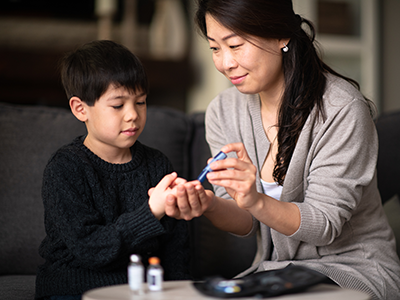
Behavioral intervention can improve parents’ mood following their child’s diabetes diagnosis.
Results from a new study show that behavioral intervention improved parents’ mood following young children’s Type 1 diabetes diagnosis.
The study evaluated First STEPS, a stepped-care behavioral intervention designed to support parents’ psychosocial functioning and promote children’s glycemic outcomes. Results indicated likely benefits of parent coach support, supplemented by intervention intensifications, including behavioral intervention and diabetes education.
“We found that parent coaches, or parents of slightly older children with Type 1 diabetes who were trained in offering peer support, were helpful in reducing parent depressive symptoms up to one year and a half following diagnosis for parents in the stepped care group,” says Randi Streisand, Ph.D., C.D.C.E.S., Psychology and Behavioral Health division chief at Children’s National Hospital and senior author of the study. “The second study target, child glycemic control, was not significantly different between the two groups.”
What’s been the hold-up in the field?
There are unique challenges facing families of young children with Type 1 diabetes. However, typical care and management guidelines are not specific to young children.
“Many parents of children diagnosed with diabetes experience distress and symptoms of depression, yet parents are not routinely screened during clinic visits,” Dr. Streisand says. “Further, there are many barriers to mental health support.”
Moving the field forward
Findings also highlighted the potential for training lay people who have a shared lived experience (parent coaches), which could be incorporated into clinical programs.
Most behavioral interventions use behavioral health experts. The study’s experts demonstrated significant outcomes in parent mood by using parent coaches.
“The goal would be to incorporate parent coach programs into the clinic setting, to either offer the support to all families at the time of diagnosis or to screen families and provide support to those in need,” Dr. Streisand adds.
The authors affirm this model has high potential for patient engagement. Additionally, results showed that incorporating targeted behavioral support for intensive diabetes treatment may maximize intervention impact.
Other Children’s National authors include: Carrie Tully, Ph.D.; Christine Wang, Ph.D.; Lauren Clary, Ph.D.; Fran Cogen, M.D.; John Barber and Celia Henderson.
You can read the full study First STEPS: Primary Outcomes of a Randomized, Stepped-Care Behavioral Clinical Trial for Parents of Young Children With New-Onset Type 1 Diabetes in Diabetes Care.



 Adolescents with attention-deficit/hyperactivity disorder (ADHD) report greater hesitancy and less confidence in COVID-19 vaccine safety compared to adolescents without ADHD, a
 Children’s National Hospital in Washington, D.C., was ranked No. 5 nationally in the U.S. News & World Report 2022-23 Best Children’s Hospitals annual rankings. This marks the sixth straight year Children’s National has made the list, which ranks the top 10 children’s hospitals nationwide. In addition, its








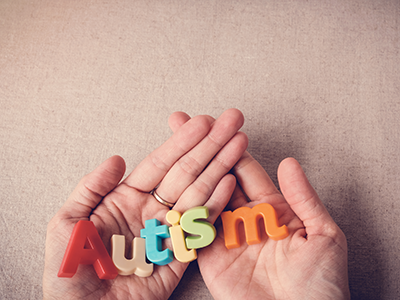 Many service providers struggle to keep pace with advances in autism-specific knowledge and tend to refer children to autism specialty clinics when the diagnosis of autism spectrum disorder (ASD) is in question. Unfortunately, it is in these settings where children most often wait for months or, worse, experience barriers to accessing any care at all. This has resulted in an access crisis for children and families with ASD concerns contributing to delays in diagnosis and treatment, particularly for children of color and for under-resourced families. Service disruptions and challenges related to the COVID-19 pandemic have only added to delays. As the need for autism-related services continues to grow, innovative models must be used to enhance competence among frontline medical, behavioral health and community-based providers who currently serve these children and families on a regular basis.