Tag Archive for: nephrology

New study reveals hidden kidney dysfunction in children with cloacal malformations

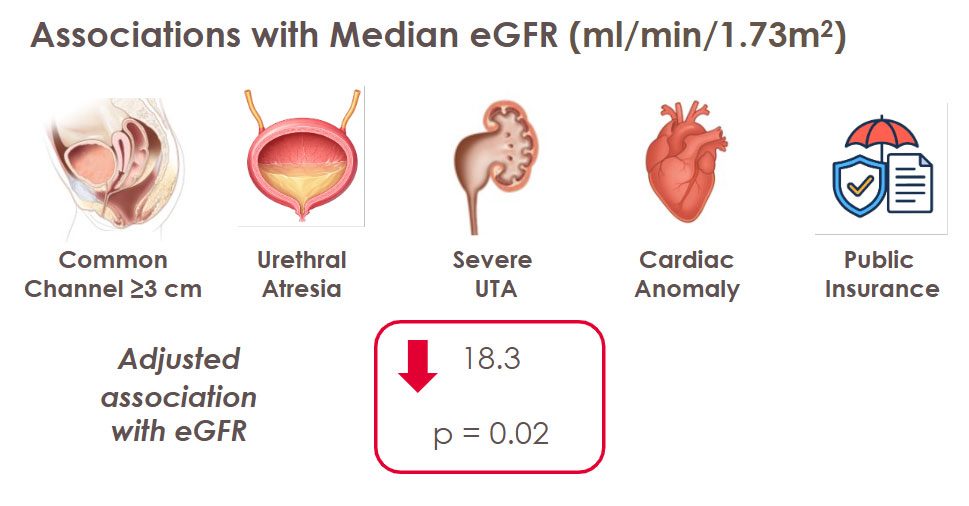
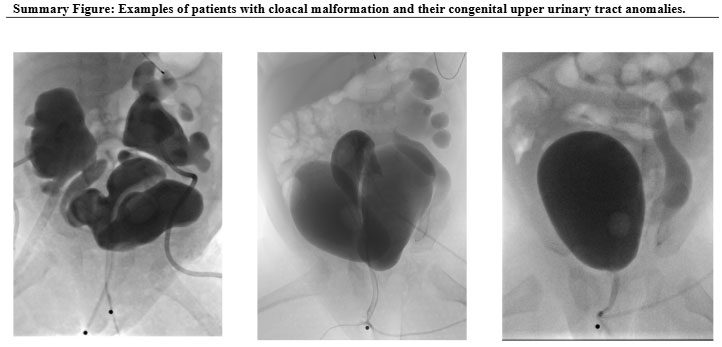
Associations wiht Median eGFRChildren born with cloacal malformations face many medical challenges beyond surgery. One major concern is kidney health, which may not always be obvious at first. In a recent study published in the Journal of Pediatric Urology, experts at Children’s National Hospital found that many of these children show early signs of kidney problems, often related to abnormalities in the kidneys or urinary tract that are present from birth.
How does this work move the field forward?

In the past, doctors did not fully understand why some children with cloaca develop chronic kidney disease (CKD). Earlier studies showed that about 6% of children with complex cloaca needed a kidney transplant by around age 10, but the exact cause of their kidney problems was unclear.

“Our study shows that some kidney damage in children with cloaca actually begins before birth and is linked to problems in the kidneys or urinary tract that are present from the start,” said Briony Varda, MD, MPH, urologist in the Division of Urology and the Division of Colorectal and Pelvic Reconstruction at Children’s National. “This early damage may reduce a child’s kidney reserve, but it may not show up on common blood tests like serum creatinine.”

By using newer, more accurate ways to measure kidney function, such as the CKID U25 GFR formula, researchers were able to detect hidden kidney problems that standard tests might miss. This helps doctors identify at-risk children earlier and take steps to protect their kidney health over time.

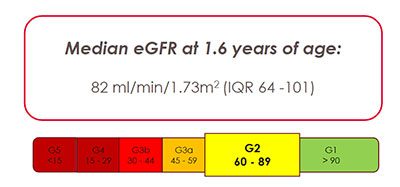
Median eGFR at 1.6 years of age

What did you find that excites you?

The study found that children with cloacal anomalies can have kidney problems from birth, even when routine tests look normal.

“These findings raise important questions for care,” Dr. Varda said. “Can careful management slow kidney damage, or is it set before birth? How will these early kidney issues affect patients as they grow?”

Understanding these answers could help doctors plan better long-term care and protect kidney health throughout childhood and beyond.

How is Children’s National leading in this space?

Children’s National has performed more primary cloaca repairs than any other hospital in the U.S. over the past five years, according to national data.

“Our team works closely in the operating room and with many specialists outside the OR,” Dr. Varda said. “For this study, our kidney expert, Melissa Meyers, MD, contributed her guidance. Since 2020, we’ve also maintained a careful database that tracks outcomes for this rare condition. This work helps us learn and improve care for every patient.”

Read the full study, Glomerular Filtration Rate (GFR) measures in young children with cloacal malformations indicate early baseline renal dysfunction which is independently associated with congenital upper urinary tract anomalies, in the Journal of Pediatric Urology.

Additional Children’s National contributors include doctors across Urology, Nephrology, Colorectal and Fetal Medicine: Christopher Staniorski, MD, Christopher Corbett, MD, Butool Hisam, MD, Melanie Bowser, MD, Allison Mayhew, MD, Christina P. Ho, MD, Hans G. Pohl, MD, Christina Feng, MD, Andrea Badillo, MD, Marc Levitt, MD, Melissa Meyers, MD.

Examples of patients with cloacal malformation and their congenital upper urinary tract anomalies

Two ultrasound measurements improve pediatric kidney function assessment

x-ray of kidneys

Two simple ultrasound measurements can help doctors better spot kidney blockages in children and reduce the need for radiation tests.

Kidney blockages in children, often caused by ureteropelvic junction obstruction (UPJO), can be hard to diagnose. These blockages can lead to hydronephrosis, or swelling of the kidney, which can damage kidney function if not found early.

The most accurate test, called a MAG3 scan, shows how well the kidney works and drains urine. However, this test uses radiation and requires an IV. For that reason, doctors often use ultrasound first since it is safe and does not use radiation. The challenge is that reading ultrasounds to judge how serious the swelling is can be unclear and based on opinion.

A study led by Aaron Krill, MD, urologist at Children’s National Hospital, looked at whether simple ultrasound measurements could help doctors make more consistent and confident decisions.

What’s been the hold-up in the field?

Doctors use grading systems to describe the severity of hydronephrosis, or kidney swelling. These systems often depend on whether the kidney tissue appears “thin.” The problem is that there is no clear rule for what “thin” actually means. As a result, different doctors may describe the same ultrasound differently, which can make it harder to decide which children need more testing.

How does this work move the field forward?

In this study, Dr. Krill and his team found that two ultrasound measurements —the width of the kidney’s central area (renal pelvic diameter) and the thickness of the kidney tissue (renal parenchymal thickness) — were linked to signs of blockage seen on a MAG3 scan.

Researchers looked at whether different radiologists would get the same results when making these measurements. They found very strong agreement between doctors, even when they used slightly different ways to find the thinnest part of the kidney tissue.

“We’ve relied on visual grading for years,” Dr. Krill said. “We wanted to see if we could use clear measurements that are repeatable and directly connected to how the kidney is functioning.”

The results showed that these measurements are reliable and can be standardized.

How will this work benefit patients?

Using these clear measurements can help doctors better identify which children with hydronephrosis are truly at risk for blockage. This means fewer children may need a MAG3 scan if their ultrasound measurements show they are low risk. At the same time, children who are at higher risk for blockage can be identified sooner. This approach supports safer, more personalized care.

How is Children’s National leading in this space?

Children’s National is one of the first groups to connect clear ultrasound measurements with objective results from MAG3 scans. By combining these pieces, the team is helping move care away from opinion-based grading and toward more consistent, measurement-based decision-making. This work supports smarter testing and more tailored follow-up for each child.

Read the full study, Assessing inter-rater reliability of objective renal sonographic measurements for identification of clinically significant ureteropelvic junction obstruction,  in the Journal of Pediatric Urology.

Additional authors from Children’s National: Chris Corbett, MD, Jane S Kim, MD, Hassan Aboughalia, MD, Butool Hisam, MD.

Children’s National Hospital once again ranked among the nation’s best by U.S. News & World Report

US News badgesChildren’s National Hospital in Washington, D.C., was ranked as a top hospital in the nation by the U.S. News & World Report 2025-26 Best Children’s Hospitals annual rankings. This marks the ninth straight year Children’s National has made the Honor Roll list. The Honor Roll is a distinction awarded to only 10 children’s hospitals nationwide.
For the fifteenth straight year, Children’s National ranked in 10 specialty services and is the highest U.S. News ranked children’s hospital in Washington, D.C., Maryland and Virginia. Last year, U.S. News introduced pediatric & adolescent behavioral health as a service line in its rankings. While there are no ordinal rankings for behavioral health, the Children’s National program was named one of the top 50 programs in the country for the second year in a row.

“To be named among the nation’s top children’s hospitals for nine years in a row is a reflection of the extraordinary expertise, innovation and heart that our teams bring to every child and family we serve,” said Michelle Riley-Brown, MHA, FACHE, president and chief executive officer of Children’s National. “Our leadership in specialties like neurology, cancer, and diabetes and endocrinology underscores the national impact of our work, and we remain focused on setting new standards in pediatric care.”

The annual rankings are the most comprehensive source of quality-related information on U.S. pediatric hospitals and recognizes the nation’s top 50 pediatric hospitals based on a scoring system developed by U.S. News.

“Being a top-ranked pediatric hospital means more than just excelling in a single specialty — it means being a pillar of outstanding care for your entire region,” said Ben Harder, chief of health analysis and managing editor at U.S. News. “Our rankings acknowledge these hospitals for their comprehensive excellence, helping families find the very best care conveniently located within their state and community.”

The bulk of the score for each specialty service is based on quality and outcomes data. The process includes a survey of relevant specialists across the country, who are asked to list hospitals they believe provide the best care for patients with the most complex conditions.

The Children’s National specialty services that U.S. News ranked in the top 10 nationally are:

The other six specialties ranked among the top 50 are Behavioral Health, Cardiology and Heart Surgery, Gastroenterology and GI Surgery, Neonatology, Pulmonology and Lung Surgery, and Urology.

Looking ahead: Children’s National faculty and fellows prepare for Kidney Week 2025

Kidney Week 2025 logoThis November, doctors, fellows and faculty from the Division of Nephrology at Children’s National Hospital will join more than 12,000 kidney professionals at Kidney Week 2025 in Houston, Texas. Hosted annually by the American Society of Nephrology (ASN), this event offers a unique opportunity for attendees to engage in discussions and collaborations focused on the latest breakthroughs and innovations in nephrology.

Professionals and leaders from Children’s National will play a prominent role throughout the weekend, showcasing their expertise in a variety of sessions and presentations including:

Session Moderators

Poster Presentations

  • Ashley Trinh, MD (Nephrology Fellow): “Granulomatous Tubulointerstitial Nephritis in Pediatric Inflammatory Bowel Disease: A Case Report”
  • Jordy Salcedo-Giraldo, MD (Nephrology Fellow): “A Rare Case of Rapidly Progressive Kidney Failure in Alport Syndrome with Crescents”
  • Jordy Salcedo-Giraldo, Krista Wink, Nicholas Dadzie, Andrew Freiman, MS, CGC & Ashima Gulati, MD, PhD: “Variants of Uncertain Significance Burden Quantification and Reclassification in a Pediatric Kidney Genetics Clinic”
  • Krista Wink, Jordy Salcedo-Giraldo & Ashima Gulati: “Multidisciplinary Care Needs in Children with ADPKD”
  • Krista Wink, Jordy Salcedo-Giraldo, Andrew Freiman, Tucker Pyle, MD, PhD & Ashima Gulati: “The Inherited and Polycystic Kidney Disease Program at Children’s National Hospital”

Additionally, Dr. Denver Brown’s article published in Kidney360, Metabolic Acidosis and Cardiovascular Disease Risk in Children with CKD, has been selected to be presented during the “Best of ASN Journals: JASN, CJASN, and Kidney360″ session.

To view the full schedule with details, visit the ASN website.

Denver Brown, MD, awarded prestigious KidneyCure grant to advance pediatric CKD research

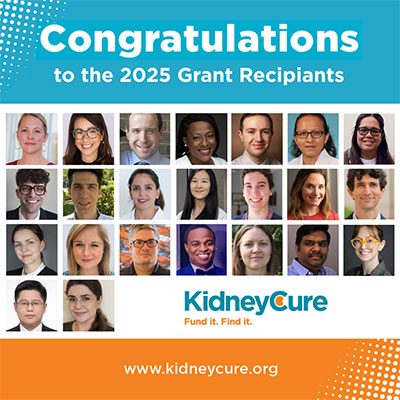
2025 KidneyCure Research Scholar Grant recipients

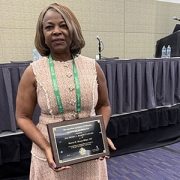
Denver Brown, MD, a pediatric nephrologist at Children’s National Hospital, has been named a 2025 KidneyCure Research Scholar Grant recipient. Her project, titled Metabolic Acidosis and Growth in a Heterogeneous Pediatric CKD Population: A Target Trial Emulation Study, addresses a critical gap in managing chronic kidney disease (CKD) in children.

KidneyCure, established by the American Society of Nephrology, is the largest private funder of kidney-focused research, awarding $3.2 million this year to support 45 investigators. Dr. Brown’s award falls under the Transition to Independence Grants Program, which supports early-career researchers in establishing independent research careers.

Dr. Brown’s study will examine how treating metabolic acidosis affects linear growth in children with CKD, a population in which up to 35% experience growth impairment. “My research focuses on adding to, and increasing, evidence-based approaches to managing chronic kidney disease in children, with a particular focus on metabolic acidosis,” she said.

Instead of a traditional clinical trial, she will use target trial emulation, a method that applies advanced statistical techniques to real-world data from 11 institutions. “Target trial emulation is especially valuable in pediatric nephrology, where the rarity of CKD makes large-scale trials difficult to conduct,” she explained.

Dr. Brown hopes her findings will help reduce morbidity in pediatric CKD patients by identifying effective treatment strategies. “Poor linear growth affects up to 35% of the pediatric CKD population and has been associated with poor health and quality of life outcomes,” she noted.

Looking ahead, she aims to become a leader in pediatric clinical trials. “With the support of this award, I hope to gain skills in advanced statistical approaches that can be leveraged to conduct novel pediatric CKD-focused trials and studies.”

She also brings a personal connection to her work: “My oldest brother is a living-donor kidney transplant recipient. He and my younger brother, the donor, are thriving 15 years post-transplant.”

Her work reflects KidneyCure’s mission to support the next generation of nephrology leaders and drive research that improves patient care.

Children’s National again ranked among the best in the nation by U.S. News & World Report

2024-25 US News BadgesChildren’s National Hospital in Washington, D.C., was ranked as a top hospital in the nation by the U.S. News & World Report 2024-25 Best Children’s Hospitals annual rankings. This marks the eighth straight year Children’s National has made the Honor Roll list. The Honor Roll is a distinction awarded to only 10 children’s hospitals nationwide.


This year, U.S. News ended ordinal rankings on its Honor Roll. Instead of assigning a numerical rank from 1 to 10, all hospitals on the Honor Roll will be recognized as having attained the highest standards of care in the nation.

In addition, Children’s National tied for #1 pediatric hospital in the Mid-Atlantic region, which includes New York, New Jersey, Delaware, Pennsylvania, the District of Columbia, West Virginia and Virginia. It’s also best in the Mid-Atlantic in Neonatology.

For the fourteenth straight year, Children’s National ranked in 10 specialty services. New this year, U.S. News included behavioral health as a service line in the rankings. Since it’s the first year, there are no ordinal rankings for behavioral health, but the Children’s National program was named one of the top 50 programs in the country.

“In my first year here, I witnessed what makes Children’s National so special — our commitment to collaboration, empowering one another, and charting a bold path forward for pediatric care,” said Michelle Riley-Brown, MHA, FACHE, president and chief executive officer of Children’s National. “I’m proud U.S. News again recognized Children’s National as one of the top in the nation and the highest-ranked pediatric hospital in D.C., Maryland and Virginia. Together, we’ll continue to push the boundaries of care, research and innovation to make a difference for those who matter most — the kids.”

The annual rankings are the most comprehensive source of quality-related information on U.S. pediatric hospitals and recognizes the nation’s top 50 pediatric hospitals based on a scoring system developed by U.S. News.

“For nearly two decades, U.S. News has published Best Children’s Hospitals to empower the parents and caregivers of children with complex medical needs,” said Ben Harder, chief of health analysis and managing editor at U.S. News. “Children’s hospitals appearing on the U.S. News Honor Roll have a track record of delivering unparalleled specialized care.”

The bulk of the score for each specialty service is based on quality and outcomes data. The process includes a survey of relevant specialists across the country, who are asked to list hospitals they believe provide the best care for patients with the most complex conditions.

The Children’s National specialty services that U.S. News ranked in the top 10 nationally are:

The other four specialties ranked among the top 50 are Behavioral Health, Cardiology and Heart Surgery, Pulmonology and Lung Surgery, and Urology.

Update: Collaboration across borders to improve access to nephrology care

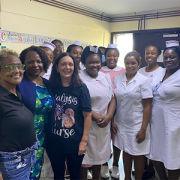
Marva Moxey-Mims, M.D., division chief of Nephrology at Children’s National, has a grant from the International Pediatric Nephrology Association (IPNA) to bring care to children with kidney disease in Jamaica.

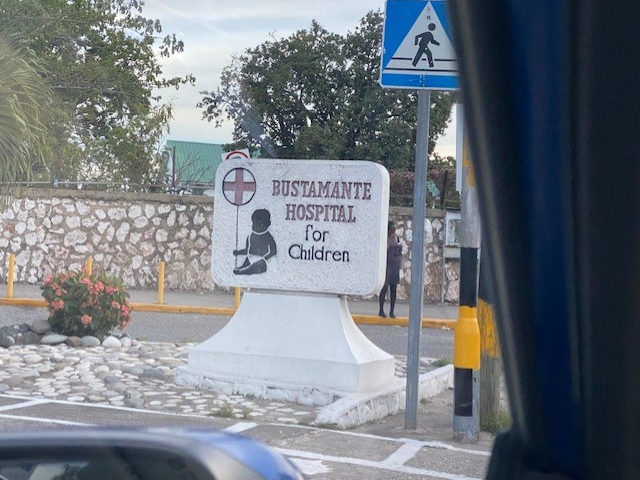
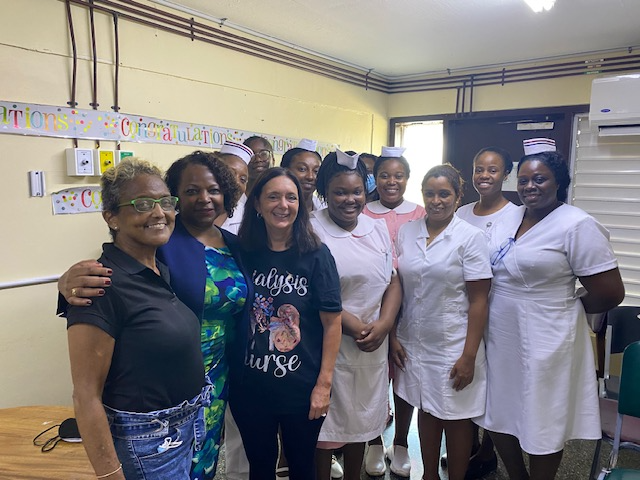
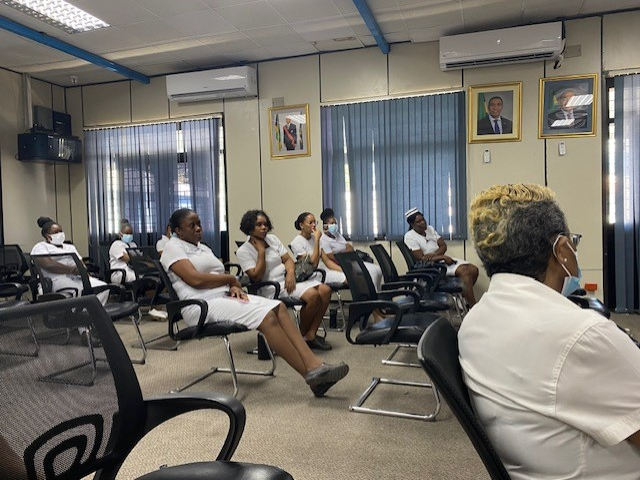
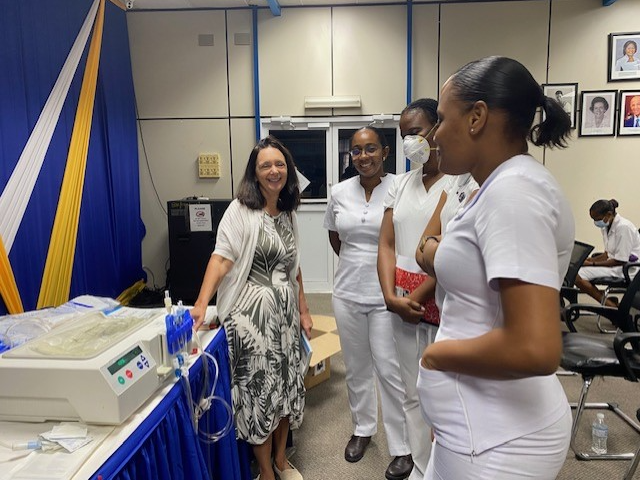
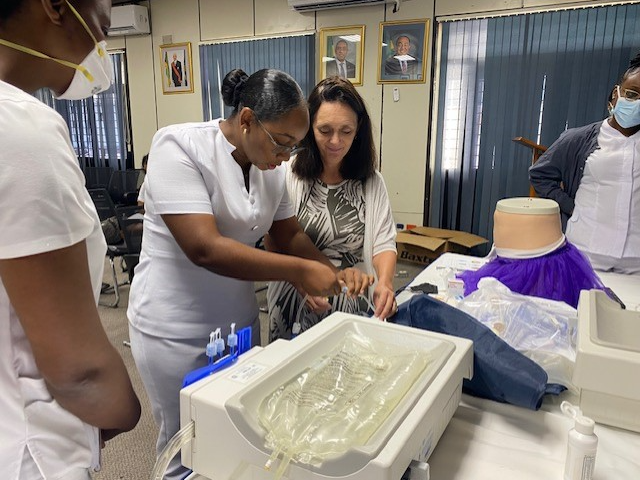
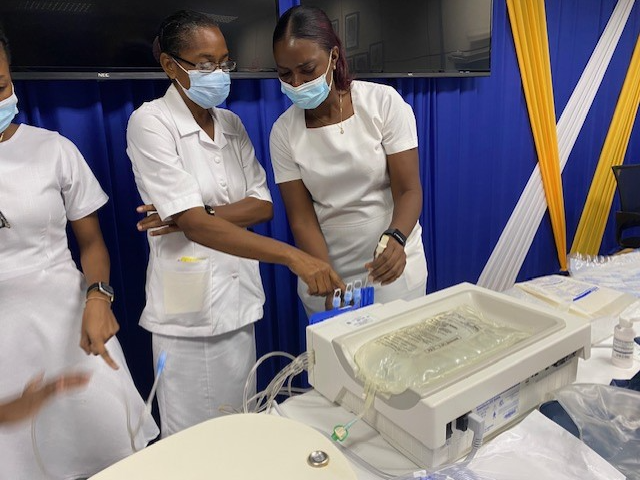
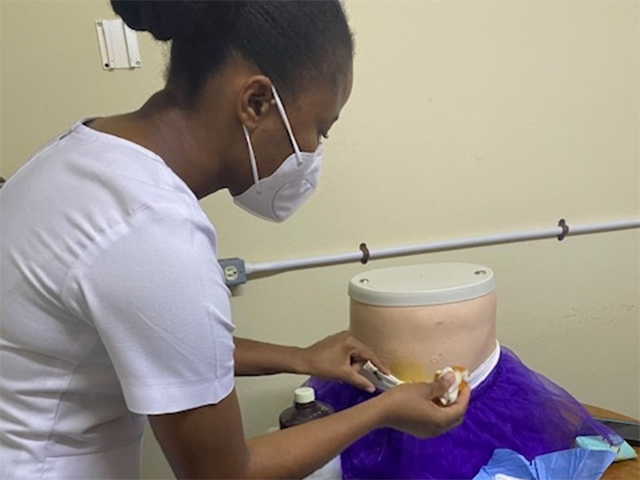
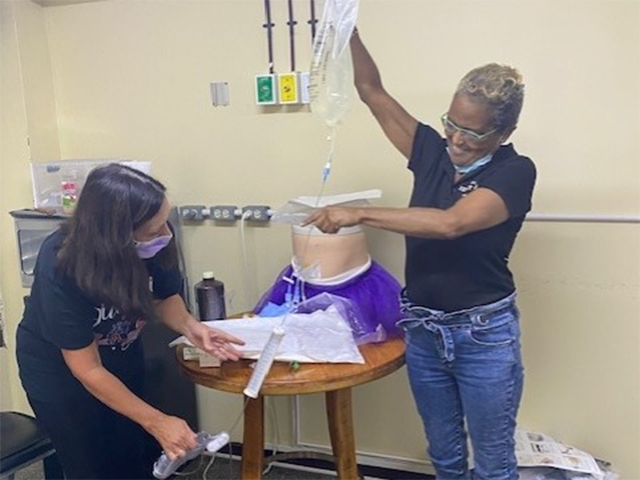
During her recent trip, Dr. Moxey-Mims was joined by peritoneal dialysis nurse, Jennifer Carver, RN, and three pediatric nephrologists in Jamaica, Drs. Maolynne Miller, Nadia McClean and Sandrica Peart. Together, they trained close to 30 nurses from three hospitals across the island, including the Bustamante Children’s Hospital, the University Hospital of the West Indies — both in Kingston — and the Cornwall Regional Hospital in Montego Bay.

Nurses were given hands-on training in using peritoneal dialysis cycler machines and manual peritoneal dialysis. The training is part of an initiative that focuses on:

  • Improving clinical training of staff (medical, nursing, and allied health) involved in caring for children with kidney disease
  • Developing and upgrading services for children and adolescents with kidney diseases
  • Educating the community on disease awareness and prevention strategies

“Our ability to offer innovative training and resources to nurses underscores our commitment to ensuring children throughout Jamaica receive the essential care they require,” said Dr. Moxey-Mims. “This signifies to both domestic and international audiences that we’re upholding our pledge to health equity.”

Children’s National Hospital ranked #5 in the nation on U.S. News & World Report’s Best Children’s Hospitals Honor Roll

U.S. News BadgesChildren’s National Hospital in Washington, D.C., was ranked #5 in the nation on the U.S. News & World Report 2023-24 Best Children’s Hospitals annual rankings. This marks the seventh straight year Children’s National has made the Honor Roll list. The Honor Roll is a distinction awarded to only 10 children’s hospitals nationwide.
For the thirteenth straight year, Children’s National also ranked in all 10 specialty services, with eight specialties ranked in the top 10 nationally. In addition, the hospital was ranked best in the Mid-Atlantic for neonatology, cancer, neurology and neurosurgery.

“Even from a team that is now a fixture on the list of the very best children’s hospitals in the nation, these results are phenomenal,” said Kurt Newman, M.D., president and chief executive officer of Children’s National. “It takes a ton of dedication and sacrifice to provide the best care anywhere and I could not be prouder of the team. Their commitment to excellence is in their DNA and will continue long after I retire as CEO later this month.”

“Congratulations to the entire Children’s National team on these truly incredible results. They leave me further humbled by the opportunity to lead this exceptional organization and contribute to its continued success,” said Michelle Riley-Brown, MHA, FACHE, who becomes the new president and CEO of Children’s National on July 1. “I am deeply committed to fostering a culture of collaboration, empowering our talented teams and charting a bold path forward to provide best in class pediatric care. Our focus will always remain on the kids.”

“I am incredibly proud of Kurt and the entire team. These rankings help families know that when they come to Children’s National, they’re receiving the best care available in the country,” said Horacio Rozanski, chair of the board of directors of Children’s National. “I’m confident that the organization’s next leader, Michelle Riley-Brown, will continue to ensure Children’s National is always a destination for excellent care.”

The annual rankings are the most comprehensive source of quality-related information on U.S. pediatric hospitals and recognizes the nation’s top 50 pediatric hospitals based on a scoring system developed by U.S. News.

“For 17 years, U.S. News has provided information to help parents of sick children and their doctors find the best children’s hospital to treat their illness or condition,” said Ben Harder, chief of health analysis and managing editor at U.S. News. “Children’s hospitals that are on the Honor Roll transcend in providing exceptional specialized care.”

The bulk of the score for each specialty service is based on quality and outcomes data. The process includes a survey of relevant specialists across the country, who are asked to list hospitals they believe provide the best care for patients with the most complex conditions.

The eight Children’s National specialty services that U.S. News ranked in the top 10 nationally are:

The other two specialties ranked among the top 50 were cardiology and heart surgery, and urology.

Profit facility status linked to longer wait times for kidney transplants

dialysis machines

Researchers found that profit dialysis facility status was associated with longer wait-listing times and kidney transplants.

Care of adults at profit versus nonprofit dialysis facilities has been associated with lower access to kidney transplants.

In a study published in JAMA, Celina Brunson, M.D., nephrologist and medical director of dialysis at Children’s National Hospital, and a cohort of researchers, found that profit facility status was associated with longer wait-listing times and kidney transplants. Whether there was a correlation in profit status was unknown before this study.

Researchers reviewed the United States (US) Renal Data System records of 13,333 pediatric patients under the age of 18 who started dialysis from the year 2000 through 2018 in U.S. dialysis facilities. This was followed up through June 30, 2019. Results showed that among U.S. pediatric patients undergoing dialysis, profit dialysis facility status was significantly associated with increased time to wait-listing and kidney transplants.

The full study can be viewed here.

Collaboration across borders to improve access to nephrology care

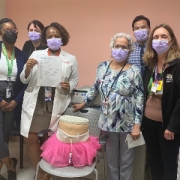
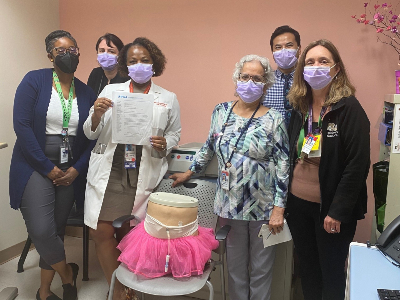
sister center teamChildren’s National Hospital is joining the International Pediatric Nephrology Association (IPNA) to bring care to children with kidney disease in Jamaica. With early screenings, diagnosis and optimal treatments, this collaboration will help decrease the morbidity and mortality associated with renal disease.

“This partnership shows our hospital’s willingness to assist with education and resources in a country will fewer resources,” says Marva Moxey-Mims, M.D., division chief of Nephrology at Children’s National. “This is a signal to those within and outside the United States that we live our stated commitment to health equity.”

This effort will focus on:

  • Improving clinical training of staff (medical, nursing and allied health) involved in caring for children with kidney disease
  • Developing and upgrading services for children and adolescents with kidney diseases
  • Educating the community on disease awareness and prevention strategies

IPNA facilitates the exchange of knowledge and expertise about kidney disease in children in the areas where care is needed most.

“I am excited about our ability to provide specialized clinical training and additional resources to our colleagues in Jamaica,” says Dr. Moxey-Mims. “This will empower them to provide improved care to children with kidney disease on the island through multidisciplinary teams.”

Children’s National named to U.S. News & World Report’s Best Children’s Hospitals Honor Roll

US News BadgesChildren’s National Hospital in Washington, D.C., was ranked No. 5 nationally in the U.S. News & World Report 2022-23 Best Children’s Hospitals annual rankings. This marks the sixth straight year Children’s National has made the list, which ranks the top 10 children’s hospitals nationwide. In addition, its neonatology program, which provides newborn intensive care, ranked No.1 among all children’s hospitals for the sixth year in a row.
For the twelfth straight year, Children’s National also ranked in all 10 specialty services, with seven specialties ranked in the top 10.

“In any year, it would take an incredible team to earn a number 5 in the nation ranking. This year, our team performed at the very highest levels, all while facing incredible challenges, including the ongoing pandemic, national workforce shortages and enormous stress,” said Kurt Newman, M.D., president and chief executive officer of Children’s National. “I could not be prouder of every member of our organization who maintained a commitment to our mission. Through their resilience, Children’s National continued to provide outstanding care families.”

“Choosing the right hospital for a sick child is a critical decision for many parents,” said Ben Harder, chief of health analysis and managing editor at U.S. News. “The Best Children’s Hospitals rankings spotlight hospitals that excel in specialized care.”

The annual rankings are the most comprehensive source of quality-related information on U.S. pediatric hospitals and recognizes the nation’s top 50 pediatric hospitals based on a scoring system developed by U.S. News.

The bulk of the score for each specialty service is based on quality and outcomes data. The process includes a survey of relevant specialists across the country, who are asked to list hospitals they believe provide the best care for patients with the most complex conditions.

The seven Children’s National specialty services that U.S. News ranked in the top 10 nationally are:

The other three specialties ranked among the top 50 were cardiology and heart surgerygastroenterology and gastro-intestinal surgery, and urology.

Children’s National Nephrology team presents virtually at IPTA’s 11th Congress

Handrawn illustration of human KidneysThe International Pediatric Transplant Association (IPTA) is hosting their 11th Congress meeting March 26-29, 2022, and many Children’s National Hospital providers will be presenting throughout the conference. We hope you will join us!

Diversity, inequity and inclusivity in the practice of pediatric transplantation in the U.S.

Presenter: Marva Moxey-Mims, M.D., division chief, Nephrology

Dr. Moxey-Mims will review the trends in pediatric kidney transplantation over the past decade, focusing on differences by race and ethnicity, whether the gaps have narrowed over that time and steps that can be taken to increase equity.

Prevalence of mycophenolate mofetil discontinuation and subsequent outcomes in pediatric kidney transplant recipients: A PNRC study

Presenter: Asha Moudgil, M.D., medical director, Kidney Transplant

Mycophenolate mofetil (MMF) is a common maintenance immunosuppressant in children receiving kidney transplants but is often discontinued for various reasons. In this multi-center Pediatric Nephrology Research Consortium study, researchers sought to determine the prevalence and reasons for MMF discontinuation and its association with patient and allograft outcomes. They will be discussing their methodology and results from this study.

Additional Children’s National staff involved in the study include:

Changes in diastolic function and cardiac geometry after pediatric kidney transplantation: A longitudinal study

Presenter: Kristen Sgambat, Ph.D., clinical assistant professor

Children with end stage kidney disease are at high risk for cardiovascular morbidities. Indicators of systolic function, such as ejection fraction and fractional shortening, are often preserved and may not reveal cardiac dysfunction until it is severe. Longitudinal changes in diastolic function and cardiac geometry have not been well studied.

Additional Children’s National staff involved in the study include:

  • Asha Moudgil, M.D., medical director, Kidney Transplant
  • Sarah Clauss, M.D., cardiologist

COVID19 in pediatric kidney transplant recipients: Incidence, outcomes, and response to vaccine

Presenter: Asha Moudgil, M.D., medical director, Kidney Transplant

At the start of the pandemic, no information was available on the outcomes of pediatric kidney transplant recipients with COVID-19. When the COVID-19 vaccine became available, response of immunosuppressed children to the vaccine was not known. While more information has become available in adult transplant recipients, information on pediatric transplant recipients remains limited.

The team will discuss their methodology of collecting information and their results and conclusions.

Additional Children’s National staff involved in the study include:

Poster presentation: Psychological functioning and adaptive behavior in pediatric patients awaiting renal transplantation.

Presenter: Kaushal Amatya, Ph.D., psychologist

Psychosocial functioning of children with chronic kidney disease (CKD) at pretransplant evaluation is associated with transplant readiness and post-transplant outcomes. Higher prevalence of emotional/behavioral issues is noted in children with CKD compared to healthy counterparts. Although issues with functional impairment is often reported, research on adaptive functioning using a validated measure is lacking. The study aimed to explore psychological and adaptive functioning in pediatric pre-transplant patients to identify areas in need of intervention.

Additional Children’s National staff involved in the study include:

  • Asha Moudgil, M.D., medical director, Kidney Transplant
  • Paige Johnson, Psychology resident


Tackling bias – the power of one

Marva Moxey MimsIn the most recent edition of the American Society of Pediatric Nephrology’s Kidney Notes, Children’s National Hospital Chief of Nephrology, Marva Moxey-Mims, M.D., wrote a perspective piece asking other providers to join her in an effort to see patients as a whole person and try to put aside personal biases, thereby improving overall patient care.

In this personal commentary, Dr. Moxey-Mims reflects on challenging herself to better serve patients by making sure they feel seen and to understand them. “Just think of the ripple effect if we can do this with even a fraction of our patients,” said Dr. Moxey-Mims. “The goodwill that patients will feel knowing that we are trying to see them is immeasurable.”

You can read the entire article “Tackling Bias – The Power of One” here.

Approaches to nephrotic syndrome and proteinuria

urine sample

Nephrologist Melissa Meyers, M.D., recently gave a Lunch and Learn presentation at Children’s National titled, “Urine the Know: General Pediatricians’ Approach to Nephrotic Syndrome and Proteinuria.”

Melissa Meyers, M.D., a nephrologist at Children’s National Hospital, recently gave a Lunch and Learn presentation at Children’s National titled, “Urine the Know: General Pediatricians’ Approach to Nephrotic Syndrome and Proteinuria.”

During the virtual presentation, Dr. Meyers detailed the definitions of proteinuria and nephrotic syndrome and discussed methods used to screen, test and manage the disorders.

She ended with a question-and-answer segment, which included a series of scenarios pediatricians may encounter while diagnosing and treating patients with the conditions.

The full presentation can be viewed here.

Dr. Meyers is a pediatric nephrologist with 10 years’ experience caring for children. She is passionate about kidney health and providing comprehensive medical care to her patients and their families.

Partnership with CMS and HRSA addresses national kidney shortage

colored illustration of kidney x-ray

Children’s National Hospital is proud to announce that it is participating in the Centers for Medicare & Medicaid Services (CMS) and Health Resources & Services Administration (HRSA)’s new End-Stage Renal Disease Treatment Choices Learning Collaborative (ETCLC). This effort will focus on addressing kidney disease prevention and treatment, including improved access to kidney transplants in the United States.

The ETCLC will engage transplant centers, Organ Procurement Organizations (OPOs), large donor hospitals, patients and donor family members to identify highly effective practices currently in use and spread the use of these practices throughout the organ procurement, kidney care and kidney transplant community to achieve the following three AIMs:

  • AIM #1: Increase the number of deceased donor kidneys transplanted
  • AIM #2: Decrease the current national discard rate of all procured kidneys
  • AIM #3: Increase the percentage of change for kidneys recovered for transplant in the 60-85 Kidney Donor Profile Index score group

The ETCLC brings the potential for collaboration, communication and innovation across geography into reality. By participating in the ETCLC, Children’s National will benefit by:

  • the creation of efficiencies and reduction of duplicative efforts in kidney patient care
  • exposure to new, innovative ideas regarding the kidney transplant process
  • the enhancement of communication and relationship building within the kidney care community
  • the application of substantive changes to improve the donation and transplantation system

American Heart Association grant funds study of vascular complications in ADPKD

cystic kidney disease

Ashima Gulati, M.D., Ph.D., pediatric nephrologist at Children’s National Hospital recently was awarded a grant from the American Heart Association. Dr. Gulati’s work will aim to identify the genetic determinants of vascular complications in autosomal dominant polycystic kidney disease (ADPKD).

Cerebrovascular complications such as vascular aneurysms and anomalies are an important cause of morbidity in ADPKD that need to be studied. The goal of Dr. Gulati’s research is to contribute to knowledge towards using molecular medicine to inform individual genetic risk of clinically significant vascular complications in ADPKD.

This work addresses a clinically significant vascular complication in ADPKD, the most common inherited form of kidney failure world-wide.

New grant to conduct single center pilot trial of alkali therapy in children with CKD

Denver Brown

Denver D. Brown, M.D., recipient of the Child Health Research Career Development Award.

Linear growth (i.e., height) impairment is commonly observed in children with chronic kidney disease (CKD). Several studies have suggested metabolic acidosis, a frequent consequence of mild to moderate CKD in children, as a contributing factor to linear growth failure in these patients. Grant awardee Denver D. Brown, M.D., aims to conduct a pilot trial in children with mild metabolic acidosis and CKD, comparing differences in linear growth between an observation period versus a period of supplementation with alkali therapy (i.e., treatment for metabolic acidosis).

“This grant is so important because there has never been a clinical trial of alkali therapy in children with CKD despite its frequent use in this population” says Dr. Brown. “This research has the potential to better inform treatment practices with the aim of improving the care of our young, vulnerable patients.”

The Child Health Research Career Development Award (CHRCDA) of $125,000 will support Dr. Brown in her efforts to carry out this pilot trial.

“Funding for this pilot study could lay the groundwork for a large, randomized controlled clinical trial, which would help fill a major gap in knowledge as to the precise benefits of alkali therapy, especially regarding growth in children with impaired kidney function.”

New report advances improved way to diagnose kidney disease

colored x-ray showing kidneys and spine

The findings outline a new race-free approach to diagnose kidney disease, recommending the adoption of the new eGFR 2021 CKD EPI creatinine equation.

Patients with kidney disease will benefit from an improved approach, according to a new report.

The findings outline a new race-free approach to diagnose kidney disease, recommending the adoption of the new eGFR 2021 CKD EPI creatinine equation. This calculation estimates kidney function without a race variable. The report also recommends increased use of cystatin C combined with serum creatinine as a confirmatory assessment of eGFR or kidney function.

The effort is being spearheaded by a team of national nephrology experts that includes Marva Moxey-Mims, M.D., chief of the Division of Nephrology at Children’s National Hospital.

“This final report is important in recommending a uniform approach to the calculation of eGFR without the inclusion of race,” Dr. Moxey-Mims says. “This will avoid a piecemeal approach where eGFR is calculated differently at different health care facilities, potentially causing confusion.”

The final report, published in the American Journal of Kidney Diseases and the Journal of the American Society of Nephrology, was drafted with considerable input from hundreds of patients, family members, medical students, clinicians, scientists, health professionals and other stakeholders. This will help achieve consensus for an unbiased and most reasonably accurate estimation of GFR so that laboratories, clinicians, patients and public health officials can make informed decisions to ensure equity and personalized care for patients with kidney diseases.

“Patients, professionals and other stakeholders can have confidence in this estimate that is relying solely on biologic measures. Hopefully, these can evolve even further as the science progresses,” Dr. Moxey-Mims says. “My hope is that health systems and labs will adopt these changes expeditiously.”

For fifth year in a row, Children’s National Hospital nationally ranked a top 10 children’s hospital

US News badges

Children’s National Hospital in Washington, D.C., was ranked in the top 10 nationally in the U.S. News & World Report 2021-22 Best Children’s Hospitals annual rankings. This marks the fifth straight year Children’s National has made the Honor Roll list, which ranks the top 10 children’s hospitals nationwide. In addition, its neonatology program, which provides newborn intensive care, ranked No.1 among all children’s hospitals for the fifth year in a row.

For the eleventh straight year, Children’s National also ranked in all 10 specialty services, with seven specialties ranked in the top 10.

“It is always spectacular to be named one of the nation’s best children’s hospitals, but this year more than ever,” says Kurt Newman, M.D., president and CEO of Children’s National. “Every member of our organization helped us achieve this level of excellence, and they did it while sacrificing so much in order to help our country respond to and recover from the COVID-19 pandemic.”

“When choosing a hospital for a sick child, many parents want specialized expertise, convenience and caring medical professionals,” said Ben Harder, chief of health analysis and managing editor at U.S. News. “The Best Children’s Hospitals rankings have always highlighted hospitals that excel in specialized care. As the pandemic continues to affect travel, finding high-quality care close to home has never been more important.”

The annual rankings are the most comprehensive source of quality-related information on U.S. pediatric hospitals. The rankings recognize the nation’s top 50 pediatric hospitals based on a scoring system developed by U.S. News. The top 10 scorers are awarded a distinction called the Honor Roll.

The bulk of the score for each specialty service is based on quality and outcomes data. The process includes a survey of relevant specialists across the country, who are asked to list hospitals they believe provide the best care for patients with the most complex conditions.

Below are links to the seven Children’s National specialty services that U.S. News ranked in the top 10 nationally:

The other three specialties ranked among the top 50 were cardiology and heart surgerygastroenterology and gastro-intestinal surgery, and urology.

Looking back one year later – Keeping it Renal: Global Cuisine for Kids

plate of food

The cookbook introduces a variety of culturally diverse kidney-friendly recipes that kids of all ages love.

It has been one year since the Children’s National Hospital Department of Nephrology released their cookbook “Keeping it Renal: Global Cuisine for Kids” and we are still receiving requests for this collection of recipes. In order to stay healthy, most children with kidney disease have to limit or avoid foods that are high in certain minerals including sodium, potassium and phosphorus. “Children on dialysis have to give up a lot of what they like to eat. This cookbook introduces a variety of culturally diverse kidney-friendly recipes that kids of all ages love. By learning to cook these recipes, our patients can take an active role in their own healthcare and learn some fun new skills,” said Kristen Sgambat, Ph.D., R.D., and Asha Moudgil, M.D., medical director of transplant.

It is often challenging for children and their families to balance these dietary restrictions with proper nutrition and enjoyable mealtimes. “This cookbook offers novel and exciting recipes that patients and families may not be aware of. Seeing these options can help patients see that a renal diet does not have to be bland or repetitive and thus improve patients’ outlook on treatment and motivate them to adhere to the dietary restrictions,” said Kaushalendra Amatya, Ph.D., pediatric psychologist for Nephrology and Cardiology at Children’s National.

As an innovative way to facilitate adherence to these limitations, our nephrology department collaborated with our patient families to create the cookbook “Keeping it Renal: Global Cuisine for Kids,” a compilation of their favorite kidney-friendly recipes.

Children’s National is one of the top pediatric hospitals in NIH funding, and our nephrology program ranks number 7 in the country, according to U.S. News & World Report. The Kidney Transplantation Program is the only one of its kind in the Washington, D.C., area focused on the needs of children and teens with kidney disease. Committed to providing the best quality care to all of our pediatric dialysis and transplant patients, we are always looking for new ways to support our patient families.

If you would like to receive a copy of the Keeping it Renal: Global Cuisine for Kids cookbook, please send your request to: emorrow@childrensnational.org.