Evolving curative therapies for pediatric non-malignant disorders
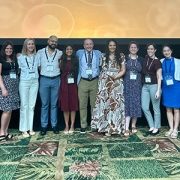
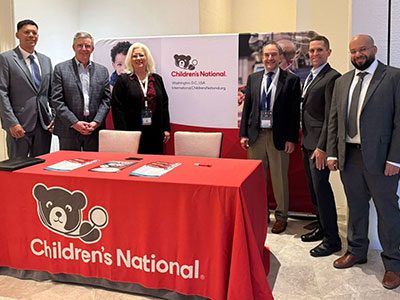
The Children’s National team at the Kuwait Pediatric Stem Cell Transplant, Cellular & Gene Therapy Conference.
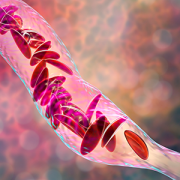
At the Kuwait Pediatric Stem Cell Transplant, Cellular & Gene Therapy Conference, David A. Jacobsohn, MD, MBA, chief of Blood and Marrow Transplantation at Children’s National Hospital, presented emerging approaches that are transforming the treatment of non-malignant pediatric diseases through allogeneic hematopoietic stem cell transplantation (HSCT). His presentation, Pediatric Stem Cell Transplant in Non-Malignant Disorders: Evolving Trends, highlighted sickle cell disease (SCD) as a key example of this progress, noting that decades of advances have made HSCT a highly effective curative option, with survival rates now exceeding 95% for children receiving matched sibling donor transplants. Newer reduced-intensity and non-myeloablative approaches are further lowering treatment-related toxicity while maintaining disease control, significantly decreasing hospitalization burden and improving quality of life.
The talk also addressed one of the field’s most pressing challenges, donor availability, and how the expansion of haploidentical (half-matched) donor strategies is opening curative treatment options to the vast majority of patients who previously lacked a suitable donor. In parallel, evolving conditioning regimens and immune-modulating therapies are helping reduce graft rejection and improve long-term outcomes.
Beyond SCD, the presentation highlighted national and international research efforts demonstrating the curative potential of HSCT for inherited immune disorders such as severe combined immunodeficiency (SCID) and chronic granulomatous disease (CGD). Data from large, multi-center collaborations show that earlier referral, tailored conditioning, and close collaboration between immunology and transplant teams are critical to optimizing survival and immune recovery.
Together, this work underscores a broader shift in pediatric transplantation, moving from high-risk rescue therapy to a more precise, accessible and patient-centered cure. It reinforces the role Children’s National plays in advancing innovative, life-changing treatments for children worldwide.