Group therapy approach improves OCD symptoms in youth
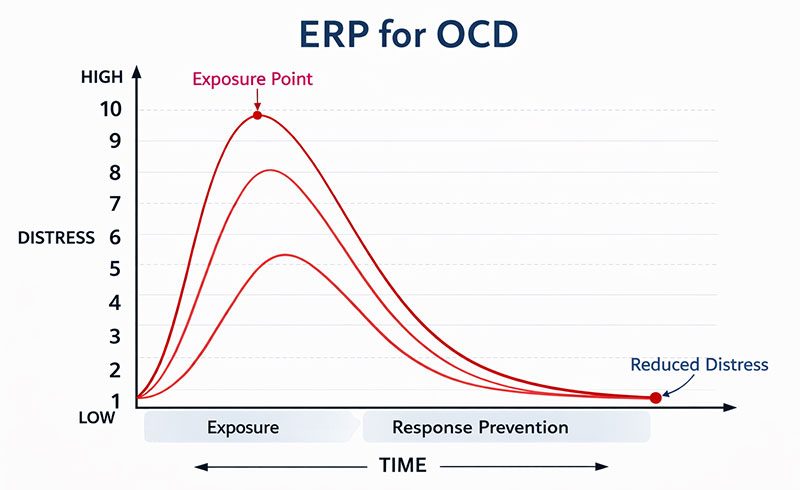 Pediatric patients showed reduced obsessive-compulsive disorder (OCD) symptom severity after an eight week cognitive group using cognitive behavioral therapy with exposure and response prevention (CBT/ERP), according to a study published in the International Journal of Cognitive Behavioral Therapy. Researchers also found high levels of satisfaction among both patients and caregivers.
“ERP supports youth in facing their OCD thoughts and associated distress without engaging in compulsions or rituals,” Lilia Mucka Andrew, PhD, psychologist at Children’s National Hospital and lead author of the study, said. “This is challenging at first, but over time repeated practice reduces distress and increases patient confidence in facing their OCD.”
The big picture
The study included 14 youths between the ages of 10 and 20 years old and their caregivers. Participants were organized into groups based on age and developmental level: pre-teen, teen and older teen. Led by PhD-level psychologists, each group met weekly for 60 minutes over the course of eight weeks using the format that best met individual needs – virtual, in person or a combination of both. Assessments were completed by youth and caregivers before the program, at the final session and at a follow-up approximately 10 weeks after completion.
The hold-up in the field
Although randomized controlled trials remain the gold standard for establishing efficacy, they require significant time and resources. At the same time, the need for accessible, evidence-based treatment for OCD remains urgent, as families continue to face barriers to care such as provider shortages, long waitlists, geographic limitations, transportation challenges and financial constraints.
“By integrating caregivers into treatment and collaboratively selecting the delivery format, we prioritize patient-centered care and reduce common access barriers that contribute to inconsistent attendance,” Dr. Andrew said. “Importantly, this study also helps address the well-documented research-to-practice gap in OCD treatment, as many families are unable to access CBT/ERP.”
Children’s National leads the way
With the increased transition to virtual care options following the pandemic, the researchers sought to explore how in-person versus virtual formats function for families both logistically and in terms of therapeutic impact. This work is unique in that it examines outcomes within the context of routine clinical care, which may increase access to services while also helping to clarify the complexity of patient- and family-centered needs.
“This model may serve as a great opportunity to provide evidence-based care to more families in our community and beyond,” Dr. Andrew said.
Read the full study, A pilot study of group Exposure Response Prevention for Pediatric Obsessive-Compulsive Disorder: In-Person and Virtual Delivery with Caregiver Involvement, in the International Journal of Cognitive Behavioral Therapy.
Additional authors from Children’s National include: Irene Zhang, PhD, Perrine Heymann, PhD, Tiffany Kichline, PhD, Mi-Young Ryee, PhD, Laura Willing, MD