Children’s National receives second CMTA Center of Excellence designation
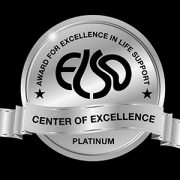
The Neuromuscular Medicine Program at Children’s National Hospital has again been designated a Charcot‑Marie‑Tooth Association (CMTA) Center of Excellence, marking the second time the program has received this distinction. The designation recognizes the program’s sustained excellence in providing comprehensive, multidisciplinary care for children with Charcot‑Marie‑Tooth disease (CMT).
A core mission of the CMTA is to improve quality of life for individuals with CMT, a hereditary peripheral neuropathy most often identified in adolescence or early adulthood but also seen with onset in early childhood. Through its network of Centers of Excellence, CMTA ensures that patients and families have access to expert, coordinated care delivered by clinicians with deep experience in CMT.
Children’s National was first named a CMTA Center of Excellence five years ago following a rigorous review of clinical expertise, patient volume, and programmatic services. The renewed designation highlights the program’s consistency and growth during a period of rapid advancement in the field.
The Neuromuscular Medicine Program offers coordinated care across multiple specialties, including neurology, nutrition/diet, occupational therapy, orthopedic surgery, physiatry, physical therapy and social work/counseling, allowing for individualized, patient‑centered management across the continuum of care. CMTA Centers of Excellence play an increasingly important role as clinical trials and emerging therapies move forward, contributing both expert clinical insight and critical understanding of CMT’s natural history.
“It is a privilege to be recognized again as a CMTA Center of Excellence,” said Sarah Wright, DO, clinical director of the Neuromuscular Medicine Program at Children’s National. “This designation reflects our team’s continued commitment to delivering specialized, multidisciplinary care while supporting families and contributing to progress in neuromuscular research.”