New NIH grant supports research to protect babies’ developing brains from viral infection
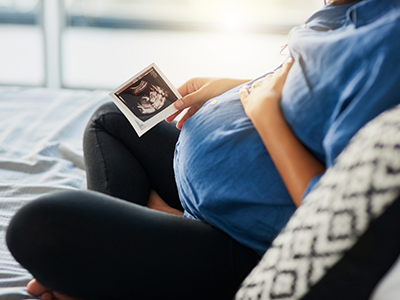
Dr. Kousa’s research combines prenatal and neonatal neurology with genomics, virology and translational neuroscience to better understand how prenatal viral infections affect the developing brain.
A new five-year, $3.5 million grant from the National Institutes of Health/National Institute of Neurological Disorders and Stroke will support researchers at Children’s National as they study why some viral infections during pregnancy cause serious brain injury before birth — and how that damage might one day be prevented.
Youssef Kousa, MS, DO, PhD, a neonatal neurologist at Children’s National, is leading the work. His team is focused on a difficult challenge faced by families and clinicians: prenatal viral infections can sometimes damage the developing brain, leading to fetal loss or lifelong neurological disabilities for the child. As of yet, there are no effective treatments to reliably prevent or address that injury before it is too late.
The big picture
Dr. Kousa’s research combines prenatal and neonatal neurology with genomics, virology and translational neuroscience to better understand how prenatal viral infections affect the developing brain. By examining cell cultures, preclinical models and banked human data, his team has identified a biological pathway that appears to influence the severity of brain injury after infection.
“Our overarching goal is to protect the developing brain from injury. We intend to do so by understanding the role of this pathway in the infectious cycle more deeply. We will also target the pathway through clinically-directed interventions while studying the impact on the organism’s lifespan,” Dr. Kousa said.
Moving the field forward
The grant builds on a discovery from Dr. Kousa’s team — a genetic risk factor linked to virally induced brain injury. Through comparative genomic analyses and confirmatory testing across multiple experimental systems, the researchers identified a pathway that may help explain why some injuries are more severe than others.
Next, the team will study that pathway more closely and test whether it can be targeted during the viral infectious cycle, when clinical intervention may still be possible.
“If successful, this work might identify a novel approach for detecting and treating virally induced brain injury in the future,” Dr. Kousa said.
Children’s National is well positioned to advance this research, bringing together expertise in prenatal and neonatal neurology, genomics, infectious disease research and experimental models of brain development.